


English Steps
English antique steps bring functional grace to period rooms, offering practical elevation crafted in mahogany, oak, and pine.
English Steps
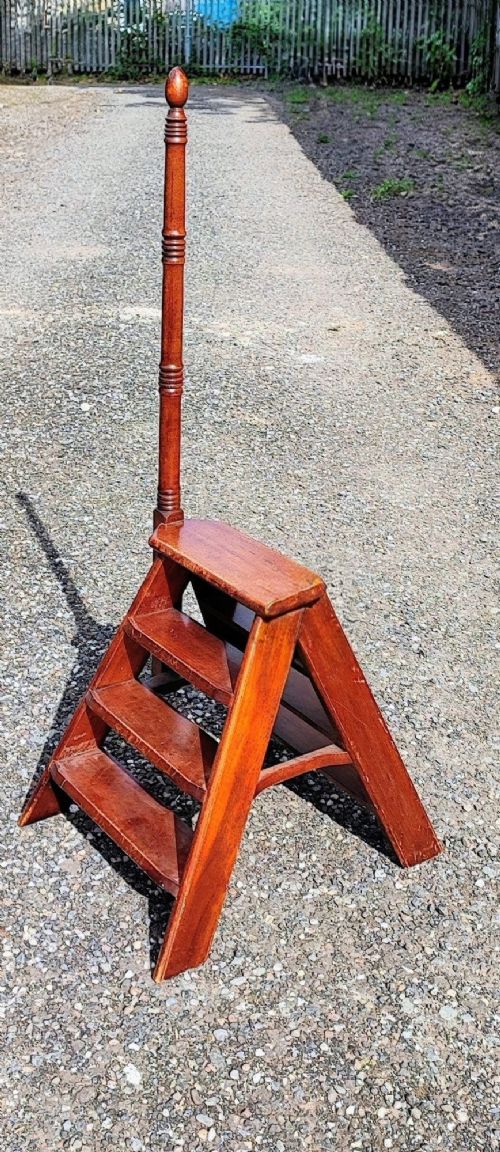
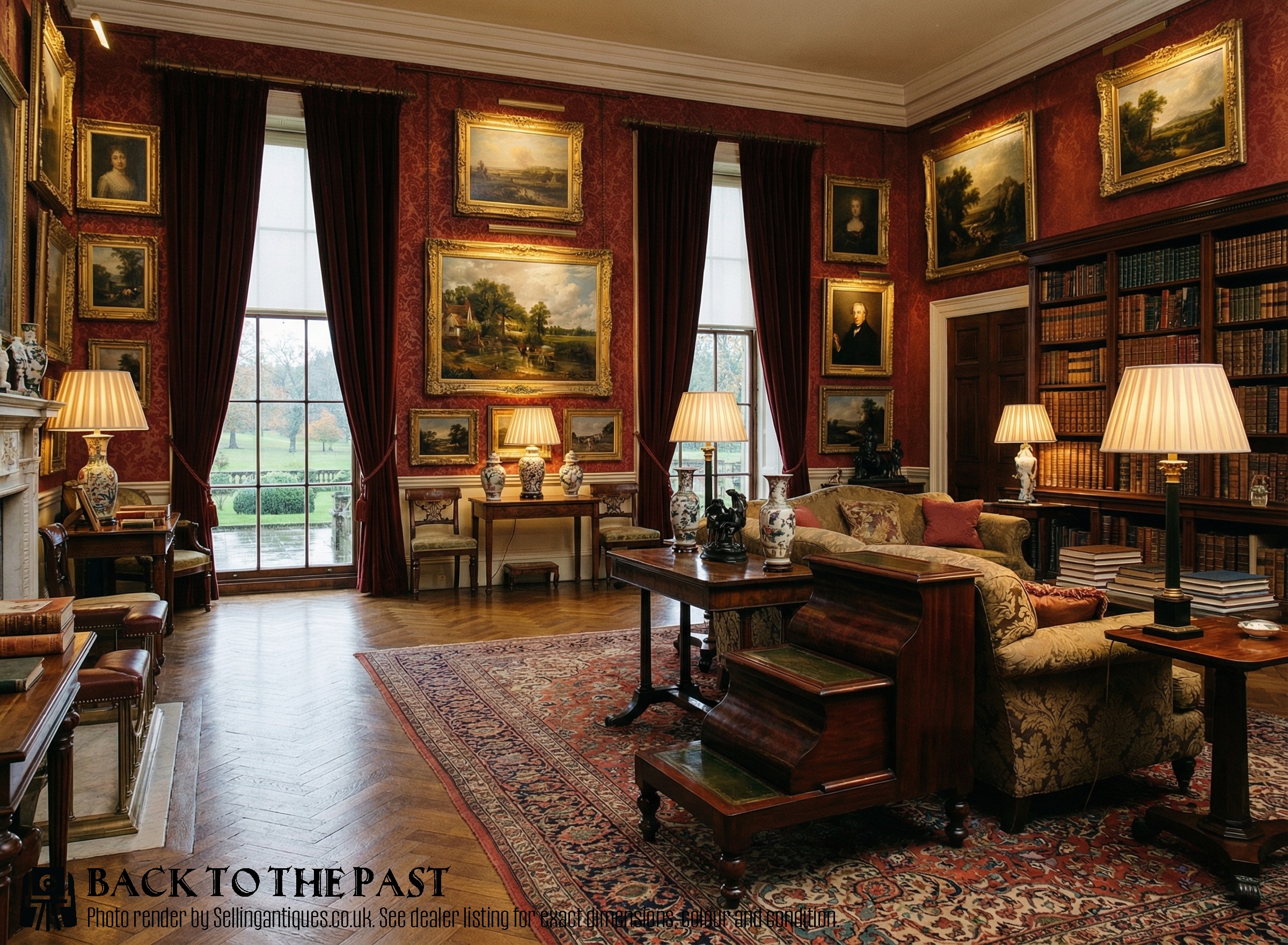
English antique steps encompass traditional library steps designed for reaching high shelves, alongside ingenious metamorphic library chair and table forms.
Most examples found here date from the Georgian, Regency, and Victorian periods, constructed primarily in solid mahogany, oak, and fruitwood.
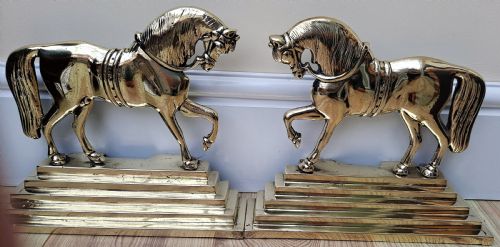
Buyers also encounter related architectural and domestic accessories, including boot scrapers, footmen, and chimney horses associated with step forms.
Materials and construction
Cabinetmakers utilised dense timbers like mahogany, walnut, and oak to ensure structural stability under frequent use.
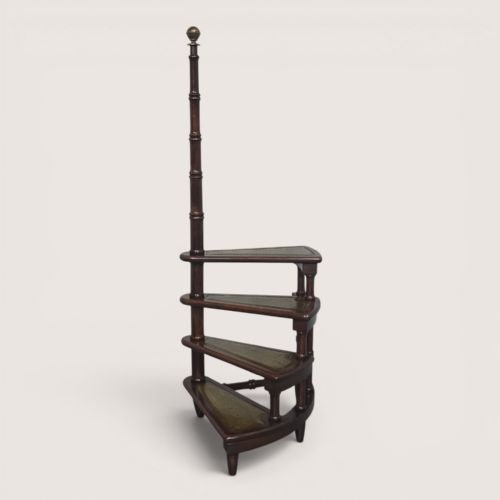
Treads frequently incorporated inset leather panels, whilst turning and carved supports provided decorative refinement to upright members.
Metamorphic designs relied on clever pivoting and folding mechanisms to transform seating furniture into sturdy ascending platforms.
Listings feature woods such as mahogany, oak, burr walnut, satinwood, and pine alongside brass and leather details.
Judging quality
Superior execution shows in the tightness of joinery and the harmonious selection of timber grain across individual treads.
Metamorphic examples depend on the smooth, reliable operation of their concealed hinges and pivots rather than loose joints.
The sophistication of turned supports and the preservation of original leather or polished surfaces distinguish finer workshop output.
J.Jarvis·Harry & Lou Epstein·Phillips Brothers·Hukin & Heath·A.L. Davenport
The English Steps Glossary
- Metamorphic
- Furniture designed to transform from one object into another, such as an armchair converting into library steps. This dual purpose appealed greatly to Georgian and Regency households with limited space.
- Library steps
- Freestanding sets of wooden stairs utilised for accessing high bookshelves in domestic libraries. They appear in fixed staircase configurations and space-saving spiral designs.
- Tread
- The horizontal upper surface of a step upon which the foot rests. Many library step treads feature inset tooled leather to provide grip and protection.
- Fusee
- A conical pulley used in clock movements to maintain even tension as the mainspring unwinds. It represents a mark of quality in period timepieces.
- George III
- The period of British history spanning from the mid-eighteenth to the early nineteenth century, noted for restraint and elegance in furniture design.
English Steps: Frequently Asked Questions
How do metamorphic library steps work?
Metamorphic steps utilise clever hidden hinges and pivoting joints that allow the backrest of an armchair or the top of a table to unfold into a stable flight of stairs. These pieces provided dual utility in gentlemen's libraries.
Craftsmen engineered the metal actions to operate smoothly while maintaining the outward appearance of standard domestic furniture when closed.
What wood was used for library steps?
Mahogany served as the predominant timber for finer library steps throughout the Georgian and Victorian eras, valued for its strength and rich grain. Oak and fruitwood appear frequently in earlier or more utilitarian pieces.
Secondary woods like pine were often utilised for internal framing and structural support beneath the primary timber veneers.
Are these steps safe to use?
Period steps were built for daily domestic utility using robust hardwood construction, making them structurally sound for modern use if joints remain firm. Regular checks of the treads and supports ensure safe climbing.
Metamorphic items require particular care to ensure the locking mechanisms are fully engaged before weight is applied to the upper treads.
How do I date a set of steps?
Stylistic indicators such as Regency turned supports, Georgian mahogany proportions, or Victorian casework help assign a broad period to each piece. Construction methods, including hand-cut dovetails and timber choice, provide further chronological clues.
Makers' stamps or signatures, when present, offer a direct link to the workshop and approximate decade of manufacture.