



Vintage Mahogany Steps
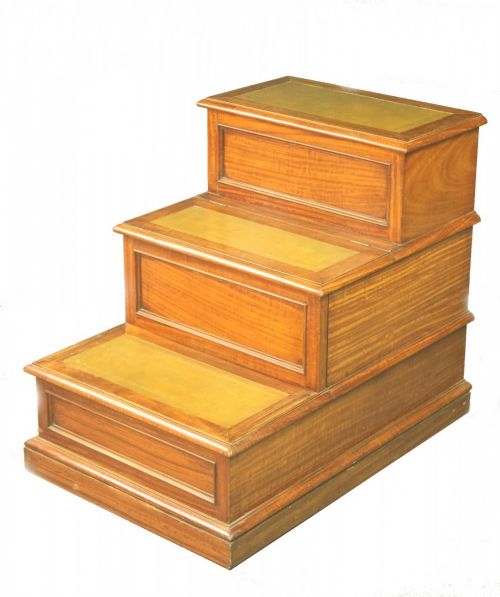
Vintage mahogany steps bring practical library architecture and clever metamorphic furniture into domestic spaces with rich timber tones.
Vintage Mahogany Steps
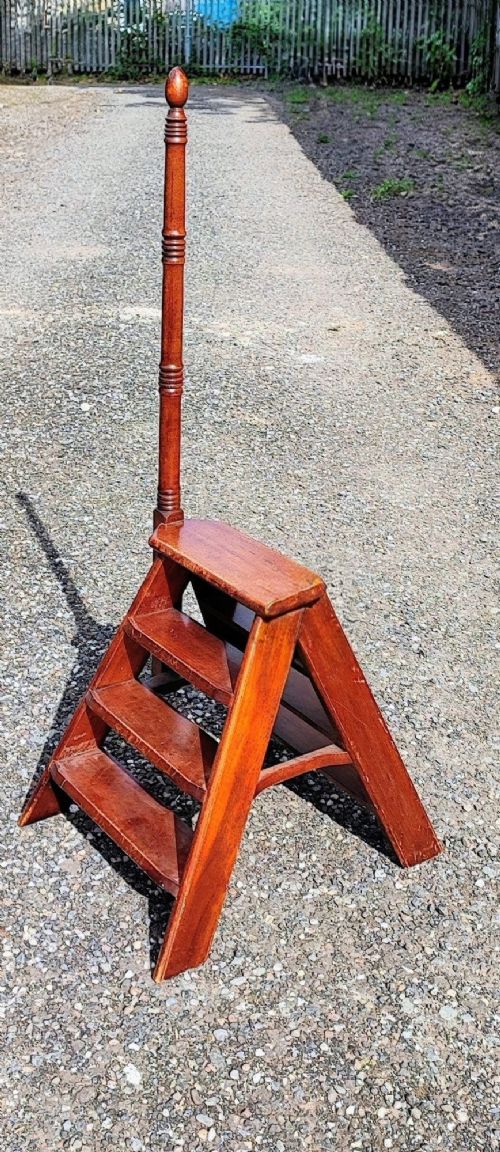
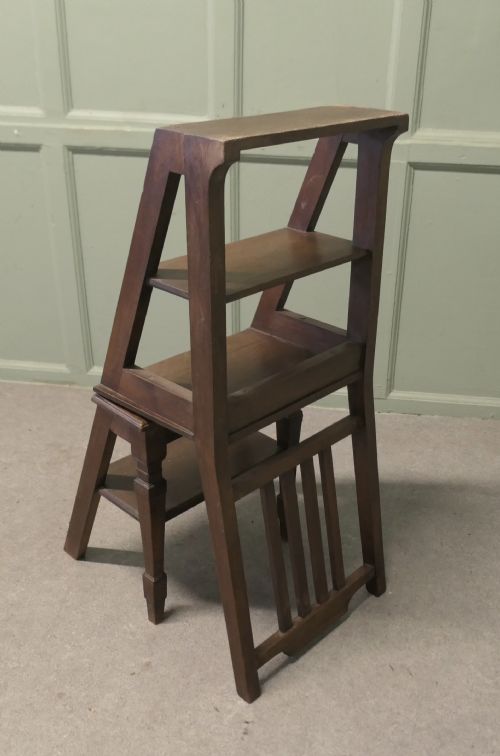
Vintage mahogany steps encompass traditional library forms and metamorphic pieces designed for functional access and versatile utility. Buyers seeking vintage mahogany steps encounter tiered library designs, spiral configurations, and convertible chair ladders rooted in Georgian, Regency, and Victorian periods.
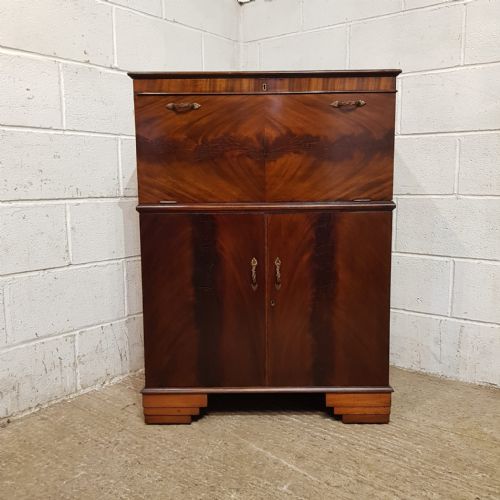
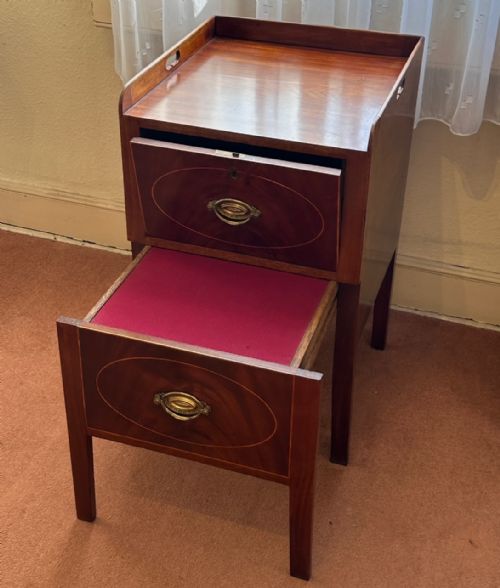
The selection here includes freestanding sets alongside pieces combining steps with bedside cabinets or commodes. These multi-functional designs reflect period ingenuity, serving as both climbing aids and static furniture within domestic interiors.
How they were made
Cabinet makers constructed these pieces primarily from solid mahogany and flame mahogany veneer, often incorporating secondary timbers like satinwood and oak. Structural integrity relied on traditional joinery techniques suited to weight-bearing furniture.
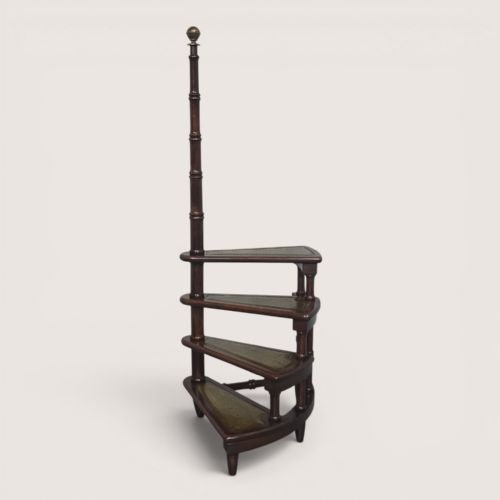
Insetting leather onto tread surfaces provided grip during use while adding a contrasting texture to the polished timber. Brass mounts and turned supports appeared frequently across Regency and later iterations for structural and decorative reinforcement.
Some library steps double as seating or bedside storage, proving that historic cabinet makers loved a clever dual-purpose trick.
What varies in quality
The standard of timber selection and veneer matching defines the visual caliber of each piece, distinguishing simple utility items from finely figured examples. Grain depth and warmth in the mahogany surface indicate the care taken by the original maker.
Cleverness of mechanism marks the distinction in metamorphic forms, where dual-purpose designs operate smoothly between configurations. The precision of turned supports and leather tread inserts further separates standard workshop production from finer cabinet work.
The Vintage Mahogany Steps Glossary
- Metamorphic furniture
- Pieces designed to transform from one form of furniture into another, such as library steps turning into a chair.
- Tread
- The horizontal surface of a step upon which a person places their foot when climbing.
- Flame mahogany
- A veneer cut from timber where the branch meets the trunk, producing a distinctive fire-like grain pattern.
- Commode
- A piece of furniture incorporating a concealed chamber pot, occasionally combined with pull-out steps in period designs.
- Spiral library steps
- A configuration of steps winding around a central column, designed to reach high shelves in confined spaces.
Vintage Mahogany Steps: Frequently Asked Questions
How do metamorphic library steps work?
Metamorphic steps utilise hidden hinges and pivot points to convert a chair or table into a stable tiered staircase. The transformation requires simple manual adjustment without removing structural elements.
This clever dual-purpose design saved space in traditional libraries while providing safe access to elevated bookshelves.
Are these steps sturdy enough for daily use?
Period library steps were built from dense hardwoods like mahogany and oak to support adult weight securely. Their robust construction and wide bases ensure stability when climbing.
Careful handling of older joints and leather treads preserves their structural integrity over decades of domestic service.
How do I identify a Regency period set?
Regency pieces often feature clean architectural lines, brass stringing, and turned supports characteristic of the early nineteenth century. Cabinet makers frequently integrated steps into commodes or bedside furniture during this era.
Examining the timber grain and secondary woods helps confirm the period of manufacture.
What is the purpose of leather on the steps?
Inlaid leather provided a non-slip surface for footwear while protecting the underlying mahogany treads from heavy wear. Tooling and gilt borders often decorated the leather edges on finer library pieces.
This traditional detail added a refined finish to utilitarian climbing furniture.