

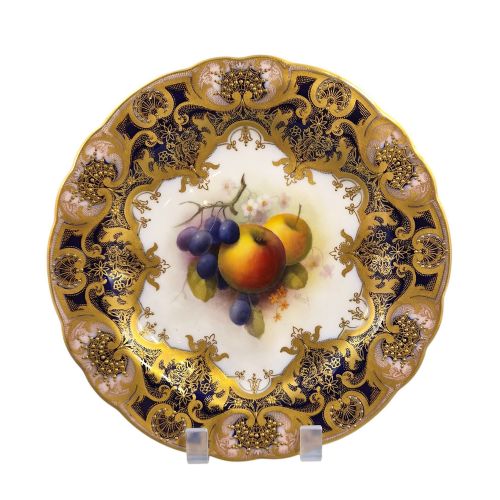
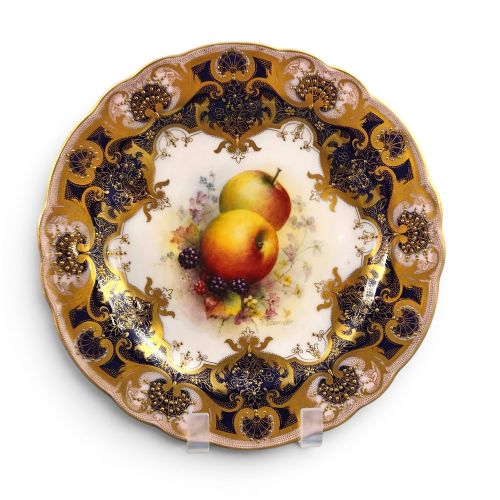
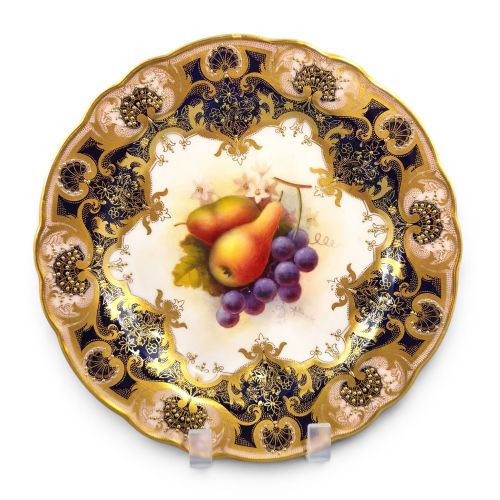
English Blue Plate
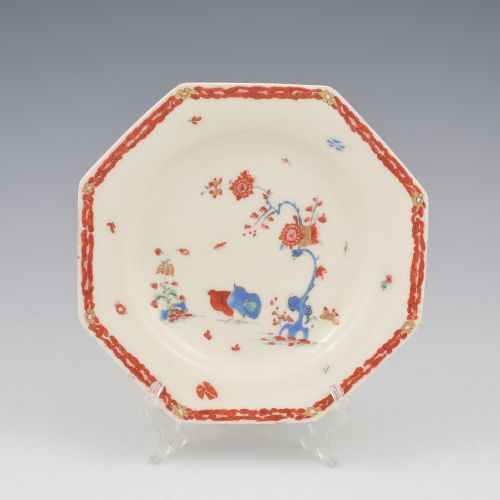
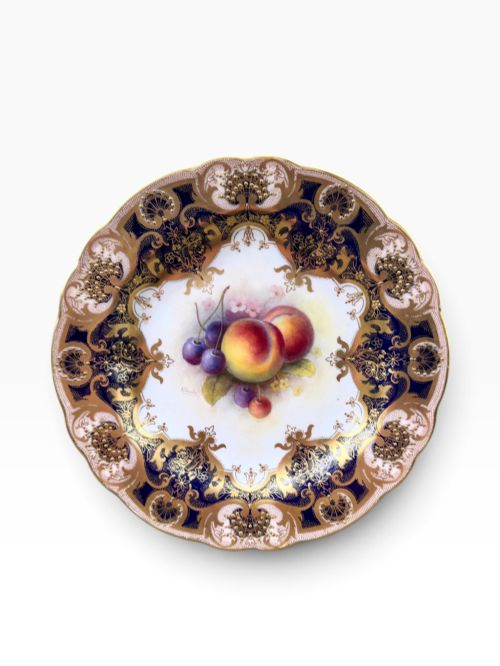
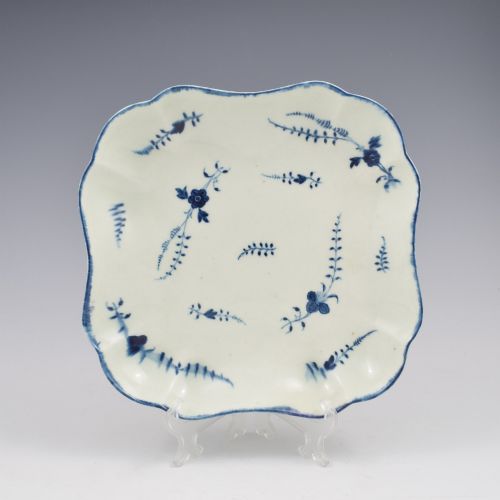
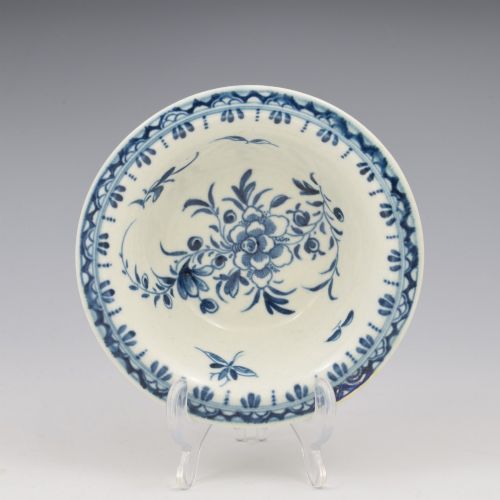
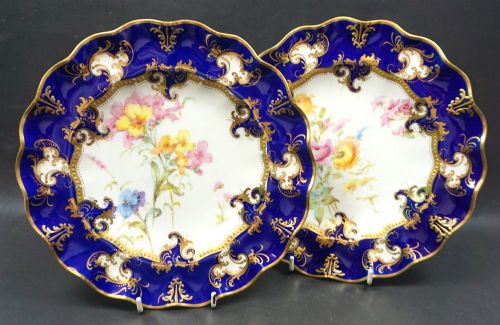
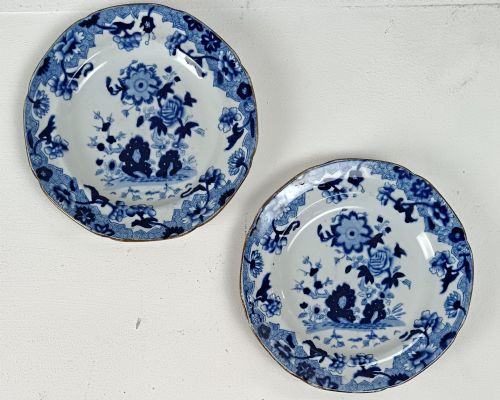
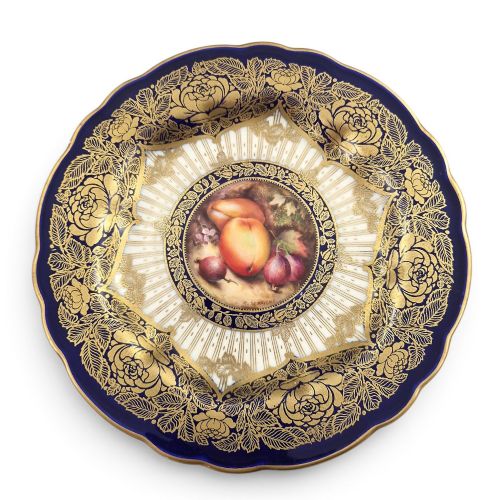
An english antique blue plate brings hand-painted cobalt and transfer-printed scenes from centuries past directly to the table.
English Blue Plate
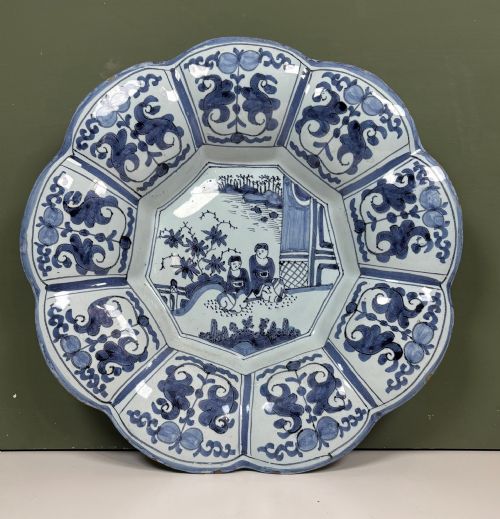
An english antique blue plate encompasses formal cabinet dishes, earthenware chargers, and transfer-printed dinner services produced across the eighteenth and nineteenth centuries.
Makers utilised cobalt oxide under the glaze to create deep blue scenes ranging from Chinese-inspired landscapes to topographical views of distant cities.
Surviving examples span heavy earthenware bodies, refined creamware, and delicate porcelain pieces intended for display or service.
Materials and Methods
Potters shaped soft-paste porcelain, bone china, and creamware on the wheel or pressed them into moulds before drying and firing the body.
Decoration relied on hand-painting cobalt pigments directly onto the porous surface or transferring printed engravings from copper plates onto the moist glaze.
A final transparent lead or tin glaze fixed the blue pigments beneath a glassy protective layer during high-temperature kiln firings.
Listings feature eighteenth-century delftware alongside Victorian ironstone and twentieth-century porcelain cabinet plates.
Judging Quality
Depth and clarity of the cobalt transfer or brushwork separate superior works from ordinary production, where blurring often occurs during the kiln firing.
The weight and translucency of the ceramic body reflect the skill of the potter, with finer porcelain showing greater refinement at the rim and foot.
Completeness of historical patterns and crispness of impressed or painted factory marks indicate the care taken during manufacture.
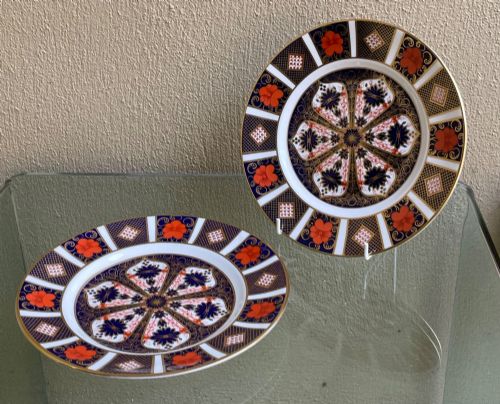
Royal Crown Derby·Royal Worcester·Wedgwood·Spode·John Davenport
The English Blue Plate Glossary
- Charger
- A large decorative plate or platter intended for display on a sideboard rather than daily dining. These substantial dishes often feature tin-glazed earthenware surfaces.
- Creamware
- A refined earthenware developed in Staffordshire during the eighteenth century with a warm, pale yellow tone. It provided a smooth canvas for transfer-printed designs.
- Transfer printing
- A mechanical technique where an engraved copper plate transfers an ink design onto tissue paper, which is then pressed onto the ceramic body. This method allowed for intricate topographical scenes.
- Tin glaze
- An opaque white glaze containing tin oxide that created a smooth surface for hand-painted cobalt decoration on early Delftware pieces.
- Soft-paste porcelain
- An artificial porcelain composition fired at lower temperatures than hard-paste wares, producing a warm body with a soft glaze finish.
English Blue Plate: Frequently Asked Questions
How were these plates used?
Plates served functional roles at the dining table for meat, dessert, or cheese courses, while larger chargers and cabinet dishes were displayed upright on sideboards.
Wealthy households used matching services for formal dinners, whereas smaller wares accommodated everyday meals or tea service.
How do I care for antique ceramic plates?
Wash antique ceramics gently by hand using lukewarm water and mild soap, avoiding modern dishwashers and harsh abrasive sponges entirely.
Store them securely in plate racks or use padded dividers between stacked pieces to protect the delicate glazed edges.
How can I distinguish eighteenth-century earthenware?
Early earthenware bodies often show slight warping from high kiln temperatures and display unglazed foot rims where the piece rested during firing.
Tin-glazed delftware exhibits a porous, chalky biscuit beneath chips, whereas later creamware presents a tighter, harder paste with an even pale tone.
What defines transfer-printed blue and white pottery?
Transfer printing uses an engraved copper plate to apply detailed monochrome images onto the ceramic surface before glazing and firing.
Close inspection reveals fine dotted lines or stippling patterns characteristic of the paper transfer process rather than freehand brushstrokes.