



Empire Period Furniture
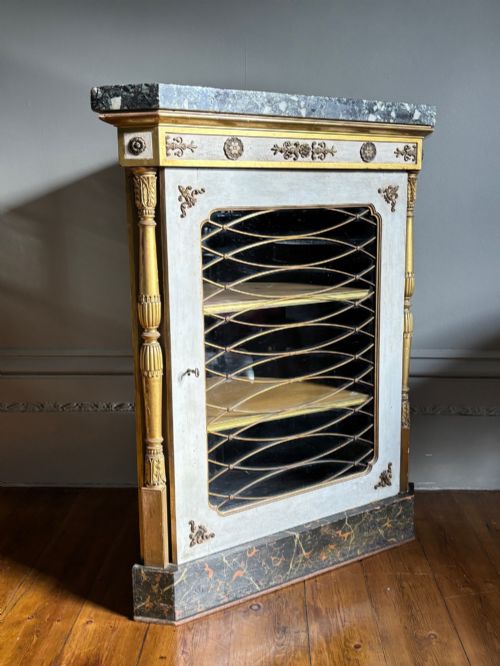
Empire period furniture delivers commanding presence through architectural mahogany forms, gleaming ormolu mounts and cool marble tops.
Empire Period Furniture
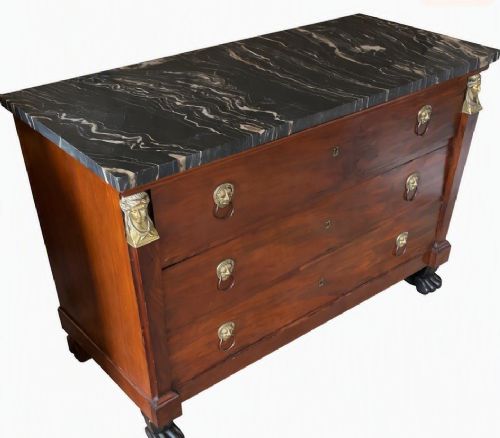
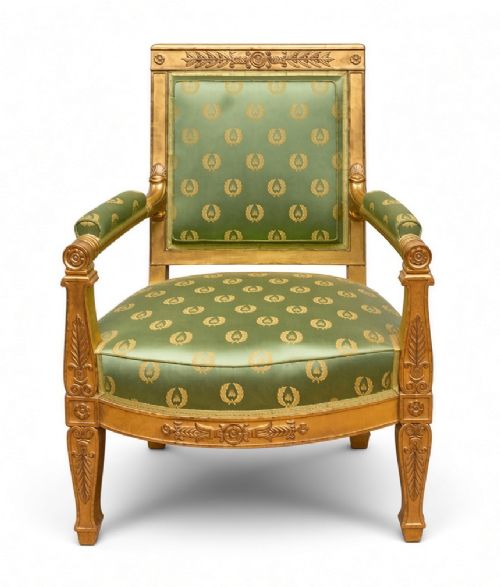
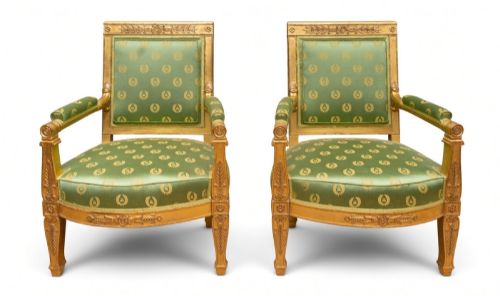
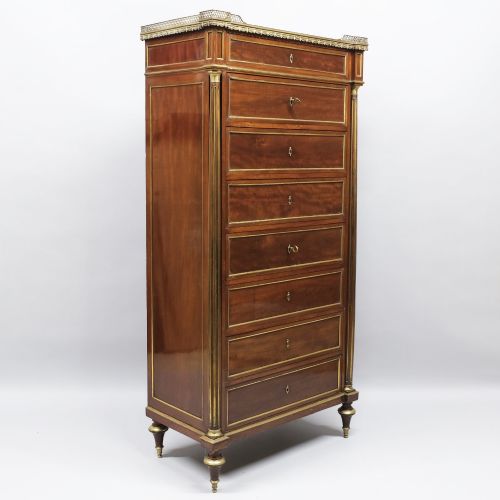
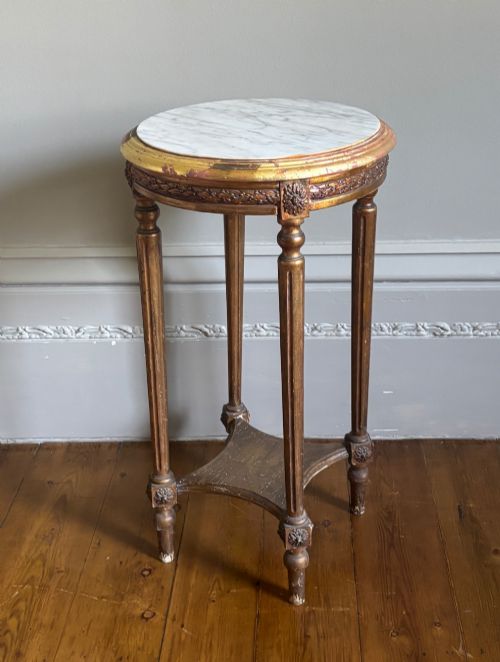
Empire period furniture encompasses formal seating, storage and display pieces originating from the early nineteenth century and subsequent revival eras. Buyers encounter distinct forms including mahogany commodes, giltwood armchairs and round centre tables.
The aesthetic draws heavily on French neoclassical and Regency design vocabulary. Pieces on this page span French Empire, Restauration, Charles X and later Edwardian interpretations.
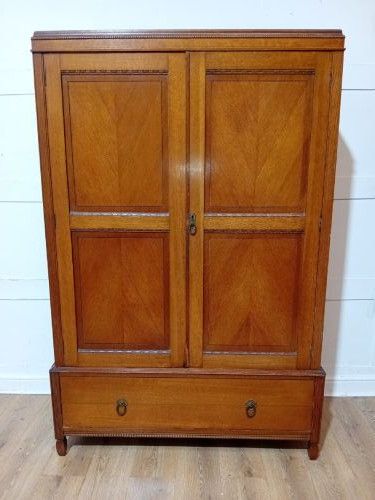
Functional items range from cylindrical pedestal cupboards and semainiers to display cabinets and writing desks. These domestic objects balance severe classical lines with rich cabinet timbers.
How empire period furniture was made
Cabinetmakers utilised dense mahogany, walnut and rosewood veneers laid over secondary carcase timbers such as oak. Structural stability combined with deeply figured surface grains to create visual weight.
Giltwood, ormolu and gesso provided glittering contrast to dark timbers on mounts, frames and consoles. Marble slabs were fitted precisely to the tops of commodes, side tables and gueridons.
Upholstered items incorporated silk fabrics supported by gilded wood frames. Inlaid birch and parcel gilt details added further decorative refinement to occasional tables.
Listings feature nineteen-century French Empire and Regency periods alongside Edwardian interpretations, constructed in mahogany, oak, giltwood and marble.
What varies in quality
The refinement of the cast ormolu mounts and the crispness of the giltwood carving separate standard items from exceptional examples. Finer pieces demonstrate meticulous hand-chasing on metalwork and precise joinery in the timber carcase.
The selection of cabinet timbers dictates overall visual harmony, with matched flame mahogany veneers creating superior surface rhythm. Marble tops exhibiting rich fossil figuring or uniform coloration indicate elevated material selection.
Jacob-Desmalter·S.Jamar
The Empire Period Furniture Glossary
- Ormolu
- Gilded bronze used for decorative mounts and accents on furniture. This technique involves applying a mercury and gold amalgam to cast bronze before heating.
- Gueridon
- A small circular table on a central pillar, frequently topped with marble. Originating in the seventeenth century, these tables served various decorative and functional roles.
- Semainier
- A tall, narrow chest of drawers traditionally designed with seven drawers, one for each day of the week. This form emerged in France during the eighteenth century.
- Gesso
- A plaster-based material applied to wood surfaces to create a smooth base for gilding or painting. Artisans carved intricate decorative details directly into this prepared layer.
Empire Period Furniture: Frequently Asked Questions
What is empire period furniture?
Empire period furniture refers to neoclassical interior furnishings produced during the early nineteenth century under the influence of the First French Empire and related Regency aesthetics. The style prioritises grand architectural scale, symmetry and references to classical antiquity.
Surviving examples include commodes, centre tables and armchairs constructed from dark mahogany, accented with ormolu mounts and topped with marble.
How do I identify empire period pieces?
Authentic pieces rely on heavy mahogany construction, strict symmetrical lines and classical motifs such as columns, lyres and gilt bronze mounts. Materials like fossil marble and silk upholstery frequently accompany the woodwork.
Distinguishing early nineteenth-century items from later Edwardian revivals requires examining construction methods, timber shrinkage and the sharpness of the hand-chased metalwork.
Where were these pieces used?
These furnishings were designed for formal reception rooms, drawing rooms and private chambers in grand townhouses and country residences. Pieces like gueridons and side tables served practical functions while projecting neoclassical status.
Large wardrobes, semainiers and desks organised domestic spaces with formal dignity, maintaining strict decorative harmony across the interior.
How do I care for marble and mahogany?
Mahogany surfaces benefit from regular dusting with a soft cloth and occasional waxing to preserve the deep lustre of the timber grain. Avoid placing wooden items in direct sunlight or near heat sources to prevent veneer cracking.
Marble tops require gentle cleaning with neutral soap and water to protect the polished stone from acidic spills and staining.