



Emile Galle Glass
These emile galle glass pieces define Art Nouveau design through layered cameo glass and botanical motifs.
Emile Galle Glass
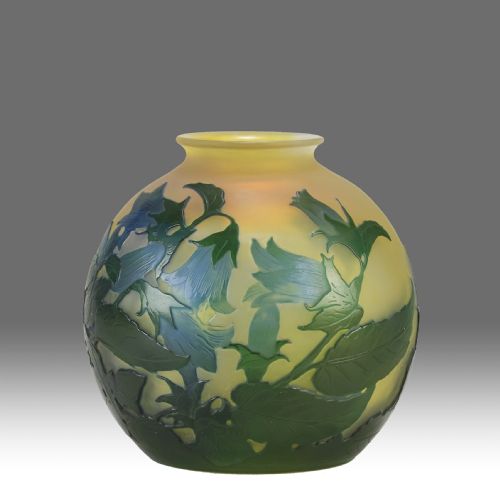
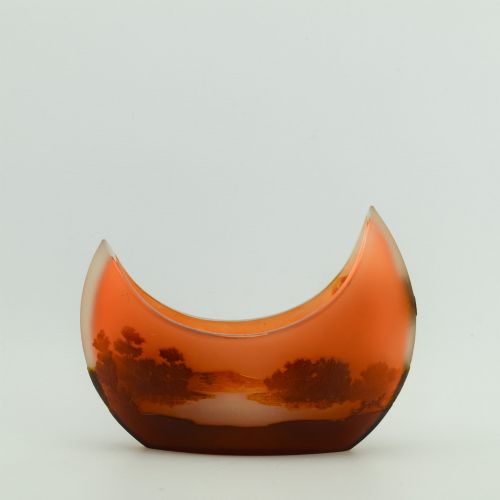
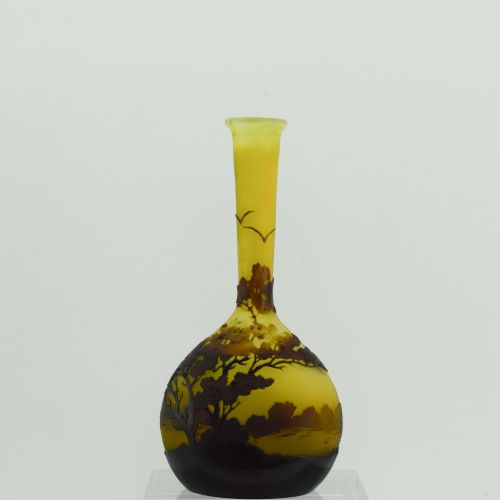
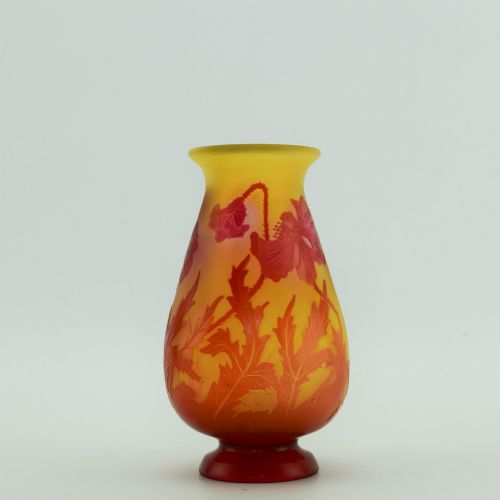
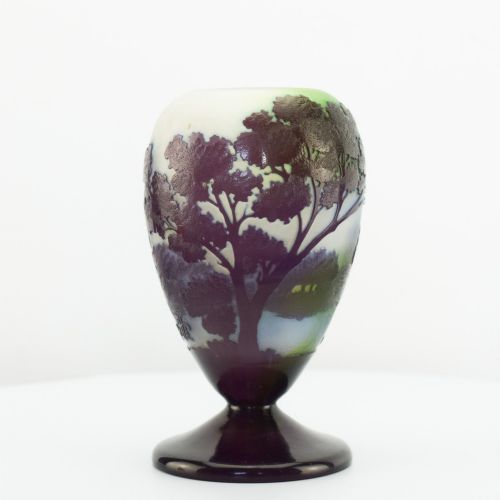
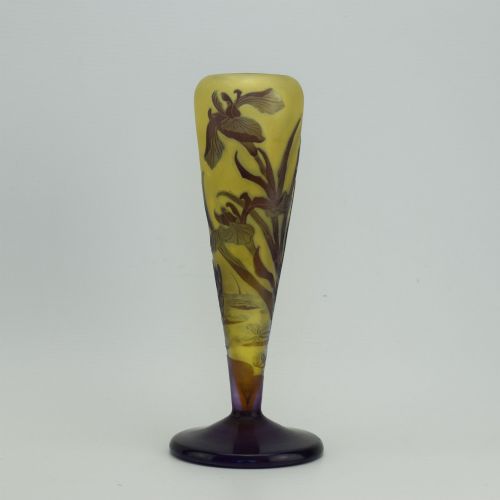
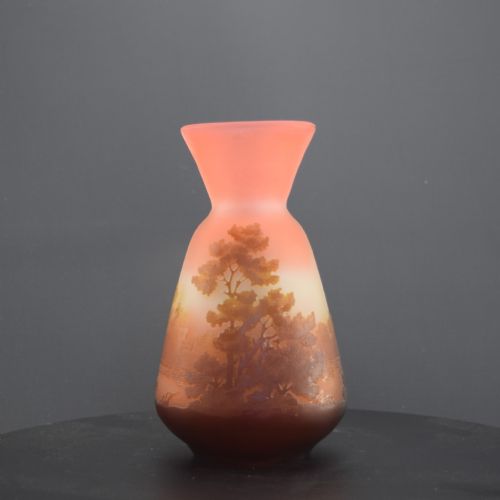
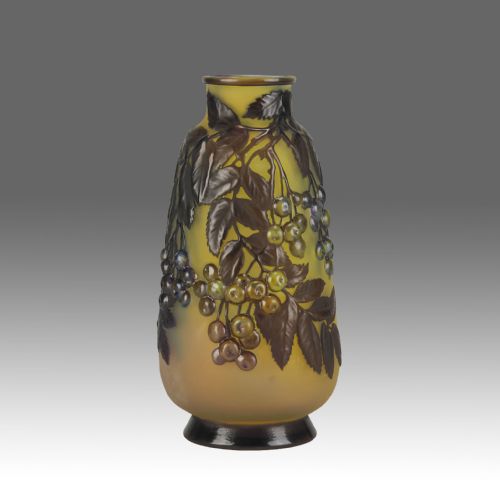
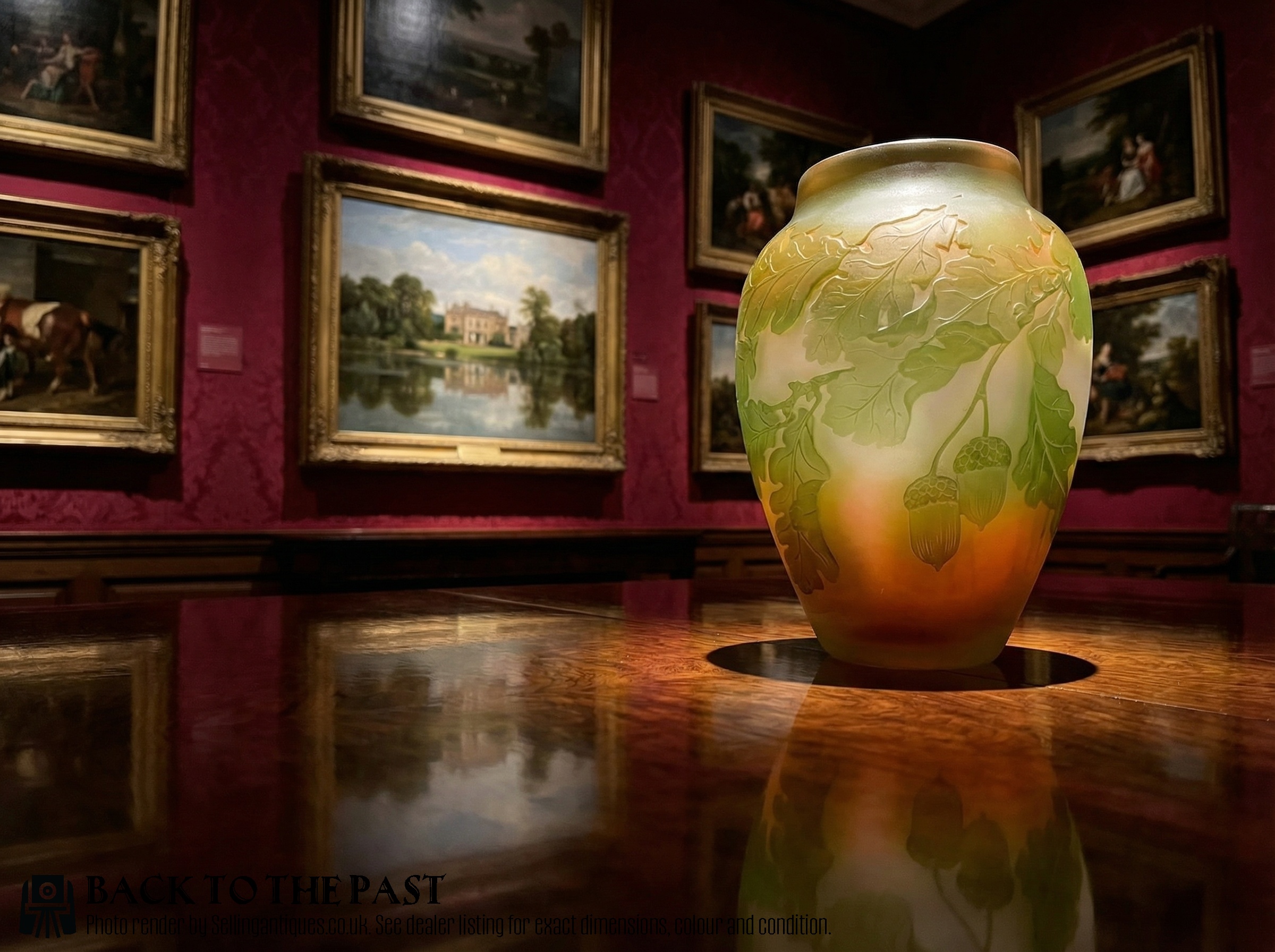
Emile Galle glass comprises decorative glass vessels produced during the early twentieth century, spanning from nineteen hundred through nineteen thirty. The selection centres primarily upon vases in diverse forms, alongside occasional boxes recorded in the archive. These objects showcase distinct botanical and landscape designs executed within the Art Nouveau style.
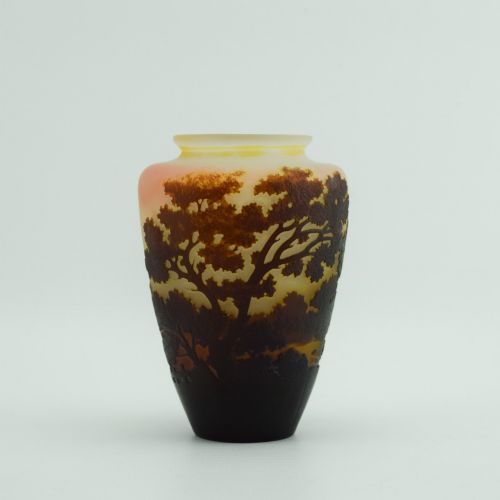
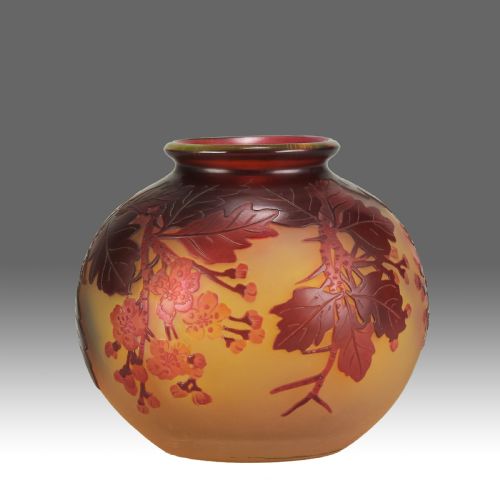
Botanical subjects dominate the output, featuring specific floral and plant depictions such as cornflowers, poppies, hydrangeas, honeysuckle, and ferns. Aquatic scenes and natural landscape views, including Vosges landscape motifs, also appear frequently across the pieces. Most items date from nineteen hundred to nineteen twenty, representing the height of this glassmaking tradition.
How they were made
Makers utilised blown glass as the foundational substrate, shaping molten material into vases and boxes before applying further decorative techniques. Cameo glass methods involved layering different coloured glass to build depth and contrast within the material. Acid-etched glass and etched glass processes then removed surface layers to reveal intricate designs such as flowers, leaves, and landscapes.
Frosted glass treatments provided subdued background textures, while specific variations included fire polished finishes and soufflé or blow-out techniques. These combined methods allowed craftsmen to achieve subtle tonal transitions in shades ranging from brown and peach to orange and delicate floral hues.
Object forms seen in the evidence are strictly limited to vases and boxes spanning four decades from nineteen hundred to nineteen thirty.
What varies in quality
Quality in this glass depends upon the precision of the cameo layering and the depth achieved through acid etching. Superior examples display clear definition between the foreground motifs and the background field, creating a convincing sense of perspective in landscape and floral subjects. The handling of colour transitions, particularly in complex pieces like the soufflé or landscape vases, distinguishes finer workmanship from simpler production.
The complexity of the subject matter and the crispness of the execution dictate the standing of an individual vessel. Well-defined botanical elements and balanced compositional arrangements indicate higher grade output, whereas heavier or less articulated etching yields a flatter visual result.
Emile Galle
The Emile Galle Glass Glossary
- Cameo Glass
- A form of glass created by fusing multiple layers of different colours and then carving or etching away portions to reveal the design. This technique produces high contrast relief decoration across the surface.
- Acid-Etched Glass
- Glass decorated by applying acid to eat away exposed areas while protecting the design elements with a resistant substance. It allows for controlled depth and frosted textural effects.
- Frosted Glass
- Glass treated to impart a matte, non-translucent finish across its surface. This texture often serves as a neutral background to highlight coloured cameo motifs.
- Blown Glass
- Glass shaped by inflating molten material gathered at the end of a blowpipe. This foundational method forms the primary hollow body of vases and boxes before etching.
- Art Nouveau
- An international decorative style characterised by organic forms, sinuous lines, and botanical inspiration. This aesthetic defines the overarching visual language of the period.
Emile Galle Glass: Frequently Asked Questions
What periods do these pieces date from?
The available items and archive records span the early twentieth century, specifically covering the decades from nineteen hundred to nineteen thirty.
Most examples concentrate around nineteen hundred, nineteen ten, and nineteen twenty, aligning with the core Art Nouveau production era.
What object types are available?
The selection consists almost entirely of vases in various forms, including banjo shapes, footed vessels, crescent designs, and large floral formats.
Historical archive records also note occasional boxes produced in the same glassmaking style.
What motifs appear on the glass?
Designs draw heavily from nature, featuring specific botanical subjects like cornflowers, poppies, hydrangeas, clematis, and aquatic iris.
Landscape views, including specific regional depictions such as the Vosges landscape, also form a significant portion of the decorative repertoire.
How do acid-etched and cameo techniques differ?
Cameo glass refers to the multi-layered material construction where different coloured glass sits one atop another.
Acid etching is the specific chemical process used to cut through those layers and reveal the intended floral or landscape design.