




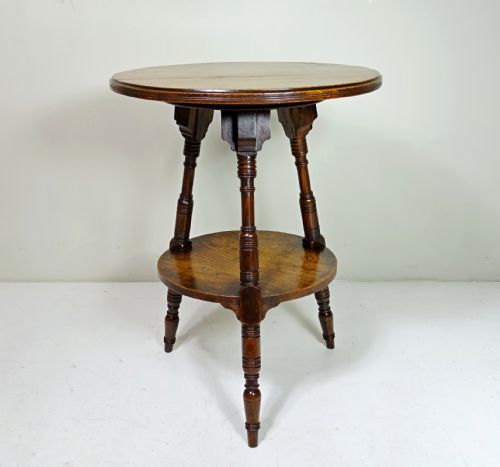
Elm Tripod Table
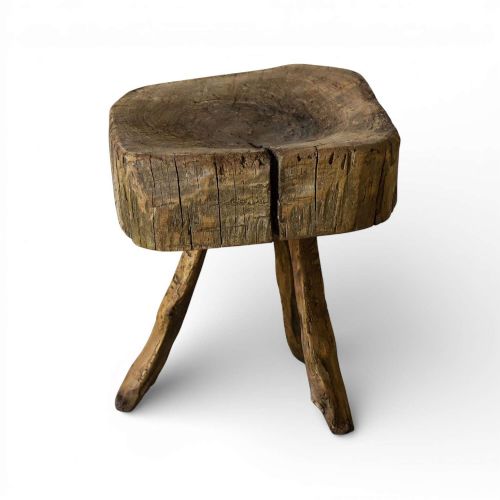
An elm tripod table brings organic grain and honest country character to a room, functioning as a nimble occasional surface.
Elm Tripod Table
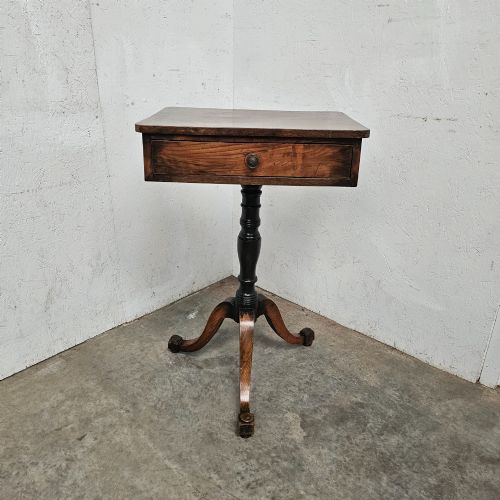
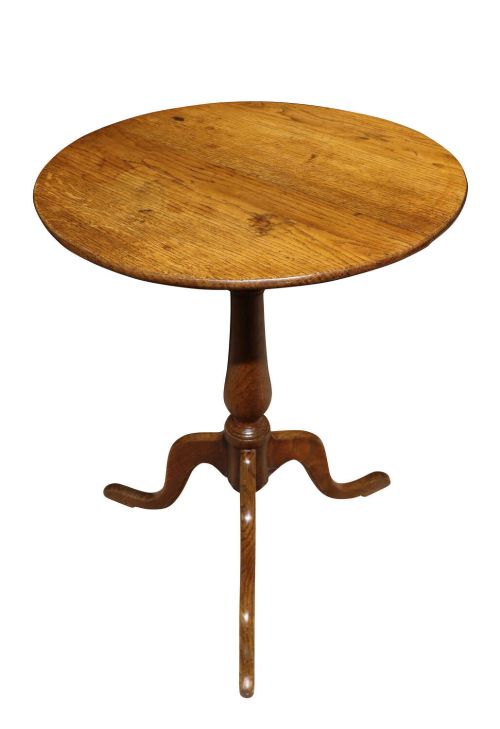
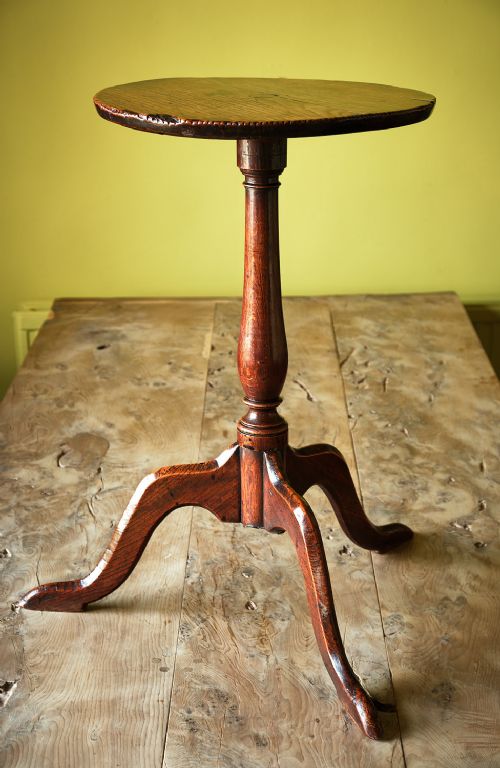
An elm tripod table is a sturdy small-scale piece designed for domestic utility, most commonly found originating from the Georgian period or the nineteenth century. These items appear primarily as wine tables, lamp tables, or occasional stands supported by a central pillar and three legs.
Makers often combined elm with oak for structural stability, utilising the tough, interlocking grain of elm for the top while employing oak for the base and legs. Plain boards sit alongside figured burr elm examples, reflecting both simple vernacular workshops and more refined country houses.
Materials and construction
Craftsmen selected native timbers for resilience, turning central pillars on lathes and shaping legs to support the central weight. Tops frequently utilised single solid boards of elm, which resists splitting due to its twisted grain, mounted on tilting mechanisms or fixed blocks.
Secondary timbers such as oak frequently provide the underlying framework for tripod bases, while brass catches or rosewood cross-banding appear on select tilt-top specimens. Surfaces finished with wax highlight the natural warmth and varied figure of the timber.
Judging quality and proportion
Quality rests in the balance of the proportions, the depth of the timber's figure, and the integrity of the original joints. Burr elm tops with rich figuring and rich colour elevate a piece above standard plain domestic boards.
The sophistication of the tripod base dictates the calibre, ranging from simple peg-joined vernacular legs to finely turned pillar supports with pad or snake feet. Original tilt mechanisms and untouched surfaces maintain the historical integrity of the piece.
Anthony Salvin
The Elm Tripod Table Glossary
- Tripod table
- A small occasional table supported by a central pillar resting on three legs. This format gained widespread popularity during the eighteenth century for tea service or candle lighting.
- Burr elm
- A woody growth on an elm tree that produces intricate, swirling grain patterns. Cabinet makers prized this figured wood for decorative table tops.
- Tilt-top table
- A table fitted with a catch allowing the top to pivot to a vertical position when not in use. This mechanism saved domestic floor space in smaller rooms.
- Pad foot
- A rounded, swelling foot resting flat on the floor at the base of a cabriole or straight leg. It provides stable contact without heavy carving.
- Cricket table
- A small round table with three legs, traditionally braced by a triangular shelf beneath. The design offered stability on uneven flagstone floors.
Elm Tripod Table: Frequently Asked Questions
What was an elm tripod table used for?
These tables served flexible domestic purposes, holding candles, tea services, or small reading lamps beside seating areas. Their portability allowed servants to move them easily about the house.
Later Victorian examples continued this tradition of convenience, acting as display surfaces for decorative objects in drawing rooms and parlours.
How do I spot a Georgian elm tripod table?
Georgian examples typically display hand-turned central pillars, pegged tenon joints, and rich patination developed through centuries of daily use. Plain or burr elm tops are often secured to birdcage or tilt-top mechanisms.
Construction details such as hand-cut dovetails and shrinkage cracks in the timber indicate genuine eighteenth-century age rather than later reproduction work.
How do I care for an antique elm table?
Keep wooden tables away from direct heat sources and sudden humidity changes to prevent the solid elm top from splitting. Regular applications of traditional beeswax nourish the grain and maintain the protective finish.
Avoid harsh chemical cleaners, relying instead on a soft, dry cloth to remove dust and preserve the historic patina.