
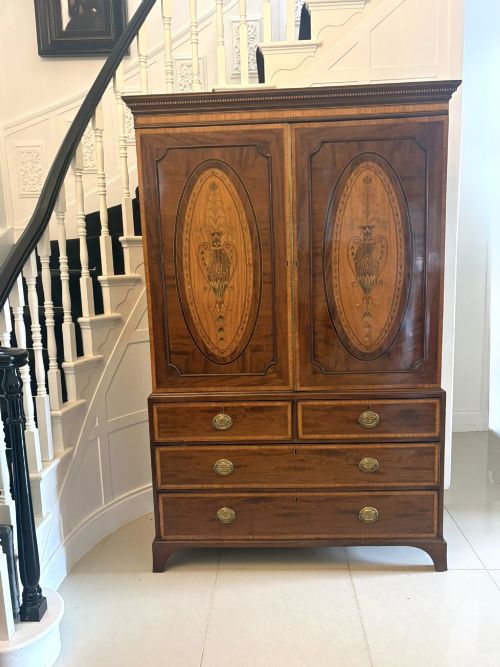
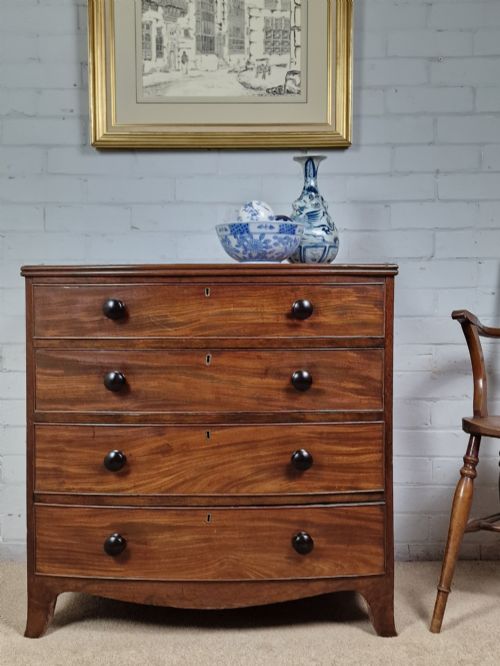
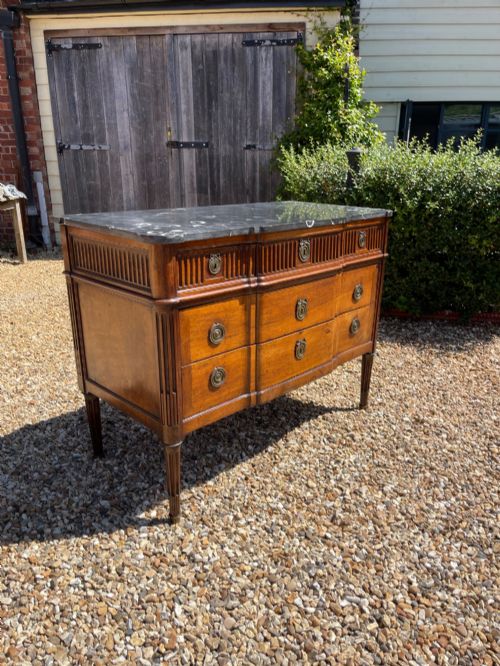


Eighteenth Century Storage Cabinet
An eighteenth century storage cabinet brings tactile warmth and enduring utility to any room, offering generous proportions built to last generations.
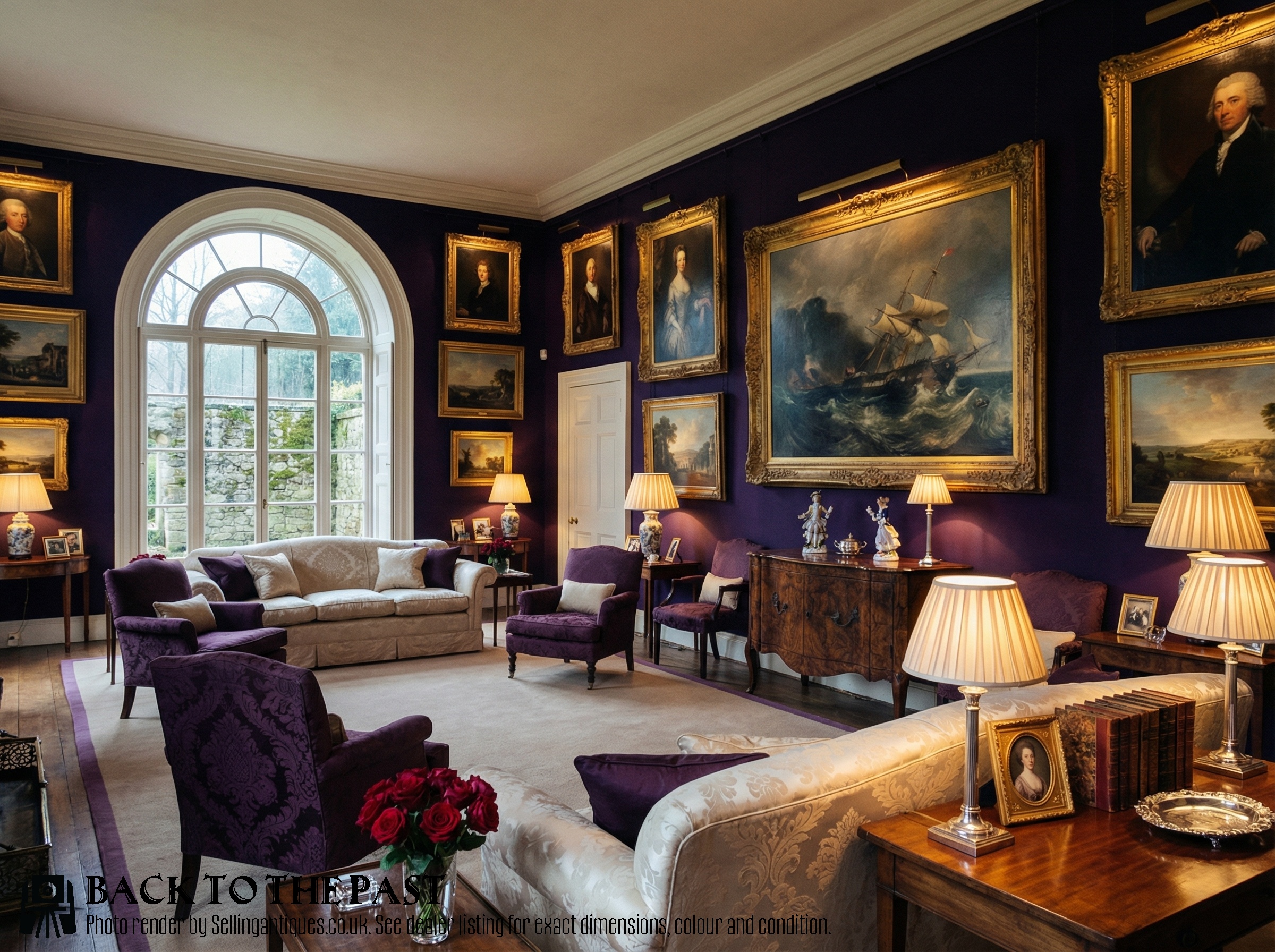
Eighteenth Century Storage Cabinet
When you search for an eighteenth century storage cabinet, you encounter a diverse selection of case furniture designed for domestic organisation. The pieces span regional cupboards, chests of drawers, linen presses, and grand cabinets on chests originating from British, French, and Italian workshops.
The most common versions met on this page are Georgian mahogany and oak pieces, alongside provincial continental fruitwood and walnut commodes. These items served distinct household needs, from storing household linens to housing precious objects behind panelled or glazed doors.
Makers utilised native and imported timbers, pairing robust carcases with refined drawer configurations and architectural cornices. Whether configured as a tall linen press or a low corner cupboard, each form reflects the domestic practicalities of its era.
What varies in quality
The standard of timber selection and veneer matching significantly differentiates examples, with figured walnut, burr timber, or dense mahogany marking out superior commissions. Cabinet makers who invested time in continuous grain patterns across drawer fronts produced visually cohesive furniture.
Hardware and internal construction details also distinguish the range, from heavy cast brass handles and escutcheons to secondary woods used in drawer linings. The precision of the dovetailing and the retention of original feet or cornices define the integrity of surviving pieces.
Listings feature woods including oak, mahogany, walnut, satinwood, cherrywood, fruitwood, and pine alongside marble and iron.
The Eighteenth Century Storage Cabinet Glossary
- Commode
- A low French or continental chest of drawers or cabinet, often featuring curved fronts and decorative mounts.
- Linen Press
- A tall double-door cupboard containing sliding trays or drawers specifically designed for storing folded textiles and garments.
- Cabinet on Chest
- A two-part storage piece featuring an upper display or cupboard section mounted securely upon a lower chest of drawers.
- Dovetail
- A traditional interlocking joint used in drawer construction that provides exceptional tensile strength without metal fasteners.
- Secondary Wood
- The internal timber used for drawer linings, backboards, and carcase partitions, chosen for stability rather than appearance.
Eighteenth Century Storage Cabinet: Frequently Asked Questions
How do I identify a genuine eighteenth century piece?
Examine the construction methods, tool marks on secondary timbers, and the uniformity of the timber ageing. Hand-cut dovetails and naturally oxidised surfaces offer reliable indicators of period manufacture.
Compare the hardware fixings and timber shrinkage patterns against known examples from the Georgian or provincial continental traditions.
How should I care for antique timber furniture?
Maintain stable indoor humidity and temperature levels to prevent the solid timber and veneers from splitting or warping. Avoid placing pieces in direct sunlight or near direct heat sources.
Apply a microcrystalline wax periodically to nourish the surface and protect the finish without building up excessive residue.
Where were corner cupboards placed in period homes?
Corner cupboards were designed to fit neatly into unused room angles, maximising floor space while providing display or storage capacity. Hanging variants were secured directly to wall studs, whilst standing versions anchored themselves.
They frequently housed dining china or glassware in reception rooms and parlours.