


Eighteenth Century Oil Artwork
Eighteenth century oil artwork brings home the rich pigment, layered canvases and dramatic light of the period.
Eighteenth Century Oil Artwork
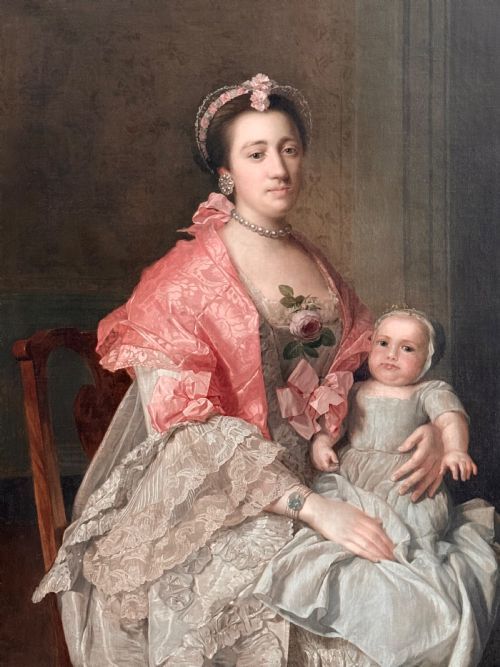
An eighteenth century oil artwork captures the subjects and palettes favoured during the Georgian era, ranging from intimate portraits to detailed still life compositions. Buyers searching this phrase seek genuine period pieces that carry the authentic brushwork and patina of their time.
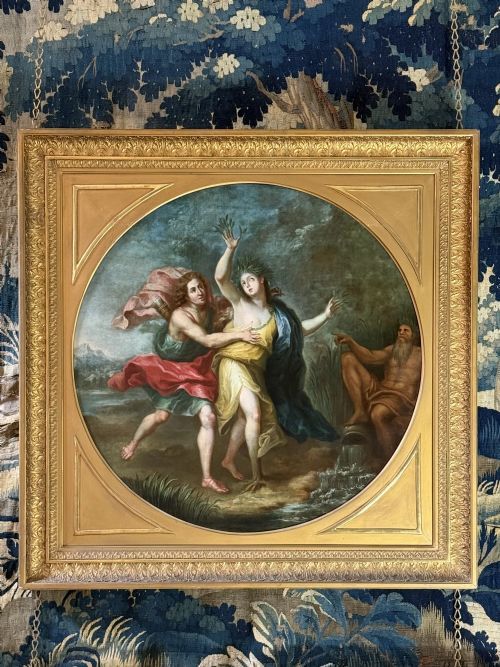
The selections available here lean towards classical portraits, floral and fruit still life arrangements, and mythological scenes. Canvas and wood panel formats predominate, offering a tangible connection to the painters of the past.
Materials and construction
These works are built on prepared canvas or wood panels using traditional oil paint mixed with rich pigments. Artists layered glazes to achieve depth and luminosity, particularly evident in the depiction of fabrics and skin tones.
Frames play an integral role in the physical structure of these pieces, frequently utilising gesso and gold leaf over carved giltwood. The combination of oil paint and robust wooden supports ensures these works survive across centuries.
One double-sided painting leaves you wondering if the previous owner grew tired of saints and simply flipped the canvas.
Assessing quality
Quality rests upon the confidence of the brushwork and the anatomical or botanical precision of the subject matter. Superior examples demonstrate a careful handling of light and shadow that creates a convincing sense of volume and presence.
The condition of the painted surface and the originality of the mounting frame influence the standing of a piece. Works that retain their untouched pigment layers and period framing stand apart from those with extensive overpainting.
Charles-Antoine Coypel·Jean-Baptiste Joseph Pater·Bartolomeo Schedoni·Dean Wolstenholme·Nathaniel Hone·John Raphael Smith
The Eighteenth Century Oil Artwork Glossary
- Grisaille
- A painting executed entirely in shades of grey or neutral monochrome. This technique was often used to imitate sculpture or as an underpainting for coloured glazes.
- Gesso
- A plaster-like mixture applied to wood panels or frames to create a smooth surface for painting or gilding. It provides a stable base for the application of gold leaf.
- Camaieu bleu
- A monochromatic painting rendered in shades of blue. It creates a striking decorative effect distinct from traditional sepia or grey monochrome.
- Giltwood
- Wood carved and coated with gold leaf or a gold-coloured finish. It frames and elevates the visual impact of oil paintings from the period.
Eighteenth Century Oil Artwork: Frequently Asked Questions
How do I care for an old oil painting?
Keep the artwork away from direct sunlight and sudden temperature shifts to protect the canvas and pigment. Maintain a stable room environment to prevent the wood and gesso from cracking.
Dust the surface gently with a soft, dry brush and avoid using any liquid cleaners on the paint. Professional conservation should be sought if the canvas requires cleaning or repair.
What subjects are common in these paintings?
Portraits of gentlemen and ladies form a large part of the available works, often recording specific individuals from the period. Still life compositions featuring fruit, flowers and religious or mythological themes also appear frequently.
Artists frequently drew inspiration from classical mythology and domestic country house life. Each subject offers a window into the aesthetic priorities of the era.
How can I tell the age of the canvas?
Examine the reverse of the canvas or wood panel for signs of age, such as oxidisation, handmade stretchers and historical labels. The weave of the fabric and the type of preparation ground used provide clues to the period.
Craquelure across the oil paint surface develops naturally as the medium ages and hardens over decades. Specialist knowledge helps distinguish genuine age-related cracking from modern artificial ageing.
Where were these artworks originally displayed?
These paintings typically hung in the panelled reception rooms and long galleries of country houses. They served both as family records and as displays of the owner's cultural interests.
Smaller miniature works were often kept in private studies or intimate chambers for close contemplation. Their frames were designed to complement the interior architecture of Georgian homes.