


Rococo Period Oil Painting
A rococo period oil painting brings the playful elegance and soft palette of the eighteenth century directly into a room.
Rococo Period Oil Painting
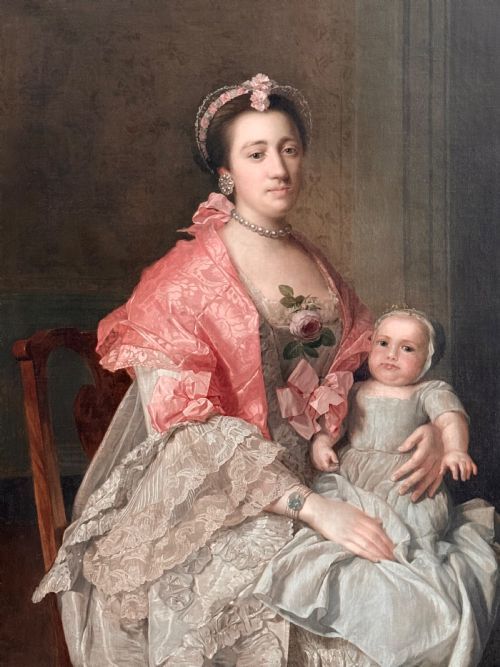
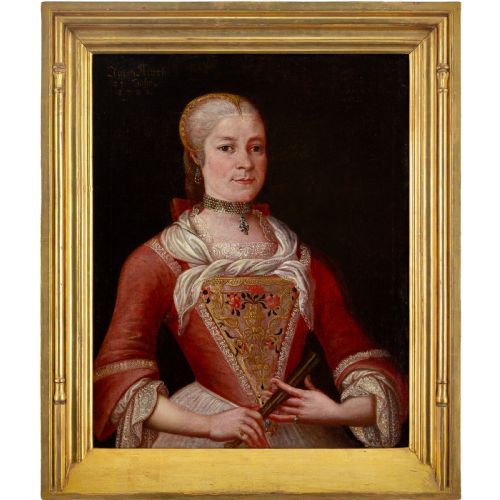
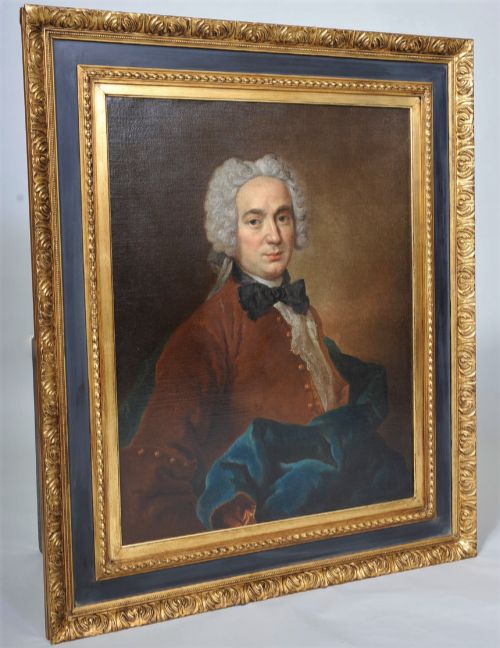
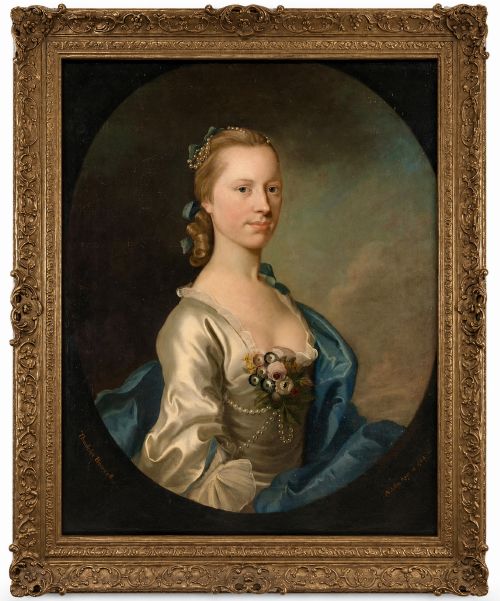
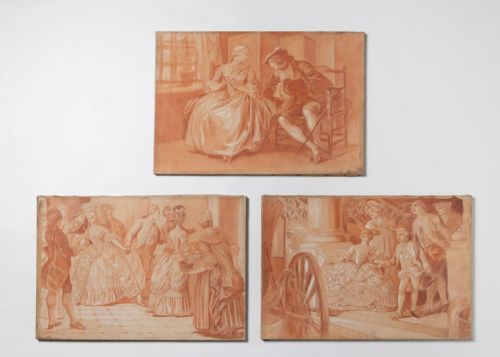
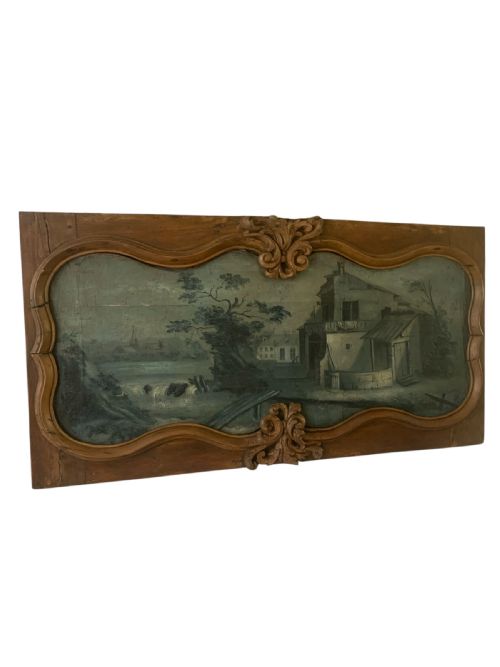
When you search for a rococo period oil painting, you encounter works that capture the ornate, theatrical spirit of the mid-eighteenth century. The most common examples on this page are portraits of ladies and gentlemen, alongside architectural overdoor panels, genre interior scenes, and trumeau mirrors.
Many of these pieces date from the eighteenth century, featuring depictions of aristocratic subjects in fine silk dresses, powdered wigs, and elaborate coats. You will also find later revivals from the nineteenth and twentieth centuries that imitate the playful poses and rich interior settings of Versailles and Paris.
The subjects often engage in leisurely pursuits, such as playing chess, taking afternoon tea, or holding a pet bird. These paintings function both as historical records of fashion and as decorative elements designed to complement ornate interior schemes.
Materials and construction
These works are executed in oil paint, predominantly upon woven canvas, though occasional examples are painted directly onto copper supports. The pigments are layered to achieve soft flesh tones and luminous textures in fabrics like silk, silver, and satin.
Many of these paintings are housed within their original or period-appropriate giltwood frames, gilded wood mounts, and painted trumeau mirror surrounds. The frames utilise carved wooden mouldings finished with gold leaf to enhance the decorative impact of the artwork.
Aristocratic sitters are frequently immortalised alongside small companion animals, including pet birds and dogs.
Judging the work
The sophistication of the supporting woodwork also distinguishes the pieces, particularly where canvas meets carved giltwood frames or integrated architectural panels. Superior works maintain a harmony between the painted surface and its decorative surround.
Jeremiah Davison·Henry Pickering·Allan Ramsay·Pierre Gobert·Christian Lindner·Francois Boucher·Philip Mercier·Nathaniel Hone·Joseph Highmore·Francis Hayman R.A.
The Rococo Period Oil Painting Glossary
- Rococo
- An artistic style originating in France characterised by lightness, elegance, and the use of scrolling curves and natural motifs. It dominated European art and architecture during the mid-eighteenth century.
- Trumeau mirror
- A decorative wall mirror incorporating a painted or carved panel above the glass plate. These architectural elements were frequently integrated into eighteenth-century interior wall panelling.
- Genre painting
- A style of art depicting scenes from everyday life, ordinary people, or courtiers engaged in domestic activities rather than grand historical or mythological subjects.
- Giltwood
- Wood that has been coated with a thin layer of gold leaf or powder. It provides a reflective, ornate border common in period frames and mirrors.
- Overdoor panel
- A decorative painting or relief designed to be mounted directly above a doorway within a formal interior. These works often match the surrounding architectural woodwork.
Rococo Period Oil Painting: Frequently Asked Questions
What subjects appear in these paintings?
The works primarily feature portraits of aristocratic ladies and gentlemen dressed in silks and powdered wigs. You also find genre scenes of courtiers at leisure in domestic interiors.
Animals, musical instruments, and symbolic objects like spinning tops occasionally accompany the human figures in these compositions.
Are all these paintings from the eighteenth century?
While many pieces originate from the eighteenth century, the selection also includes later nineteenth and twentieth-century revivals. These later works deliberately copy the style and subject matter of the earlier rococo period.
Examining the canvas preparation, stretcher frames, and pigment composition helps determine whether a work is an original period piece or a later interpretation.
Why are some paintings on copper?
Painting on copper was a technique valued for providing an exceptionally smooth, non-porous surface that allowed artists to achieve fine detail and luminous colour retention. This support was particularly favoured for smaller cabinet paintings.
The metal backing protects the oil paint from certain types of degradation associated with woven canvas supports over long periods.