
Classic Fine Art Portrait
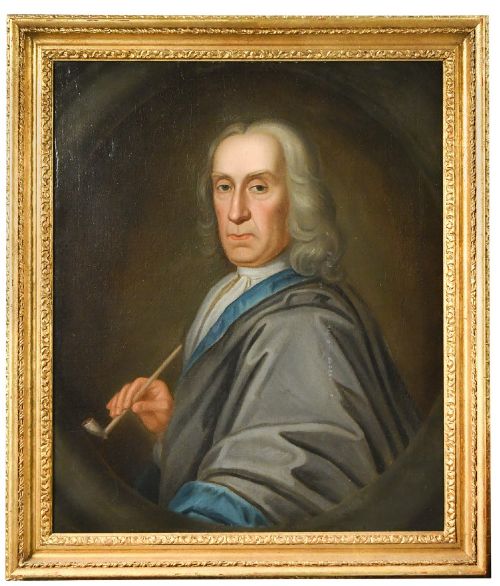
A classic fine art portrait brings centuries of character into a room through oil on canvas and wood panels.
Classic Fine Art Portrait
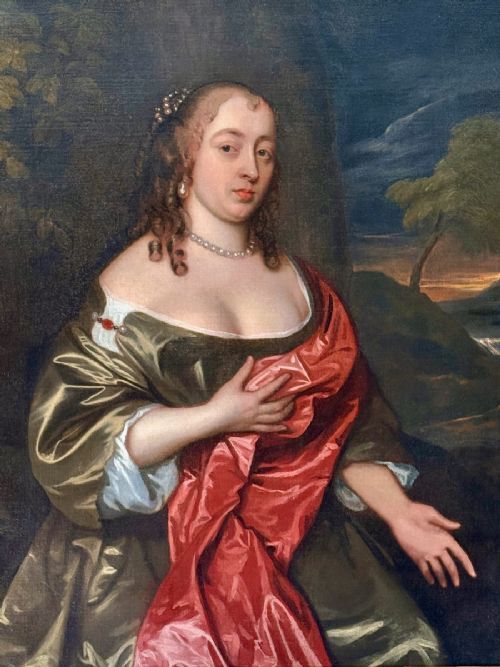
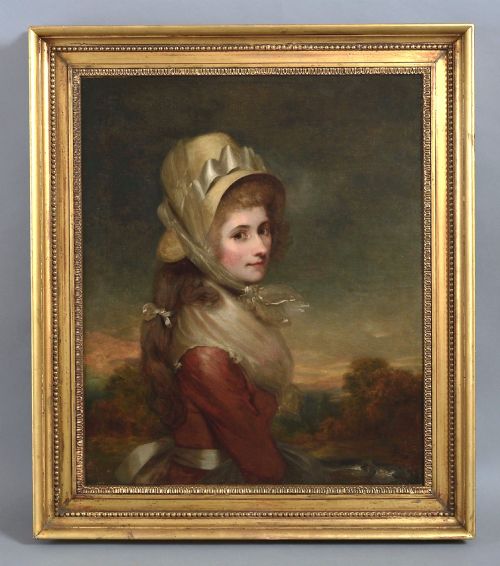
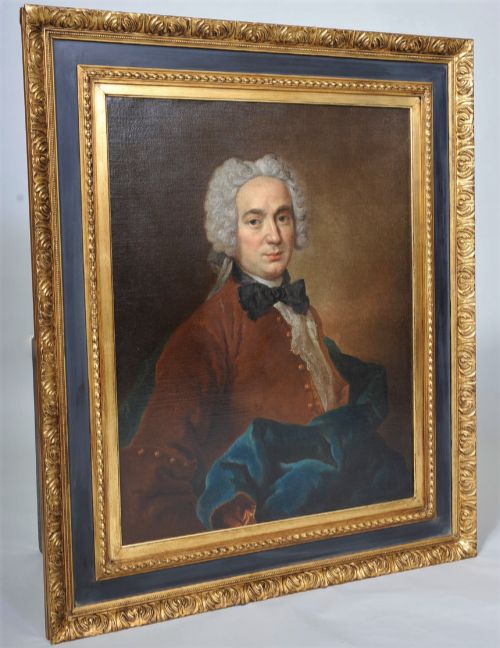
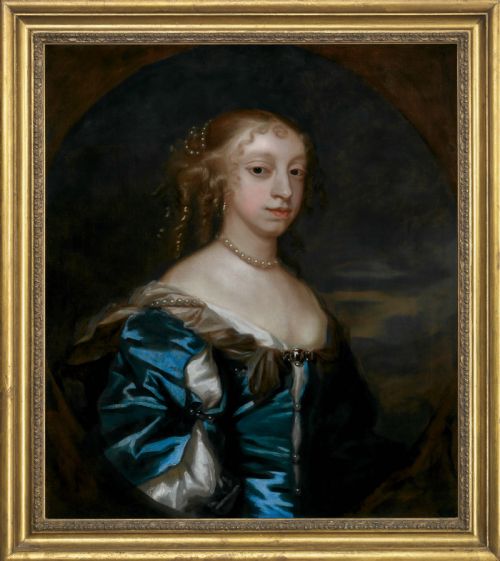
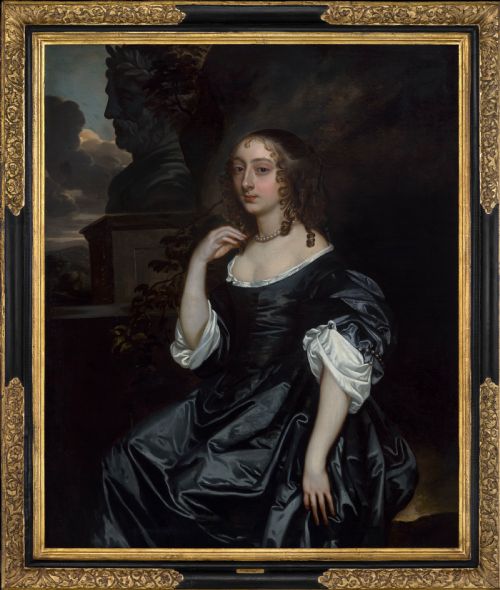
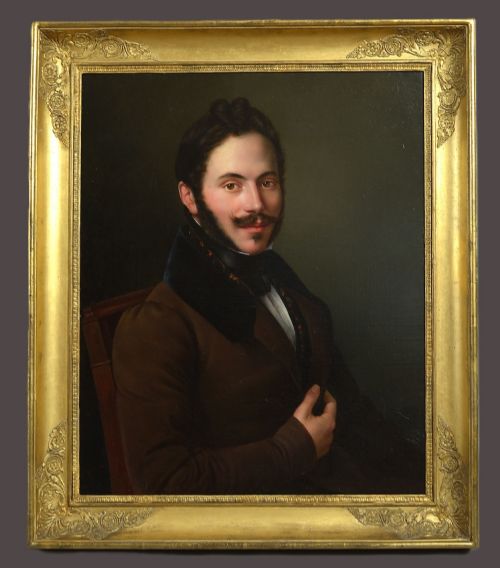
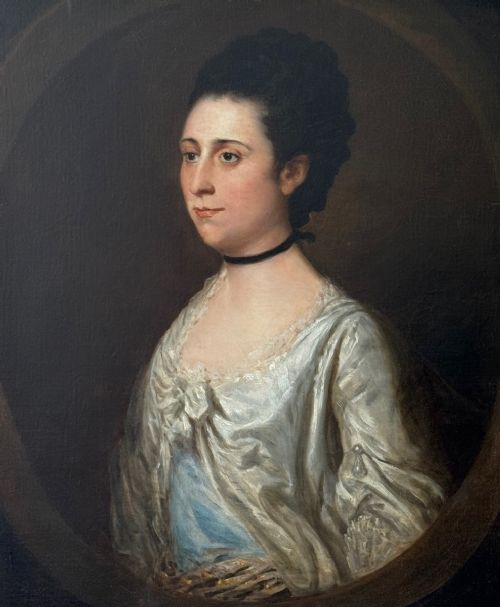
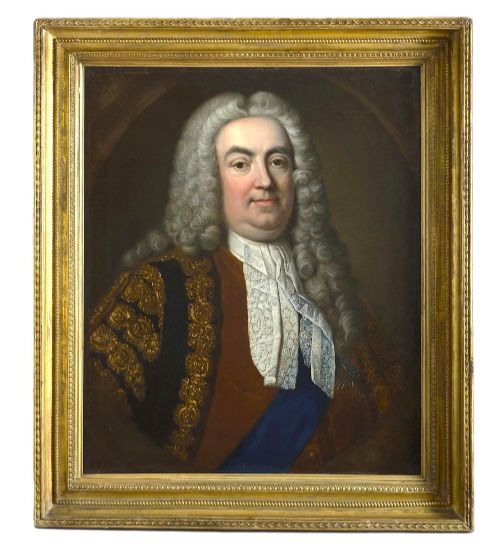
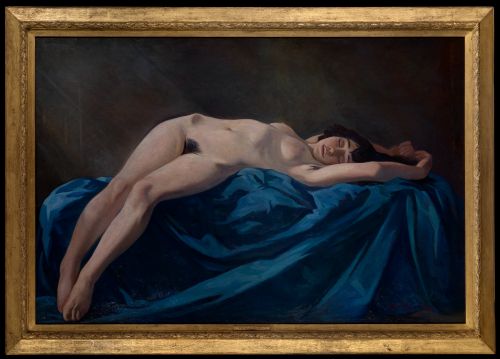
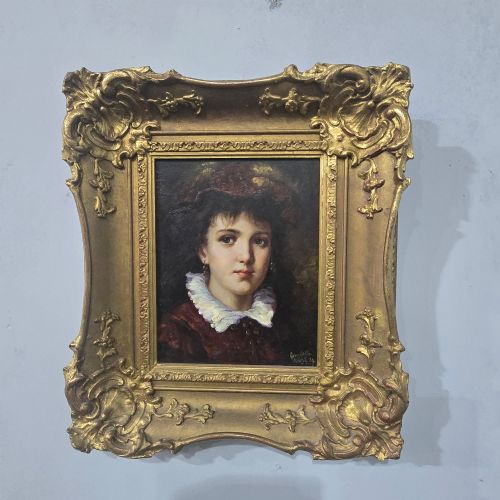
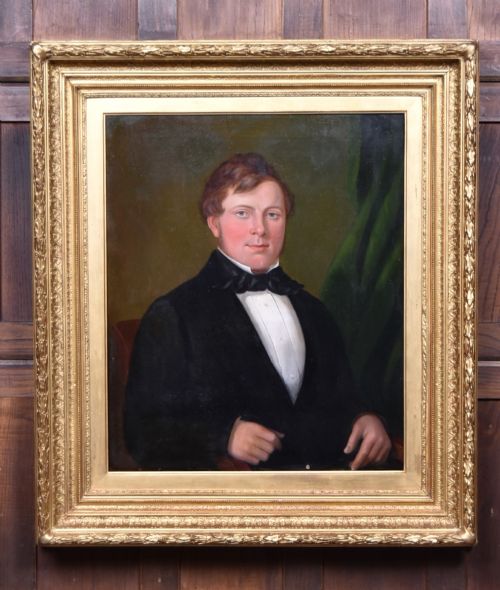
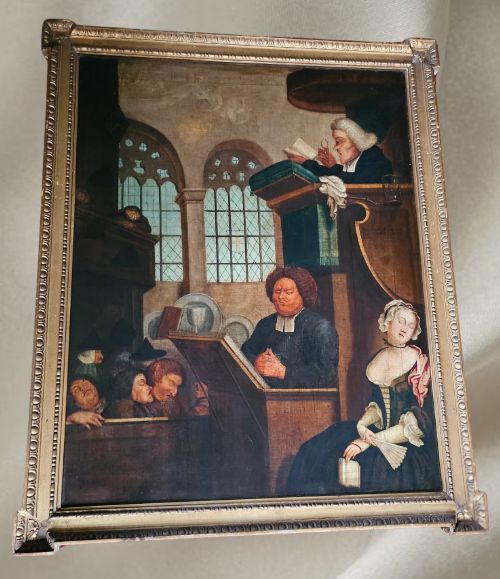
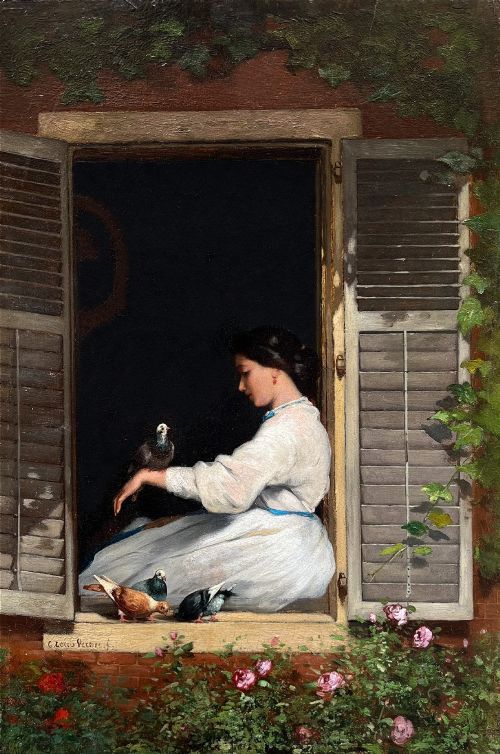
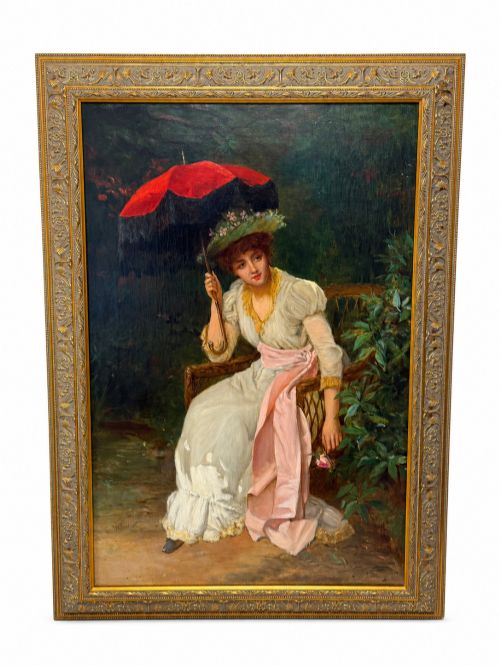
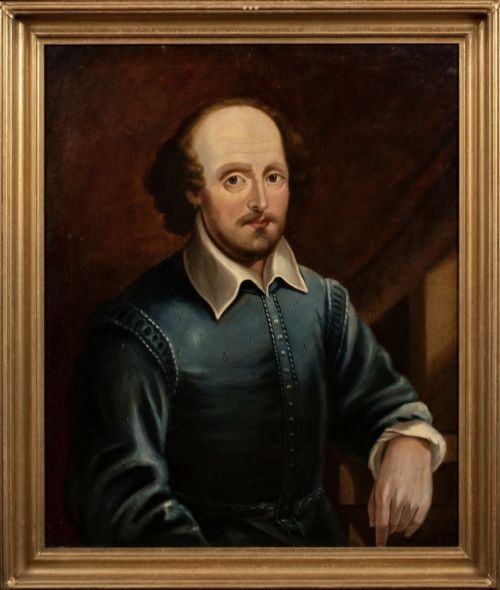
When searching for a classic fine art portrait, buyers encounter oil paintings and drawings depicting sitters from the seventeenth century onwards. These works range from seventeenth-century Dutch school oils to nineteenth-century canvases and twentieth-century depictions.
Materials and construction
Works in this category rely primarily on oil paint applied to canvas or wood panels, framed with giltwood or gilded wood surrounds enhanced by gold leaf. Painters built depth through layered pigment, sometimes employing pastels or gouache on paper for preparatory studies.
Support structures include stretched canvas secured to wooden frames and solid wooden boards. Frames often feature decorative moulding reflecting the period of the artwork, from baroque carvings to nineteenth-century gilt flourishes.
Listings feature works spanning the seventeenth century through to the 1960s, executed primarily in oil on canvas.
Distinguishing quality in portraiture
Quality rests upon the precision of brushwork, the psychological depth conveyed in the sitter's expression, and the anatomical accuracy of the hands and face. Master painters capture light and fabric texture with conviction, whereas lesser works rely on formulaic drapery and stiff postures.
Condition of the pigment layer and the originality of the mounting also differentiate pieces. Retaining the period frame and avoiding aggressive overpainting preserves the integrity of the object.
JOHN HAYLS·Sir Martin Archer Shee·Sir Peter Lely·Edouard Pingret·THOMAS BEACH·Jean Baptiste Van Loo·Eric Robertson·Jonny Gaston·William Hogarth·Louis Charles Verwee·William Oliver·Thomas Spinks·Nicolaes Maes·Bertram Priestman·Howard Barron·Sir Winston Churchill·Rembrandt van Rijn·Louis William Desanges·Sir Thomas Lawrence·Frank Moss Bennett·Giovanni Battista Moroni·Franz Xaver Winterhalter
The Classic Fine Art Portrait Glossary
- Oil on Canvas
- Pigment mixed with drying oil applied to a woven fabric support. This combination allowed artists to blend tones smoothly and work on a large scale.
- Giltwood
- Wood carved and covered with a thin layer of gold leaf or gold paint. It provides reflective framing that complements dark oil palettes.
- Studio of
- A term indicating the work was produced by assistants or pupils under the supervision of a master artist. It reflects the workshop practices of earlier centuries.
- Ruff
- A projecting pleated collar popular in European fashion during the late sixteenth and early seventeenth centuries. Its presence helps date early portraits.
- Attributed to
- A designation used when an artwork shows the style of a specific maker but lacks definitive documentation. Experts use this when stylistic evidence points strongly to a particular hand.
Classic Fine Art Portrait: Frequently Asked Questions
How do I date an antique portrait?
Dating relies on the sitter's costume, hairstyle, and the construction methods of the canvas and stretcher frame. Portrait fashion changed rapidly across the seventeenth, eighteenth, and nineteenth centuries.
Examining the pigments and the style of the giltwood frame also offers reliable clues to the decade of creation.
What is the difference between an oil painting and a pastel portrait?
Oil paintings use suspended pigment in drying oil on canvas or wood, offering durability and rich colour blending. Pastel works utilise powdered pigment sticks on paper, requiring protective glass.
Pastels tend to capture a softer texture but are more delicate and sensitive to environmental changes.
Where should I hang a large oil portrait?
Large oil portraits require stable wall spaces away from direct sunlight and heat sources to protect the canvas and wood. Placing them in principal rooms or hallways echoes their historical placement in country houses.
Ensure the wall fixings can support the weight of heavy giltwood frames.
What does studio attribution mean?
Studio attribution indicates that a painting was executed in the workshop of a recognised master, often with the master's direct oversight or participation. These works reflect the techniques and style of the principal artist.
Such pieces offer an accessible alternative to fully signed works by major historical names.