



British Georgian Portraiture Artwork
British georgian portraiture artwork brings face to face the royals, nobles and notable figures of the eighteenth and nineteenth centuries through oils and engravings.
British Georgian Portraiture Artwork
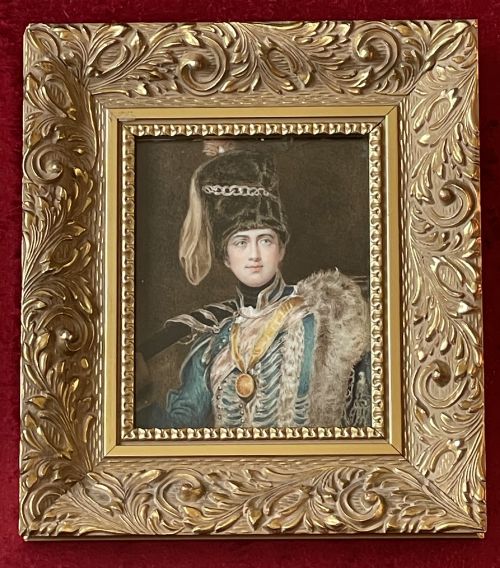
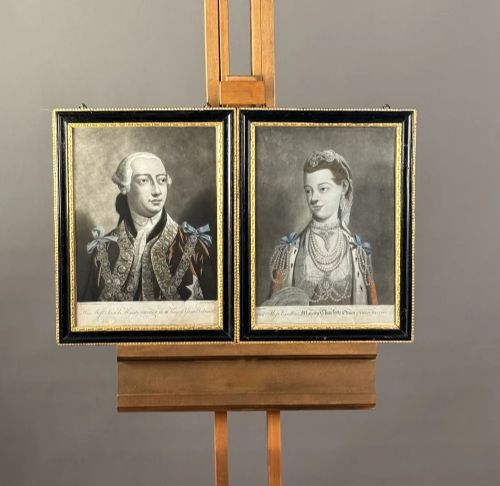
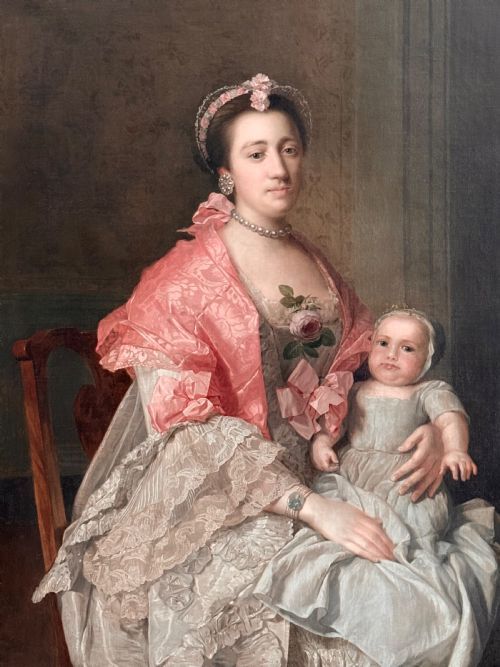
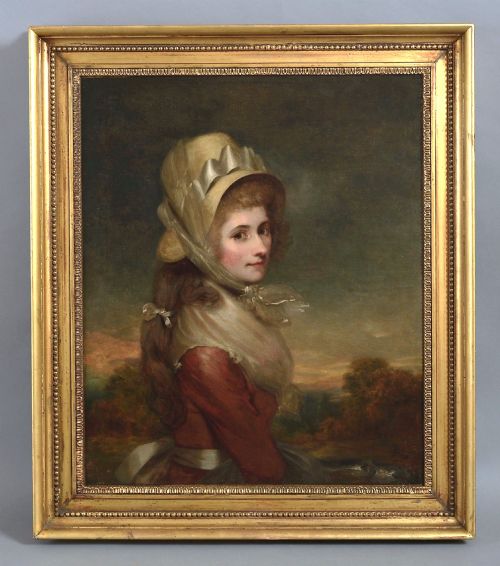
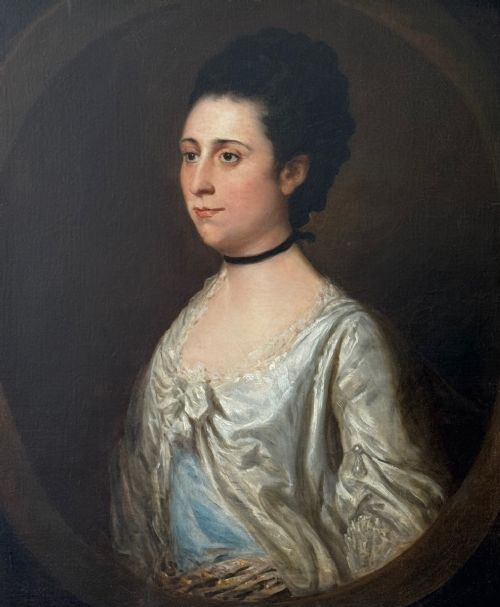
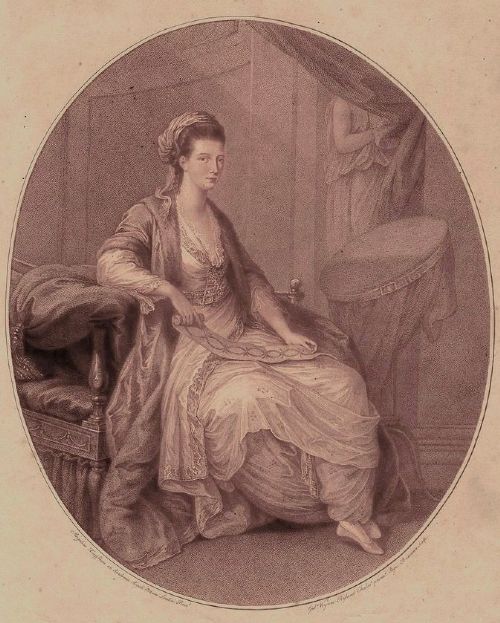
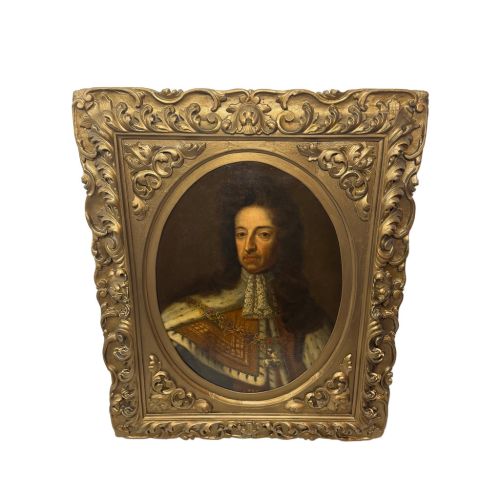
When you examine british georgian portraiture artwork, you encounter painted and printed likenesses spanning the eighteenth century, the regency era and the nineteenth century. These pieces record sitters ranging from royalty and lords to ministers, artists and private gentlefolk.
The objects take the form of oil paintings on canvas, portrait prints, mezzotints and engravings housed in wood, glass and gilt wood frames. Works emerge from named artists, studio circles and regional schools active across the period.
Materials and construction
Painters applied oil pigments directly to stretched canvas surfaces, while printmakers produced mezzotints and engravings on paper using ink plates. Frames combined wood construction with glass protection and applied gilt finishes.
Makers shaped these compositions using traditional eighteenth and nineteenth-century studio practices, maintaining distinct hand-painted or printed methods depending on whether the piece is an oil painting or a paper print.
British Georgian Portraiture Artwork Retail Price Guide 2026
Typical asking prices for british georgian portraiture artwork among the pieces listed under this phrase on Sellingantiques today, from the lower quarter to the upper quarter. They describe what is for sale here now, not the wider market.
Materials recorded across these listings include oil on canvas, paper, wood, ink, gilt wood and glass.
Assessing quality
Superior examples within british georgian portraiture artwork demonstrate assured brushwork, anatomical proportion and expressive depth in the sitter's face and hands. Weaker pieces display stiffer execution, flat lighting and formulaic drapery typical of lesser studio assistants or provincial copyists.
The distinction between a major studio work and a minor output rests on the artist's handling of pigment, the preservation of the original canvas or paper support, and the integrity of the period frame.
Thomas Frye·Richard Purcell·Thomas Beach·Sir Allan Ramsay·Sir Martin Archer Shee·John Russell R.A.·Thomas Gainsborough·Enoch Seeman·George Richmond·Samuel Drummond·Thomas Jones Barker·John Raphael Smith·Henry Wyatt·Francis Alleyne·Lemuel Francis Abbott·Francis Hayman R.A.
The British Georgian Portraiture Artwork Glossary
- Mezzotint
- A printmaking process where the copper plate is roughened to achieve rich tones and subtle gradations of light and shade.
- Canvas
- A heavy woven fabric stretched over a wooden frame to provide the primary support for oil paintings.
- Regency
- The stylistic period spanning the early nineteenth century defined by neoclassical refinement in British art and design.
- Gilt wood
- Timber carved and coated with a thin layer of gold leaf or metallic powder, commonly used for period picture frames.
British Georgian Portraiture Artwork: Frequently Asked Questions
What periods do these portraits cover?
The selections span the eighteenth century, the regency era and the victorian nineteenth century.
Works capture changing artistic conventions from the georgian era through to later nineteenth-century portraiture.
Are these works painted in oil?
Many examples consist of oil paintings executed on canvas supports.
Other works take the form of paper prints, mezzotints and ink engravings.
How should I hang these artworks?
Display portraits away from direct sunlight and damp environments to protect the canvas, paper and gilt wood frames.
Ensure wall fixings securely support the weight of the timber stretcher and heavy frame.
Who are the sitters in these portraits?
Portraits depict monarchs, peers, military commanders, ministers and private individuals of the period.
Subjects range from royal figures like King George III to regional clergymen, merchants and gentlefolk.