

Rococo Gilt Frame Painting
When you search for a rococo gilt frame painting, you are seeking the exuberant scrollwork and gilded warmth that define 18th-century European portraiture and interior decoration.
Rococo Gilt Frame Painting
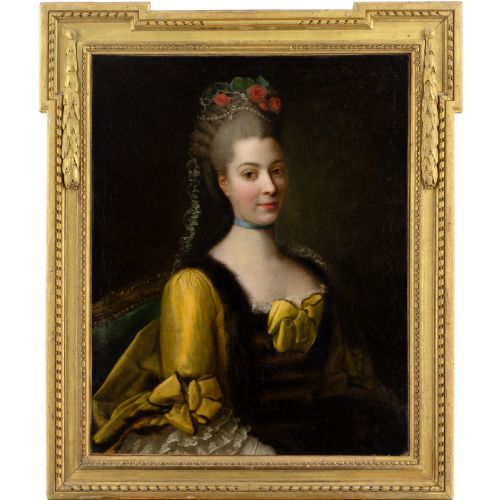
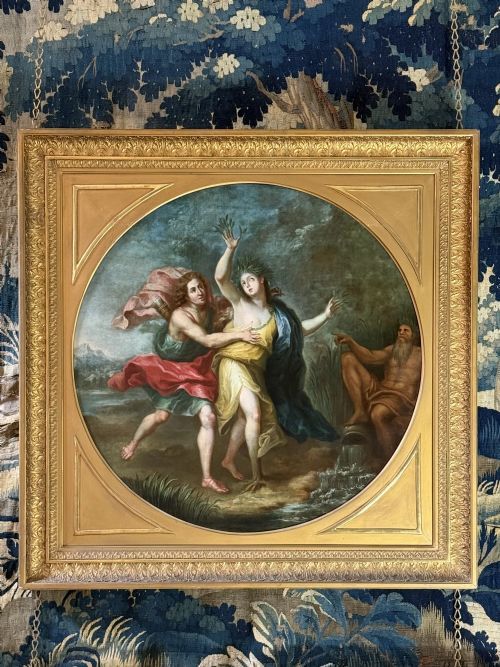
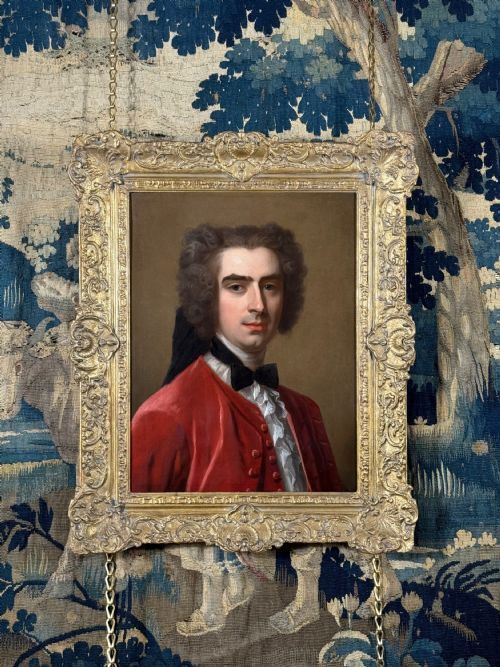
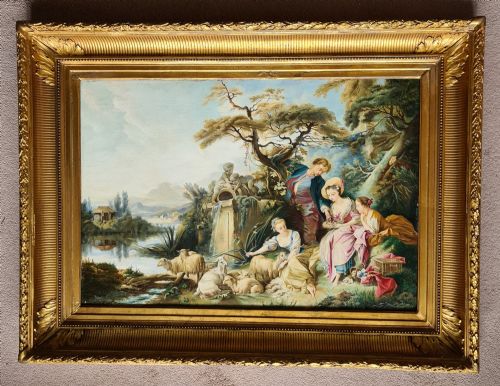
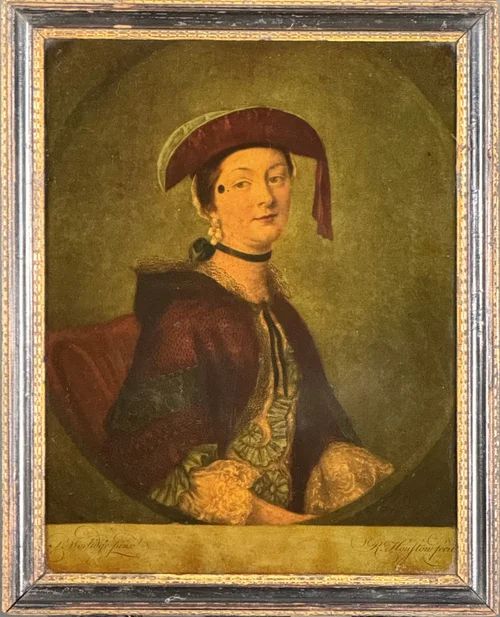
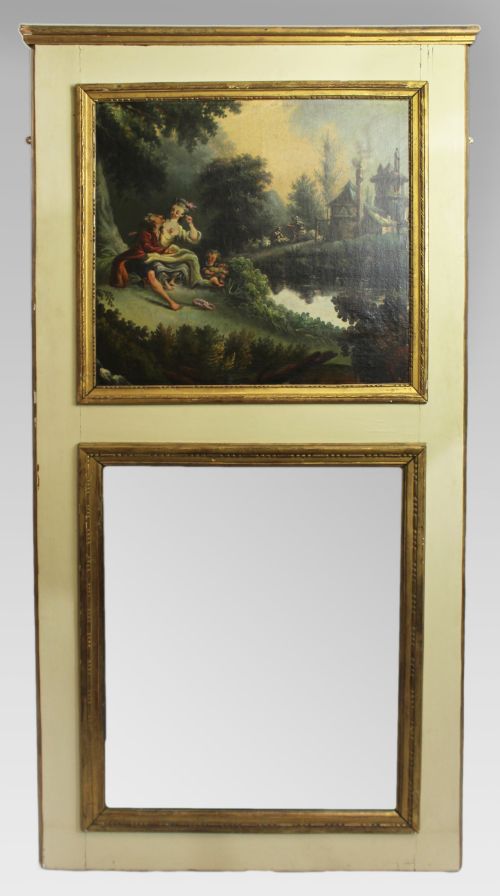
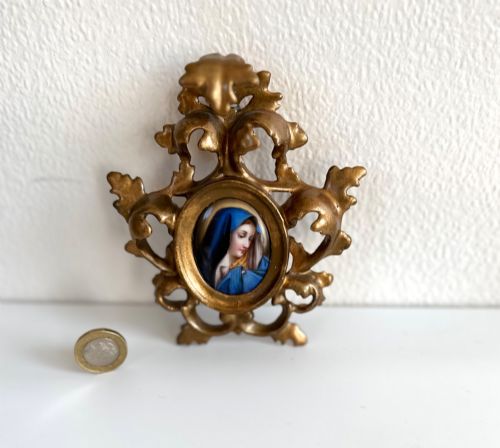
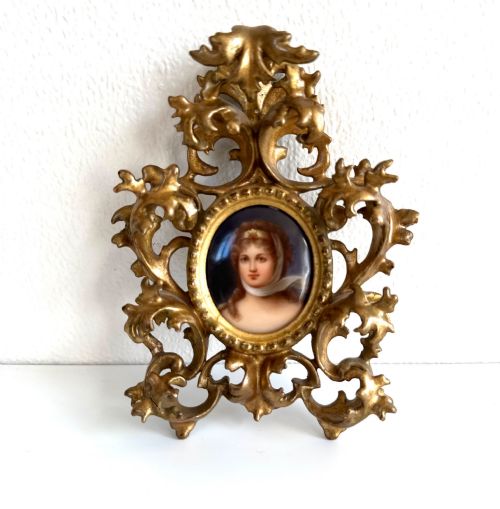
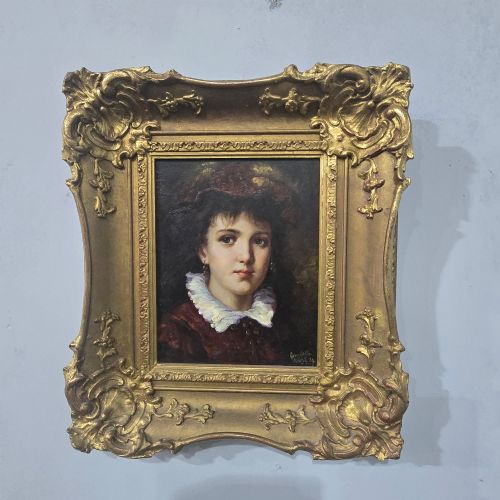
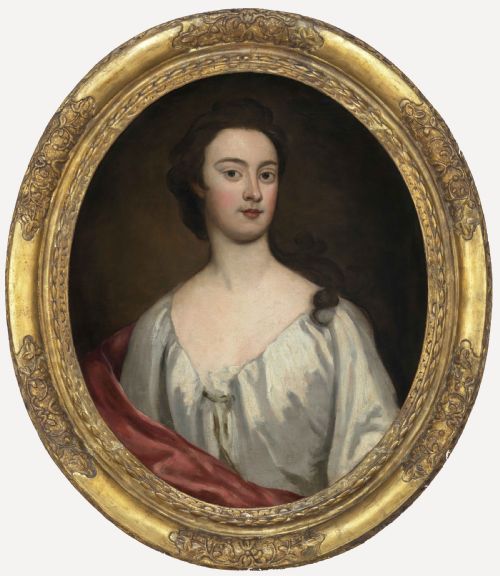
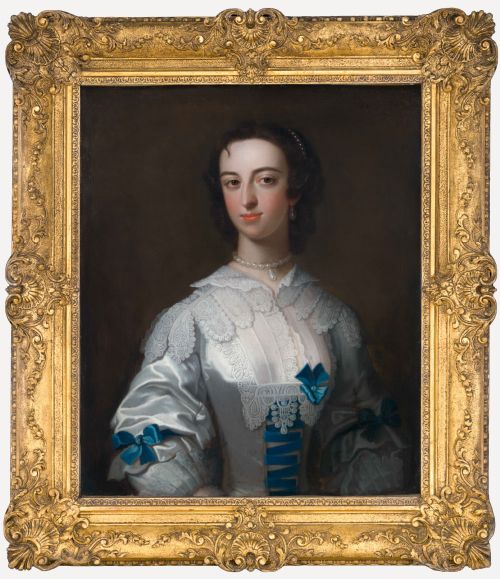
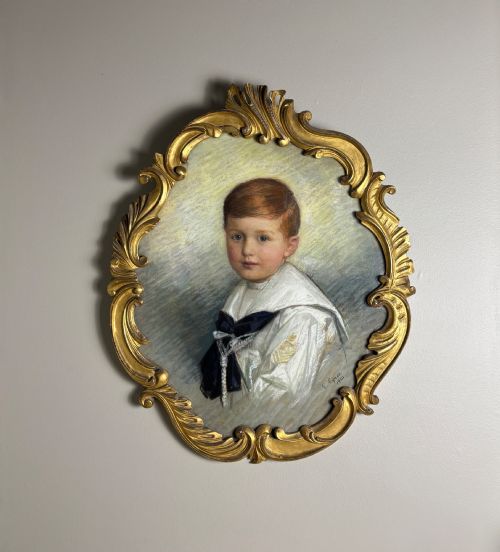
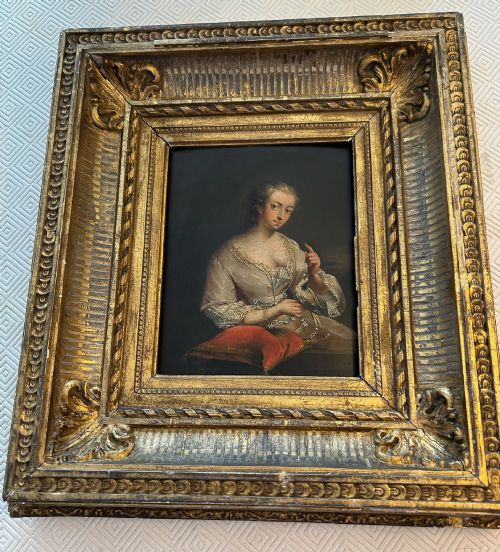
A rococo gilt frame painting combines oil on canvas artwork with ornate, highly decorative surrounds that reflect the ornamental tastes of the mid-eighteenth century and later revivals. You will encounter original 18th-century portraits alongside 19th-century revival pieces, French trumeau mirrors incorporating pastoral oil paintings, and miniature works.
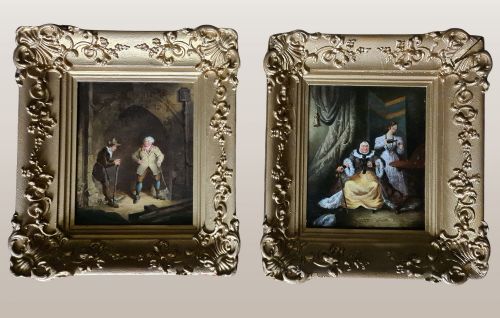
The subjects range from aristocratic portraits of ladies in silk dresses to classical mythological scenes and genre paintings. Many pieces capture the theatricality and delicate asymmetry characteristic of French Rococo and Georgian design.
How they were made
The primary technique relies on oil paint applied to woven canvas panels or wooden boards, often executed with fine brushwork to capture the sheen of fabrics and facial expressions. Canvases are frequently stretched over wooden frames before insertion into the primary display housing.
The accompanying frames and surrounds utilise carved wood, gesso, and applied gold leaf to achieve a brilliant, reflective metallic finish. Artisans applied layers of plaster or gesso over a wooden base, carving intricate floral garlands and scrolls before guilding the surface with thin sheets of gold leaf.
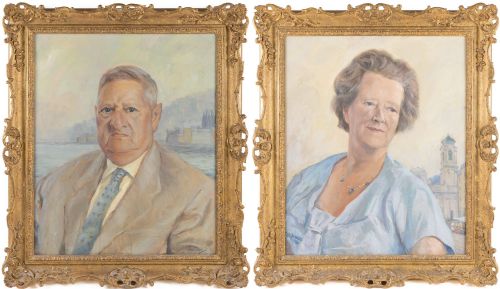
Listings feature works spanning the eighteenth, nineteenth, and mid-twentieth centuries, executed in oil on canvas, oil on board, and reverse painted mezzotint.
What varies in quality
The depth and intricacy of the carving on the gilt frame differentiate standard decorative pieces from exceptional examples. Hand-carved gesso work displaying crisp undercut foliage and organic asymmetry demonstrates superior craftsmanship compared to simpler moulded plaster.
The finesse of the oil painting itself dictates the overall tier of the piece, with delicate handling of light, shadow, and textiles marking superior artistry. Provenance and attribution to documented portraitists or recognised regional schools elevate the historical importance of the artwork.
Charles-Antoine Coypel·Jean-Baptiste van Loo·Jeremiah Davison·Henry Pickering·Johann Hamza
The Rococo Gilt Frame Painting Glossary
- Giltwood
- Wood that has been coated with gold leaf or gold paint. This material provides the lustrous, reflective surface characteristic of formal European framing.
- Gesso
- A plaster mixture applied to wood surfaces as a base for carving and gilding. It allows craftsmen to model intricate relief ornamentation before applying gold leaf.
- Trumeau
- An architectural mirror featuring an integrated painted panel or carved motif above the glass. These panels frequently depict pastoral scenes in the rococo style.
- Oil on Canvas
- Pigment mixed with drying oil applied to a woven fabric support. This technique remains the dominant medium for the historical paintings found within these ornate frames.
Rococo Gilt Frame Painting: Frequently Asked Questions
Are these paintings genuine 18th-century originals?
The inventory includes authentic 18th-century works by period artists alongside 19th-century revival pieces that emulate the earlier aesthetic. Examining the canvas preparation, pigments, and underlying wooden stretcher helps determine the exact age of the painting.
Period frames may also be contemporaneous with the artwork or represent later nineteenth-century mountings utilising traditional gesso and gilding methods.
How do I care for giltwood frames?
Giltwood requires careful handling to prevent the fragile gold leaf and gesso from chipping or flaking over time. Dust the carved surfaces gently with a soft, dry brush without applying liquid cleaning agents.
Keep the pieces away from direct sunlight and fluctuating humidity levels to protect both the wooden substrate and the oil canvas within.
What is a trumeau mirror?
A trumeau is a decorative wall mirror that incorporates an oil painting or carved panel directly above the glass plate. These large architectural elements originated in French interiors to sit between windows or above mantelpieces.
The integrated paintings often feature pastoral or romantic subjects framed by ornate gilded scrollwork.
How do I identify rococo style?
Rococo design is characterised by asymmetry, curved C-scrolls, S-scrolls, and naturalistic motifs like shells and floral garlands. This theatrical style emerged in France as a reaction against the heavier symmetry of baroque art.
In paintings and frames, this translates to flowing drapery, soft pastel palettes, and elaborate gilded ornamentation that avoids straight lines.