




Antique Oil Picture Flowers
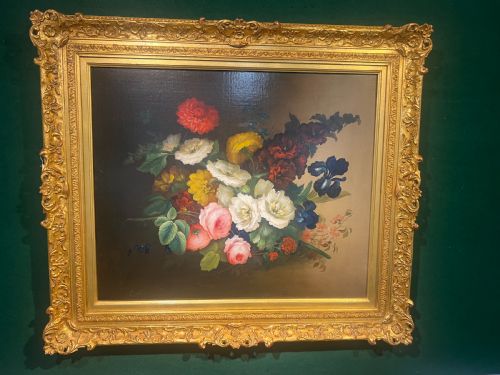
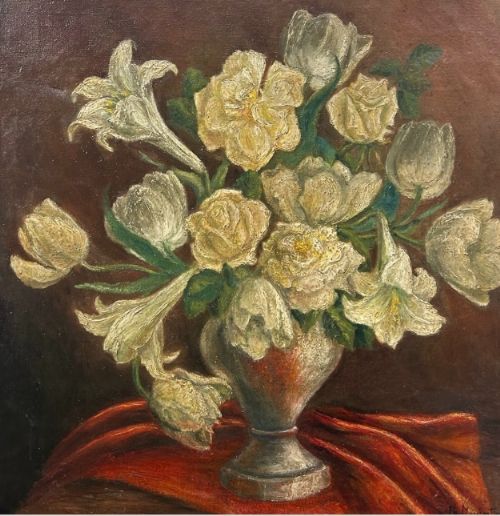
These antique oil picture flowers bring vibrant botanical studies into a room, offering enduring colour through traditional canvas and paint.
Antique Oil Picture Flowers
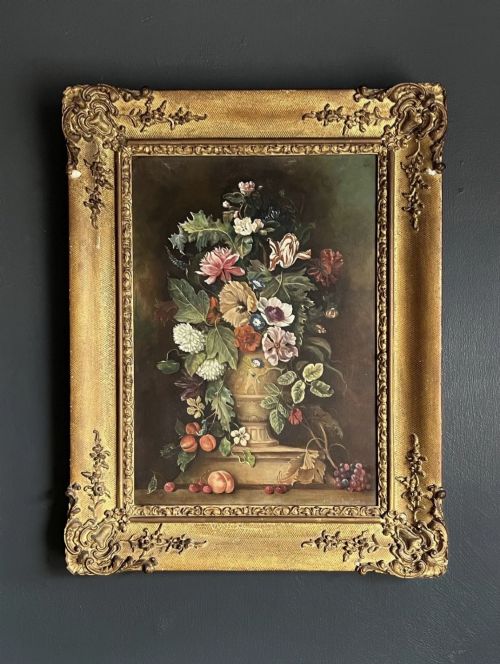
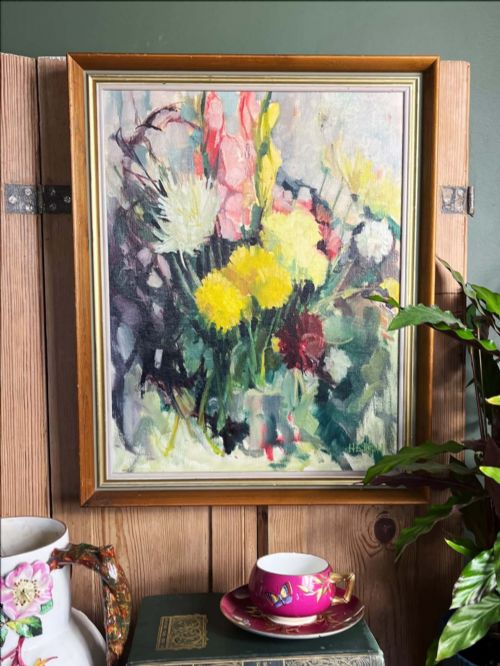
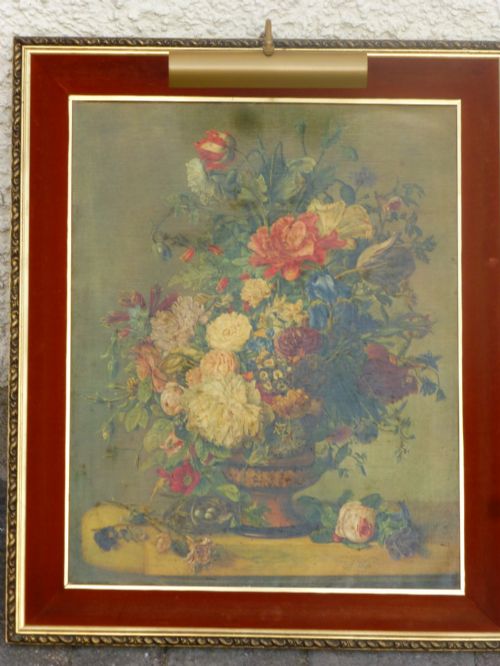
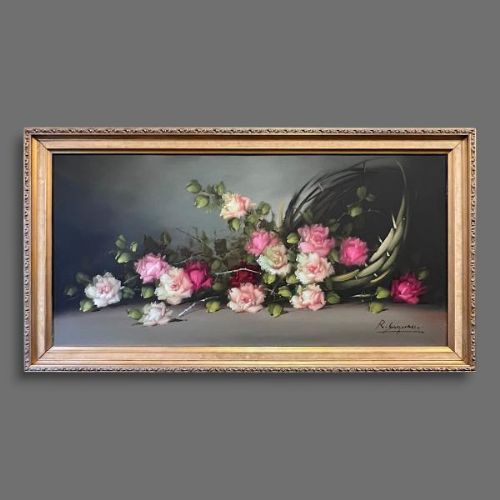
When searching for antique oil picture flowers, buyers encounter canvas works depicting botanical subjects ranging from Dutch-style arrangements to Impressionist garden scenes. These paintings span the eighteenth century through to the mid-twentieth century, capturing roses, lilies, and spring blooms in various European styles.
The pieces on this page lean heavily towards nineteenth-century and early twentieth-century interpretations, including British Impressionism and continental still life traditions. Buyers will find framed studies on canvas and board, often reflecting Victorian tastes or the looser brushwork of later impressionist painters.
Materials and methods
These works rely on oil paint applied to prepared canvas or wooden board, utilising the rich medium to build depth in petals and foliage. Artists worked pigments with brushes to capture the texture of roses, water lilies, and chrysanthemums.
Many paintings are housed in original or period frames formed from wood and finished with gesso and gold leaf. These giltwood surrounds provide structure and complement the painted floral compositions.
Some flowers have been sitting quietly in their gilt frames since eighteen hundred, outliving every gardener who grew them.
Assessing quality
Quality rests in the handling of the paint and the confidence of the composition, where masterly brushwork brings botanical subjects to life. Stronger pieces show careful attention to light on petals and natural arrangement within the vase or basket.
The preservation of the canvas and the integrity of the original gilt gesso frame also shape the standing of a piece. Finer examples retain their initial vibrancy and structural framing without intrusive modern restoration.
Edwin Steele·Henry Schouten·L. Wilford·Pierre Joseph Redoute·Emily Selinger·William Thomas Wood·Ernest Higgins Rigg·Robert John Hammond·Louisa Mary Bancroft·Kershaw Schofield
The Antique Oil Picture Flowers Glossary
- Canvas
- A heavy woven fabric used as a surface for oil paintings. It provides the traditional support for the majority of these floral works.
- Gesso
- A plaster-like mixture applied to wooden frames before gilding. It creates a smooth base for intricate moulding.
- Giltwood
- Wood that has been coated with gold leaf or gold paint. This finish defines the ornate frames often paired with oil paintings.
- Impressionism
- An art movement focusing on light and unblended brushstrokes. Works in this style capture the fleeting qualities of garden scenes and water lilies.
- Still life
- A painting featuring inanimate subject matter. In these listings, that translates primarily to vases and baskets of flowers.
Antique Oil Picture Flowers: Frequently Asked Questions
How do I hang them?
These oil paintings require sturdy picture hooks suited to the weight of the wooden and gilt frames. Choose a wall away from direct sunlight to protect the pigments on canvas.
Ensure the hanging wire or brackets on the back are secure before mounting the artwork at eye level.
Are frames original?
Many pieces retain their period frames, such as gilt gesso surrounds that match the age of the canvas. Examining the corners and backboards helps determine if the framing dates to the same era as the paint.
Replacement frames do occur, particularly with older works that required new housing to preserve the wood and gesso over centuries.
How do I clean canvas?
Surface dust should be removed gently with a soft, dry brush or cloth without pressing into the oil paint. Avoid using water or chemical cleaners on the canvas.
Professional conservators should handle deeper cleaning or varnish removal to prevent damage to the delicate brushwork of the flowers.
What periods are available?
The selection includes works from the eighteenth century through to the mid-twentieth century. Victorian pieces sit alongside Dutch Golden Age styles and later French and British Impressionism.
Dates range from specific years like nineteen hundred to broader eras such as the nineteenth century.