


Dutch Master Floral Painting
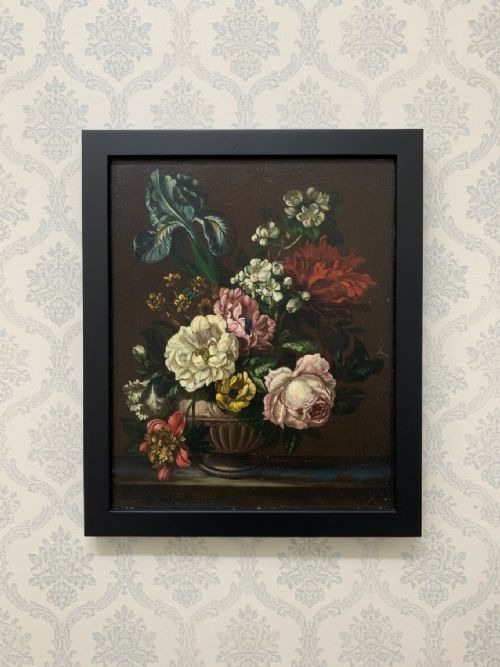
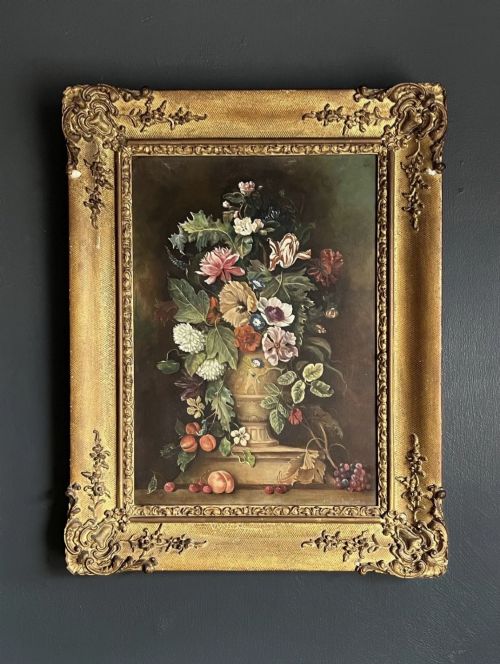
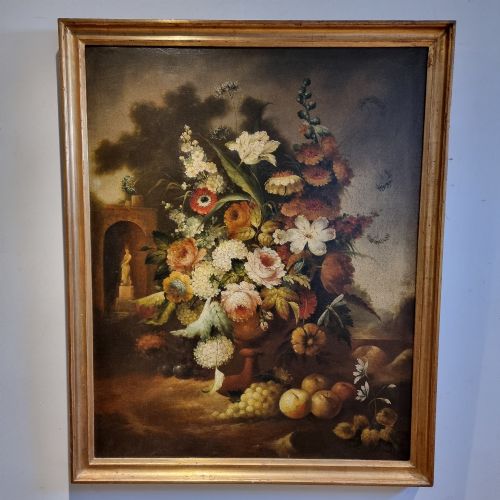
A dutch master floral painting brings heavy blooms and dark drama into a room, capturing centuries of botanical wealth on canvas and wood.
Dutch Master Floral Painting
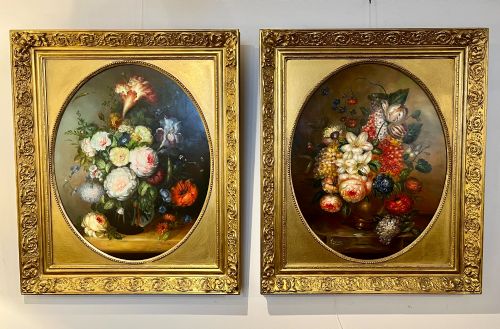
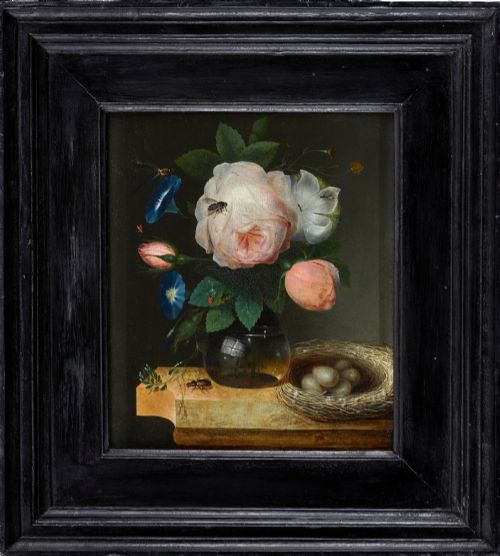
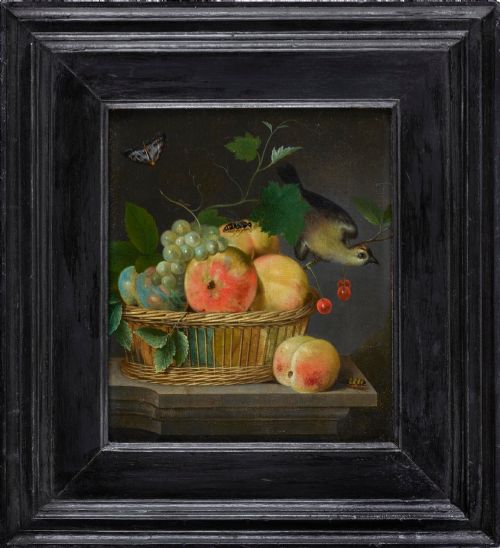
When you search for a dutch master floral painting, you encounter rich depictions of blooms, foliage, and sometimes fruit or insects rendered in deep, atmospheric tones. The selections span eras from the seventeenth century up to the mid-twentieth century, showing a strong appetite for revivals of earlier traditions.
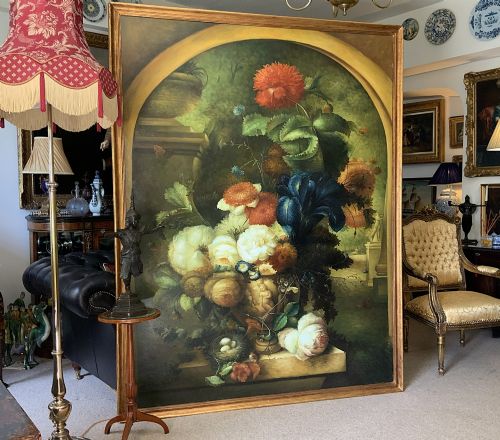
You are most likely to meet works executed on canvas or wood panels, framed in ornate gilded gesso. These pieces range from intimate cabinet sizes to monumental wall art exceeding seven feet in height.
How they were made
The physical build of these works relies on oil paint applied to canvas, oak panels, or general wood supports. Artists layered pigments to achieve the deep shadows and luminous highlights characteristic of the genre.
Frames play a crucial role in the presentation, utilising gilded wood and moulded gesso to create heavy, reflective borders that complement the dark palettes of the paintings.
Some floral arrangements hide tiny insects amongst the petals, inviting a closer look beyond the grand sweep of the blooms.
What varies in quality
Quality rests in the handling of light across individual petals and leaves, separating hurried decorative output from deeply observed studies of nature. The depth of the dark background and the crispness of botanical detail determine the visual impact.
The integrity of the support, whether stable oak panel or taut canvas, alongside the preservation of the original gilded gesso frame, shapes the enduring character of the piece.
Gaspar Peeter Verbruggen·Calzolari·Terence Loudon
The Dutch Master Floral Painting Glossary
- Gesso
- A plaster-like mixture applied to wood or canvas as a base for paint or for moulding decorative frames. It provides a smooth, absorbent surface that accepts gilding exceptionally well.
- Trompe l'oeil
- An artistic technique that uses realistic imagery to create the optical illusion that the depicted objects exist in three dimensions. It plays with perception by blurring the boundary between painted representation and reality.
- Panel
- A solid flat piece of wood, often oak, used as a rigid support for oil painting instead of woven fabric. Panels offer a stable surface that prevents the cracking often seen on aged canvases.
- Gilt
- Covered thinly with gold leaf or gold paint to give a lustrous metallic finish. This treatment frames the dark tones of floral compositions with reflective warmth.
Dutch Master Floral Painting: Frequently Asked Questions
Are these paintings genuine seventeenth-century works?
The selection includes genuine seventeenth-century examples alongside later nineteenth and twentieth-century revivals painted in the traditional style. Each listing records the specific period or estimated date of execution.
Examining the materials, such as oak panels or aged canvas, helps distinguish the original seventeenth-century works from later interpretations.
What is a Dutch Golden Age style painting?
This style draws on the dramatic realism, dark backgrounds, and meticulous botanical accuracy pioneered by artists of the Netherlands during the seventeenth century. It emphasises rich floral arrangements set against deep shadows.
Twentieth-century artists frequently revisited this aesthetic to capture the same theatrical lighting and detailed textures.
How do I hang a large floral painting?
Large works, particularly those in heavy gilded gesso frames, require secure wall anchors fixed directly into studs or masonry. Their substantial weight demands professional hardware to ensure stability.
Positioning them away from direct sunlight protects the oil pigments and the gilded wood frames from fading or drying out.
What surfaces were used for these paintings?
Artists painted these floral compositions on canvas, general wood supports, and specifically oak panels. The choice of support often relates to the period and the regional traditions of the painter.
Panel supports offer a rigid foundation that suits the detailed, layered application of traditional oil paint.