


Eight Day Striking Clock
An eight day striking clock keeps time for over a week while marking the hours aloud, spanning tall case clocks to small carriage designs.
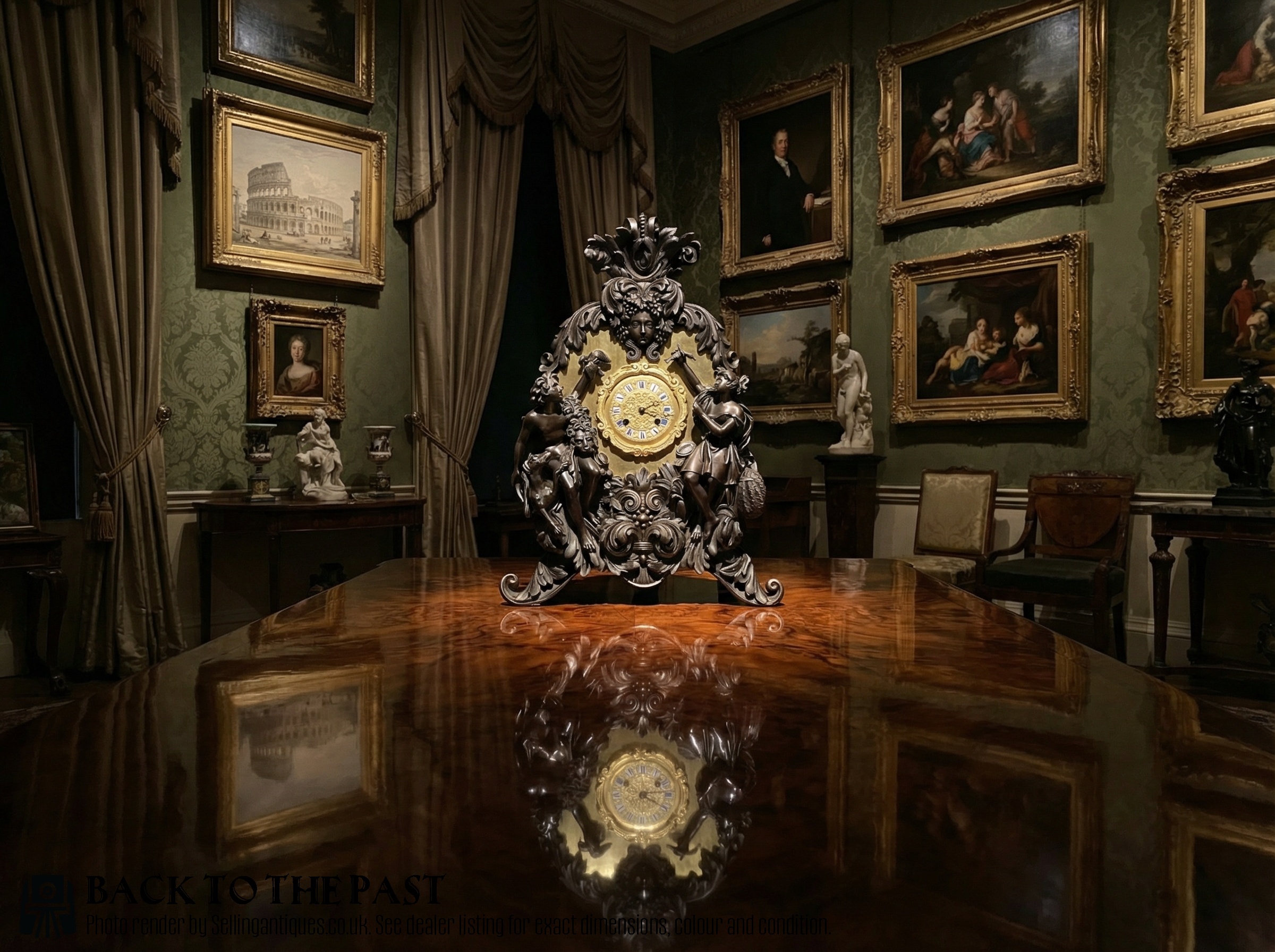
Eight Day Striking Clock
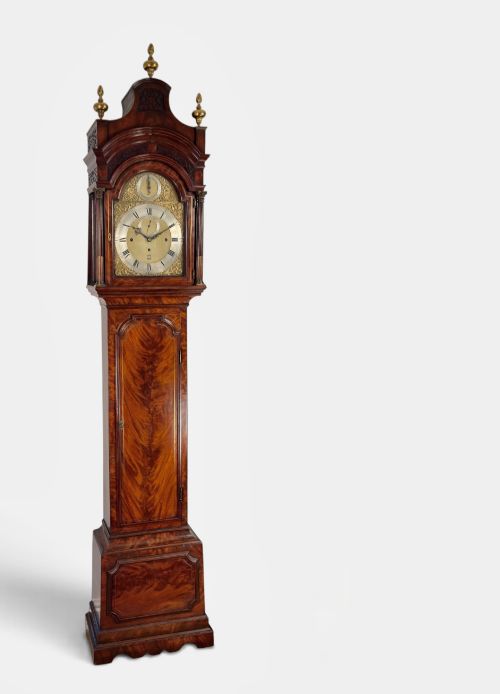
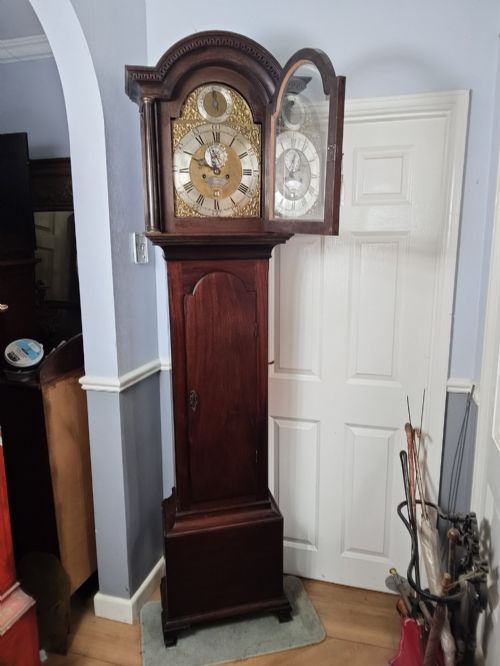
An eight day striking clock runs for a full week plus a spare day between windings, reducing the chore of maintenance while keeping domestic time. These timepieces appear in many formats, from tall longcase grandfather clocks to compact bracket, mantel, wall, and portable carriage designs.
The materials enclosing these movements vary widely across the periods, incorporating mahogany, oak, rosewood, ebonised wood, and tortoiseshell alongside marble, brass, ormolu, and glass. Cases range from restrained Georgian wooden architectural boxes to ornate Victorian brass-and-glass carriage housings and French marble table designs.
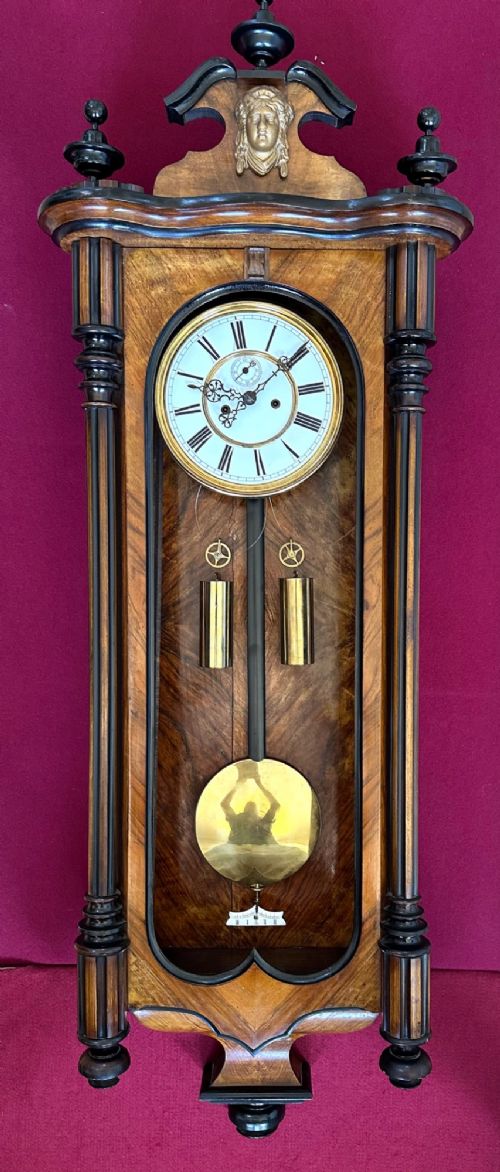
Makers housed these striking mechanisms in diverse regional styles, spanning London longcases, provincial Scottish bracket pieces, French gilded mantel sets, and Vienna wall regulators. Buyers encounter these movements housed within centuries of changing interior fashions, from strict George II proportions to later Arts and Crafts oak cabinets.
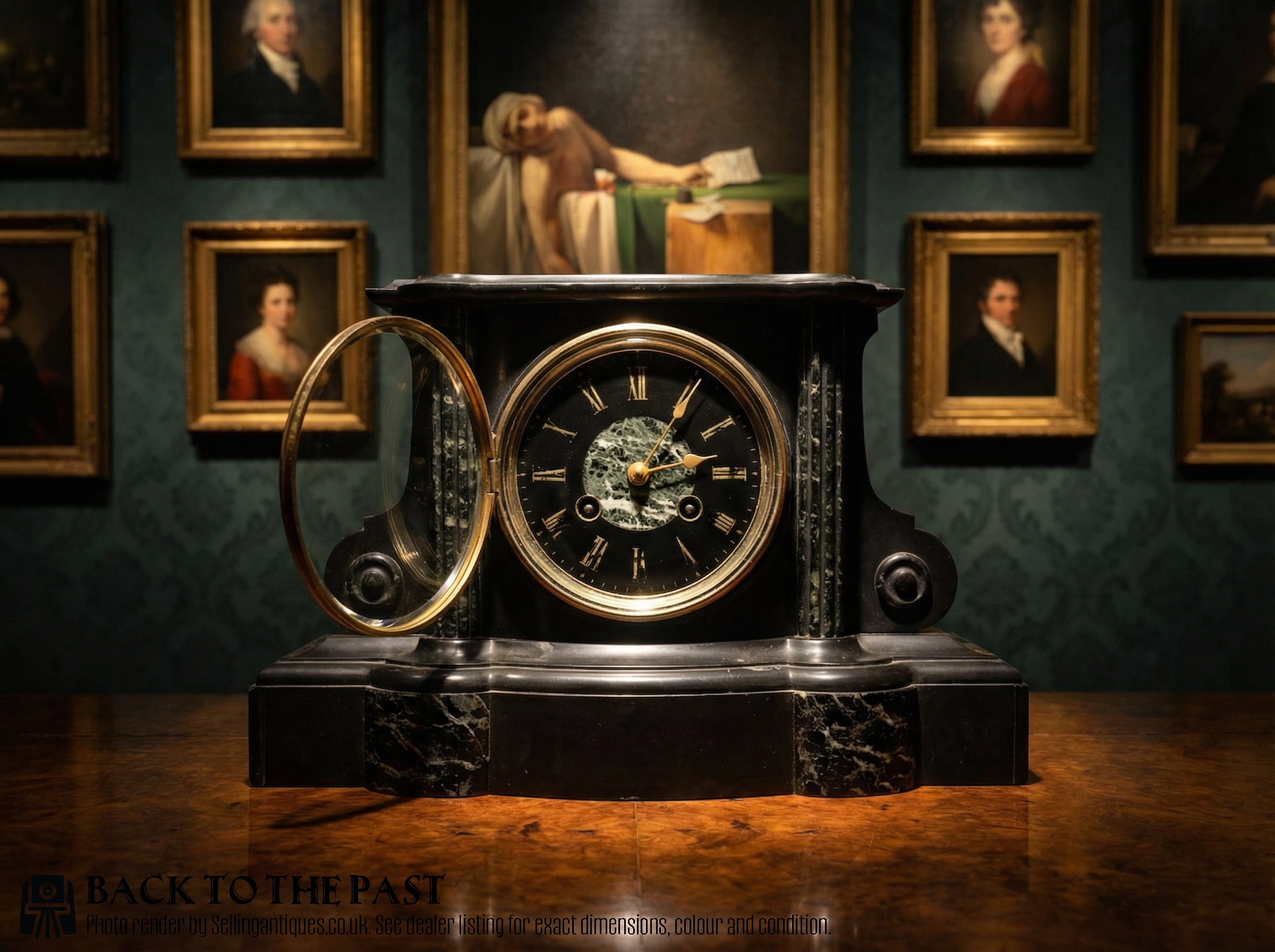
How they were made
Clockmakers constructed the internal gear trains using brass plates and wheels, driven either by hanging weights in longcase models or spring barrels in smaller bracket and mantel clocks. Fusee chains or cords help equalise the diminishing power of a mainspring as it unwinds, ensuring steady momentum throughout the eight-day cycle.
Cabinetmakers housed these mechanisms in timber cases of mahogany, oak, and flame mahogany, frequently adding fine inlay, brass fretwork, or ebonised details. Ormolu, gilt bronze, champleve enamel, and polished marble feature heavily in French carriage and mantel pieces from the nineteenth century.
Some models hide tiny mechanical automation behind the dial face, surprising anyone waiting for the hour to strike.
What varies in quality
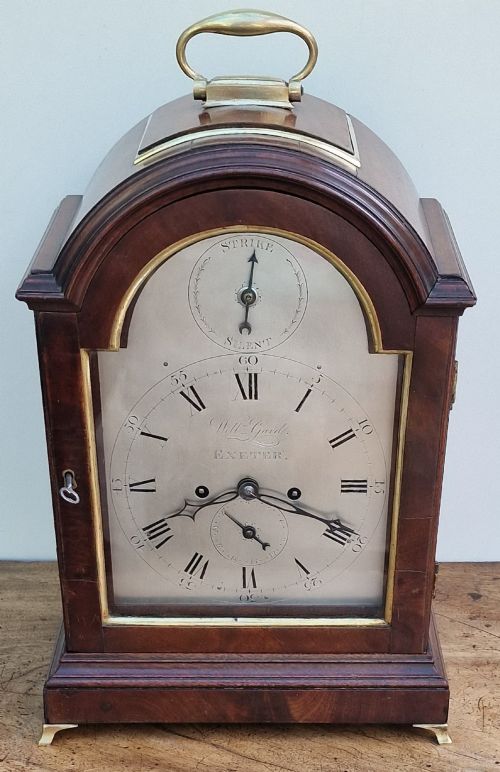
The refinement of the movement itself sets benchmarks, particularly the presence of twin fusee setups, quarter-striking capabilities, repeating mechanisms, or strike-silent functions. Master horologists signed their dial faces and backplates, elevating the mechanical pedigree well beyond standard workshop production.
John Ellicott·William Gard·Henry Weedon·Henri Jacot·William Moon·John Shelton·Agar Of Malton·Robert Higgs·John McGregor·L Donne·Ed Hunsdon·Charpentier Foundry·Japy Freres·Winterhalder And Hofmeier
The Eight Day Striking Clock Glossary
- Fusee
- A conical pulley used in spring-driven clocks to maintain even power to the gear train as the mainspring unwinds. This device ensures consistent timekeeping across the full duration of the winding cycle.
- Longcase clock
- A tall pendulum clock enclosed in a wooden case designed to stand upon the floor, commonly referred to as a grandfather clock. These housing cabinets protect the hanging weights and long pendulum swing.
- Bracket clock
- A portable table or shelf clock historically placed upon a matching wall bracket or furniture surface. They rely on spring-driven movements rather than hanging weights.
- Quarter striking
- A mechanism that chimes the quarters of the hour on bells or gongs in addition to sounding the full hour count. This acoustic feature offers an immediate audit of elapsed time.
- Carriage clock
- A small, spring-driven portable timepiece fitted with a carrying handle and glass panels, originally designed for travelling. French makers produced these extensively during the nineteenth century.
Eight Day Striking Clock: Frequently Asked Questions
How do you wind an eight day striking clock?
Winding involves inserting a key into the winding holes on the dial face and turning it carefully until the spring tightens or the weight reaches the top.
Most eight day movements require this action approximately once a week to maintain continuous operation and striking functions.
What is the difference between a bracket clock and a mantel clock?
Bracket clocks historically originated as portable spring-driven timepieces meant to sit on a dedicated wall bracket or furniture piece.
Mantel clocks emerged later as decorative items designed specifically to sit directly on the mantelpiece above a fireplace.
How do you tell a Georgian clock from a Victorian one?
Georgian clocks generally display restrained classical proportions, architectural wooden cases, and brass dials with silvered chapter rings.
Victorian pieces often introduce heavier ornamentation, visible pendulum movements in glass cases, or French ormolu and marble housings.
What does strike-silent mean on a clock?
A strike-silent lever allows the owner to disengage the hour-striking train while permitting the clock to continue keeping time accurately.
This function proved useful in bedrooms or studies where chiming during the night was unwelcome.