



Edwardian Writing Desk Accessories
Edwardian writing desk accessories bring order and function to a surface, offering items designed for correspondence and organisation.
Edwardian Writing Desk Accessories
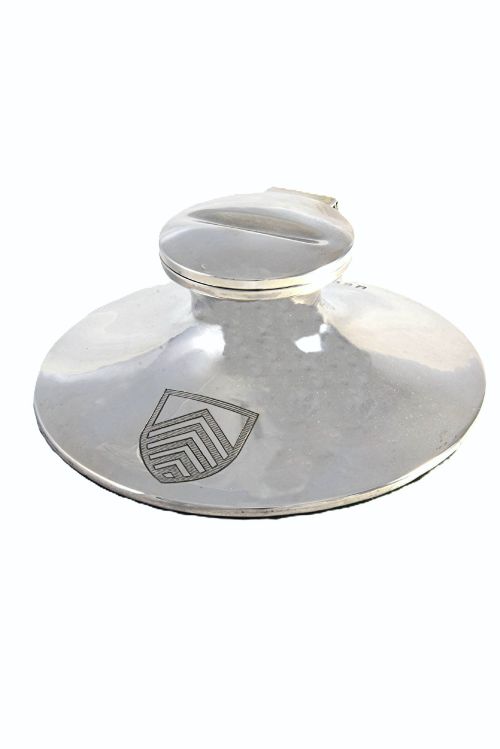
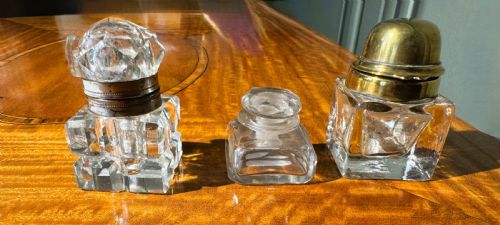
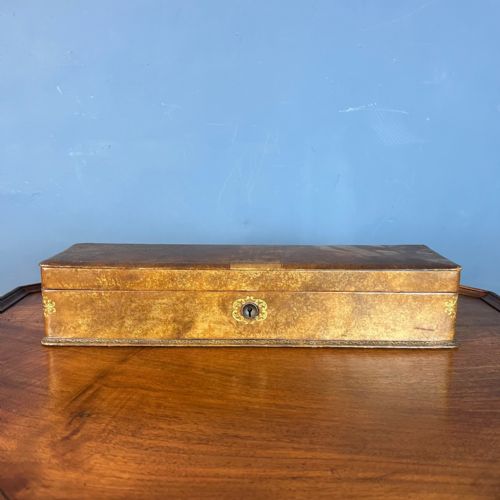
Edwardian writing desk accessories encompass the portable and fitted items used for letter writing, document storage, and desk organisation during the early twentieth century. Buyers encounter silver capstan inkwells, cut glass ink pots, blotters, stamp boxes, and desk stands designed to sit upon writing tables.
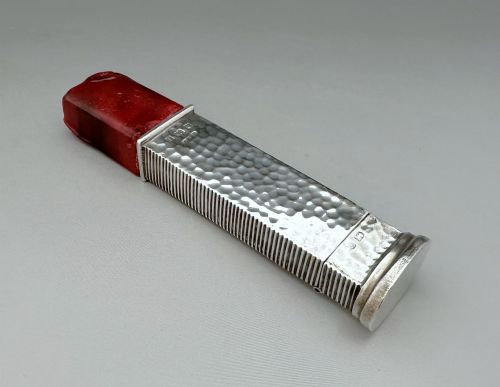
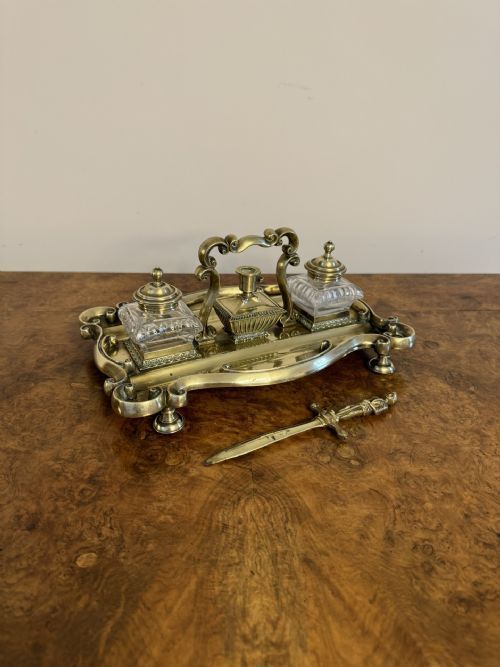
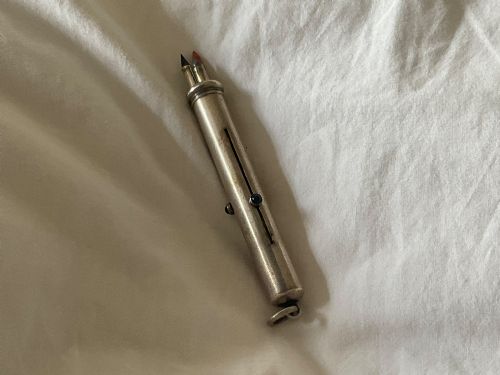
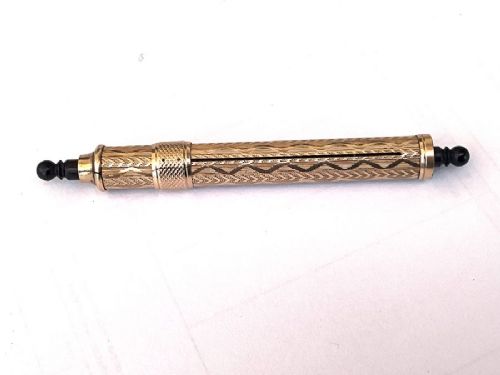
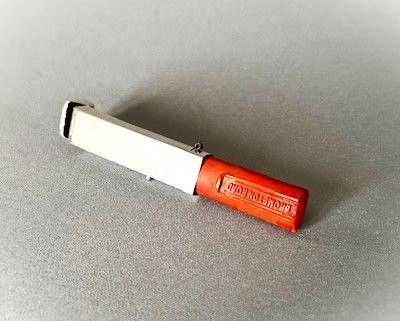
The objects frequently combine multiple functions, such as combined vesta and sealing wax holders, desk rulers with wax compartments, or inkstands fitted with chambersticks and drawers. Materials range from sterling silver and silver plate to brass, cut glass, leather, and oak.
Most pieces date from the Edwardian period and the surrounding decades, reflecting an era when handwritten correspondence required dedicated tools. These items range from simple glass inkwells to ornate silver-mounted stationery caskets and novelty desk pieces.
How they were made
Silver and metal components utilise casting, stamping, and smithing techniques, often combined with hallmarks indicating the assay office and year. Many silver items feature weighted bases or incorporate glass inserts for ink storage.
Glass elements rely on heavy cutting and moulding to produce thick-walled inkwells and bottles capable of withstanding daily use. Leather and wood pieces employ traditional cabinetry and tooling methods, creating fitted boxes and stationery cabinets with internal partitions.
What varies in quality
Quality rests upon the weight of the metal, the clarity and depth of cut glass, and the precision of fitted joints in wooden boxes. Substantial gauge silver, crisp chasing, and intact glass liners distinguish finer items from lighter, plated alternatives.
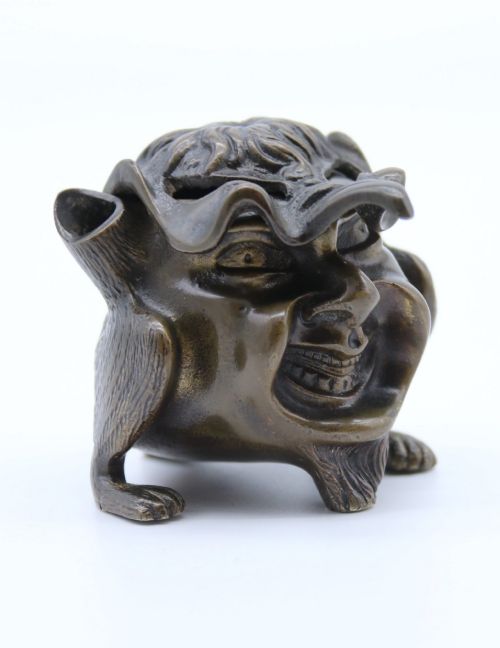
Original components dictate the standing of a piece, particularly the presence of matching ink bottles, original sealing wax, or intact enamel work. The complexity of the design, such as incorporating clocks, multiple inkwells, or novelty forms like bell inkwells and animal hooves, sets apart more ambitious workshops.
Henry Matthews·Walker And Hall·Sampson Mordan·Edward Todd And Co·William Graeme
The Edwardian Writing Desk Accessories Glossary
- Capstan inkwell
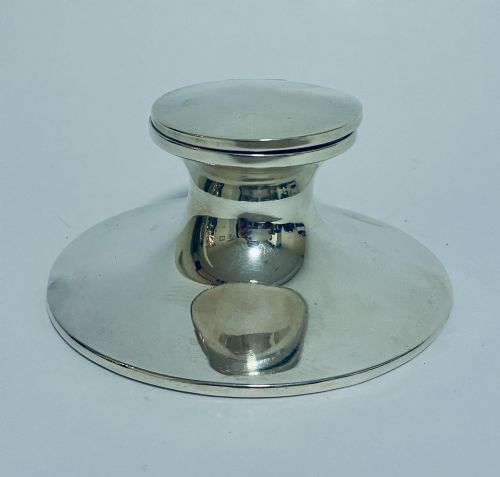
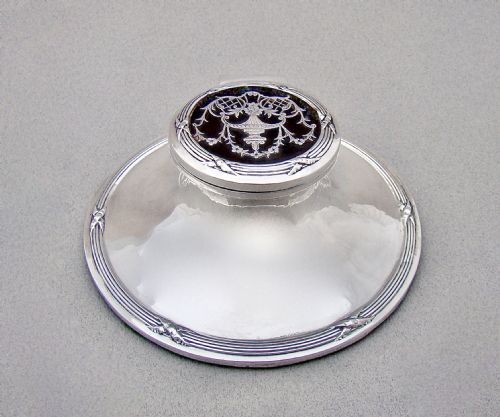
- An inkwell shaped like a naval capstan, featuring a wide base that tapers upwards to a collar and lid. This low-centre-of-gravity design prevents tipping.
- Inkstand
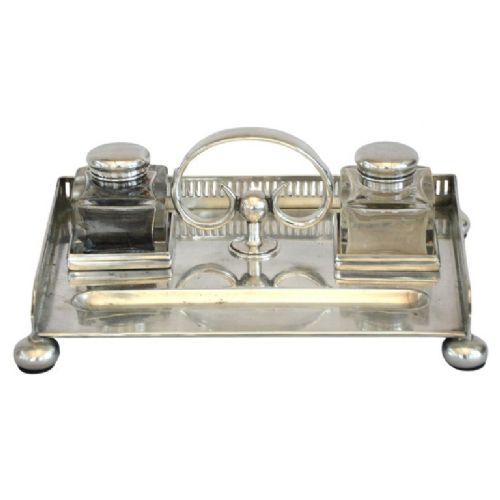
- A tray or stand holding one or more inkwells, often incorporating pen rests and compartments for wafers or sand. They range from simple brass trays to elaborate silver double inkstands.
- Vesta case
- A small pocket or desk box designed to hold matches, frequently combined with compartments for sealing wax in writing accessories. They often feature spring-loaded lids.
- Guilloche enamel
- Decorative metalwork covered in translucent enamel over an engine-turned background. This technique creates repeating geometric patterns beneath coloured glass-like surfaces.
- Stationery casket
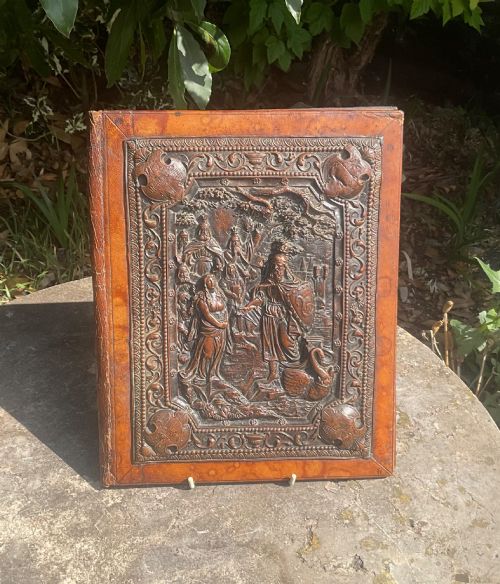
- A desk box or cabinet fitted with vertical dividers to hold writing paper, envelopes, and documents upright. They often feature locking mechanisms and drop-front drawers.
Edwardian Writing Desk Accessories: Frequently Asked Questions
What is a capstan inkwell?
A capstan inkwell is a desk accessory shaped like the nautical winch of the same name, featuring a broad base and a tapering body. This form provides stability on a writing table, preventing accidental spills while holding ink.
Most examples from this era incorporate sterling silver mounts and weighted interiors. The wide footprint makes them practical for daily correspondence.
How were double inkstands used?
Double inkstands provided two separate wells on a single tray, typically used for holding black and red ink simultaneously. This arrangement allowed writers to draft letters and apply corrections or marginalia without changing vessels.
Stationed centrally on a desk, these stands often included integrated pen rests and additional compartments for stamps or sealing wax. They served as the primary writing station centrepiece.
What is guilloche enamel?
Guilloche enamel is a decorative technique where a metal base is mechanically engraved with precise geometric patterns before being coated in translucent enamel. The underlying pattern remains visible through the coloured glass layer.
This finish appears on small desk items like inkwell medallions and compact accessories. The method adds vibrant colour and texture to silver mounts.
How do you distinguish period stamp boxes?
Period stamp boxes are small covered containers featuring internal spring-loaded platforms or partitioned trays sized specifically for postage stamps. They often use hinged lids with velvet linings or silver-gilt interiors.
Materials range from solid sterling silver to carved wood and onyx. Their compact dimensions reflect the precise function of storing gummed stamps on a desk.