

Brown Desk Tidy
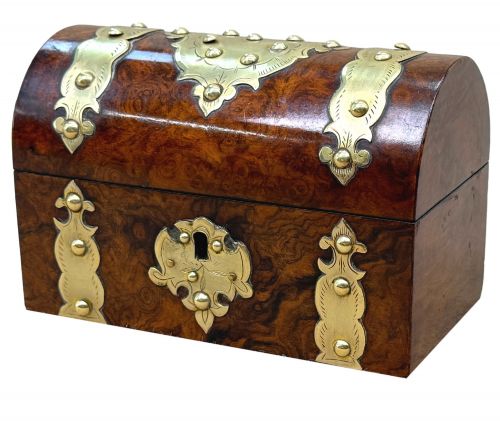
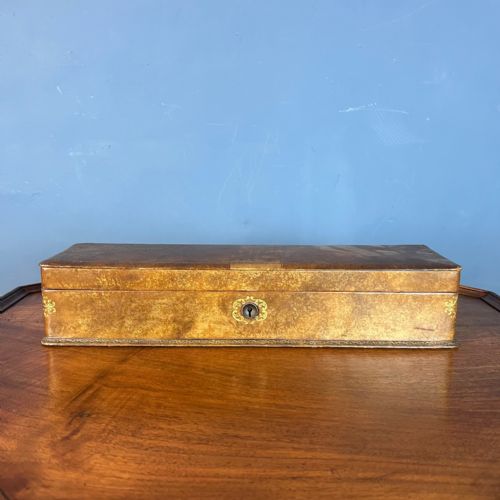
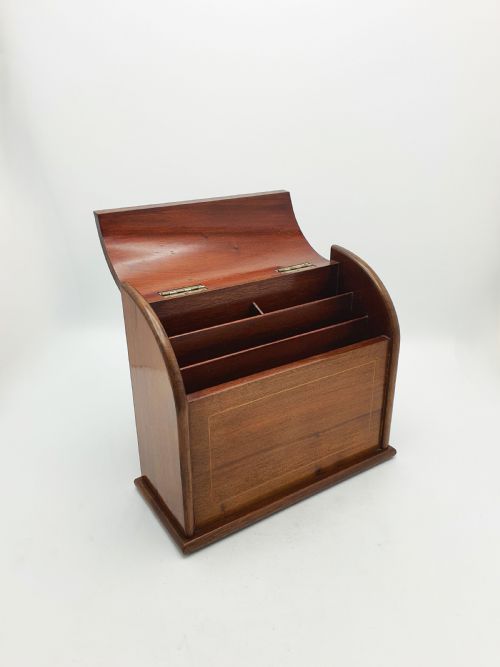
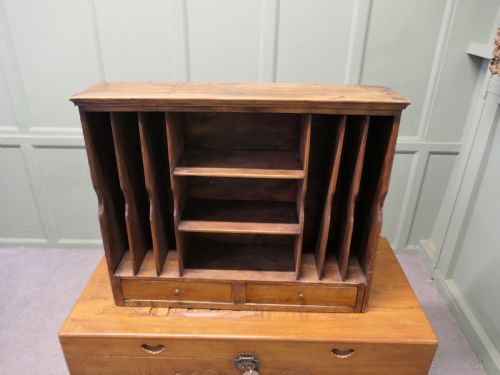
A brown desk tidy keeps correspondence and pens in order, bringing functional desktop organisation and period craftsmanship to a study.
Brown Desk Tidy
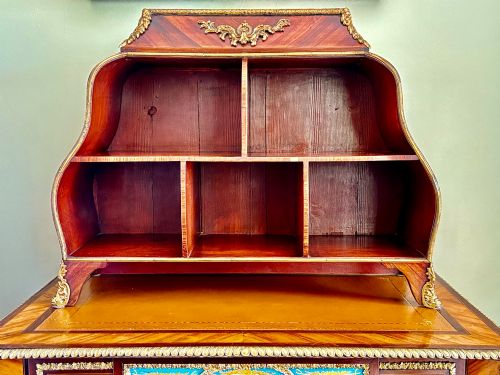
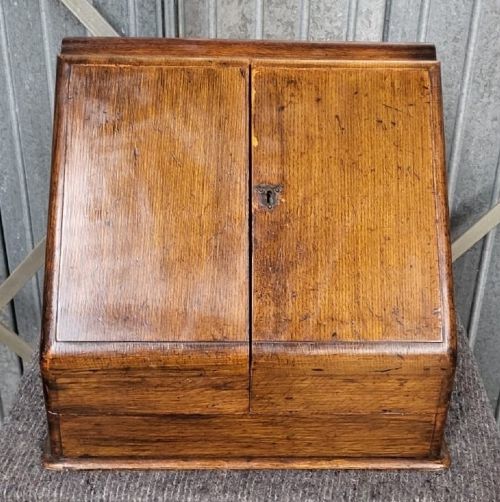
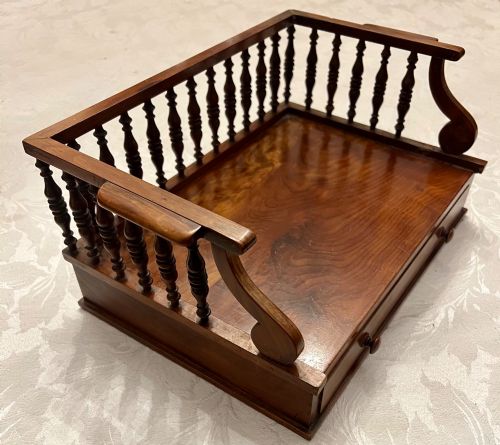
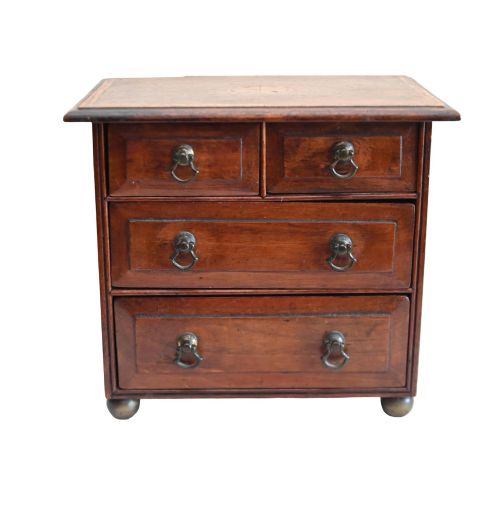
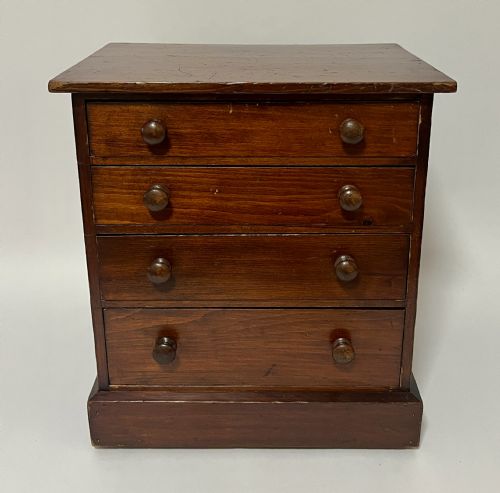
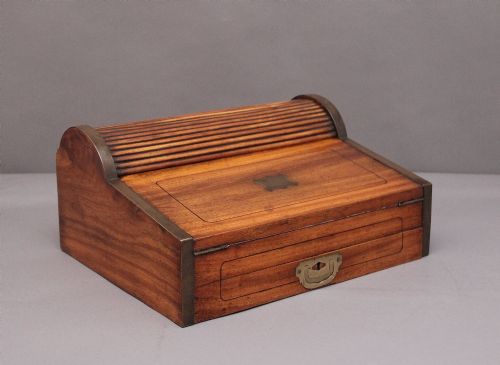
A brown desk tidy encompasses items designed to manage papers, pens, and correspondence on a writing surface, drawing from styles spanning the Georgian, Victorian, and Edwardian eras. Buyers searching for a brown desk tidy will encounter solid timber constructions, stationary cabinets, inkstands, and letter racks made from oak, mahogany, and walnut.
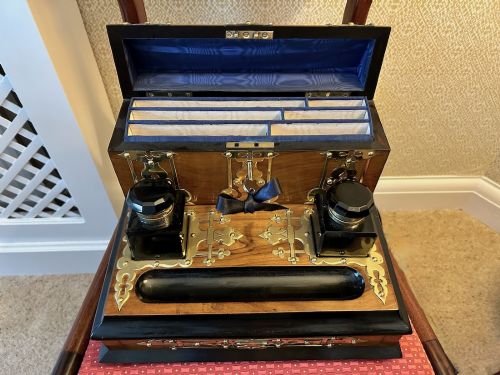
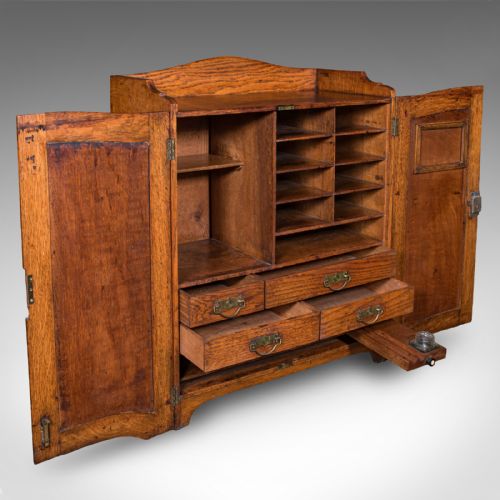
The pieces available on this page reflect the functional needs of past offices and country houses, ranging from simple hinged-lid boxes to elaborate stands with original ink bottles. Many examples incorporate compartments for envelopes, built-in calendars, or pen trays to maintain order.
Most items date from the nineteenth and early twentieth centuries, displaying craftsmanship from periods such as Arts and Crafts, Gothic Revival, and Art Deco. These accessories served domestic and professional purposes alike, organising daily post and writing materials.
Materials and construction methods
Makers utilised dense hardwoods such as oak, mahogany, coromandel, and walnut, often finished with brass hinges, mounts, or handles. Timber surfaces were selected for natural grain warmth, creating the characteristic brown tones of each desk tidy.
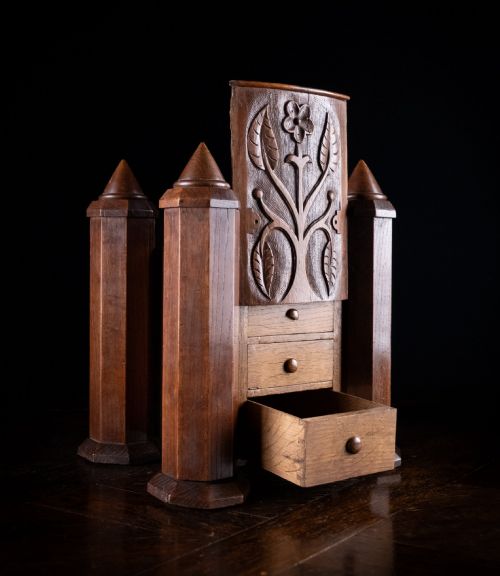
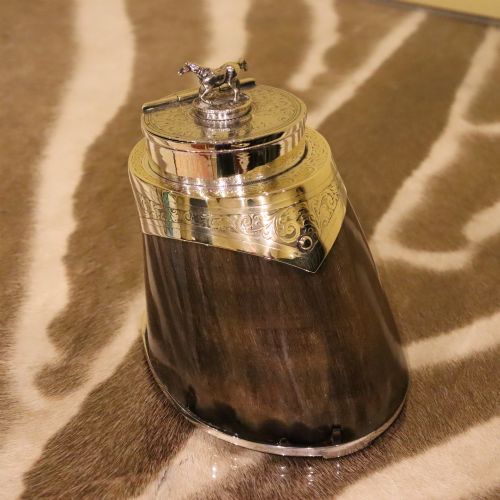
Construction techniques involve dovetail joints for boxes and drawers, alongside intricate inlays, pokerwork decoration, or carved details. Glass inkwells, silver mounts, and tooled leather inserts were integrated to complete the desktop accessories.
Brown Desk Tidy Retail Price Guide 2026
Typical asking prices for brown desk tidy among the pieces listed under this phrase on Sellingantiques today, from the lower quarter to the upper quarter. They describe what is for sale here now, not the wider market.
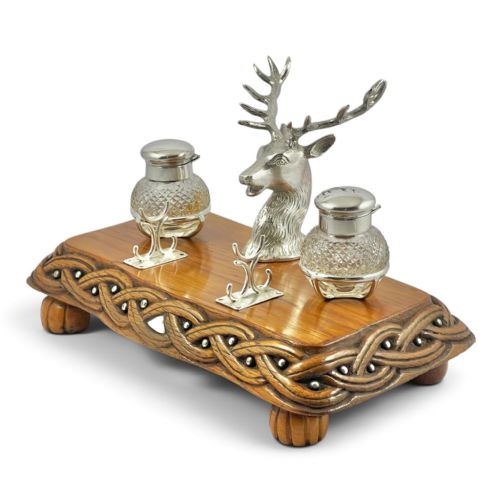
The inventory includes specialised forms such as book slides, letter racks, gamekeeper cabinets, and novelty bronze inkwells.
Distinguishing quality in desk accessories
Quality reveals itself in the selection of timber grain, the precision of box joints, and the integrity of fitted interiors such as secret drawers or adjustable dates. Superior examples retain original glass ink bottles, matching brass hardware, and intact tooled leather surfaces.
The distinction between standard utility pieces and finer examples lies in decorative elaboration, such as hand-carved motifs, inlaid banding, or specialised configurations like naval architect organizers and novelty bronze figures.
Edwards & Jones
The Brown Desk Tidy Glossary
- Stationery box
- A desk accessory with vertical slots and a hinged lid designed to hold envelopes and writing paper upright. These cabinets often feature compartments for stamps and pens.
- Inkstand
- A tray or stand holding one or more inkwells, frequently accompanied by pen grooves and sanders for drying ink. They appear in materials like oak, brass, and silver.
- Book slide
- An extensible rack designed to keep volumes upright on a desk or table, often constructed in oak or mahogany with metal ratchets or decorative ends.
- Pokerwork
- A decorative technique using a heated tool to burn designs into wood surfaces, seen on Arts and Crafts stationery boxes.
- Ormolu
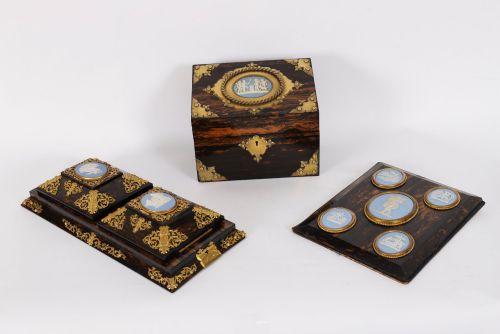
- Gilded bronze mounts applied to furniture and desk accessories, providing metallic contrast to dark woods like coromandel.
Brown Desk Tidy: Frequently Asked Questions
What is a brown desk tidy used for?
A brown desk tidy organises correspondence, envelopes, pens, and small stationery items on a writing table or bureau. These accessories kept daily paperwork sorted in period offices and homes.
Items range from simple letter racks and pen boxes to fitted cabinets with inkwells and secret drawers.
How do I identify a Victorian desk tidy?
Victorian examples often feature dark hardwoods like oak, walnut, or coromandel, combined with brass hardware and occasionally tooled leather. They reflect stylistic influences such as Gothic Revival, Arts and Crafts, or plain functional design.
Inspect the interior fittings, joinery, and materials to determine the period of manufacture.
What materials are used in these pieces?
The primary materials are timbers such as oak, mahogany, walnut, yew wood, and camphor wood. Secondary elements include brass mounts, glass ink bottles, and leather writing surfaces.
Some pieces incorporate specialist materials like bronze, silver, or ceramic jasperware inserts.
How should I care for an antique wooden tidy?
Keep wooden desk accessories away from direct sunlight and extreme humidity changes to prevent the timber from warping or splitting. Clean surfaces gently with a soft dry cloth and apply appropriate wax sparingly.
Avoid using harsh chemical polishes that can damage older finishes and inlays.