


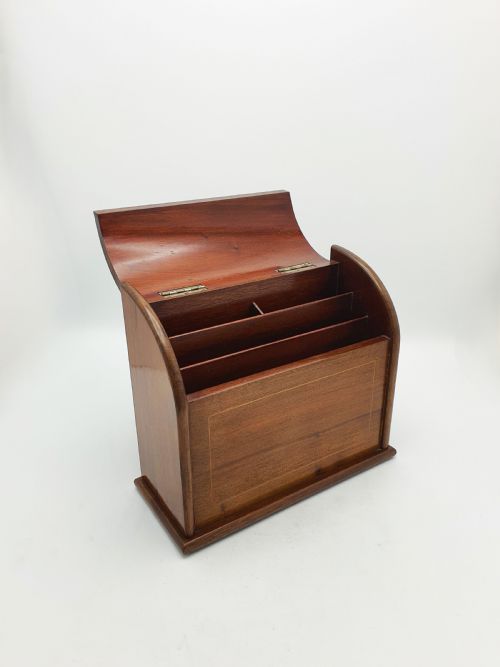

Antique Stationery Accessory
These pieces for the writing desk organise correspondence and tools, and an antique stationery accessory brings tactile purpose to modern workspaces.
Antique Stationery Accessory
An antique stationery accessory encompasses a wide variety of desk furniture designed to hold paper, pens, ink, and seals. Buyers frequently encounter nineteenth-century and early twentieth-century boxes, racks, and openers originating from Victorian and Edwardian households.
The assortment on this page spans utilitarian items like blotters and letter clips alongside decorative correspondence boxes and inkstands. These objects reflect the heavy reliance on handwritten letters and notes in past domestic and professional life.
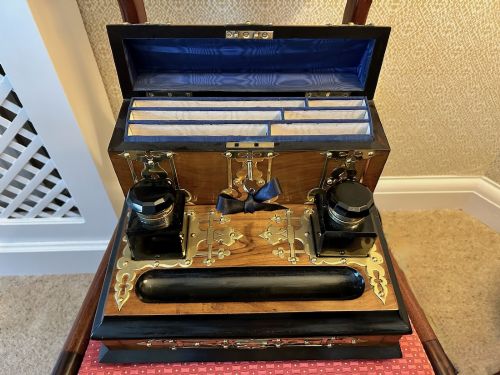
Materials range from rich hardwoods like walnut and mahogany to polished brass, sterling silver, and leather. Pieces often combine structural wood or metal with specialised fittings for inkwells and stamps.
Materials and Technique
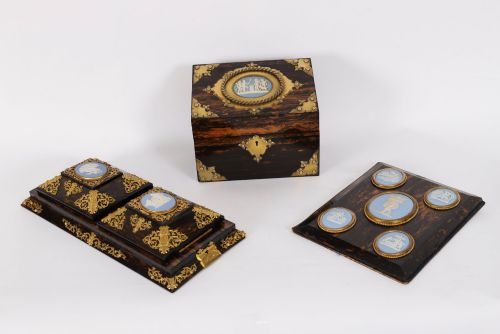
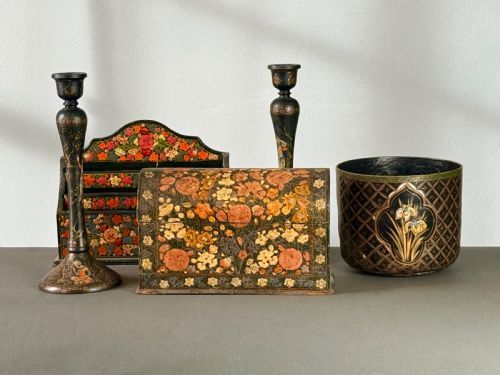
Cabinetmakers constructed boxes and cabinets from timbers such as walnut, coromandel, and rosewood, frequently incorporating brass mounts, inlaid details, or Tunbridge ware decoration. Leather and papier-mache also form the foundation for many desk tidies and blotters.
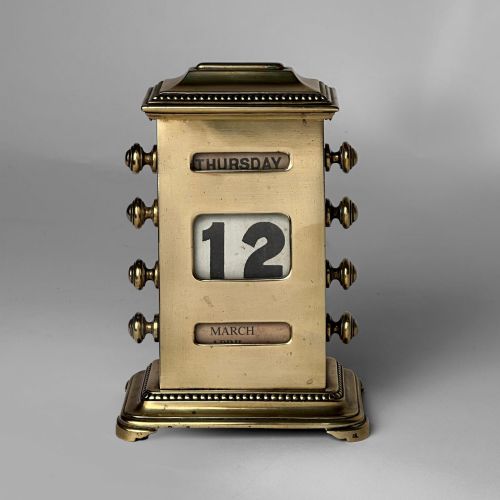
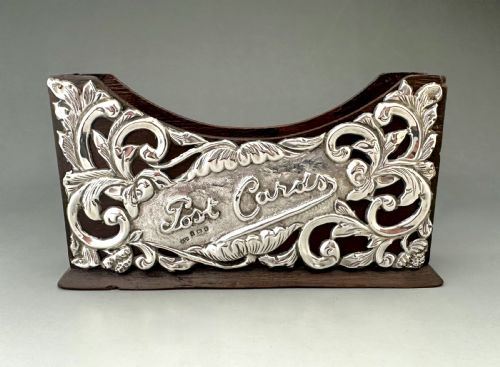
Metalworkers utilised cast brass, copper, and sterling silver to create perpetual calendars, letter openers, and novelty clips, sometimes pairing them with glass or tortoiseshell. Silver front panels and mounts appear frequently on Edwardian folders and notelet cases.
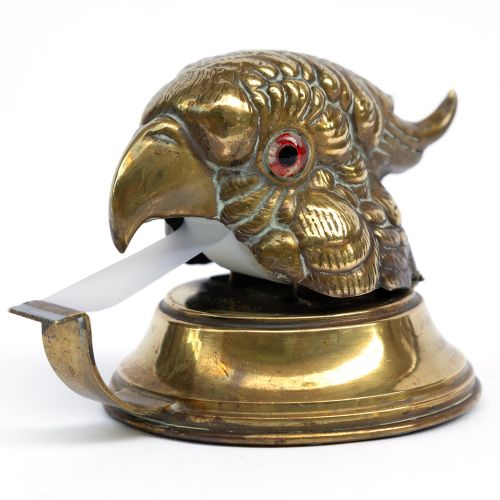
Send correspondence in style with a brass parrot dispensing your tape.
Distinctions in Execution
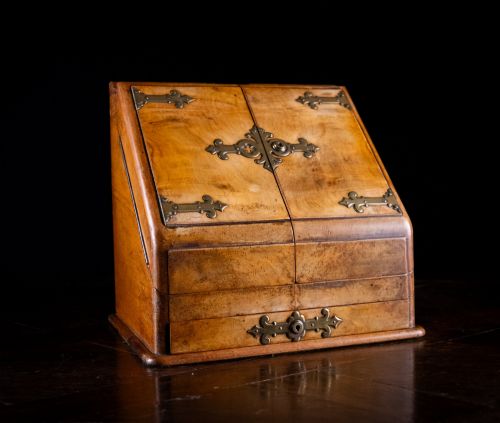
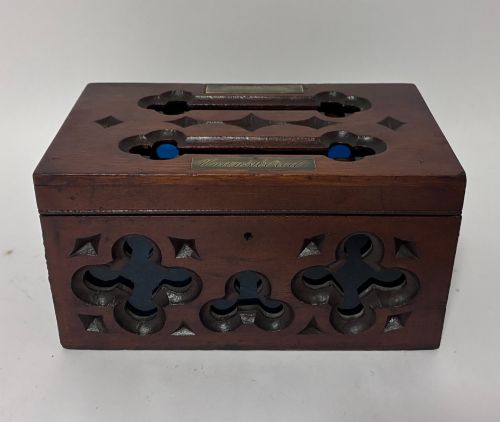
Execution of detail separates standard desk accessories from finer examples, particularly in the precision of wood inlay, brass casting, and leather tooling. Superior pieces display crisp definition in Rococo or Gothic revival mounts and secure, well-fitted hinges on boxes and cabinets.
The integration of precious materials like gold mounts, tortoiseshell, or agate cabochons elevates the standing of an item. Completeness also matters, such as retaining original intaglio glass seals or matching inkwells within a desk set.
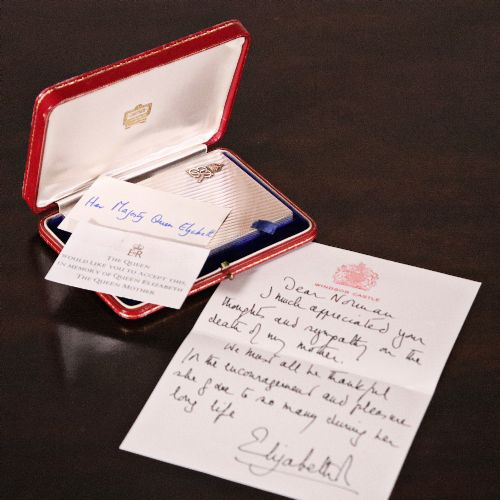
William Tonks of Birmingham·Cartier
The Antique Stationery Accessory Glossary
- Inkstand
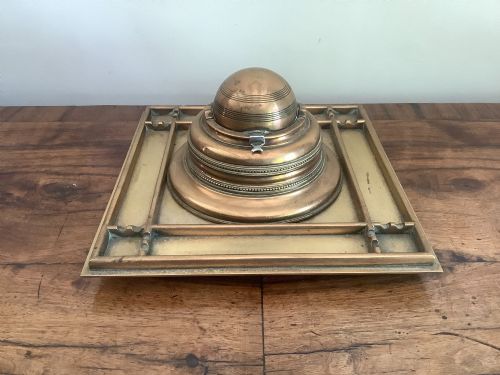
- A tray or stand holding inkwells, pen holders, and sometimes sanders or wafer boxes for writing desks. These pieces sit centrally on a desk to manage liquid ink.
- Letter Clip
- A spring-loaded device mounted on a base or wall to hold incoming or outgoing correspondence securely. They often take functional or novelty shapes.
- Tunbridge Ware
- Woodworking characterised by minute mosaic decoration made from many small pieces of naturally coloured wood to form geometric or pictorial scenes. This technique appears on nineteenth-century stationery boxes.
- Blotter
- A device or pad used to absorb excess ink from freshly written manuscript pages. They range from simple rocker shapes in wood and brass to hinged leather or silver folios.
- Notelet Case
- A specialised case or folder designed to store blank stationery and envelopes. These often feature silver or leather mounts.
Antique Stationery Accessory: Frequently Asked Questions
What is a stationery box?
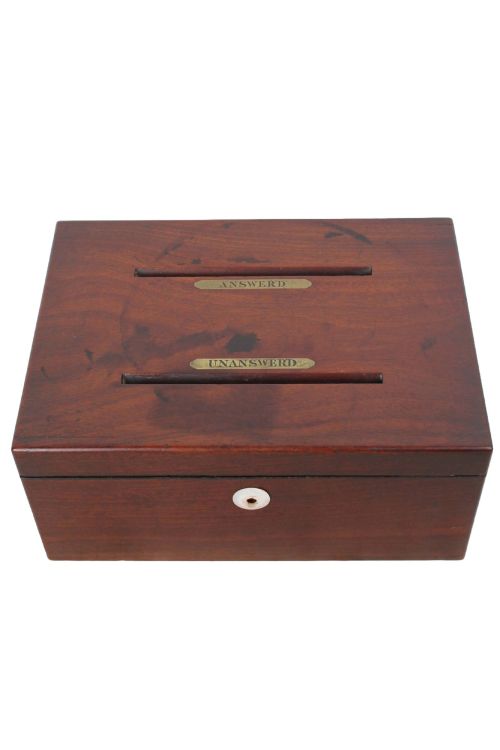
A stationery box is a desk cabinet with interior slots and compartments designed to hold writing paper, envelopes, and cards upright. They frequently feature hinged lids or fall-front doors.
Victorian and Edwardian versions often incorporate locking mechanisms and matching inkstands or blotters to create a unified desk ensemble.
How were letter clips used?
Letter clips served to hold daily correspondence, bills, and notes securely on the desktop or mounted to a wall before filing. The sprung metal jaw kept papers from scattering.
Many examples take decorative or novelty forms, such as butterflies, greyhounds, or hands, combining utility with desk ornament.
What is an inkstand?
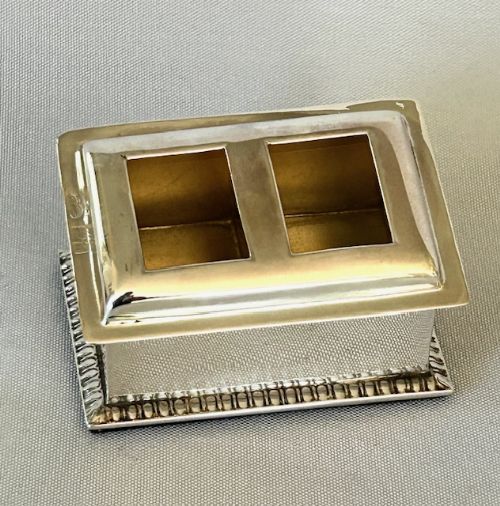
An inkstand is a desk accessory that holds one or more inkwells alongside pen troughs and sometimes stamp boxes. They kept necessary writing liquids contained and accessible.
Materials varied from cast brass and ormolu to silver and mahogany, matching the broader decorative style of the desk.
How do I date a desk accessory?
Dating relies on stylistic markers such as Gothic revival brasswork, Art Nouveau motifs, or specific periods like the Edwardian era. Hallmarks on silver components provide exact assay years.
Construction techniques, such as dovetailing in wooden boxes and the choice of materials like coromandel or papier-mache, also indicate specific decades.
Can I use these items today?
These pieces adapt well to modern desks for holding contemporary mail, notepads, pens, and digital tablets. Many items retain full mechanical function.
Care should be taken with delicate materials like leather, tortoiseshell, and unsealed wood when placing them in modern working environments.