
Edwardian Writing Bureau
When you look for an edwardian writing bureau, you enter a world of practical domestic workspace built with polished timbers and fitted interiors.
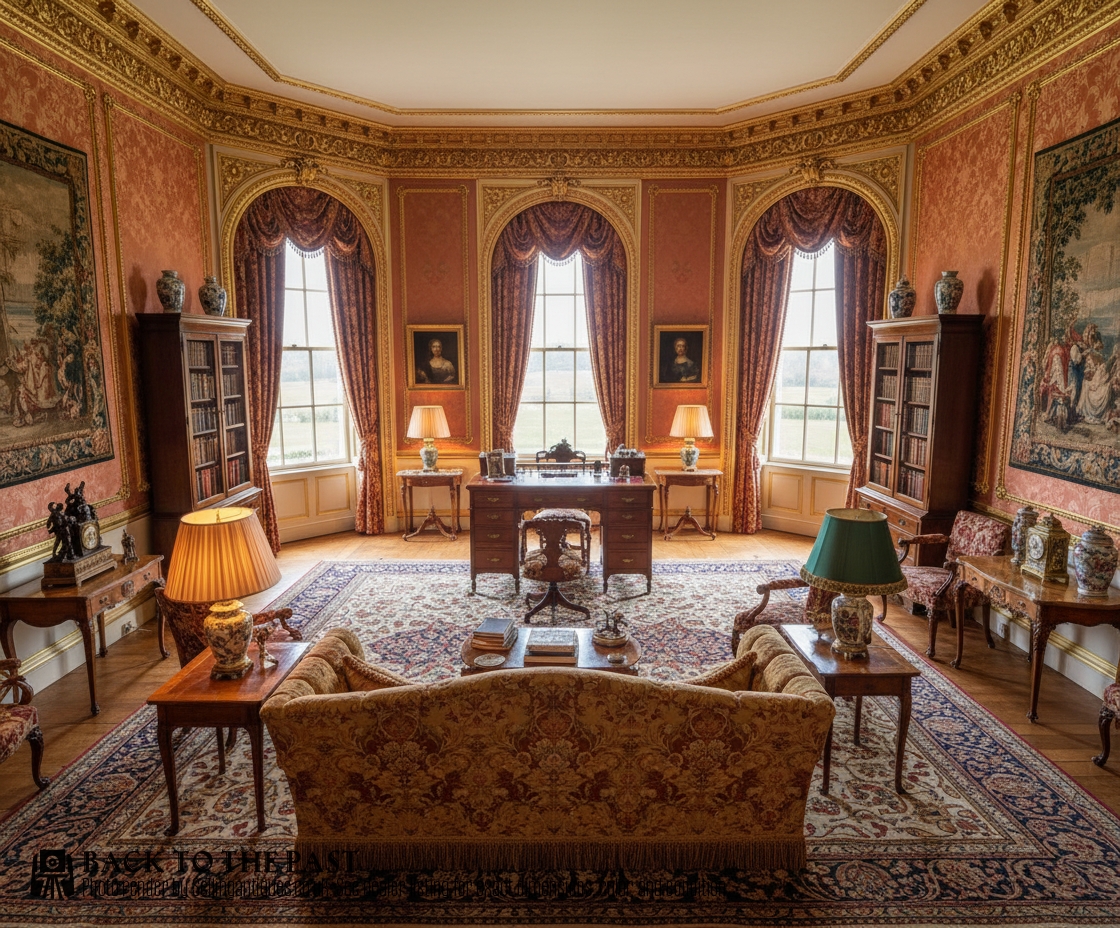
Edwardian Writing Bureau
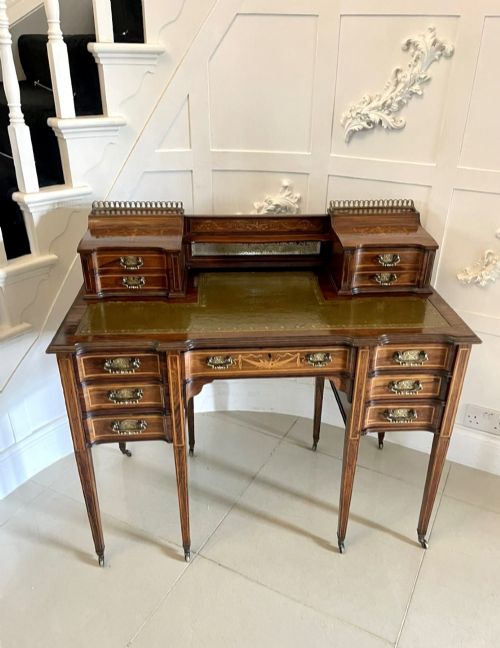
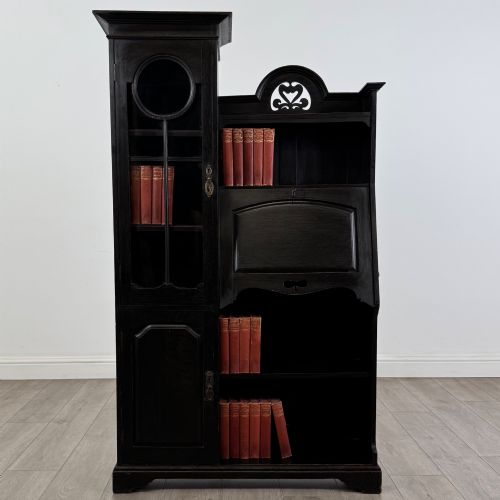
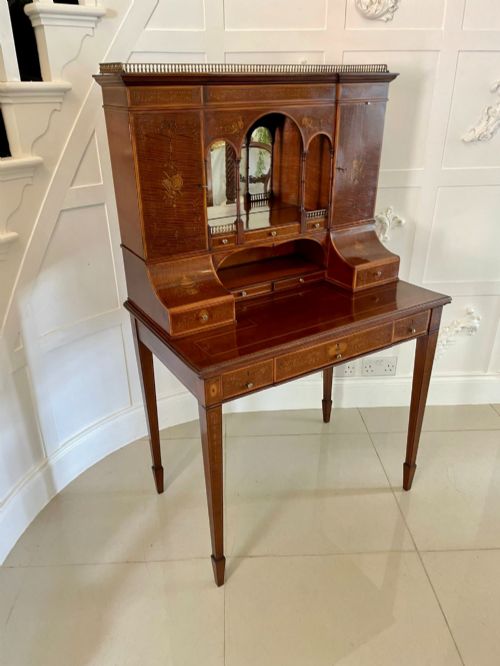
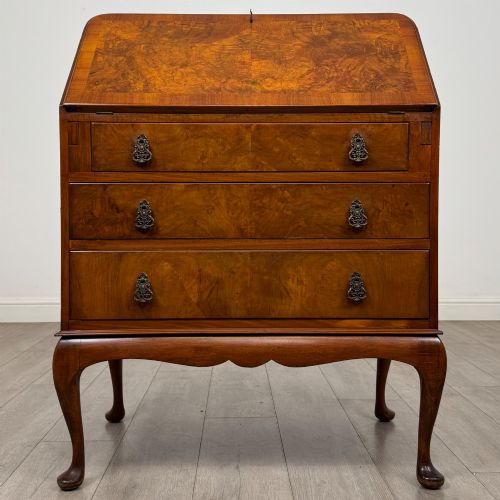
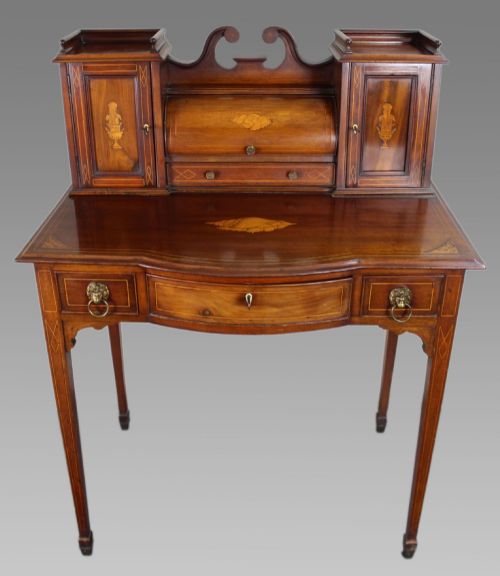
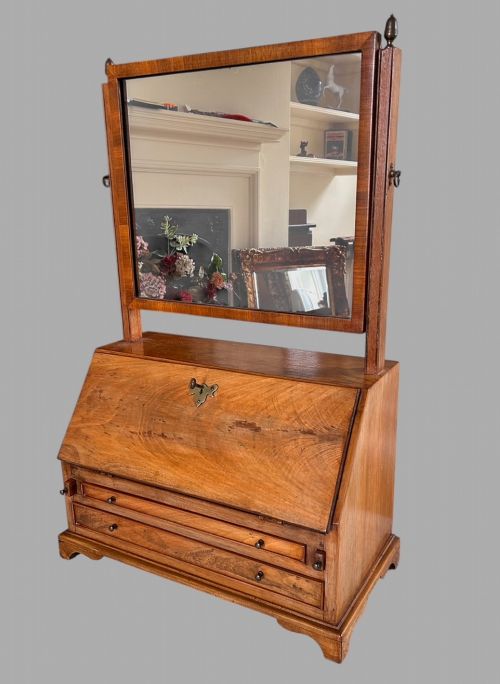
An edwardian writing bureau typically combines a sloped fall front with internal pigeonholes and drawers beneath a chest of drawers or atop sturdy legs. The selections range from compact oak cylinders to inlaid mahogany fall-front desks bearing the distinct stylistic touches of the period.
Makers of this era drew heavily on earlier design vocabularies, producing pieces styled after Sheraton, Chippendale, and Jacobean revivals alongside simpler Arts and Crafts models. Walnut and mahogany predominate, often enhanced with satinwood stringing or subtle marquetry.
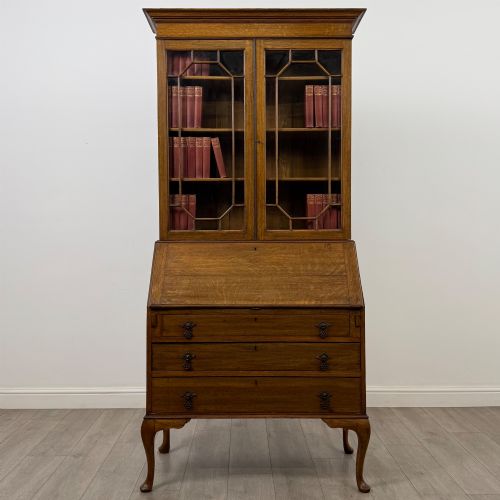
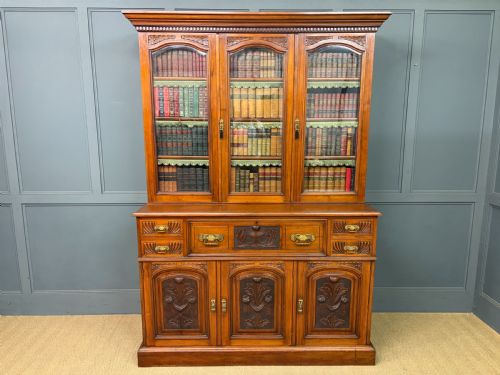
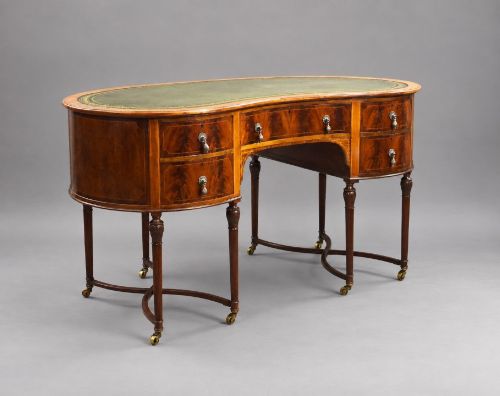
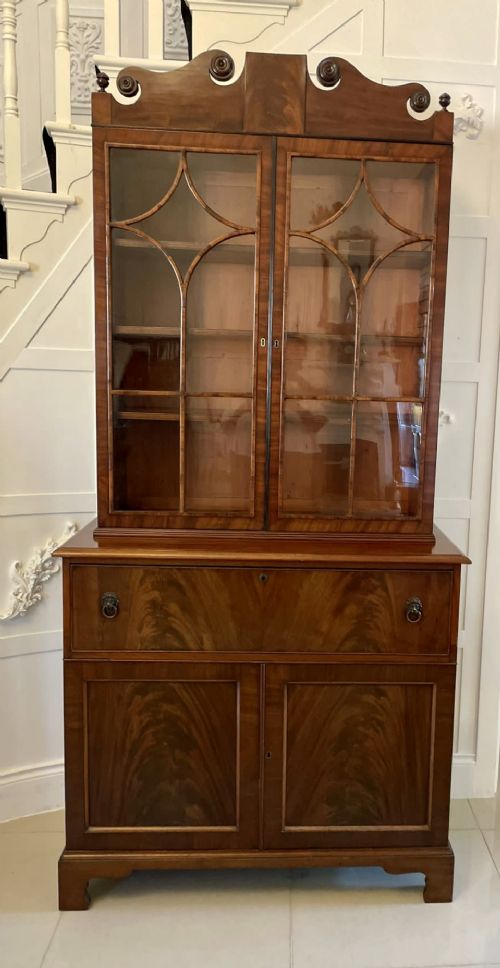
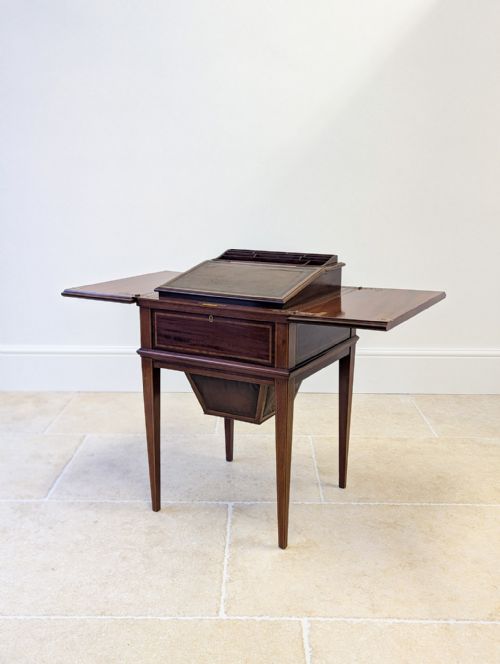
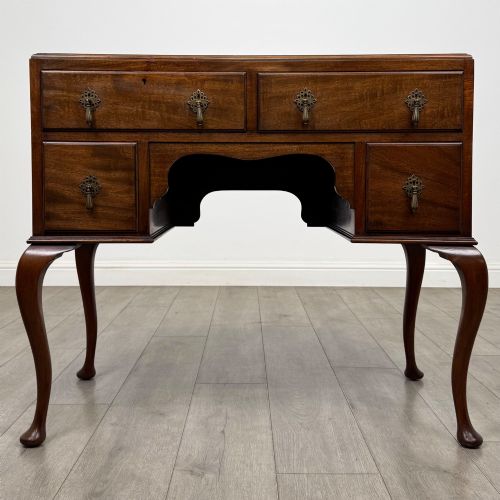
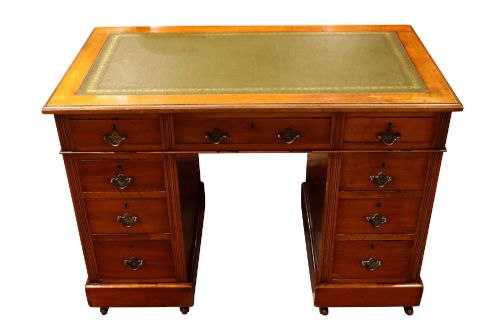
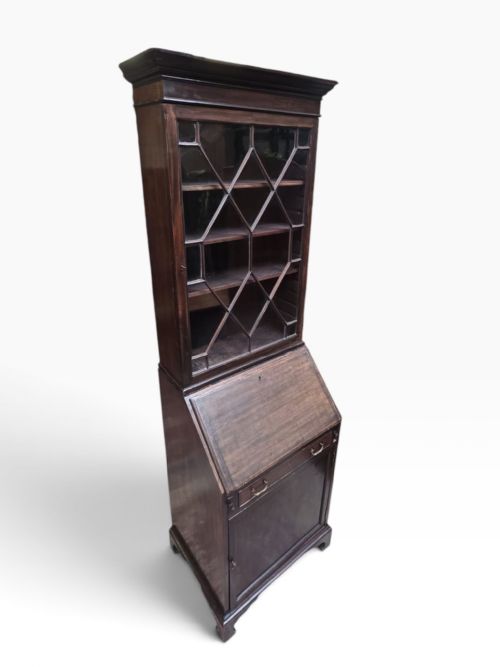
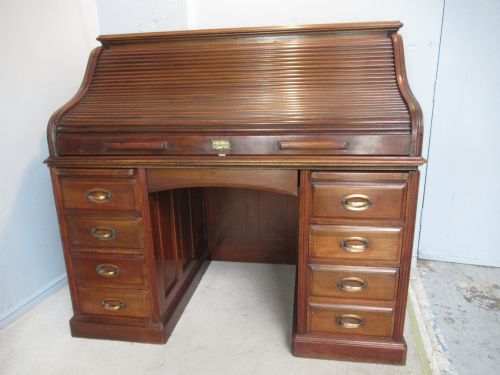
The archive shows that standard fall-front formats and tall bureau bookcases remain the most frequently encountered configurations on the market today. Buyers also find pedestal desks, cylinder tops, and specialist ladies writing tables originating from the early twentieth century.
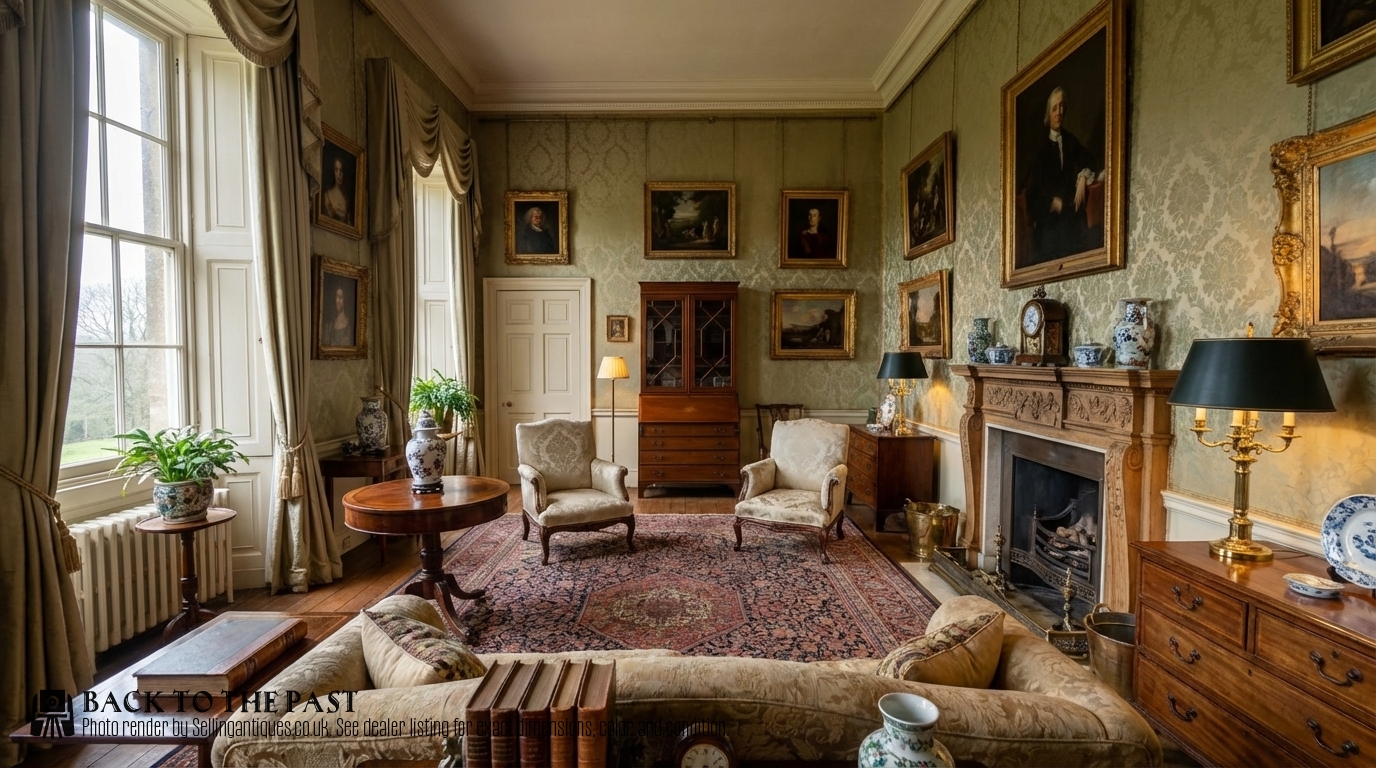
Materials and Construction
Cabinetmakers utilised solid and veneered timbers, selecting mahogany, oak, and walnut for their structural resilience and rich grain patterns. Drawer linings typically employed secondary woods like pine or oak, joined with hand-cut dovetails.
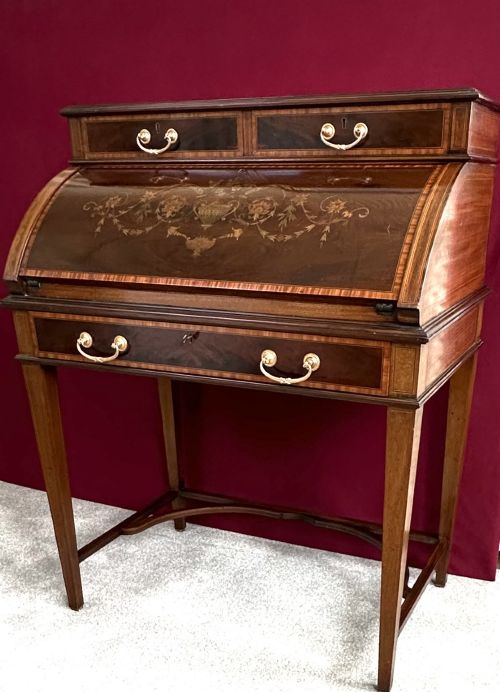
Decorative surfaces relied on contrasting stringing in satinwood, brass drop handles, and fine marquetry inlay work to delineate panels. Leather inserts frequently formed the writing surface of the fall front or desk top, bordered with gold tooling.
Structural support took the form of bracket feet, tapering legs, or barley twist uprights depending on the chosen revival style. Fitted interiors incorporated small drawers and pigeonholes constructed with miniature joinery.
Edwardian Writing Bureau Retail Price Guide 2026
Typical asking prices for edwardian writing bureau among the pieces listed under this phrase on Sellingantiques today, from the lower quarter to the upper quarter. They describe what is for sale here now, not the wider market.
The furniture spans multiple revival movements, including Sheraton, Chippendale, Jacobean, and Queen Anne styles.
Judging Quality
The distinction between standard commercial pieces and finer cabinetwork lies in the selection of figured wood veneers and the precision of the inlay. Pieces bearing maker stamps or paper labels from prominent firms reflect a higher standard of workshop assembly.
Internal organisation demonstrates superior craftsmanship through secondary drawers with tight dovetail joints and well-fitted stationery compartments. Hardware selection, from cast brass handles to working brass locks, separates utilitarian furniture from finer parlour pieces.
Maple and Co·Wylie and Lochhead·Edwards and Roberts
The Edwardian Writing Bureau Glossary
- Fall front
- A hinged writing flap that drops forward to reveal a fitted interior of small drawers and pigeonholes. When closed, it conceals the workspace and creates a flat fronted cabinet.
- Bureau bookcase
- A two-part item featuring a desk base combined with upper glass-fronted shelving. This form provided storage for both writing materials and a home library.
- Marquetry
- Decorative veneer work forming pictorial or geometric patterns using various coloured woods. Craftsmen cut these pieces to fit precisely together before gluing them onto the carcase.
- Stringing
- A thin inlay of contrasting wood set into the surface of a panel. It creates delicate borders around drawer fronts and desk tops.
- Cylinder desk
- A desk featuring a rolling curved wooden shutter that conceals the writing surface when pulled down. It offers a mechanical alternative to the standard fall front.
Edwardian Writing Bureau: Frequently Asked Questions
What is a fall front bureau?
A fall front bureau is a compact desk where the writing surface hinges down at an angle. This movement opens up access to internal compartments while keeping stationery neatly stored away.
When closed, the sloped lid presents a tidy wooden face that saves floor space in smaller rooms.
How do I use a bureau daily?
You pull down the hinged writing flap to create an instant writing ledge supported by internal arms. The array of internal slots and miniature drawers holds letters, pens, and paper.
At the end of the day, you close the lid to hide your paperwork and restore order to the room.
Where were these desks placed?
These pieces suited domestic settings such as drawing rooms, libraries, and bedrooms where residents handled personal correspondence. Their finished backs and compact proportions allowed them to sit comfortably against walls or freestanding.
Smaller ladies writing desks often occupied corners of boudoirs and reception spaces.
How do I distinguish Edwardian from Victorian?
Edwardian furniture generally exhibits lighter proportions and brighter timber tones compared to heavier Victorian counterparts. Designs from the later period frequently incorporate satinwood banding and revival styles influenced by Sheraton and Arts and Crafts ideals.
Victorian examples lean towards denser carved walnut and darker mahogany with more substantial structural mass.