

Edwardian Wooden Wall Mirror
These edwardian wooden wall mirror pieces combine practical reflection with period timber craftsmanship, bringing warmth and character to domestic hallways and living spaces.
Edwardian Wooden Wall Mirror
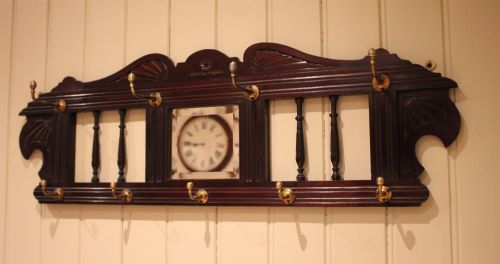
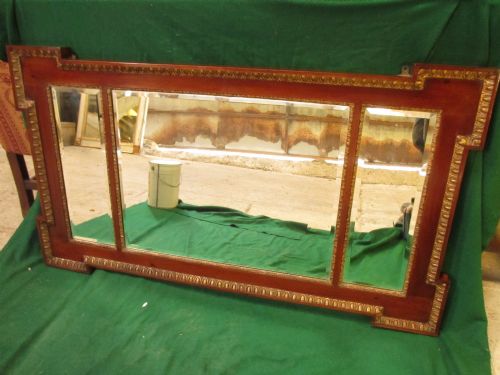
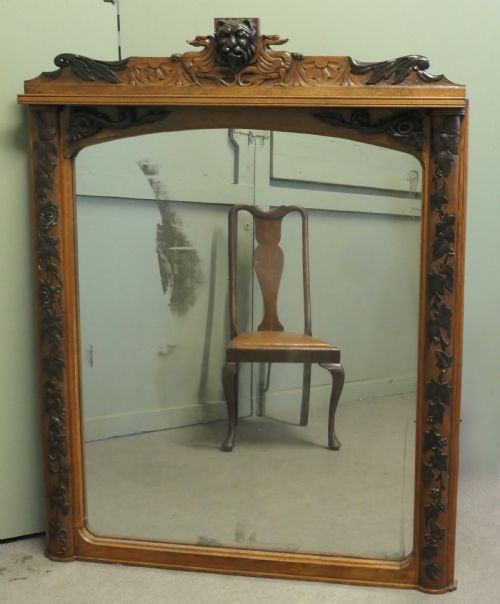
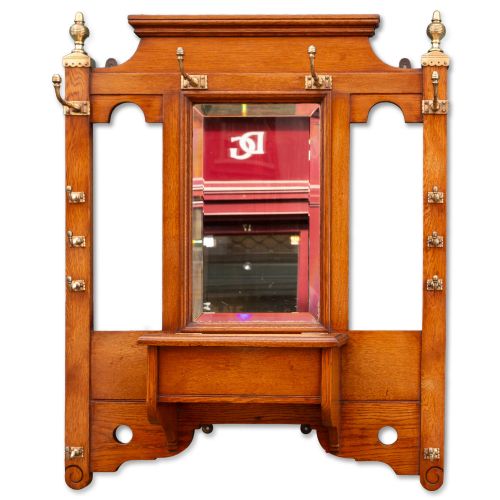
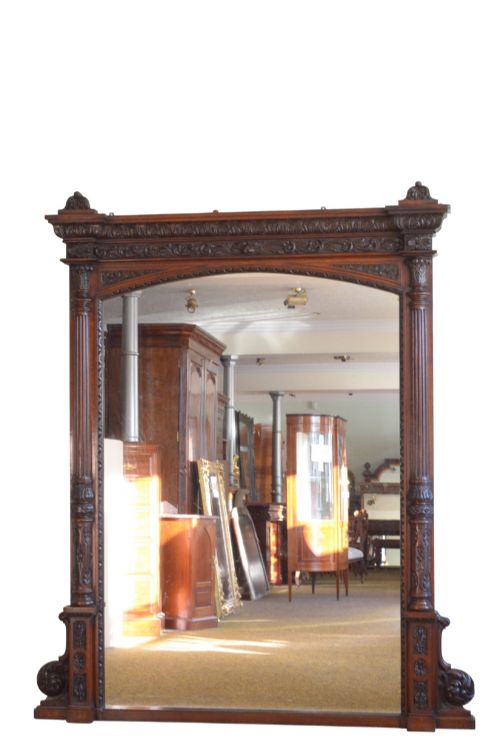
When you search for an edwardian wooden wall mirror, you encounter pieces spanning the late nineteenth century through to the early twentieth century, with Edwardian examples forming the core of the selection alongside Victorian and early twentieth-century items. These objects appear in various formats, ranging from simple bedroom and hall mirrors to larger overmantel pieces, frequently incorporating functional elements like coat hooks, shelves, or umbrella stands.
Materials and construction
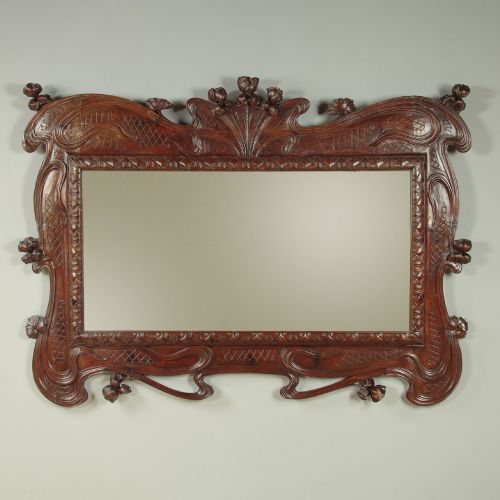
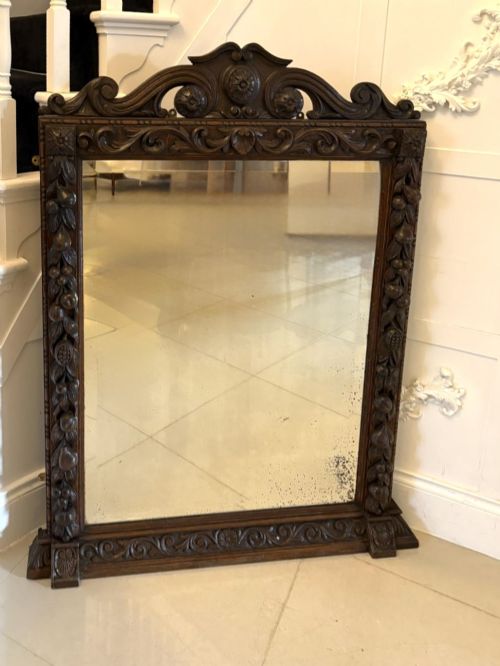
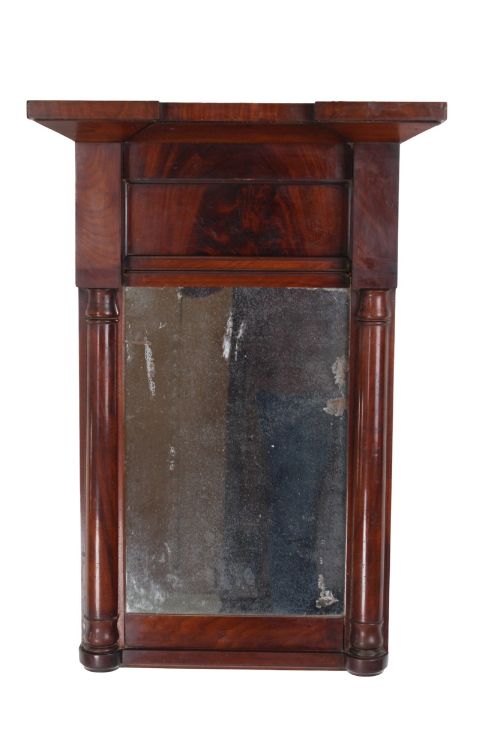
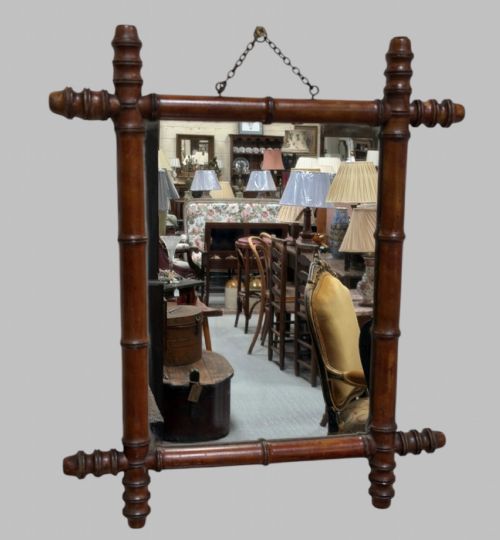
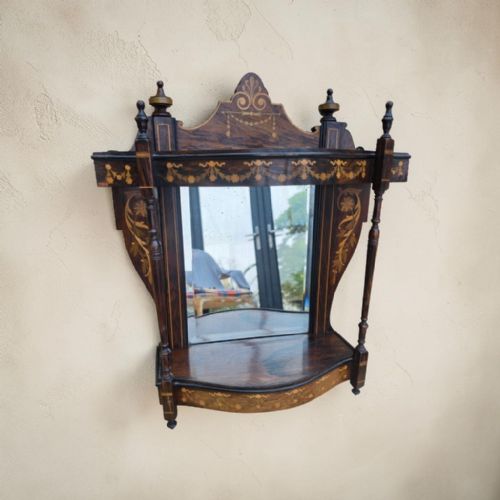
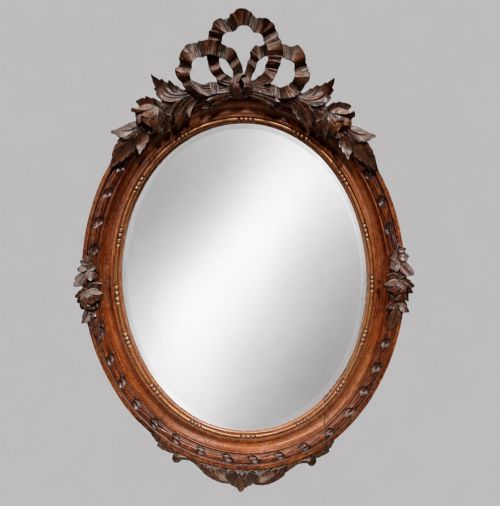
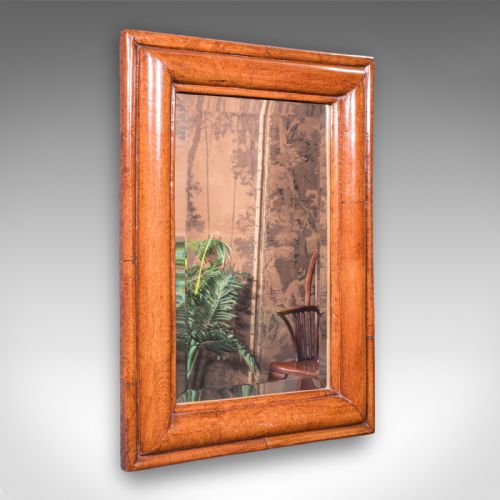
Makers utilised a variety of native and imported timbers for these frames, predominantly oak, mahogany, walnut, and maple, shaping them into solid mouldings or applying rich veneers. Workshops enhanced these wooden structures with decorative techniques including marquetry inlay, hand-carving, fretwork, and applied brass or copper elements, while some pieces integrated bone and mother of pearl details.
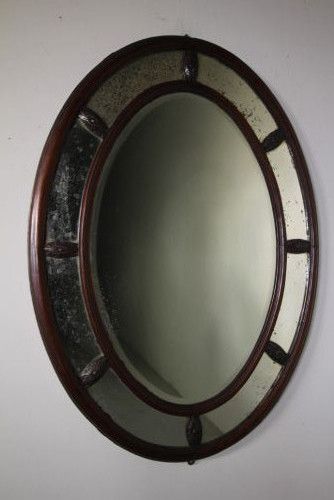
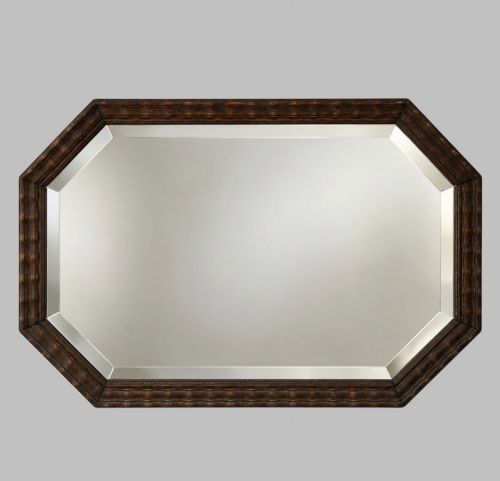
Reflecting surfaces typically consist of heavy mirror glass, often featuring bevelled edges that catch the light. Frames were assembled using traditional joinery methods suited to the weight of the glass, and incorporated secure hanging hardware designed to support wall-mounted placement safely.
The listings demonstrate a strong preference for oak and mahogany frames, alongside specialised examples incorporating brass, copper, and bone inlay.
Judging quality and craftsmanship
The distinction between standard domestic mirrors and exceptional pieces lies in the depth and precision of the hand-carved details, the complexity of any inlaid marquetry, and the selection of figured wood grain. Superior examples display crisp joinery, harmonious proportions, and integrated decorative metals or specialised ornamentation that elevate the frame beyond a basic utility item.
The condition of the original mirror glass and the integrity of the wooden frame dictate the desirability of a piece. Original bevelled plates with minimal silvering degradation, combined with untouched patination on the timber, separate well-preserved examples from those that have undergone heavy restoration or alteration.
Waring & Gillow·Liberty & Co
The Edwardian Wooden Wall Mirror Glossary
- Bevelled glass
- Glass with an angled edge ground and polished to a thinner width around the perimeter. This treatment refracts light and adds decorative depth to the mirror plate.
- Overmantel mirror
- A large horizontal mirror designed specifically to hang on the wall directly above a fireplace mantel. These pieces often anchor the decorative scheme of a principal room.
- Marquetry
- The art of applying small pieces of veneer to a structure to form decorative patterns or pictures. Craftsmen used contrasting timber tones to create intricate surface designs.
- Fretwork
- Ornamental design executed by piercing thin wood with a fretsaw. This technique produced openwork patterns, particularly visible on lighter Edwardian wall frames.
- Pier mirror
- A tall, narrow mirror traditionally hung on the wall space between two windows. They often sat above small consoles or pier tables in formal rooms.
Edwardian Wooden Wall Mirror: Frequently Asked Questions
How do I hang a heavy wooden mirror safely?
These substantial timber frames require secure wall fixings distributed evenly to support the combined weight of the wood and thick glass plate. Utilise appropriate wall anchors matched to your wall construction rather than relying on standard picture wire.
Professional mirror hangers often employ a french cleat system for large overmantel or solid oak pieces to ensure the weight rests flush against the wall without tilting.
Where were these mirrors placed in period homes?
Domestic mirrors served specific functional roles depending on their room placement, particularly in entrance halls where combined coat racks and vanity mirrors greeted visitors. Overmantel versions dominated principal reception rooms to reflect light from windows and gas or electric lighting.
Smaller rectangular and oval variants frequently hung in bedrooms or above hallway washstands as practical accessories for daily grooming.
How do I clean antique mirror glass?
Maintain the glass by applying a mild cleaning solution to a soft cloth rather than spraying liquid directly onto the frame. This prevents moisture from seeping behind the antique silvering or damaging the timber backing.
Avoid harsh chemical ammonia cleaners that can erode original mirror backing and degrade the surrounding wood polish over time.
What distinguishes Arts and Crafts mirrors from standard Edwardian styles?
Arts and Crafts frames emphasise honest construction and hand-worked materials, frequently displaying exposed joinery, hammered copper decorations, or Celtic knot motifs. These pieces prioritize simple utility and artisan craftsmanship over ornate factory-produced carving.
Standard Edwardian mirrors tend to lean towards lighter mahogany or inlaid satinwood aesthetics, incorporating classical revival motifs and refined marquetry.