




Victorian Oval Looking Glass
A victorian oval looking glass brings warmth and depth to a room through curved frames and reflective glass.
Victorian Oval Looking Glass
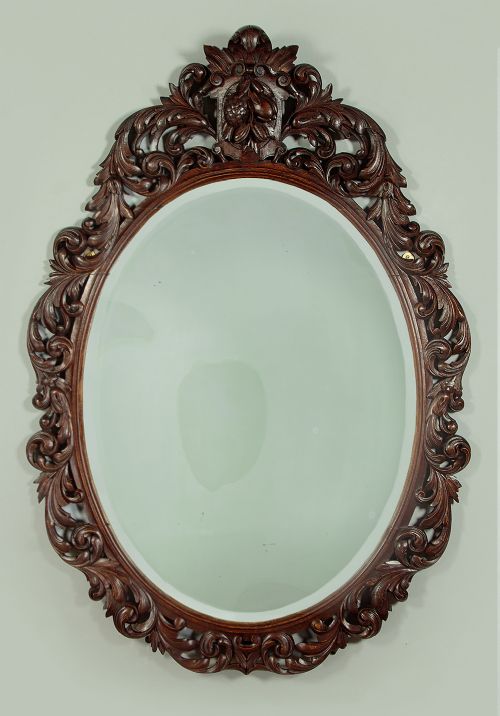
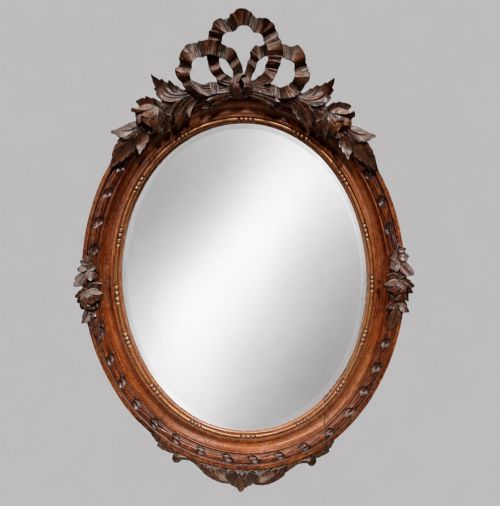
A victorian oval looking glass is a wall mirror designed to hang in domestic interiors during the nineteenth century. These pieces combine curved wooden or gesso frames with traditional glass plates to serve both practical and decorative purposes.
The versions most commonly met on this page span the decades from eighteen fifty to nineteen hundred, encompassing the broader Victorian era. They appear in styles ranging from plain nineteenth century designs to elaborate revival pieces.
Makers shaped these wall mirrors as single items or occasionally as pairs to suit reception rooms, bedrooms and hallways. Their oval silhouette softens the hard angles typical of many period interiors.
Materials and construction
Frames are constructed from timbers such as oak, walnut and general wood, providing a solid structural core. Carvers shaped these woods directly or applied gesso to create ornamented surface details.
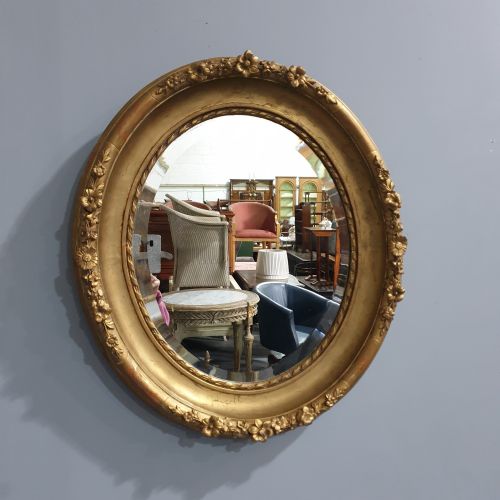
Many examples feature gilt or giltwood finishes applied over the carved wooden or gesso foundations. These metallic layers give the frames a bright, reflective quality that complements the glass mirror plate within.
Some nineteenth century mirrors managed to survive centuries of house moves while retaining their original gesso surfaces intact.
Judging quality in these mirrors
The depth and execution of the carving distinguish finer examples from simpler workshops. Crisp detailing in wood or gesso indicates a high degree of craftsmanship during the manufacturing process.
The harmony between the oval frame and the original glass plate defines the overall integrity of the piece. Well proportioned surrounds support the weight of the mirror while maintaining balanced stylistic lines.
The Victorian Oval Looking Glass Glossary
- Giltwood
- Wood that has been coated with gold leaf or a gold coloured finish. This material creates a bright reflective surface popular on nineteenth century frames.
- Gesso
- A plaster based mixture applied to wood frames and carved into decorative relief patterns. It provides a smooth base for subsequent gilding or painting.
- Bevelled
- Glass with an edge cut at an angle to create a framed border effect. This technique adds optical depth to the looking glass.
- Looking glass
- A traditional term for a mirror. It denotes a glass plate backed with a reflective coating and set into a decorative frame.
Victorian Oval Looking Glass: Frequently Asked Questions
Where should I hang an oval mirror?
These mirrors suit principal reception rooms, hallways and bedrooms where their curved frames soften surrounding architectural lines. They hang securely from wall fixings positioned to support the weight of the timber and glass.
Placement above mantelpieces or console tables provides a traditional focal point within a room. The vertical or horizontal orientation depends on the proportions of the specific oval frame.
How do I identify a Victorian mirror?
Victorian pieces display characteristics from the nineteenth century, including specific wood types and revival styles such as Rococo or Gothic. Construction methods and framing materials align with manufacturing practices of that era.
Examining the backing boards and the composition of the frame helps confirm the period of origin. Archive examples often feature bevelled glass and nineteenth century framing techniques.
What is giltwood?
Giltwood is timber finished with a gold leaf layer applied over a prepared gesso ground. It provides a durable and decorative surface for nineteenth century wall mirrors.
This finish reflects interior light and adds brightness to darker spaces. The technique was widely utilised across various Victorian design styles.
Are these mirrors heavy?
The weight varies according to the size of the glass plate and the density of the wood or gesso frame. Solid oak and carved timber examples require secure wall fixings to bear the load safely.
Larger wall mirrors demand appropriate hardware fixed directly into wall studs or masonry. Proper installation ensures the piece hangs securely without straining the frame.