
Edwardian Wooden Credenza
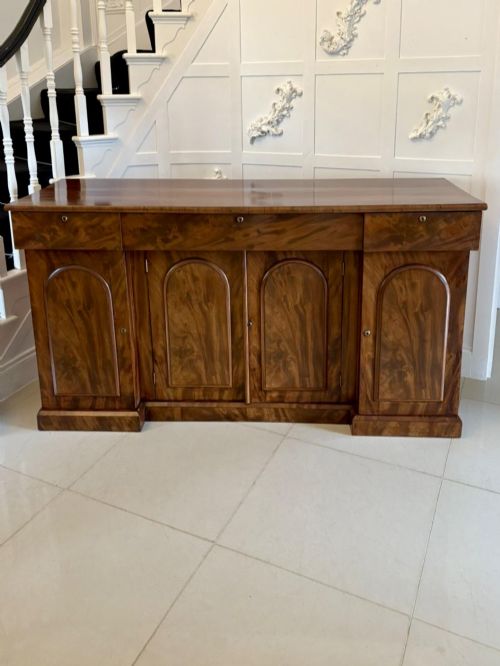
An Edwardian wooden credenza brings refined storage to a dining room, combining rich timber and classical inlays.
Edwardian Wooden Credenza
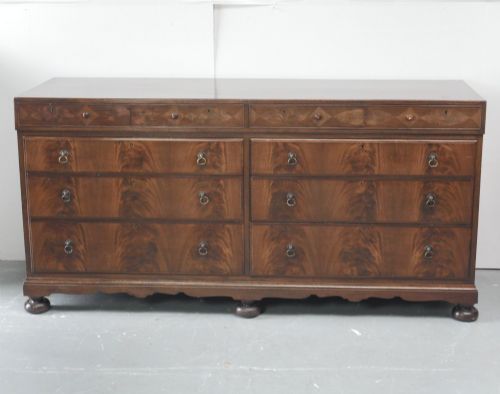
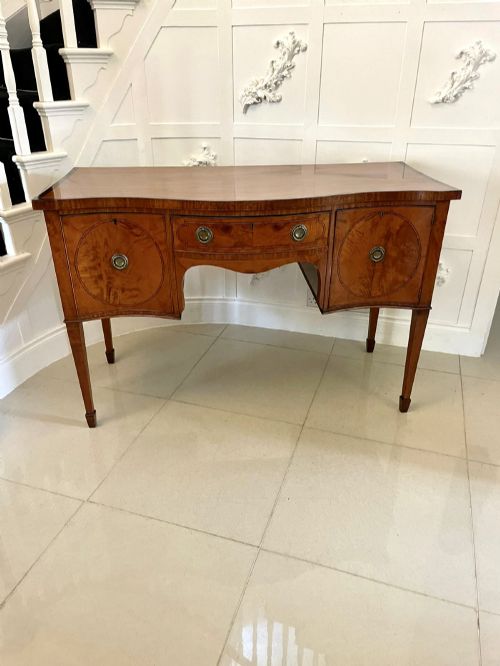
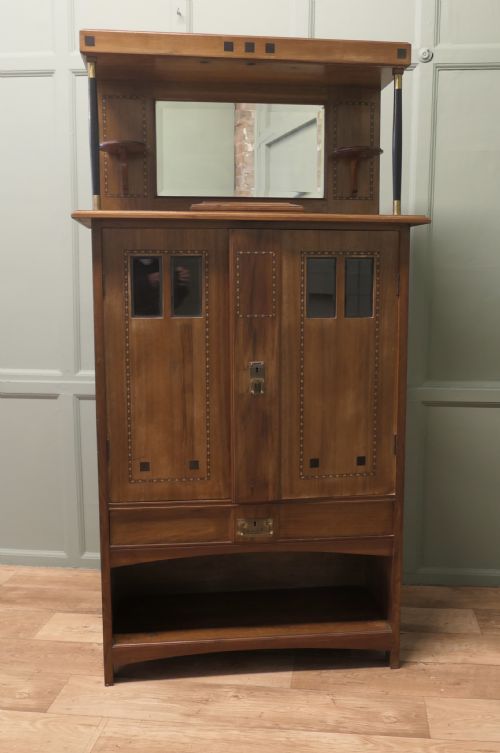
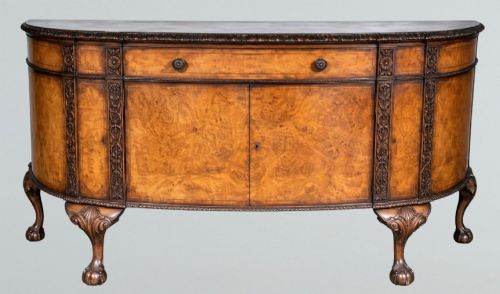
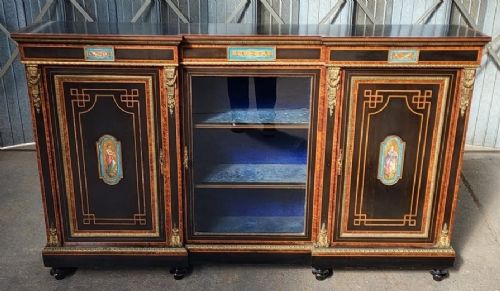
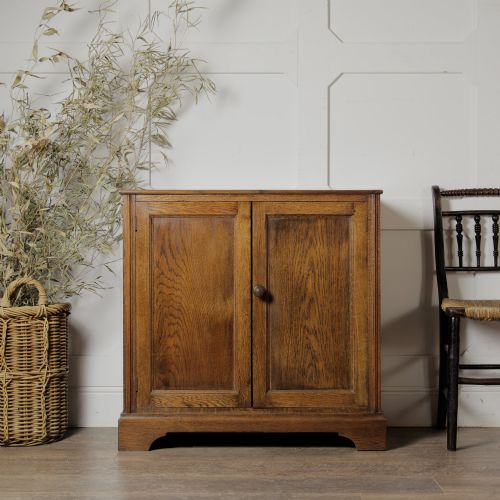
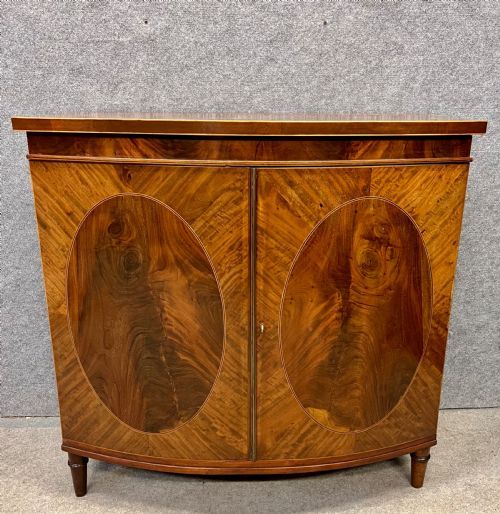
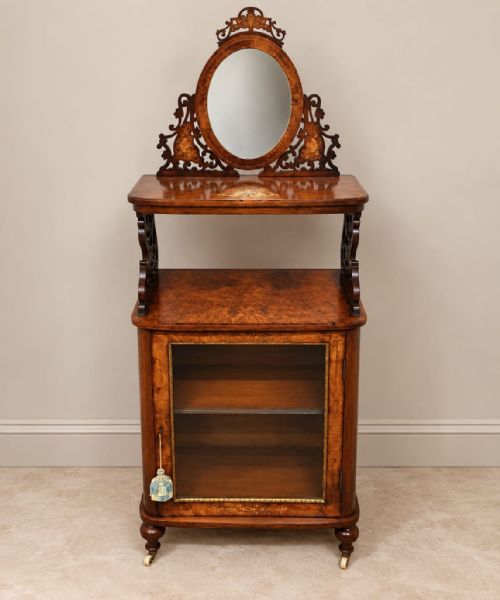
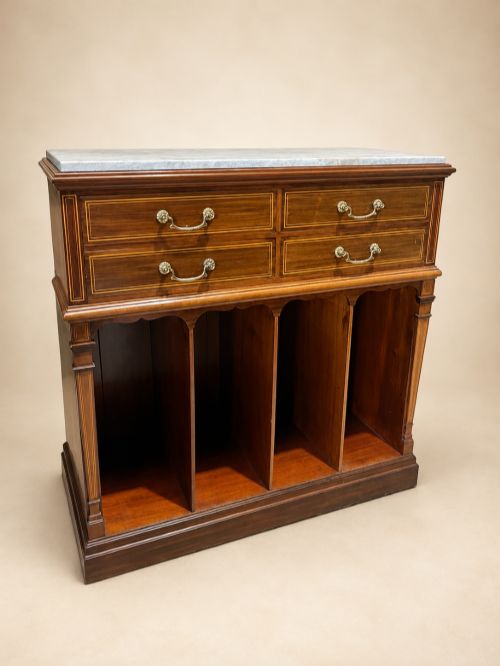
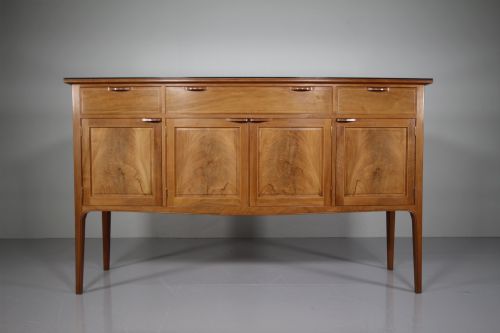
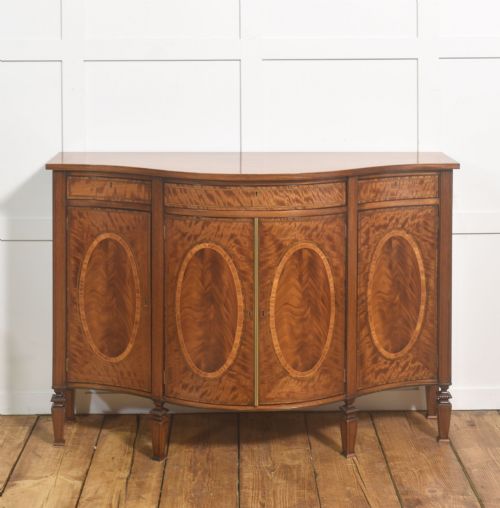
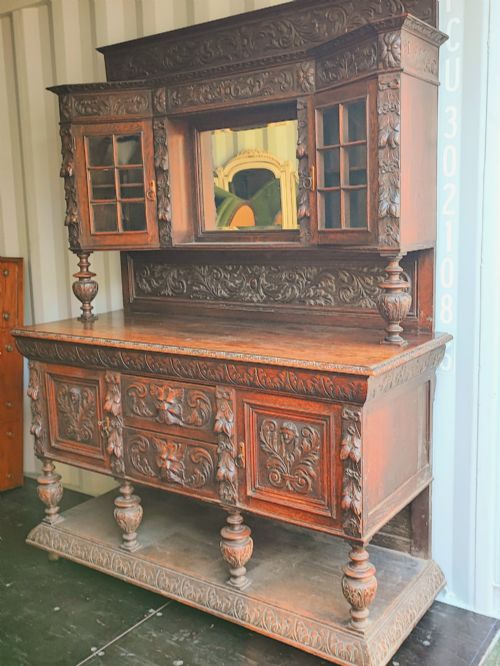
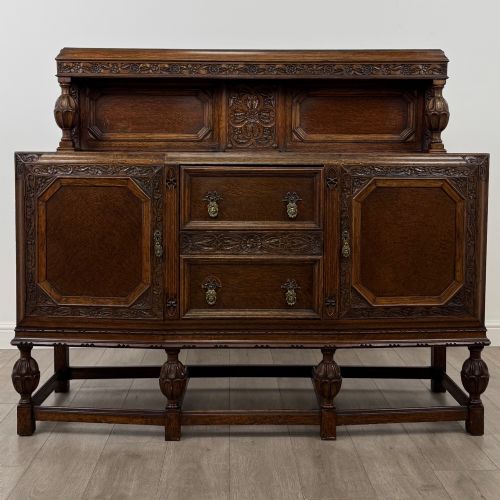
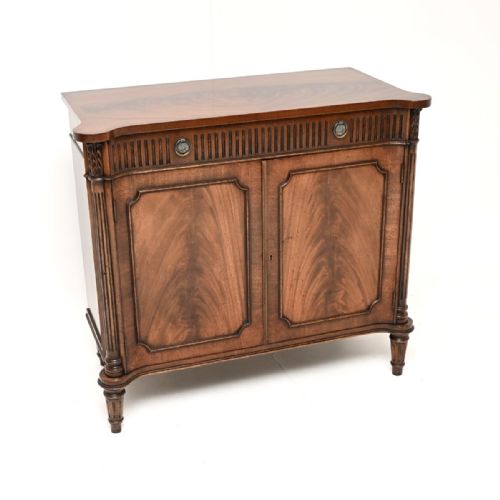
The selection ranges from bow-fronted sideboards in flame mahogany to inlaid satinwood demi-lune cabinets and oak cupboards. Edwardian examples often display delicate stringing and crossbanding, reflecting the enduring influence of Sheraton revival designs upon cabinet makers of the period.
Materials and construction methods
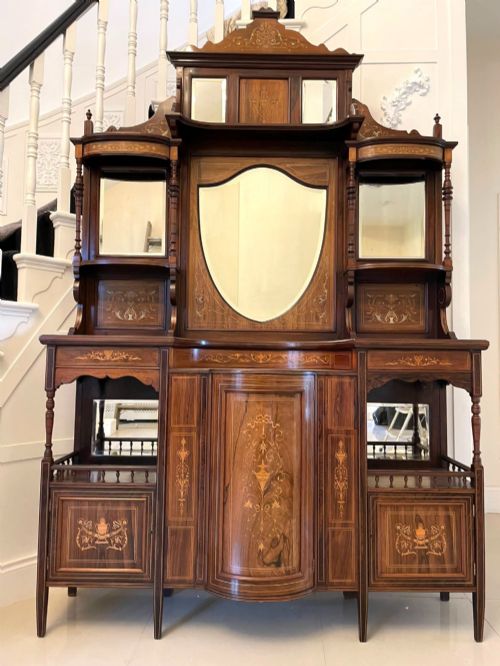
Makers utilised solid timbers and selected veneers, notably mahogany, walnut, burr walnut, and satinwood, applied over sturdy carcases of secondary woods. Decorative surfaces frequently incorporate contrasting boxwood and ebony stringing, marquetry motifs, and brass or ormolu mounts.
Joinery techniques combined traditional frame and panel construction with dovetailed drawer boxes and carefully applied crossbanding. Cabinet doors were hung on brass hinges, while internal fitted shelves and cutlery compartments provided practical utility for domestic service.
The furniture spans multiple eras from the nineteenth century through the 1930s, highlighting persistent revival movements.
Assessing craftsmanship and condition
Quality rests upon the selection of timber figures, such as the curl of mahogany or the complex grain of burr walnut, matched symmetrically across doors and drawer fronts. Superior execution appears in the crispness of marquetry inlays and the snug fit of opening doors and sliding drawers.
The integrity of the original polish and the retention of period brass hardware distinguish finer pieces from later alterations. Heavier, solid oak or mahogany iterations demonstrate robust structural joinery, whereas lighter satinwood cabinets rely on precise veneering skills.
Whytock and Reid·Edward Barnsley·M. D. Miller and Sons
The Edwardian Wooden Credenza Glossary
- Crossbanding
- A narrow strip of veneer applied perpendicularly to the grain of the main surface to form a decorative border. This technique frames drawer fronts and top panels on formal case furniture.
- Demi-lune
- Half-moon shape in plan, describing tables and cabinets designed to stand flush against a wall. Such pieces gained popularity during revival periods for tight corners and entrance halls.
- Marquetry
- The art of forming decorative patterns using fitted pieces of wood veneer and other materials. Craftsmen cut intricate floral or geometric designs to embellish cabinet doors.
- Stringing
- Thin inlaid lines of contrasting timber used to outline panels and borders on furniture. It provides a linear definition that highlights the proportions of the piece.
- Serpentine
- A gently curved front line that undulates outward in the centre and inward at the sides. This contour requires skilled carpentry to shape wooden carcases and matching drawers.
Edwardian Wooden Credenza: Frequently Asked Questions
What is an edwardian wooden credenza used for?
These low cabinets serve primarily for storing dining china, glassware, and silverware while providing a surface for serving food or displaying decorative objects.
In modern interiors, they function effectively as media consoles or hallway storage units due to their restrained depth and height.
How do I distinguish Edwardian from Victorian furniture?
Edwardian pieces generally exhibit lighter proportions, brighter timber tones, and a preference for neoclassical revival styles like Sheraton and satinwood crossbanding.
Victorian counterparts tend to be heavier in scale, utilising darker mahogany, rosewood, or ebonised finishes with bolder architectural mouldings.
Are these credenzas made of solid wood?
Most pieces combine solid timber frames with selected wood veneers applied to secondary structural carcases, ensuring stability against warping.
Precious timbers like satinwood and burr walnut were routinely used as veneers to display decorative grain patterns across wide surfaces.
How should I care for an antique wooden cabinet?
Keep the wood away from direct heat sources and strong sunlight to prevent the veneers from drying out, lifting, or fading over time.
Apply a traditional wax polish sparingly to maintain the lustre of the finish without building up excessive greasy residue.