


Edwardian Wedgwood Bowl
An Edwardian Wedgwood bowl brings vibrant lustre glazes and imaginative fantastical motifs into any room, offering a distinct piece of early twentieth-century ceramic artistry.
Edwardian Wedgwood Bowl
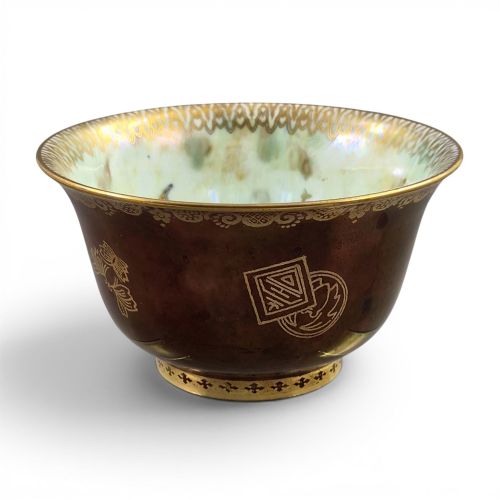
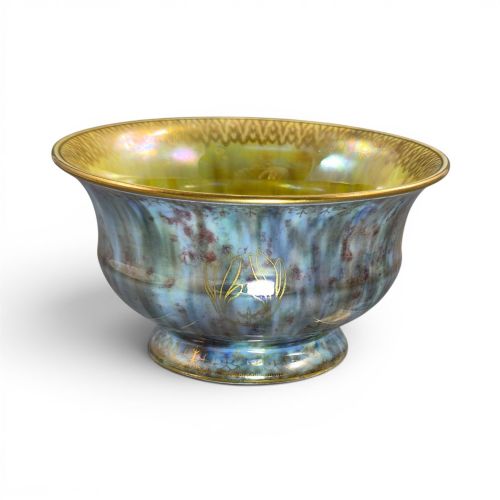
When you search for an edwardian wedgwood bowl, you encounter finely potted decorative vessels and miniature cups produced during the Edwardian period and the 1910 to 1920 timeframe. These pieces span standard circular shapes as well as distinct octagonal bowls.
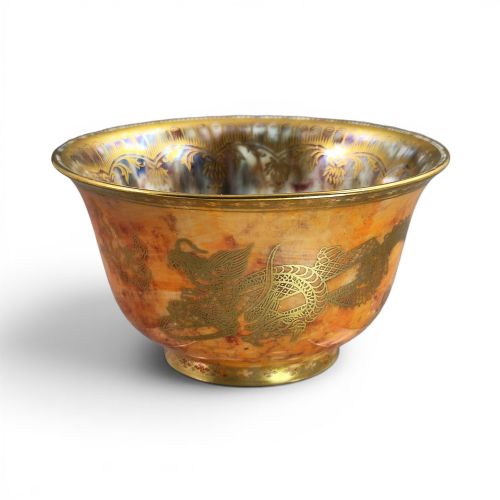
The most common examples on this page are decorative bowls finished in rich lustre glazes featuring subjects such as butterflies, dragons, and fairyland scenes. You also find smaller vessels like miniature cups alongside occasional jasperware fruit bowls.
Materials and production methods
Makers shaped these bowls from porcelain and bone china before applying intricate surface designs and metallic glazes. Artisans utilised techniques involving gold leaf, gold gilt, and lustre glaze to achieve shimmering, iridescent finishes.
Surface decoration often incorporated complex motifs transferred or hand-painted onto the ceramic body. Kiln-fired metallic glazes created the characteristic mottled orange and deep ruby effects seen across the range.
Edwardian Wedgwood Bowl Retail Price Guide 2026
Typical asking prices for edwardian wedgwood bowl among the pieces listed under this phrase on Sellingantiques today, from the lower quarter to the upper quarter. They describe what is for sale here now, not the wider market.
Bowls hidden away in dark cabinets for a century often retain a metallic sheen so bright they still catch the room's light.
Distinguishing quality in the pieces
Quality rests in the complexity and precision of the glaze work, particularly the depth of the lustre and the application of gold gilt. Pieces featuring elaborate pictorial scenes such as fairyland motifs or detailed dragons sit at the upper end of the range.
The crispness of mould forms, such as the sharp angles on octagonal bowls, also influences the character of the object. Subtleties in the mottled colour gradients and the integration of gold leaf show the level of artisan control during firing.
Daisy Makeig-Jones·James Hodgkiss·Wedgwood
The Edwardian Wedgwood Bowl Glossary
- Lustre Glaze
- A ceramic finish containing metallic oxides that produces an iridescent, light-reflective surface when fired. This technique gives the bowls their characteristic shimmering appearance.
- Bone China
- A type of soft-paste porcelain incorporating bone ash, providing strength and a brilliant white background for glazes. It allows for thinner, more refined vessel walls.
- Jasperware
- A type of unglazed stoneware developed by Wedgwood, typically featuring contrasting white relief figures applied against a coloured background. It provides a tactile, matte texture.
- Gilt
- Application of gold leaf or powdered gold onto the surface of the ceramic. It highlights rims, handles, and specific decorative motifs.
Edwardian Wedgwood Bowl: Frequently Asked Questions
How do I care for my bowl?
Dust the surface gently with a soft, dry cloth to remove everyday particles. Avoid abrasive cleaners or harsh scrubbing that could damage the delicate lustre glaze and gold gilt.
Keep the vessel out of direct sunlight to prevent any fading of the vibrant colours over time. Display the bowl on a stable surface away from areas prone to knocks or temperature extremes.
Were these bowls used daily?
Most decorative lustre bowls and miniature cups served ornamental purposes in Edwardian homes rather than functional dining use. Their intricate metallic finishes and gold leaf details made them display items for drawing rooms and cabinets.
Some jasperware pieces functioned as fruit bowls, but the fine glaze work on fairyland and dragon designs pointed toward artistic appreciation. They were collected and admired for their imaginative visual narratives.
How do I identify the period?
Look for stylistic markers associated with Art Nouveau and Art Deco movements alongside Edwardian ceramic conventions. The specific combination of lustre glazes and mythological or insect motifs typically points to production around the 1910s and 1920s.
Check the base of the vessel for maker marks and pattern numbers that correspond to known production eras. Comparing the form, such as octagonal shapes, helps narrow down the manufacturing decade.
What is fairyland lustre?
Fairyland lustre is a specialised line of decorative ceramics featuring fantastical scenes of elves, gnomes, and mythical creatures. The designs utilise rich coloured backgrounds combined with heavy gold printing and iridescent glazes.
This decorative style represents some of the most intricate work produced by the pottery during the early twentieth century. Each pattern tells a visual story across the interior and exterior surfaces of the bowl.