


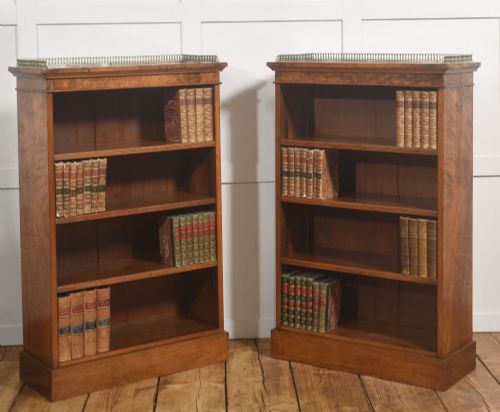


Edwardian Walnut Shelf
Edwardian walnut shelf pieces offer practical display surfaces and bookcase storage, bringing rich grain patterns and period charm to any room.
Edwardian Walnut Shelf
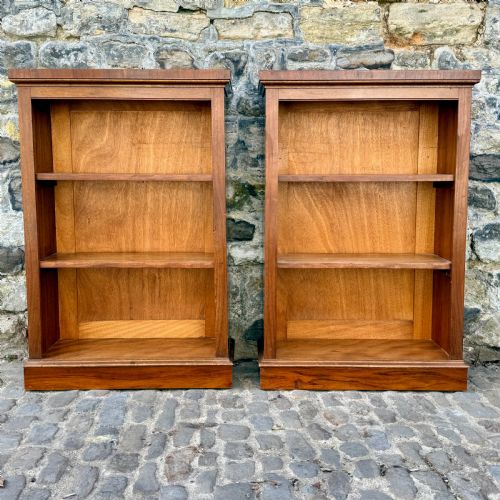
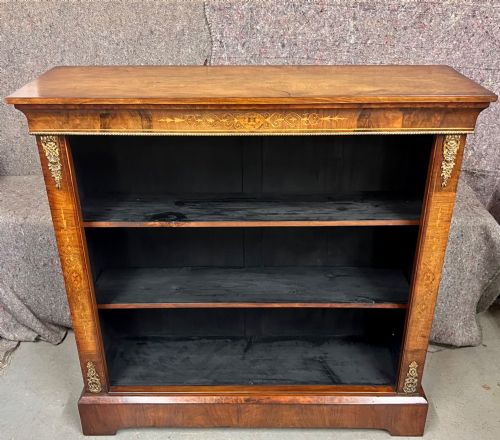
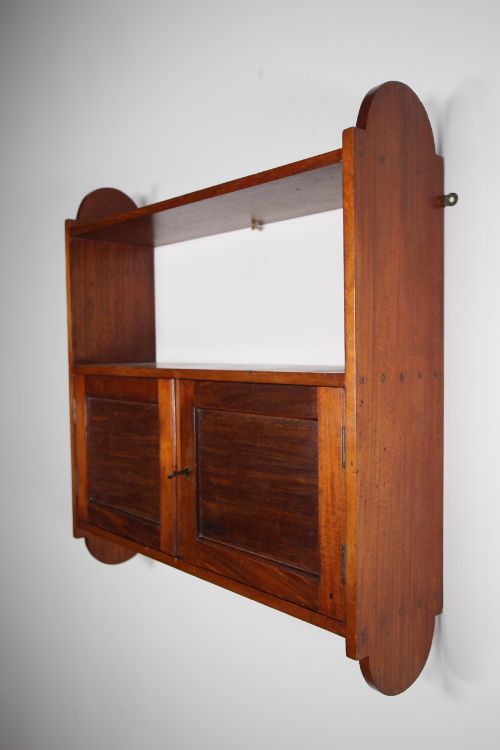
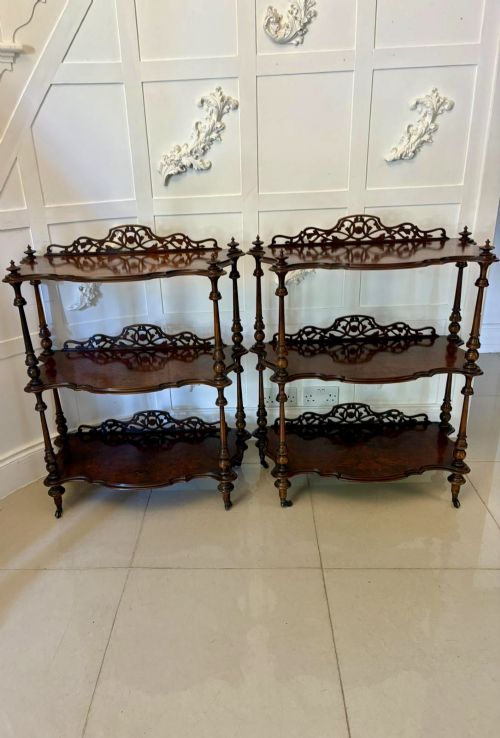
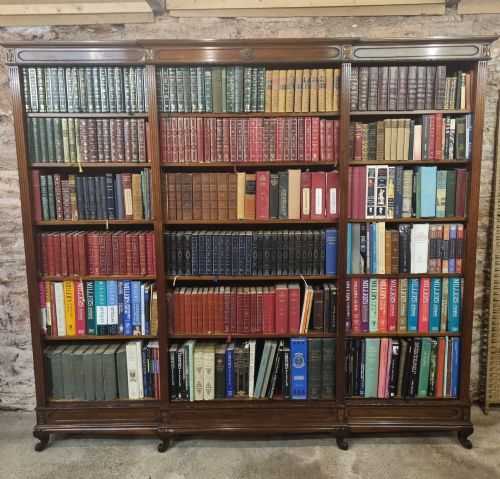
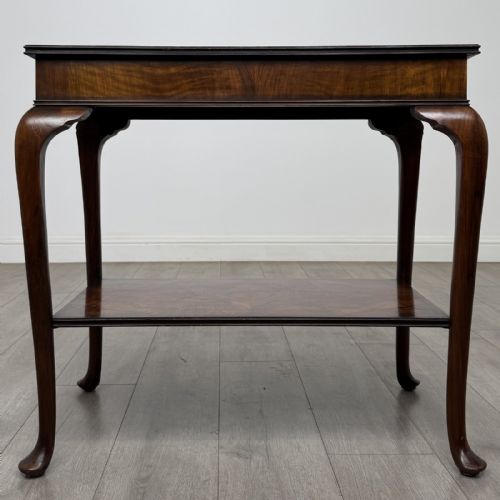
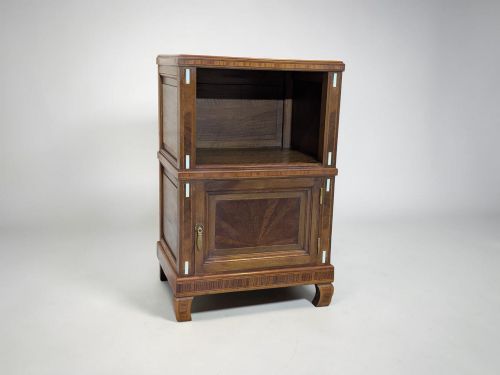
An edwardian walnut shelf typically appears as part of a bookcase, wall cabinet, or etagere designed for domestic display and storage. Buyers seeking an edwardian walnut shelf will encounter open bookcases with adjustable tiers, two-tier occasional tables, and wall-hanging units.
The selections span Edwardian and Victorian periods alongside 19th-century examples, reflecting diverse forms from simple open shelves to complex breakfront cabinets. Walnut remains the unifying medium across these varied utilitarian and decorative formats.
How they were made
Cabinet makers utilised solid walnut and walnut veneer, frequently selecting burr walnut to highlight dramatic grain patterns on prominent surfaces. Marquetry inlay, brass fixtures, and ormolu mounts added decorative contrast to the timber frames.
Construction techniques included adjustable shelving mechanisms, carved detailing characteristic of Arts and Crafts movements, and glazed or mirrored components integrated into wall cabinets and hall furniture.
Edwardian Walnut Shelf Retail Price Guide 2026
Typical asking prices for edwardian walnut shelf among the pieces listed under this phrase on Sellingantiques today, from the lower quarter to the upper quarter. They describe what is for sale here now, not the wider market.
A Black Forest owl carved wooden bookend watches over the study shelves with permanent avian vigilance.
What varies in quality
The grade of timber selection dictates visual appeal, with figured burr walnut veneers commanding greater attention than plain walnut boards. Superior pieces exhibit precise marquetry work, clean joinery, and functional adjustable shelf hardware that operates smoothly.
Design ambition separates standard utility pieces from exceptional examples bearing maker attributions or sophisticated architectural proportions. Original surfaces and well-preserved brass or gilt metal mounts elevate the standing of any individual item.
H.A.C.·Arthur Simpson·Maple & Co.
The Edwardian Walnut Shelf Glossary
- Burr walnut
- A veneer sliced from walnut tree growths, producing intricate, swirling grain patterns highly prized in cabinet making. This timber choice instantly signals a piece intended for a formal reception room or parlour.
- Marquetry
- Decorative patterns formed by fitting together thin veneers of wood and other materials onto a structural surface. Craftsmen utilise this technique to create geometric or floral motifs.
- Breakfront
- A cabinet or bookcase whose central section projects forward from the flanking wings. This architectural arrangement creates depth and visual rhythm in large furniture pieces.
- Adjustable shelves
- Shelving supported by moveable brackets or rack systems that allow the user to alter vertical spacing. This practical inclusion appears frequently in better quality bookcases.
Edwardian Walnut Shelf: Frequently Asked Questions
How do I adjust the shelves?
Most period bookcases utilise wooden ratchets, brass studs, or metal track systems fitted inside the interior walls.
Lifting the shelf slightly allows the support pegs or brackets to disengage and relocate into alternative slots.
Where should I place these pieces?
Open bookcases and etageres suit studies, living rooms, and hallways for holding books and display items.
Wall-mounted cabinets function well in smaller spaces like bathrooms or corridors where floor area is limited.
How do I identify Edwardian pieces?
Edwardian items date from roughly 1901 to 1910, often displaying lighter construction and influences from earlier revival styles.
They frequently combine practical utility with decorative inlays or satin walnut timbers.
What is burr walnut?
Burr walnut derives from a tree growth or excrescence that produces highly convoluted and swirling grain patterns.
Cabinet makers sliced this wood into fine veneers to adorn the front panels of high-status furniture.