


Edwardian Wall Lights
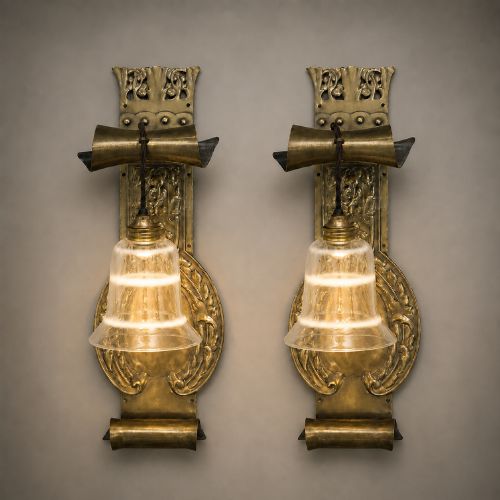
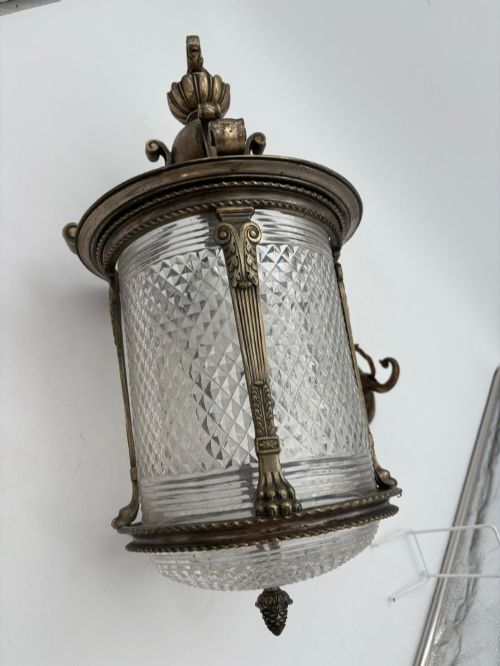
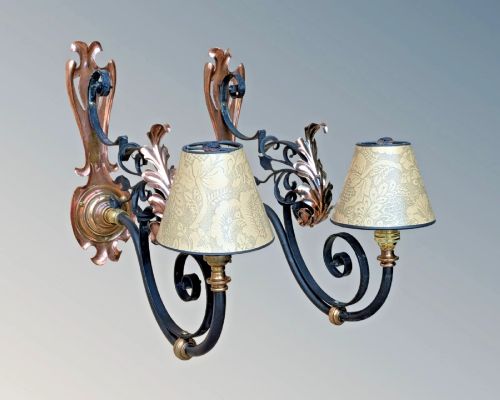
Edwardian wall lights illuminate domestic interiors with period grace, bringing brass, silver plate and crystal into hallways and reception rooms.
Edwardian Wall Lights
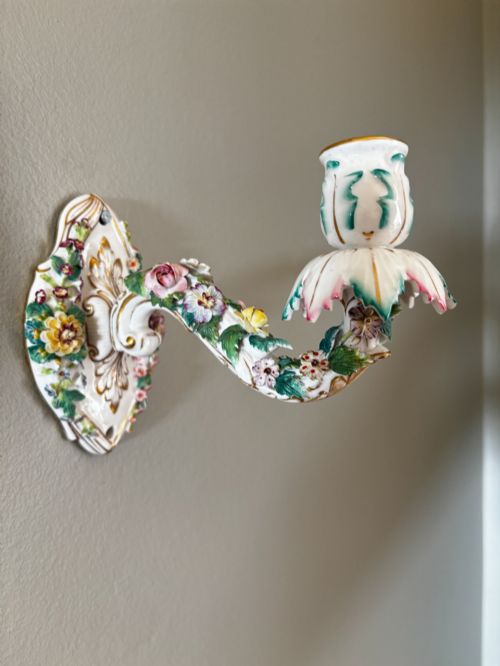
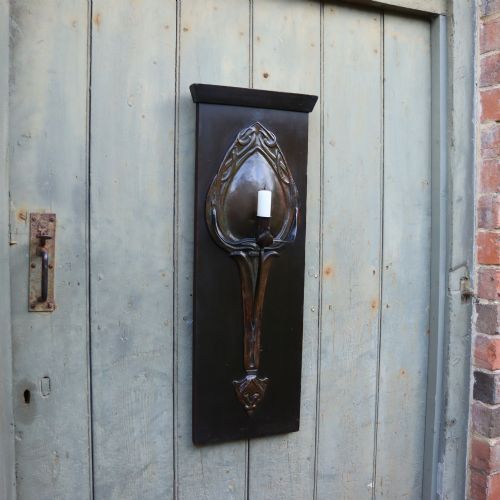
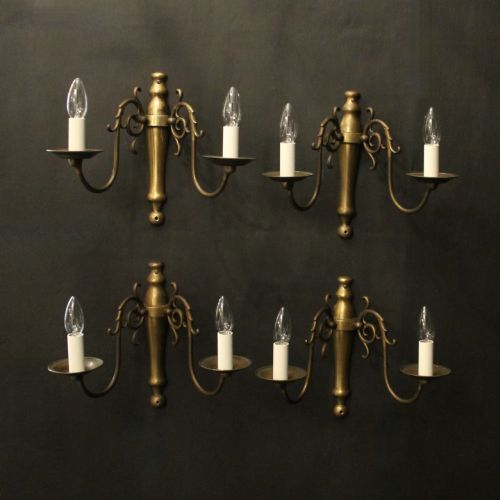
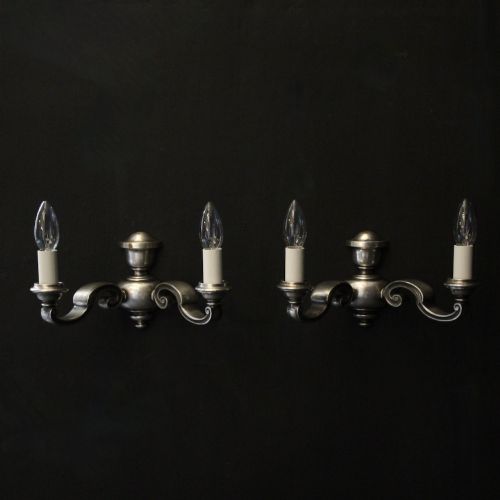
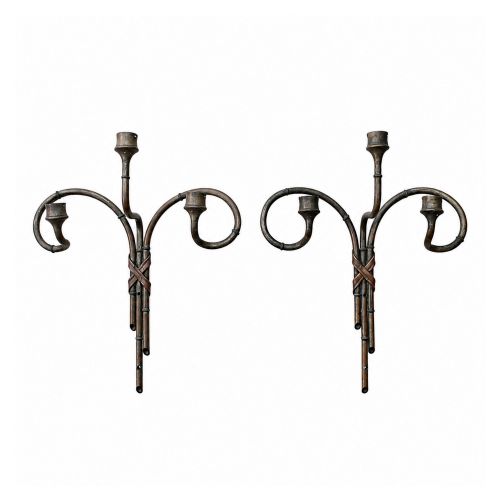
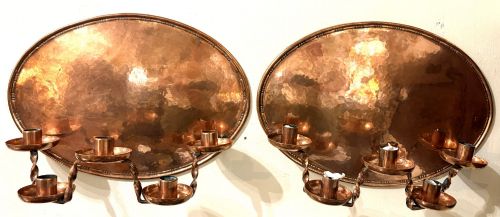
When buyers search for edwardian wall lights, they encounter functional lighting designed to mount directly onto interior plaster or wood panelled walls. These fixtures emerge predominantly from the early twentieth century, spanning the Edwardian era alongside late Victorian and 1920s examples.
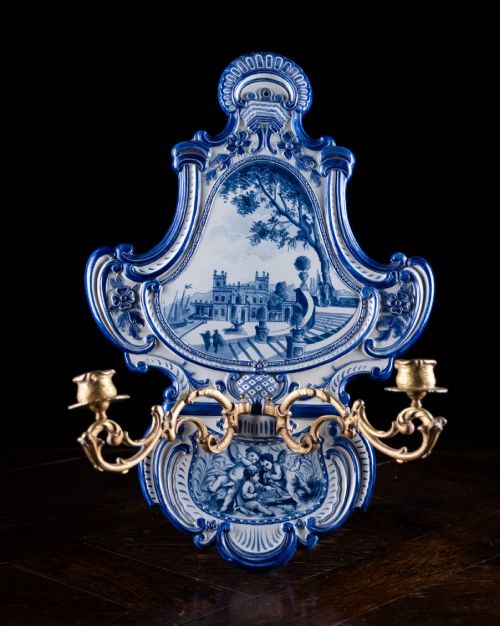
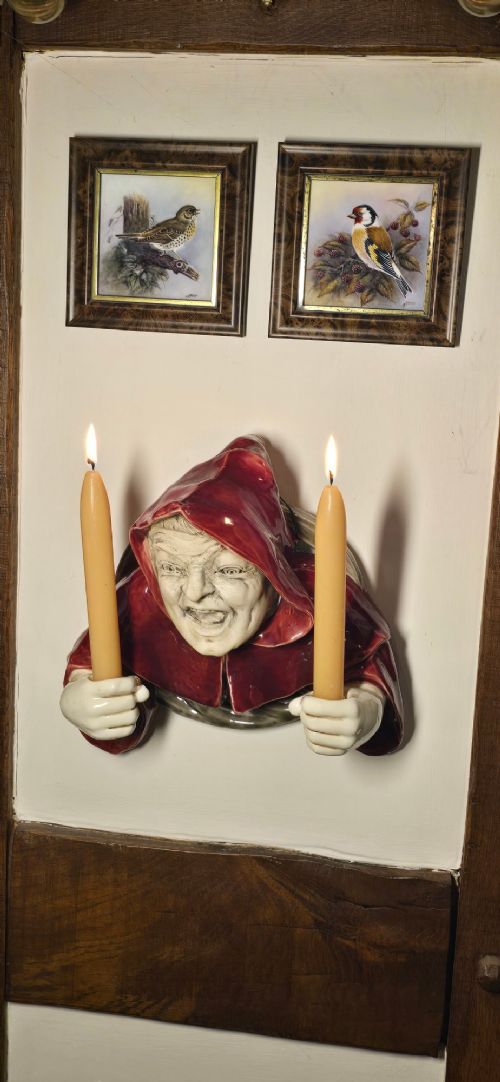
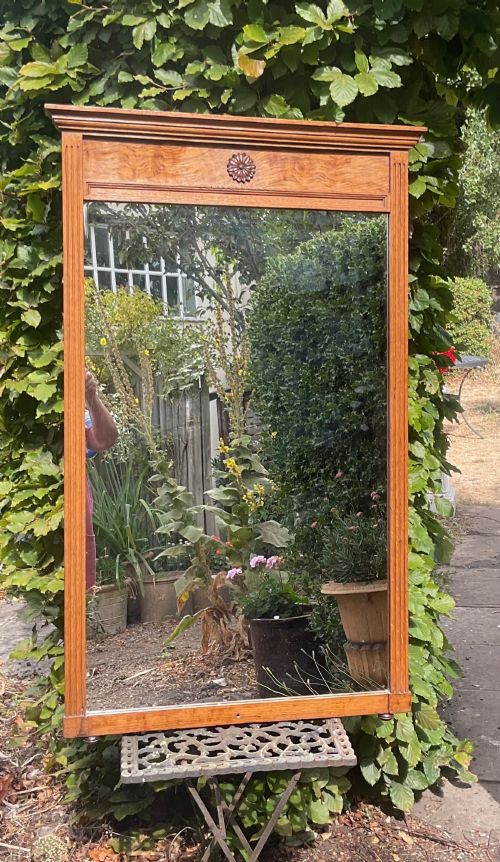
The selection extends beyond standard indoor sconces to encompass specialised fixtures like gilded girandoles, mirrored wall brackets, and robust brass Pullman lamps. Buyers frequently encounter pieces manufactured in England alongside continental European workshops.
Materials and Technique
Metals form the structural backbone of these wall fixings, with cast brass, copper, and silver plate appearing frequently across the inventory. Artisans also employed wrought iron, bronze, ormolu, and giltwood to achieve varied surface finishes and period aesthetics.
Glass elements frequently accompany the metal frames, taking the form of cut glass lustre drops, moulded shades, and crystal components. Selected examples incorporate organic materials like bamboo and oak to align with specific regional or stylistic movements.
Edwardian Wall Lights Retail Price Guide 2026
Typical asking prices for edwardian wall lights among the pieces listed under this phrase on Sellingantiques today, from the lower quarter to the upper quarter. They describe what is for sale here now, not the wider market.
Listings demonstrate a strong prevalence of brass, copper, and silver-plated metalwork across early twentieth-century interior and exterior wall fixtures.
Distinctions in Manufacture
Superior examples display crisp casting and chasing on brass, bronze, or ormolu mounts, whereas lesser pieces reveal softer detail and simpler stamped components. The depth and integrity of the original plating or patination distinguish finer workshops from mass production.
Integration of secondary materials dictates overall refinement, separating heavy cast mountings paired with genuine cut glass from lighter plated alternatives fitted with standard pressed glass shades.
W.A.S. Benson·REVO·Liberty·F. & C. Osler
The Edwardian Wall Lights Glossary
- Sconce
- A wall-mounted lighting fixture designed to hold candles, gas burners, or electric bulbs. These brackets project outward from vertical surfaces to illuminate passageways and rooms.
- Girandole
- An ornamental wall bracket carrying candles or lights, usually featuring a backing mirror that reflects the illumination. This form often incorporates giltwood or carved wooden frames.
- Ormolu
- Gilded bronze produced by applying a mixture of gold and mercury to a bronze base and heating the object. This technique imparts a durable, rich golden surface finish.
- Patination
- The surface alteration and mellowing of a material caused by age, use, and exposure to the atmosphere. Collectors value undisturbed patination for authenticity.
- Holophane
- A brand of prismatic glass designed to direct and diffuse light efficiently. These ribbed or faceted shades appear frequently on utilitarian and architectural wall fittings.
Edwardian Wall Lights: Frequently Asked Questions
How do I match sets of wall lights?
Matching sets rely on consistent metal composition, cast detailing, and backplate dimensions rather than simple brand uniformity. Many period rooms utilised matching pairs or larger sets across multiple walls to maintain symmetry.
Checking the branch count and glass shade configuration ensures visual harmony when assembling multiple fixtures in one space.
Can I install these lights outdoors?
Certain heavy copper and brass pieces originate as porch lanterns, coach-house brackets, or street lamps built to withstand external conditions. These robust exterior forms differ fundamentally from delicate interior giltwood girandoles and crystal sconces.
Exterior survivals require appropriate electrical rating checks to ensure safe modern outdoor installation.
How do I identify Adam revival styles?
Adam revival fixtures display classical symmetry, neoclassical urn motifs, ribbon bows, and delicate floral garlands cast in brass or ormolu. These design cues draw directly upon eighteenth-century neoclassical architecture.
Such pieces contrast sharply with the sweeping, asymmetric curves of Art Nouveau or the austere construction of Arts and Crafts metalwork.