




Victorian Wall Lights
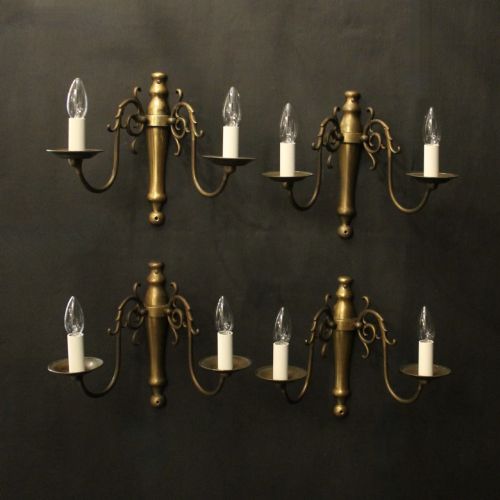
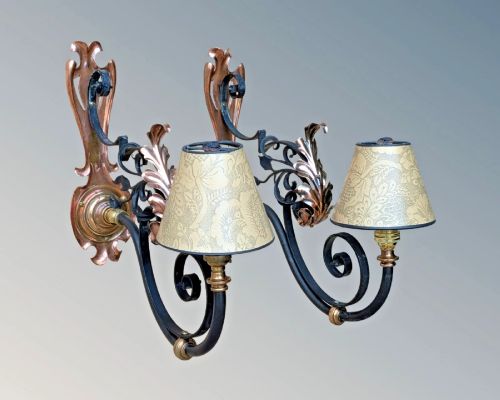
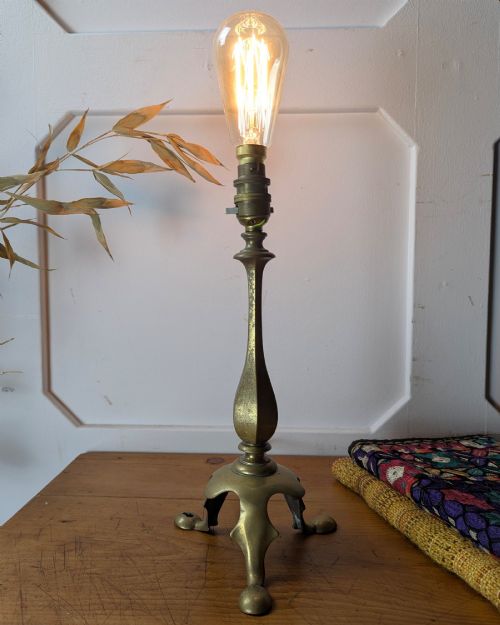
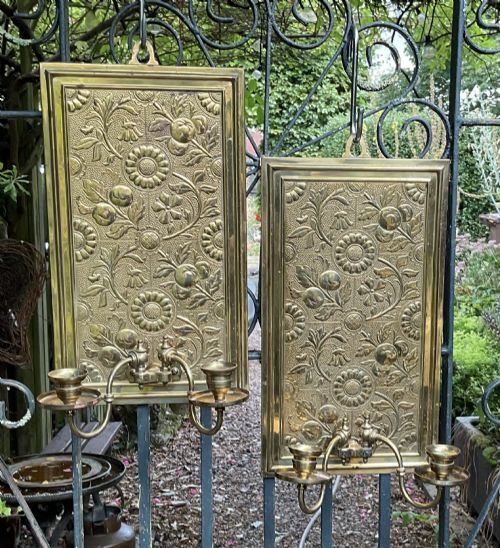
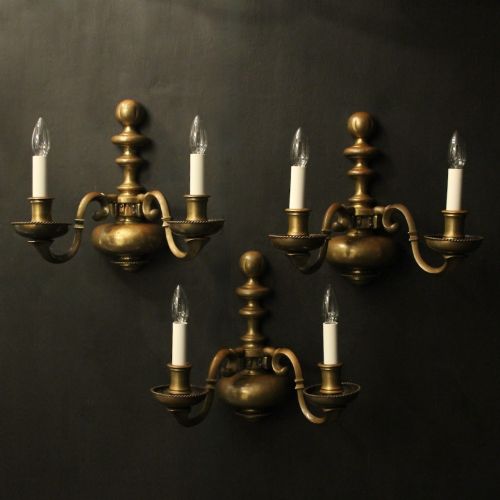
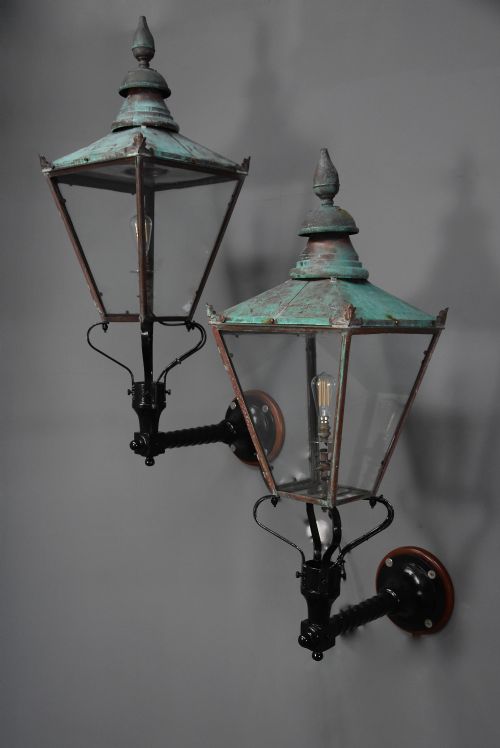
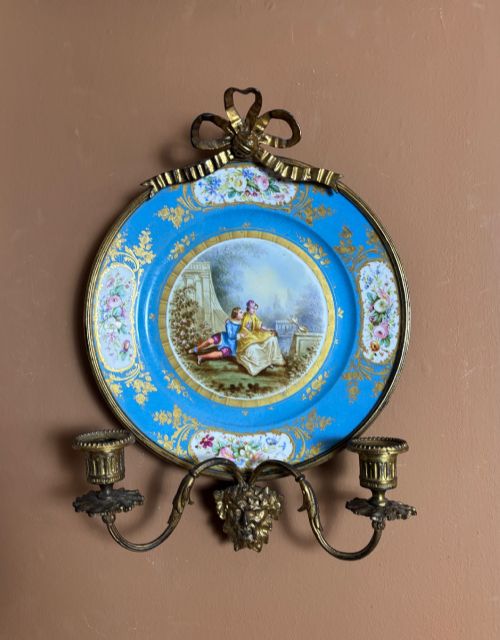
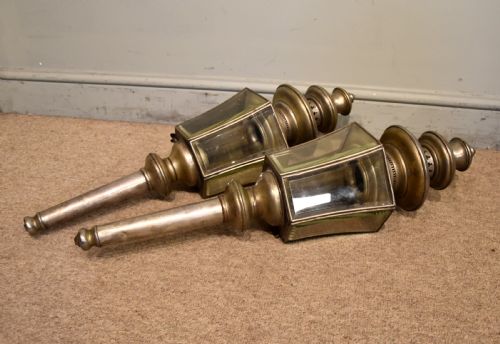
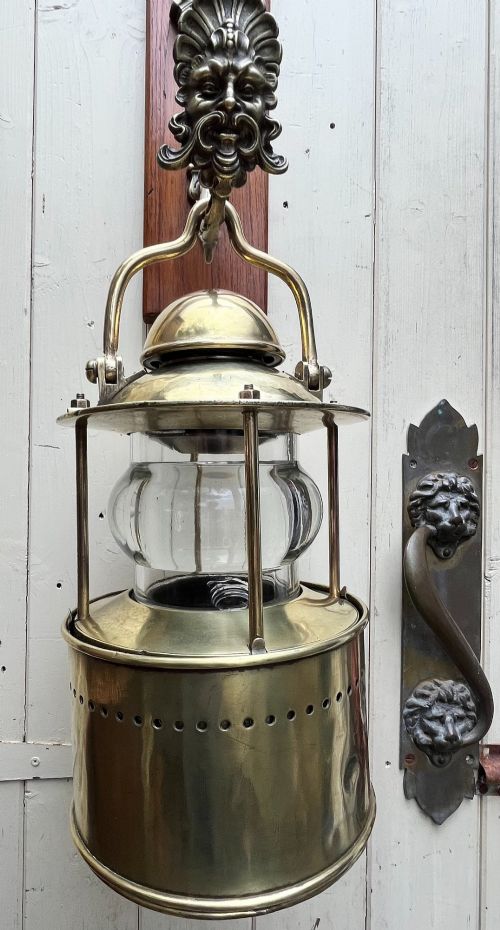
These victorian wall lights bring domestic illumination and period weight to hallways and drawing rooms through brass, copper, and bronze.
Victorian Wall Lights
When you search for victorian wall lights, you encounter fixtures designed to illuminate interiors and exterior carriage entrances using gas or candlelight before widespread electricity.
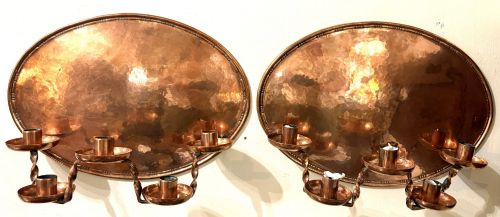
The pieces appearing most frequently range from heavy brass and bronze multi-arm sconces to copper lanterns and gilded girandole mirrors that reflect candlelight.
Makers and designers from the nineteenth century integrated styles spanning Gothic Revival, Rococo Revival, Arts and Crafts, and Art Nouveau into these functional wall mounts.
How they were made
Foundries cast molten brass, bronze, and iron into intricate scrollwork, cherubic figures, and structural brackets using traditional sand-casting methods.
Coppersmiths and metalworkers hammered, spun, and soldered sheets of copper into durable exterior coach lanterns and interior sconces designed to withstand heat and weather.
Gilders applied gold leaf or ormolu mounts to carved wood, cast brass, and mirrored surfaces to amplify the flickering glow of gas jets and wax candles.
Victorian Wall Lights Retail Price Guide 2026
Typical asking prices for victorian wall lights among the pieces listed under this phrase on Sellingantiques today, from the lower quarter to the upper quarter. They describe what is for sale here now, not the wider market.
Listings span multiple materials including brass, copper, bronze, wrought iron, and carved wood, reflecting diverse nineteenth and early twentieth-century manufacturing traditions.
What varies in quality
Heavier gauge brass, bronze, and copper indicate structural integrity, supporting multi-arm branch configurations safely against the wall without sagging or bending.
The integration of original cut glass shades, Holophane glass, or intact mercury mirror plates separates standard production lighting from exceptional decorative works.
W.A.S. Benson·Bruce Talbert·Liberty
The Victorian Wall Lights Glossary
- Girandole
- A branched candleholder that incorporates a mirror to multiply the reflected light in a room. These wall-mounted pieces often feature carved wood or gilt frames.
- Ormolu
- Finely minced high-zinc brass applied as a surface gilding to bronze furniture mounts and lighting fixtures. The technique creates a rich gold appearance without solid gold construction.
- Sconce
- A wall-mounted lighting fixture designed to hold candles, gas burners, or electric bulbs. They project outward from the surface to distribute illumination across a space.
- Holophane
- A brand of scientific glass shade featuring prismatic ribs designed to refract and diffuse light efficiently. These specialty shades appear on later nineteenth and early twentieth-century fixtures.
- Gasolier
- A multi-branched ceiling or wall fixture originally manufactured to burn coal gas before the general adoption of electric lighting. Many survive converted to electricity.
Victorian Wall Lights: Frequently Asked Questions
How were early wall lights powered?
Many nineteenth-century fixtures relied on wax candles or oil before municipal gas supplies introduced piped fuel to homes. These gas-burning models often feature key taps near the wall mount to control the flame.
Later Victorian and Edwardian examples frequently underwent conversion to electricity as infrastructure evolved. Surviving gas lines and burners inside older pieces require professional rewiring for modern domestic use.
Where should wall sconces be positioned?
Period lighting performs best in spaces where ambient illumination and decorative focal points matter, such as flanking a fireplace, mirror, or hallway entrance. Sconces placed at eye level distribute a warm glow without creating harsh overhead glare.
Exterior versions, including copper carriage lamps and street lanterns, suit sheltered porches and entranceways where robust metals resist outdoor conditions.
How do you identify nineteenth-century metals?
Genuine period pieces utilise solid brass, bronze, copper, and cast iron rather than lightweight plated alloys. Natural patination, verdigris on copper, and minor surface tool marks indicate traditional hand-finishing techniques.
Heavier weight and component construction using threaded rods or screws rather than modern welding point toward nineteenth-century manufacturing standards.
Can antique gas fixtures take bulbs?
Electrical conversion involves running modern internal wiring through the original hollow brass arms and gas keys without altering the exterior appearance. Specialist electricians adapt standard lamp holders to fit within historical shade holders.
Preserving original glass shades, such as etched or cut variants, maintains the visual authenticity of the piece while providing safe illumination.