


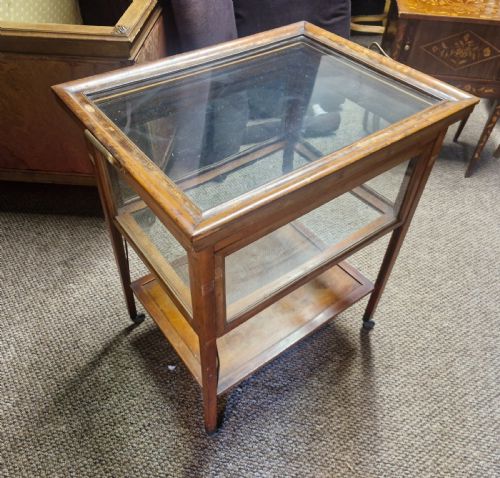


Edwardian Tea Tray Table
An Edwardian tea tray table combines a portable serving surface with a sturdy stand, offering a practical piece of furniture for serving refreshments.
Edwardian Tea Tray Table
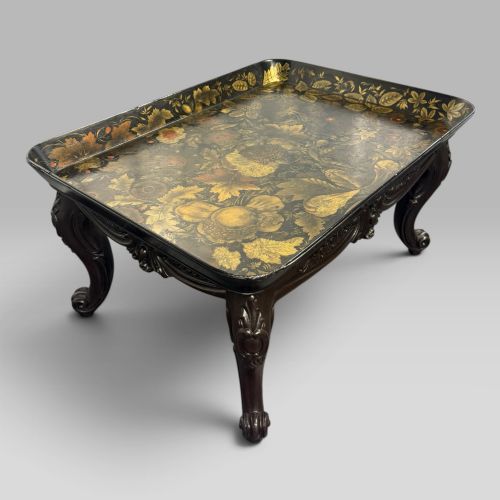
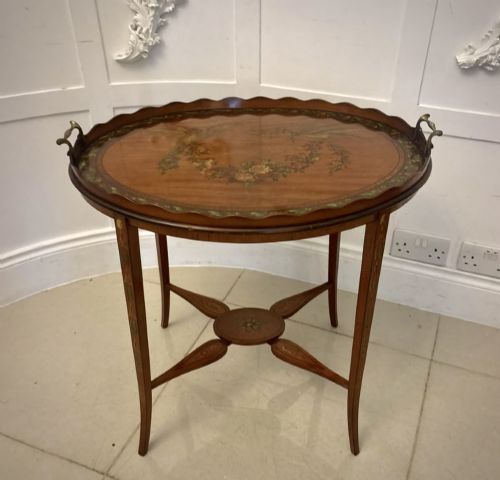
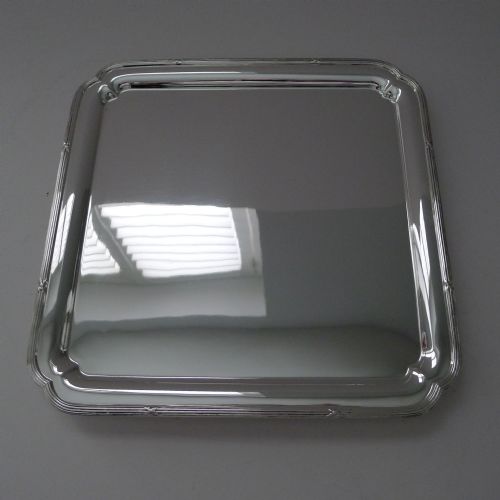
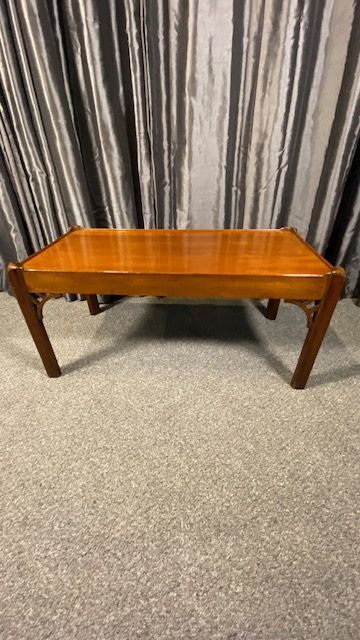
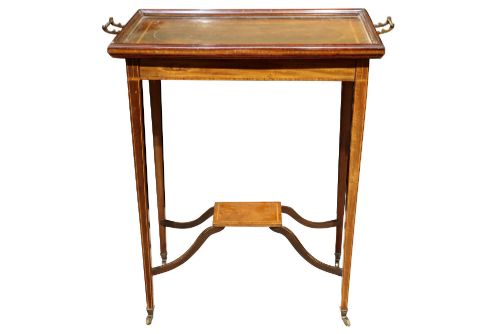
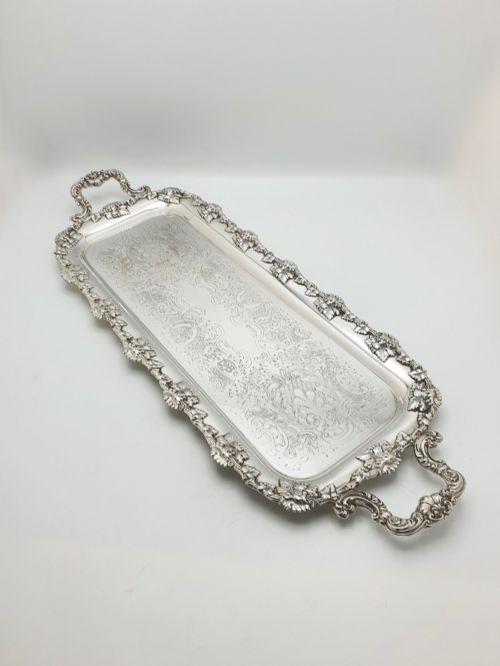
When you search for an Edwardian tea tray table, you are looking at items designed to serve refreshments while doubling as functional occasional furniture for the home. These pieces generally comprise a removable or fixed tray top resting upon a supporting frame, often built with folding or static legs.
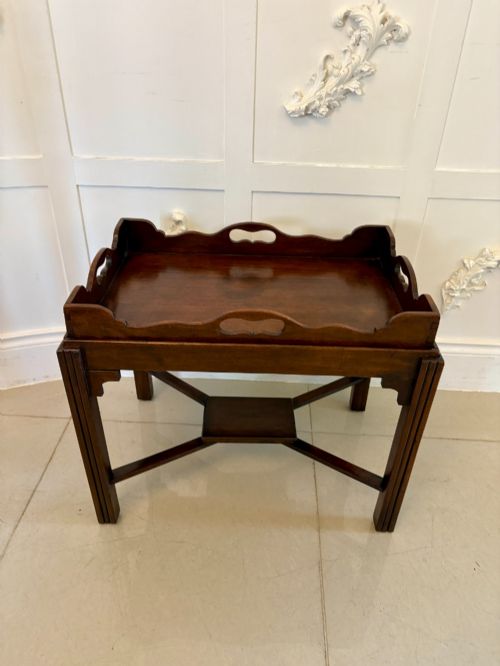
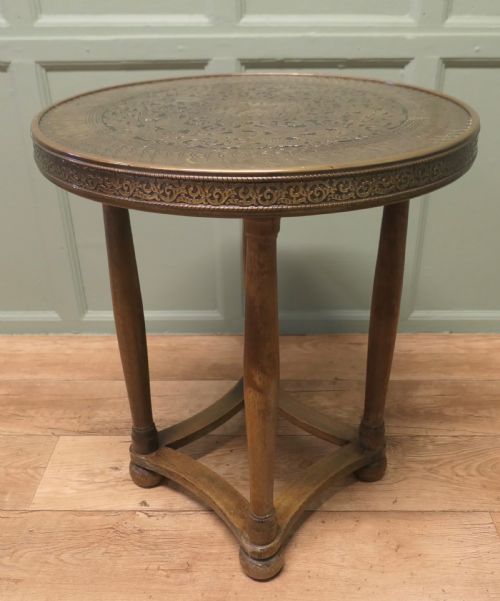
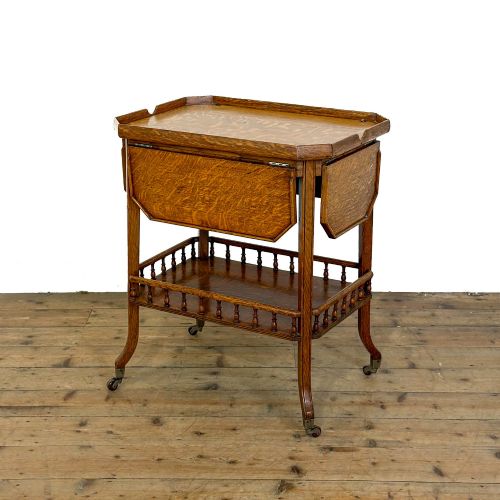
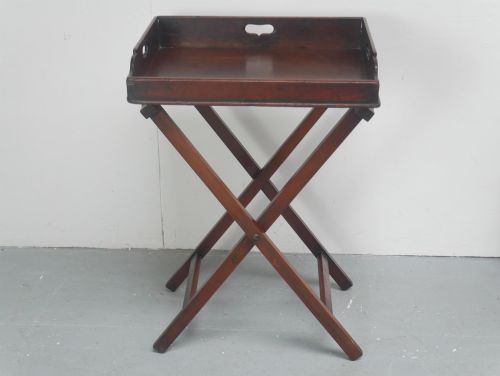
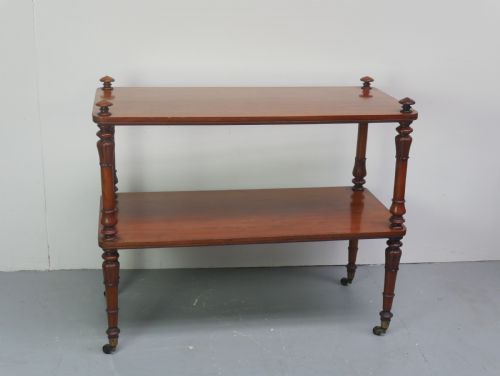
The versions you are most likely to meet on this page date predominantly from the Edwardian period and the early twentieth century, alongside nineteenth-century examples and stylistic revivals. They appear in various forms, including occasional tables, coffee tables, etageres, and butler trays on stands.
Makers utilised different timbers and decorative schemes, resulting in pieces ranging from plain wood constructions to intricately inlaid satinwood and mahogany designs. Many incorporate raised edges, galleries, or carrying handles to secure items placed on the surface during transit.
Materials and Construction
Cabinet makers relied heavily on mahogany as a primary timber, frequently combining it with contrasting satinwood stringing, marquetry, or walnut to create decorative surfaces. Structural elements were also fashioned from oak and various solid woods, providing stable frames for the upper trays.
Joinery methods varied according to the period and form, from folding X-frame stands designed for easy storage to fixed two-tier etageres and trolley structures fitted with wheels for mobility.
Edwardian Tea Tray Table Retail Price Guide 2026
Typical asking prices for edwardian tea tray table among the pieces listed under this phrase on Sellingantiques today, from the lower quarter to the upper quarter. They describe what is for sale here now, not the wider market.
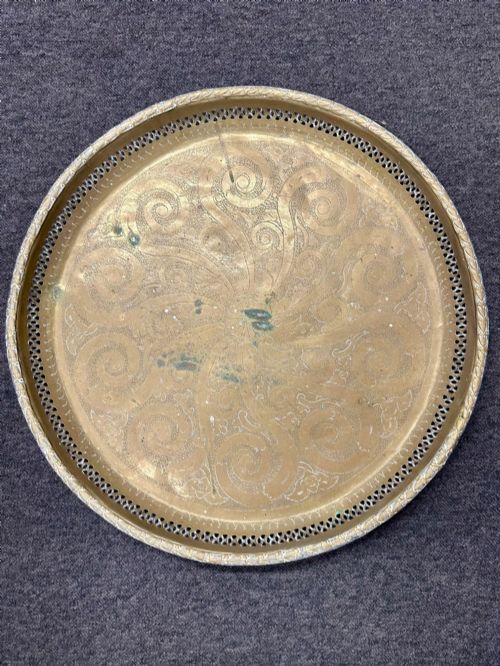
Certain trays double as cartographers' pieces, featuring European maps ready for tea time geography.
Assessing Quality
Quality in these pieces rests upon the precision of the timber selection and the execution of decorative details like inlay, marquetry, or hand-painted scenes. Superior examples demonstrate crisp cabinet work where tray edges fit securely onto the stands without wobble.
The choice of materials dictates the tier of the piece, with finely figured mahogany and satinwood veneers or detailed brass pierced galleries marking out finer workshops. Simpler utilitarian items prioritised robust construction using plain oak or mahogany over elaborate ornamentation.
Elkington and Co·Whytock and Reid
The Edwardian Tea Tray Table Glossary
- Tray table
- A piece of furniture consisting of a detachable or fixed tray top mounted on a supporting stand. This design allows the surface to be lifted off for serving.
- Etagere
- A set of open shelves or tiers used for displaying small items or serving tea. These pieces often feature multiple levels supported by slender columns.
- Marquetry
- The art of applying pieces of veneer to a structure to form decorative patterns or pictures. Craftsmen used various contrasting woods to achieve pictorial designs.
- Chinoiserie
- European decorative art influenced by Chinese styles and motifs. This technique typically involved lacquered surfaces and painted figures.
- Butler tray
- A portable rectangular tray with hinged or fixed sides fitted with cut-out carry handles. They were traditionally placed on folding wooden stands for service.
Edwardian Tea Tray Table: Frequently Asked Questions
What is an Edwardian tea tray table?
An Edwardian tea tray table is a dual-purpose item featuring a removable or fixed serving tray mounted on a stand. They were designed to bring tea and refreshments into a sitting room.
These pieces reflect the social habits of the early twentieth century when portable hospitality surfaces became popular in British homes.
How were tea tray tables used?
They served primarily to transport tea services, cups, and cakes from the kitchen to guests in a drawing room. The raised edges and handles kept crockery secure during movement.
Once the tray reached its destination, it remained on its stand to function as an occasional table for the duration of the visit.
How do I distinguish Edwardian pieces from earlier styles?
Edwardian pieces often display lighter timbers like satinwood and rely on Sheraton Revival influences, featuring delicate inlay and painted decoration. Nineteenth-century versions tend to be heavier, utilising darker rosewood, mahogany, or papier-mache.
Construction methods and secondary woods inside the frames also help indicate whether a piece dates to the Edwardian era or an earlier Victorian period.
Can I use a vintage tray table for daily coffee?
Many of these tables function well as daily coffee tables or side tables in modern living spaces. Their compact proportions suit smaller rooms and occasional placement.
Care should be taken with delicate lacquer, painted surfaces, or antique finishes by using coasters to protect the wood from moisture and heat.