


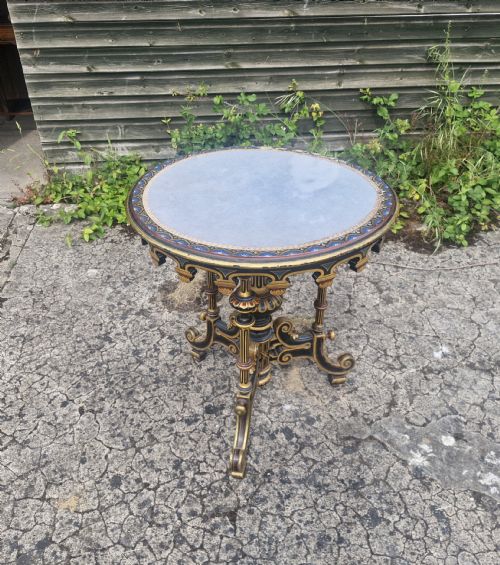
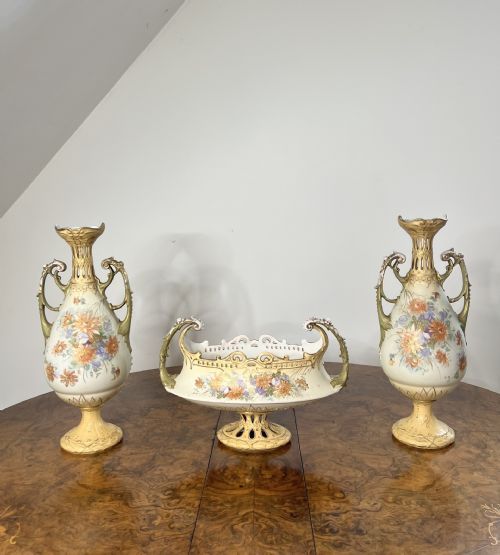
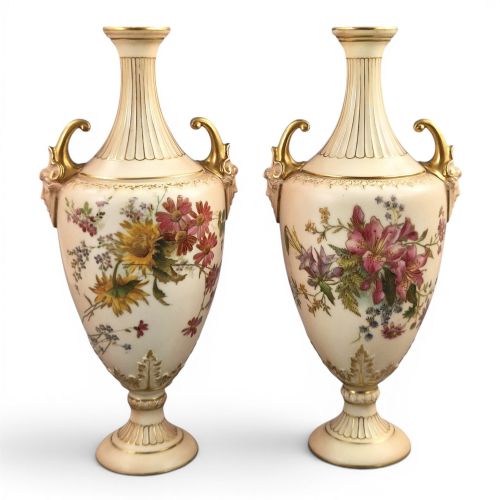
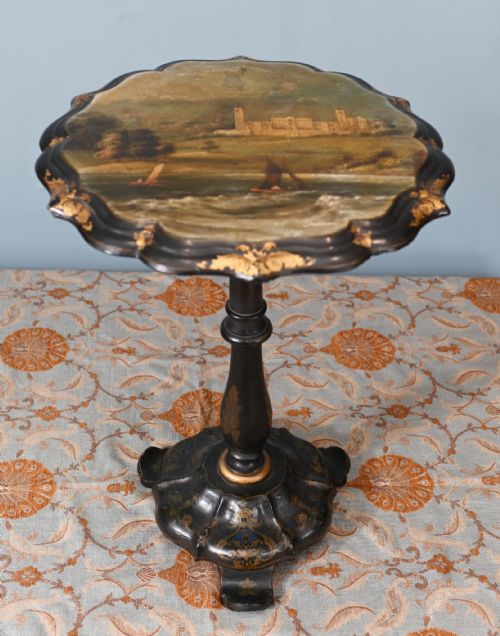

Victorian Gilt Painted Table
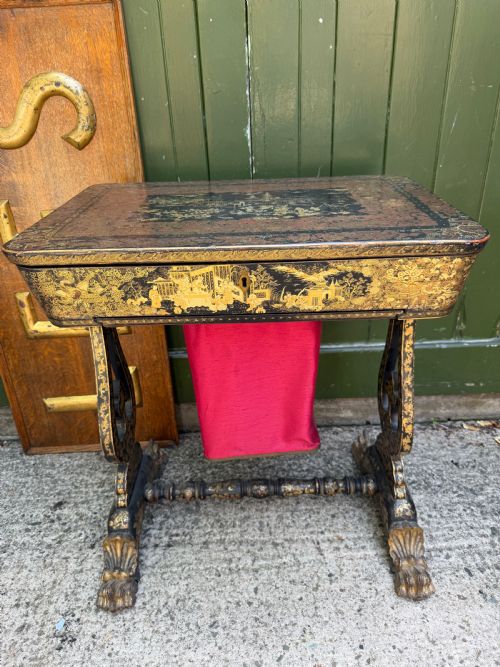
A victorian gilt painted table brings ornate nineteenth-century hand decoration and gilded surfaces into a room to catch the candlelight.
Victorian Gilt Painted Table
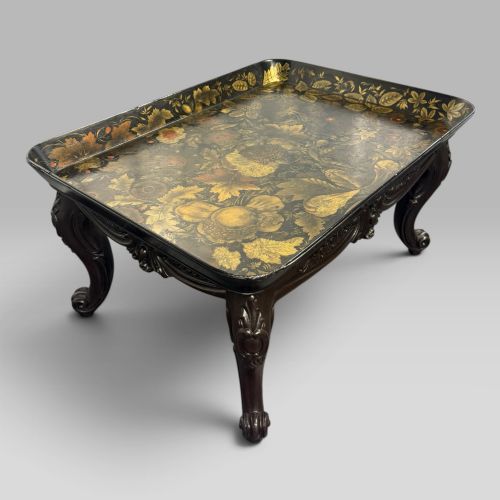
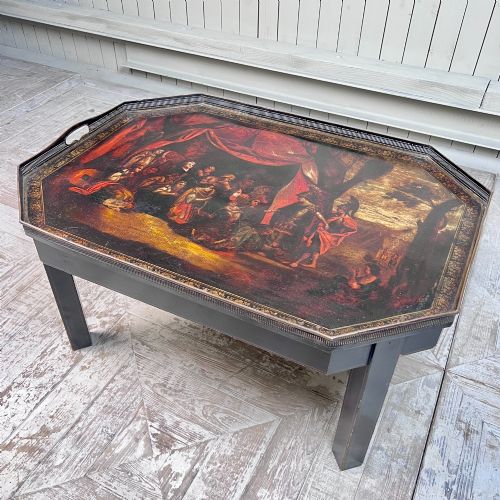
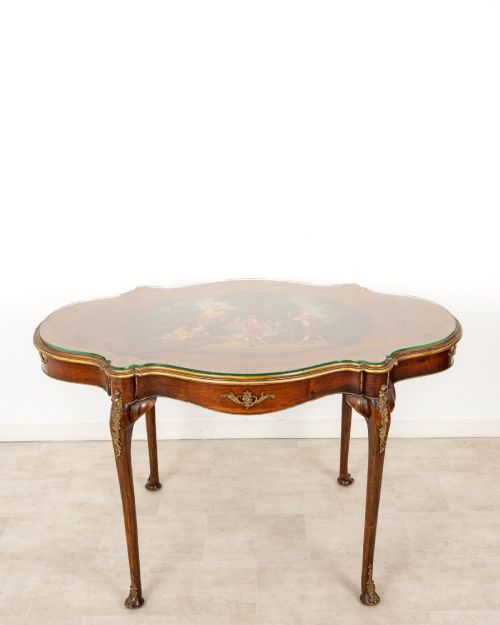
A victorian gilt painted table encompasses occasional, side, coffee and centre tables decorated with hand-painted motifs and gold leaf. The pieces span the nineteenth century and Edwardian periods, drawing on French Rococo Revival, Chinoiserie and Louis XVI Revival styles.
Buyers meet lacquered papier-mâché coffee tables, tole tray tables and chinoiserie side tables bearing elaborate painted ornamentation. These items served as focal points for nineteenth-century drawing rooms and parlours.
Origins range from English workshops to French cabinet makers and Chinese export production destined for European markets. The forms vary from tilt-top occasional tables to rigid side and centre pieces.
How They Were Made
Construction relies on timber foundations such as rosewood, oak and papier-mâché, often finished with black or coloured lacquer. Artisans applied hand-painted details directly onto the prepared surfaces before sealing them.
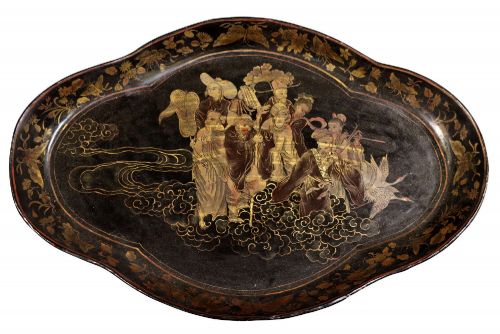
Gilding techniques combined gold leaf and ormolu mounts to highlight edges, feet and table rims. Japanning and Vernis Martin methods created durable, glossy finishes decorated with oriental or floral scenes.
Victorian Gilt Painted Table Retail Price Guide 2026
Typical asking prices for victorian gilt painted table among the pieces listed under this phrase on Sellingantiques today, from the lower quarter to the upper quarter. They describe what is for sale here now, not the wider market.
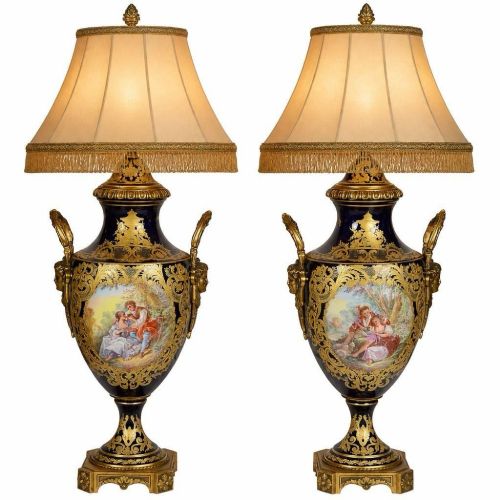
Nineteenth-century tea canister lamp conversions prove that Victorians loved repurposing household objects into lighting.
What Varies in Quality
Quality depends on the crispness of the hand-painted detailing and the depth of the lacquer layers. Superior pieces display intricate brushwork and securely applied gold leaf that resists flaking.
The choice of underlying material alters the integrity of the piece, with dense timber frames and reinforced papier-mâché cores holding up better over time than lighter substitutes.
Jean-Baptiste Delettrez·Royal Vienna·Royal Worcester·Jennens & Bettridge·Le Roy & Fils·Royal Doulton
The Victorian Gilt Painted Table Glossary
- Gilt
- Covered thinly with gold leaf or gold paint. This technique adds a reflective metallic sheen to wooden and metal surfaces.
- Japanning
- A European imitation of Japanese lacquerware. Artisans built up layers of heat-dried varnish decorated with painted oriental scenes.
- Ormolu
- Gilded bronze used for decorative mounts and furniture feet. The technique involves applying a gold-mercury amalgam to bronze.
- Papier-mâché
- A composite material made from paper pulp mixed with glue and resin. Pressed into moulds, it formed sturdy table tops when lacquered.
Victorian Gilt Painted Table: Frequently Asked Questions
Where should I place a painted table?
Position these tables in reception rooms or hallways where their decorated surfaces catch indirect light.
Keep them away from direct sunlight to protect the painted details and lacquer from fading over time.
How do I clean a lacquered surface?
Dust the surface regularly with a soft, dry lint-free cloth to remove particles without scratching.
Avoid chemical polishes and water, which can damage the aged lacquer and lift delicate gold leaf.
Can I use these tables daily?
These pieces function well as display surfaces for lamps, books or decorative objects in low-traffic areas.
Heavy daily use is discouraged because nineteenth-century lacquer and gilding wear down under friction.