

Edwardian Sterling Silver Frame
When you handle an edwardian sterling silver frame, you hold a piece of early twentieth-century craftsmanship designed to display family portraits.
Edwardian Sterling Silver Frame
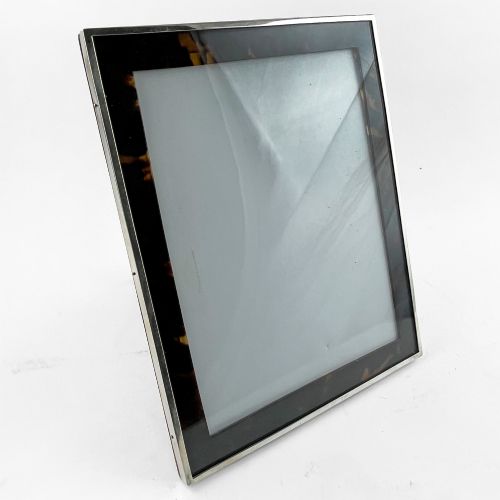
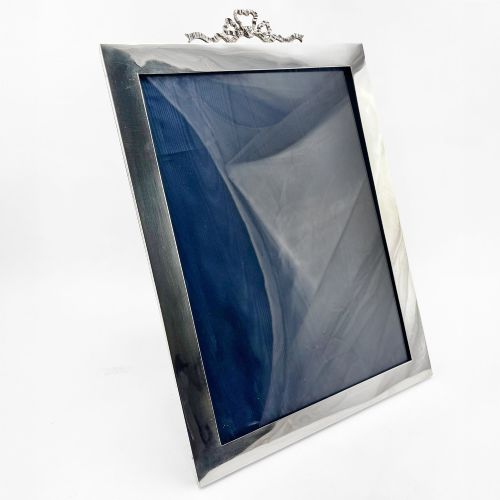
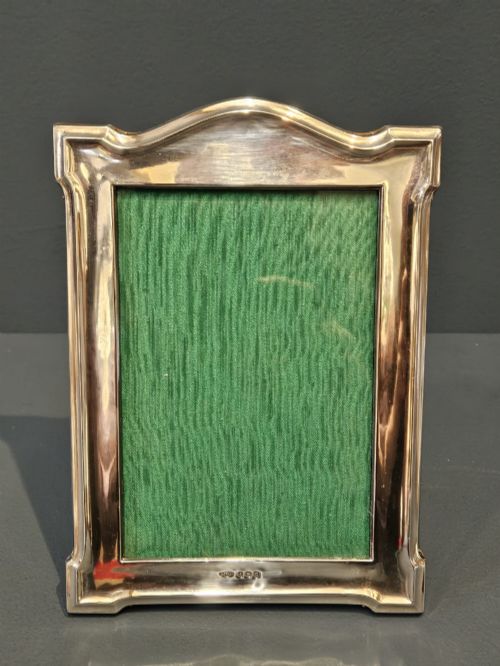
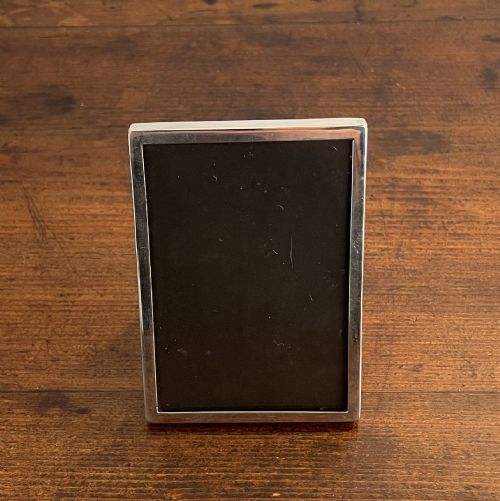
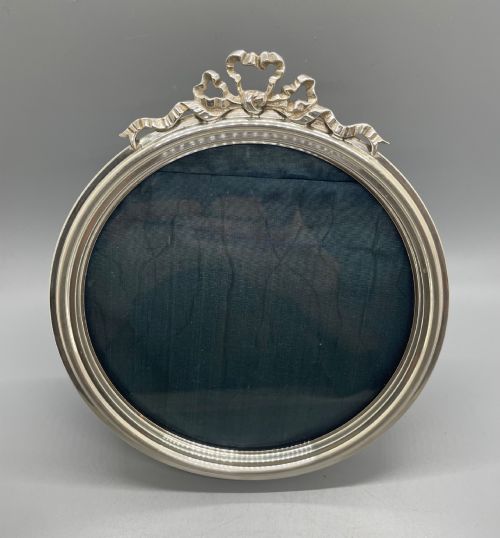
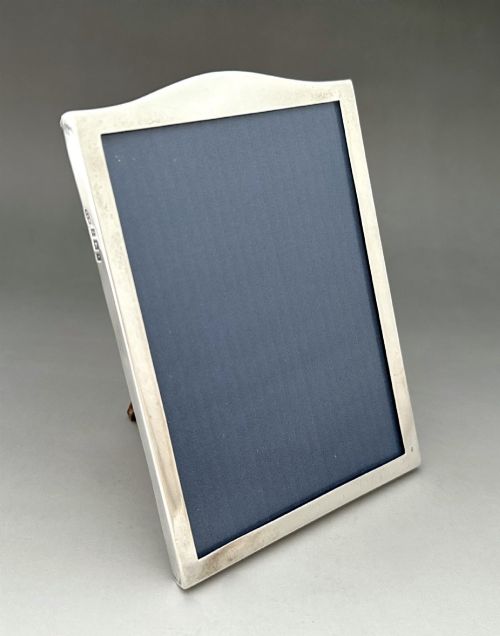
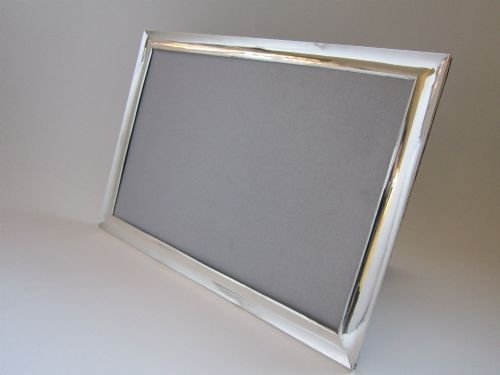
An edwardian sterling silver frame is typically encountered as a photograph or picture frame produced around the start of the twentieth century. These objects were manufactured in various shapes, including rectangular, oval, heart-shaped, and circular formats.
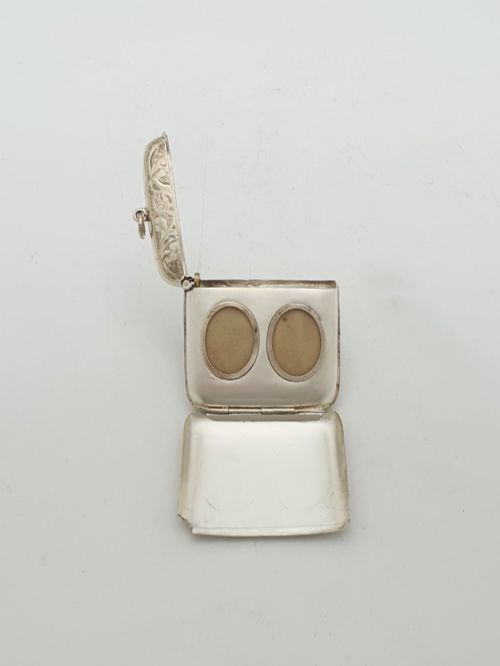
Makers produced both single and multiple aperture formats, sometimes incorporating hinged panels for double or triple displays. The evidence shows domestic display items dominating the category, alongside occasional pocket watch holders and table mirrors.
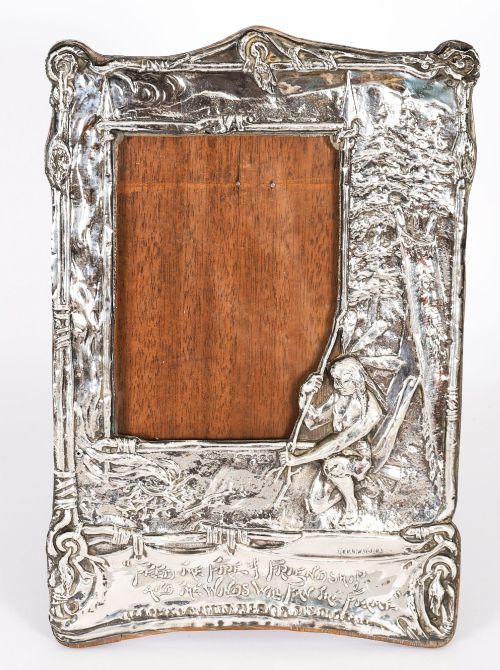
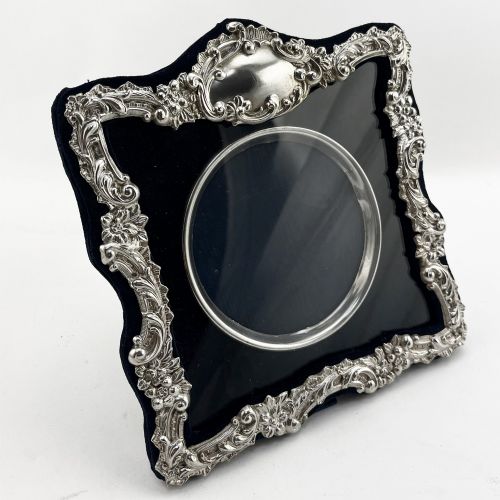
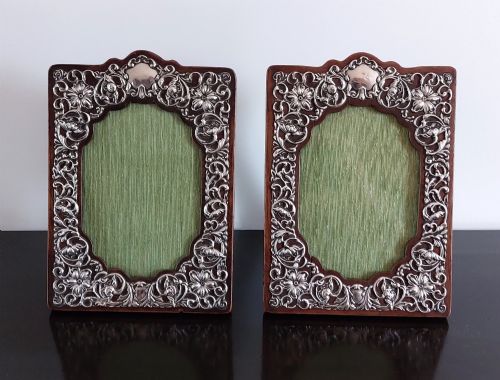
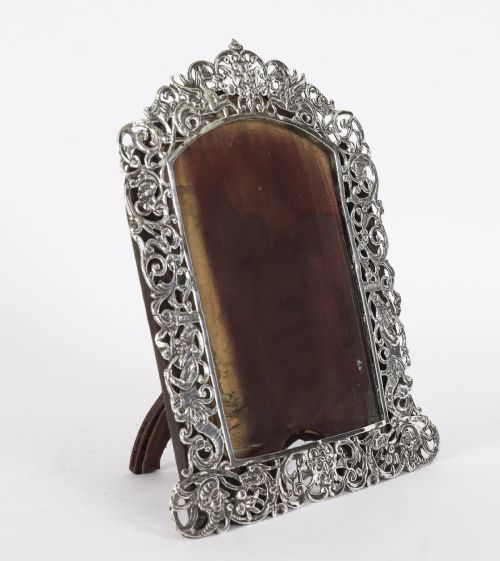
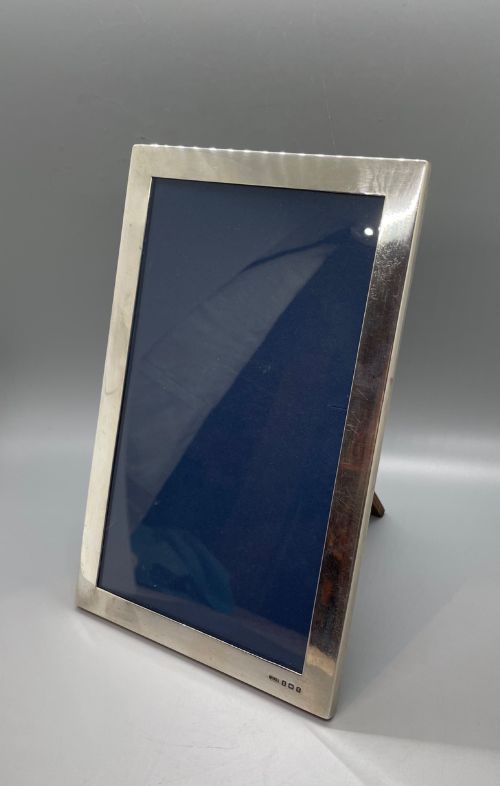
The aesthetic vocabulary spans simple polished borders to elaborate floral, scroll, and figural decorations. Pieces frequently display hallmarks from assay offices such as Birmingham, Chester, and Sheffield.
How they were made
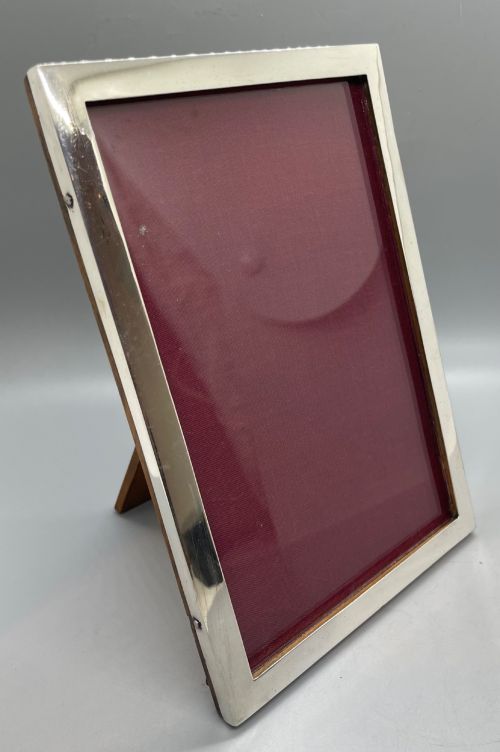
The primary construction relies on thin sheets of sterling silver shaped over wooden formers and secured to wooden backs. These wooden backboards are typically covered in fabric, velvet, or leather, and supported by hinged metal struts.
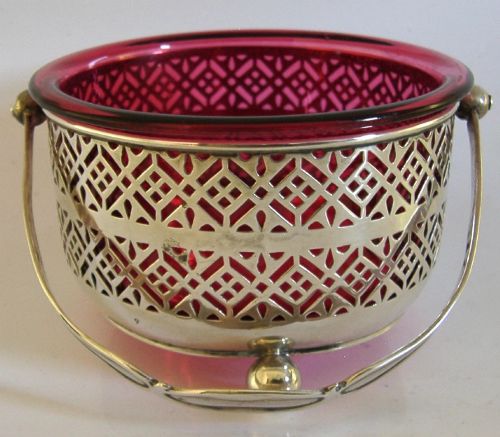
Decorative surface details were achieved through stamping, embossing, and hand chasing. Enamel work and applied mounts appear on specific examples, while some items integrate materials like tortoiseshell or cranberry glass into the silver structure.
Edwardian Sterling Silver Frame Retail Price Guide 2026
Typical asking prices for edwardian sterling silver frame among the pieces listed under this phrase on Sellingantiques today, from the lower quarter to the upper quarter. They describe what is for sale here now, not the wider market.
Design influences spanning Art Nouveau, Arts and Crafts, and Neoclassical Revival appear across the recorded frames.
What varies in quality
Quality in an edwardian sterling silver frame relates to the weight of the silver sheet and the crispness of the embossed or chased decoration. Deeper relief work and heavier gauge metal distinguish superior workshops from lighter, mass-produced alternatives.
The condition and originality of the backing materials, including the wooden struts, hinges, and velvet or leather coverings, influence the overall integrity of the piece. Well-preserved hallmarks and legible maker stamps contribute to the standing of an item.
Rosenthal Jacob And Co·William Comyns·William Hutton And Sons·John Collard Vickery·Mappin Bros·W I Broadway And Co
The Edwardian Sterling Silver Frame Glossary
- Sterling silver
- A silver alloy containing 92.5 percent pure silver and 7.5 percent other metals, usually copper, to increase durability. This standard is indicated by the lion passant hallmark on British items.
- Assay office
- An official body charged with testing the purity of precious metals and stamping them with hallmark symbols. Towns like Birmingham, Chester, and Sheffield operated prominent offices during this era.
- Strut
- A hinged support attached to the back of a frame that allows it to stand upright on a table or desk. These are commonly wrapped in fabric, velvet, or leather.
- Chasing
- A metalsmithing technique where designs are hammered into the front surface of the metal without removing material. This method creates raised relief patterns of florals, scrolls, or figures.
- Hallmark
- A set of official marks stamped on precious metal items indicating the maker, assay office, and year of testing. They provide a reliable method for dating silver pieces.
Edwardian Sterling Silver Frame: Frequently Asked Questions
How do I date a silver photo frame?
Dating relies on the assay office hallmarks stamped directly onto the silver border, which include a specific letter code for the year of manufacture.
Additional clues come from the stylistic traits, such as Art Nouveau motifs or distinct Edwardian floral embossing.
What are the common sizes available?
Frames range from small circular or heart-shaped pocket formats measuring a few inches to large rectangular display pieces exceeding twelve inches in length.
Landscape and portrait orientations appear frequently across the available selections.
How were these frames supported on desks?
Most examples feature a hinged wooden strut attached to the reverse side, allowing the object to rest at an angle on flat surfaces.
These wooden backs are typically lined with velvet, leather, or fabric.
Did makers combine silver with other materials?
Silver was frequently mounted over wooden carcasses and paired with organic materials such as tortoiseshell and crocodile skin.
Enamel accents and glass panels also appear on specialised decorative variants from the period.