
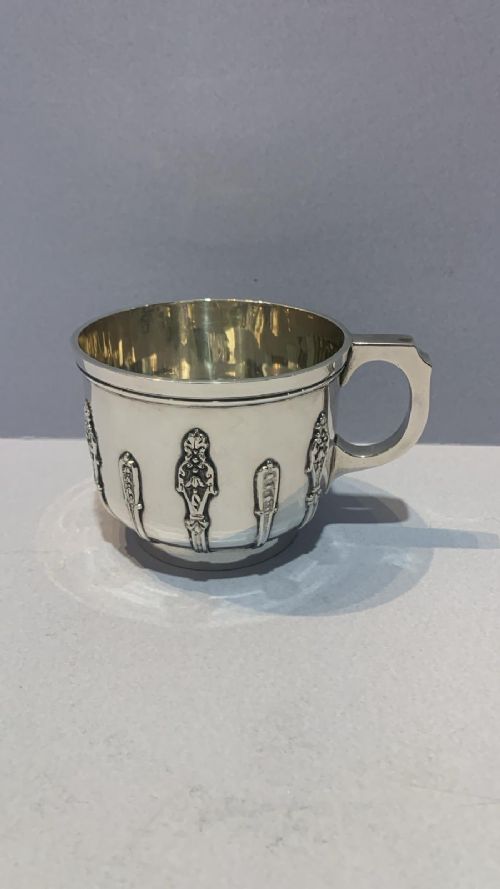


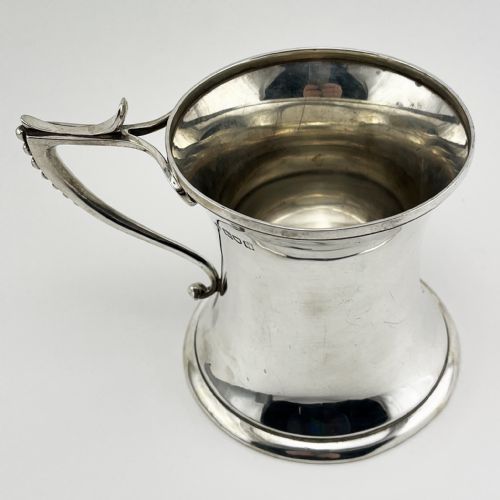
Edwardian Sterling Silver Cup
When you handle an edwardian sterling silver cup, you encounter domestic silver shaped by early twentieth-century ceremony, daily sociability and personal gifting.
Edwardian Sterling Silver Cup
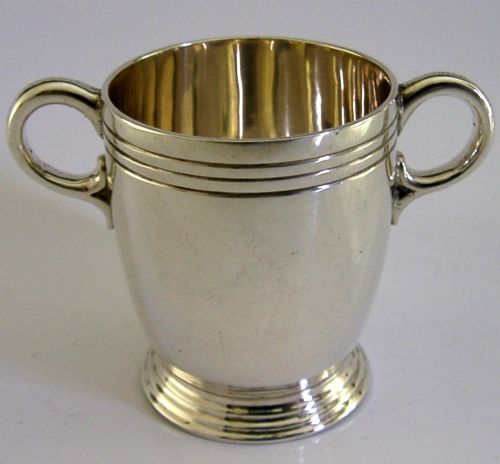
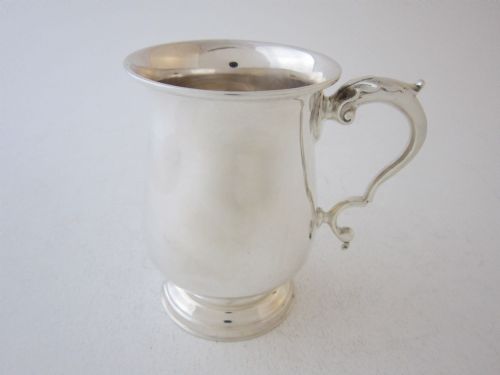
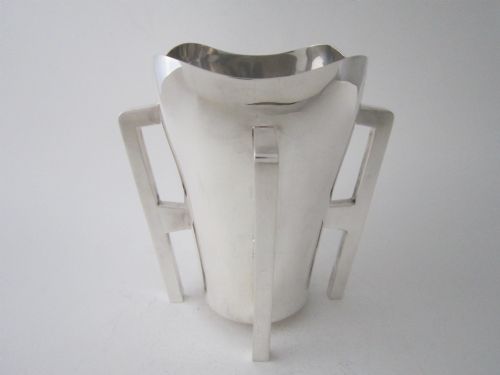
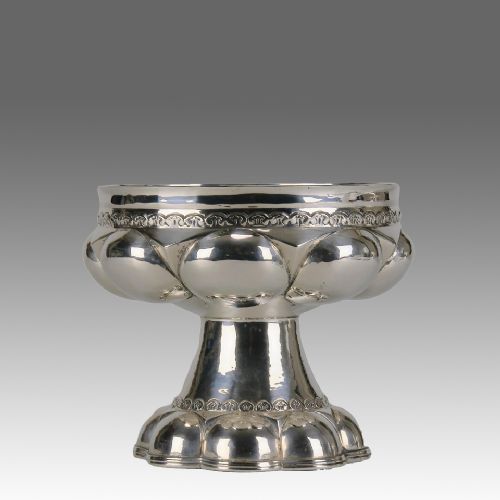
An edwardian sterling silver cup encompasses domestic and presentation vessels spanning christening mugs, two-handled loving cups, drinking vessels, and specialised drinking flasks. These objects emerge predominantly from the Edwardian period and adjacent early twentieth-century decades, reflecting the social and ceremonial habits of the era.
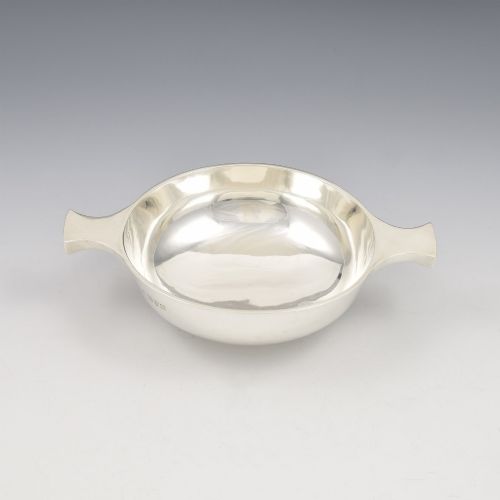
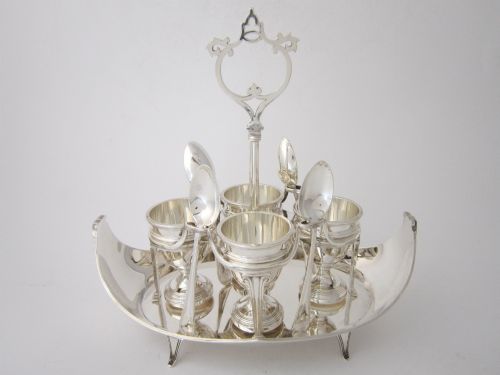
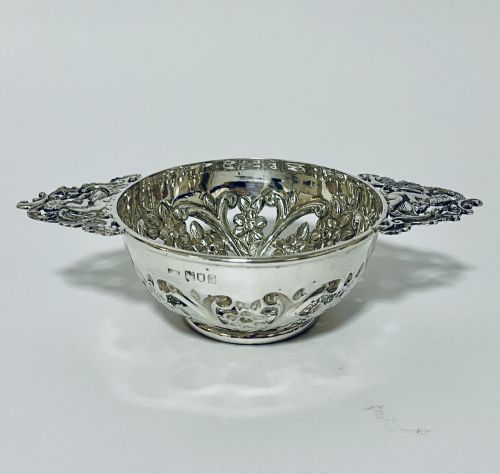
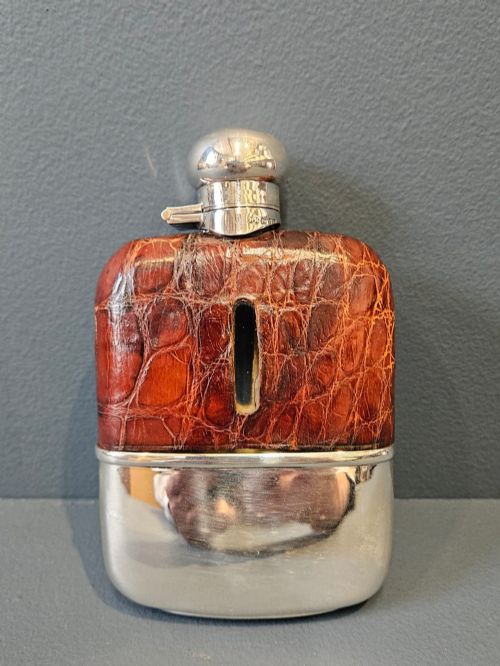
The selections on this page demonstrate considerable variety in form, ranging from heavy presentation trophies and quaichs to small egg cups and travel flasks incorporating cut glass or crocodile leather. Regional assay offices such as Chester, London, and Birmingham feature prominently across the recorded pieces.
Materials and Technique
Silversmiths constructed these pieces primarily from solid sterling silver, often combining the metal with cut glass bodies, gilt interiors, or tactile coverings like crocodile leather and silk lining. Hammered finishes, scroll handles, and engraved details demonstrate the manual labour involved in shaping the sheet metal.
Workshop methods combined traditional raising and spinning techniques with decorative casting for handles and mounts. Many items bear clear hallmarks indicating the specific maker, assay office, and year of manufacture.
Materials appearing alongside solid sterling silver include cut glass, crystal, gilt, silk, velvet, and crocodile leather.
Craftsmanship and Design
Quality in these objects rests upon the weight of the metal, the crispness of the chasing or hammering, and the integrity of the structural joints. Pieces by notable makers show superior attention to balance and proportion, particularly in complex forms like multi-part flasks or handled cups.
The distinction between standard commercial production and finer work lies in the execution of decorative elements, such as applied swags, cast handles, and detailed engraving, which retain their sharpness and alignment on superior examples.
Nathan and Hayes·Hukin and Heath·Asprey London·Tiffany and Co·W A Ellwick Ltd·Joseph Rodgers and Sons·William Hutton·George Ernest Hawkins
The Edwardian Sterling Silver Cup Glossary
- Quaich
- A traditional two-handled drinking vessel of Scottish origin, frequently executed in sterling silver during the Edwardian era. It descends from wooden drinking bowls.
- Trophy Cup
- A presentation piece created to mark a sporting victory or competitive event, often bearing engraved inscriptions and standing on a raised foot.
- Christening Mug
- A small handled cup presented as a gift to mark an infant's baptism, commonly produced in solid silver with personal engraving.
- Hallmark
- The official stamp applied by an assay office to guarantee the metal standard, identifying the maker, town, and year of testing.
- Porringer
- A shallow bowl with one or two flat horizontal handles, utilised in silver form as a child's vessel or decorative presentation piece.
Edwardian Sterling Silver Cup: Frequently Asked Questions
What was an edwardian sterling silver cup used for?
These vessels served various domestic, ceremonial, and personal functions ranging from christening gifts for infants to sporting trophies and communal drinking vessels. Many smaller formats, such as flasks and beakers, were designed for personal travel and outdoor pursuits.
Heavier presentation pieces were commissioned to mark notable events or achievements, displayed in domestic interiors or clubrooms rather than utilised for daily dining.
How do I identify the date of my silver cup?
Dating relies primarily upon the hallmarks stamped directly into the metal by official assay offices such as London, Chester, or Birmingham. A specific date letter corresponds to the year the piece was tested and entered into the record.
Additional clues include stylistic markers, such as the distinct motifs of the Edwardian period or subsequent Art Deco movements, which align with the stamped assay marks.
Are these silver cups safe for daily use?
Solid sterling silver is robust enough for regular handling, though antique pieces benefit from gentle treatment and hand washing rather than immersion in harsh cleaning agents. Items with delicate hinges, gilt interiors, or organic coverings like crocodile leather require more careful maintenance.
Using them for dining or drinks connects you directly to the original domestic purpose of the object, provided you store them properly when not in use.
What distinguishes an Arts and Crafts silver cup?
Arts and Crafts examples emphasise visible hand craftsmanship, often featuring hammered or planished surfaces that display the direct work of the silversmith. These pieces lean toward simpler, functional forms with stylized motifs rather than heavily chased Victorian ornament.
Makers working in this style prioritized the integrity of the material and traditional construction techniques over mass-produced uniformity.