





Edwardian Christening Cup
An Edwardian christening cup is a treasured silver keepsake marking early childhood, crafted to last generations as a family heirloom.
Edwardian Christening Cup
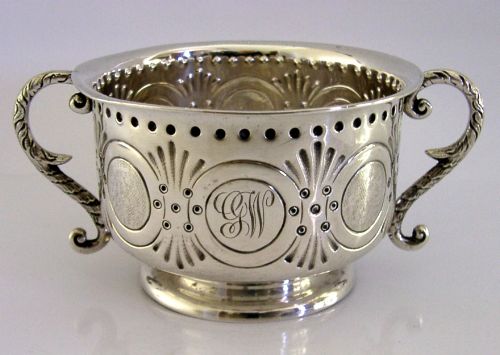
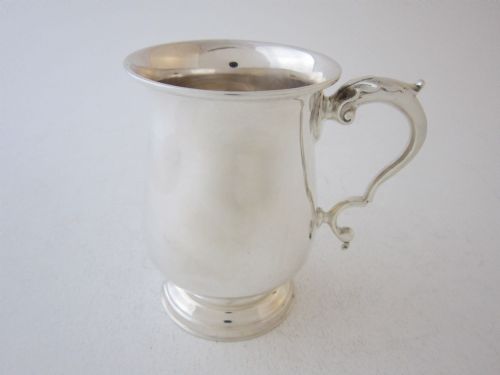
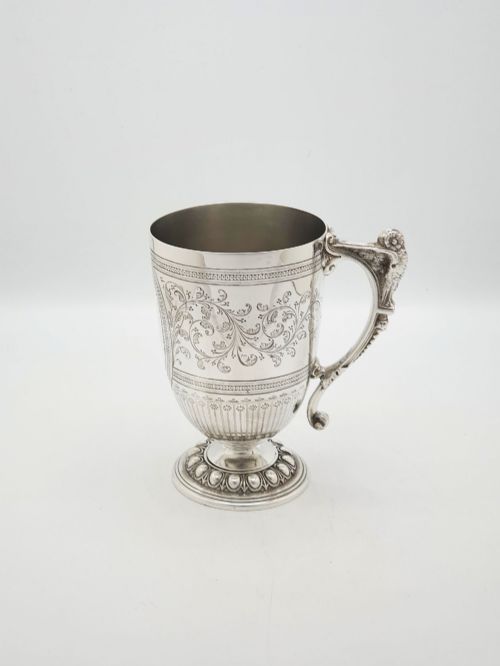
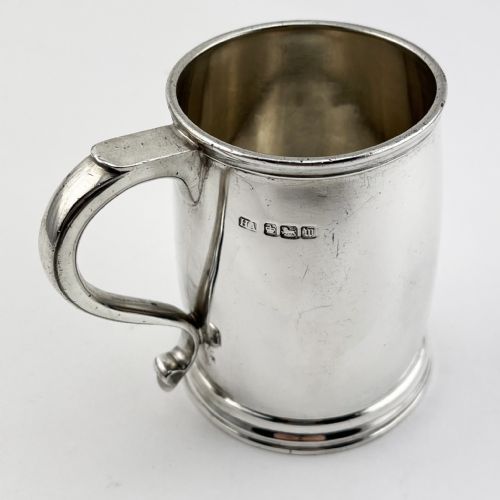
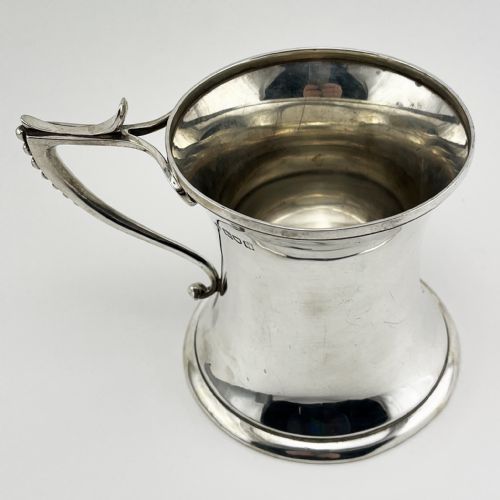
When you search for an edwardian christening cup, you are looking at small drinking vessels and mugs presented to infants for significant milestones such as birth or baptism. The pieces on this page span the Edwardian period alongside adjacent George V, Arts and Crafts, and Art Deco eras. You will encounter forms ranging from traditional mugs with scroll handles to porringers, loving cups, and boxed sets.
The materials recorded in these listings are predominantly sterling silver and silver plate, occasionally paired with leather and silk within presentation boxes. Most examples originate from the early twentieth century, specifically between nineteen hundred and nineteen thirty. These items function as both decorative silverware and functional cups.
Makers and silversmiths shaped these objects into distinctive tankards, beakers, and bowls, sometimes incorporating whimsical details like owl handles. The selection reflects the diverse stylistic tastes of the early twentieth century, moving from Edwardian elegance to Arts and Crafts simplicity.
How They Were Made
Silversmiths utilised sterling silver and silver plate as the primary metals for shaping these vessels. Techniques involved hammering, spinning, and casting the metal to create sturdy bodies and secure handles.
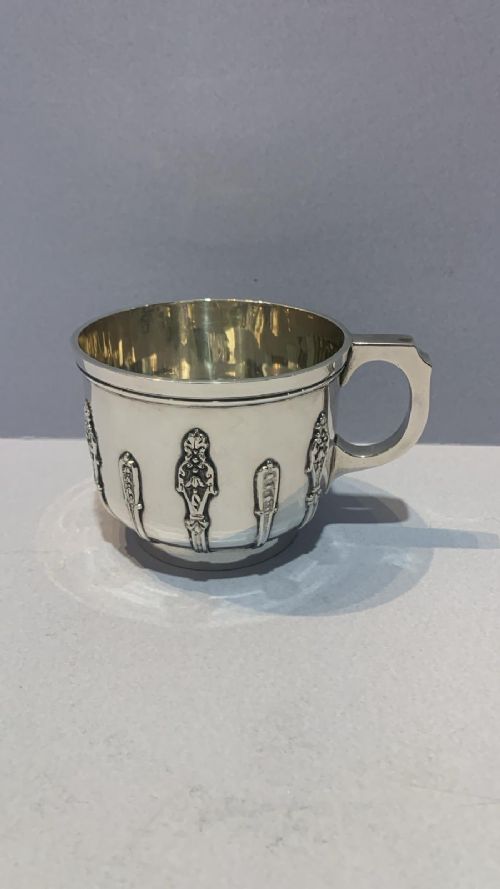
Internal gilding appears on select mugs, providing a contrasting golden hue within the silver bowl. Presentation sets also integrate protective outer layers of leather and lining fabrics like silk.
Edwardian Christening Cup Retail Price Guide 2026
Typical asking prices for edwardian christening cup among the pieces listed under this phrase on Sellingantiques today, from the lower quarter to the upper quarter. They describe what is for sale here now, not the wider market.
What Varies in Quality
The weight and gauge of the metal set the foundation for durability and tactile substance. Heavier silver items demonstrate a more substantial use of material by the maker.
Artistry in the design and execution of handles, such as scrollwork or figural motifs, distinguishes standard production from finer workmanship. Hallmarking clarity and the reputation of the silversmithing firm add further distinction.
Tiffany and Co
The Edwardian Christening Cup Glossary
- Porringer
- A shallow two-handled bowl used for porridge or broth, frequently utilised as an alternative christening gift format. These pieces often feature pierced handles.
- Loving cup
- A large drinking vessel equipped with two or more handles, designed to be passed amongst company. In christening contexts, these appear in smaller commemorative scales.
- Sterling silver
- An alloy consisting of ninety-two point five percent silver and seven point five percent other metals, ensuring structural strength for daily use. This standard is verified by official assay office hallmarks.
- Silver plate
- A base metal substrate coated with a thin layer of pure silver. This method offered an accessible alternative to solid sterling items during the Edwardian era.
- Gilt
- A thin application of gold applied to the interior surface of a silver cup. This technique protected the silver from acidic liquids and enriched the visual presentation.
Edwardian Christening Cup: Frequently Asked Questions
Were these cups actually used by babies?
Most christening cups served primarily as ceremonial keepsakes and display pieces rather than everyday tableware. Families preserved them safely in presentation boxes.
Over decades, many remained untouched, which accounts for the excellent preservation seen in surviving examples today.
How can I tell an Edwardian piece apart?
Assay office hallmarks stamped directly onto the silver provide precise dating indicators alongside style cues. Edwardian pieces typically display specific monarchical profiles and stylistic restraint.
Comparing the decorative motifs against known Arts and Crafts or Art Deco timelines helps confirm the exact period of production.
How should I clean antique silver cups?
Use a soft microfiber cloth along with specialised silver cleaning pastes formulated to protect delicate surfaces. Avoid harsh scrubbing that might wear down engraved initials or hallmarks.
Store the silver in dry environments away from direct sunlight to maintain the polished finish and prevent tarnishing.