


Vintage Silver Christening Cup
A vintage silver christening cup is a traditional gift of solid metal or plate given to mark a child's birth or baptism.
Vintage Silver Christening Cup
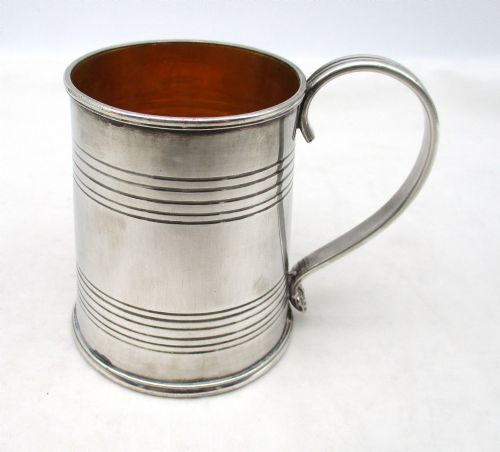
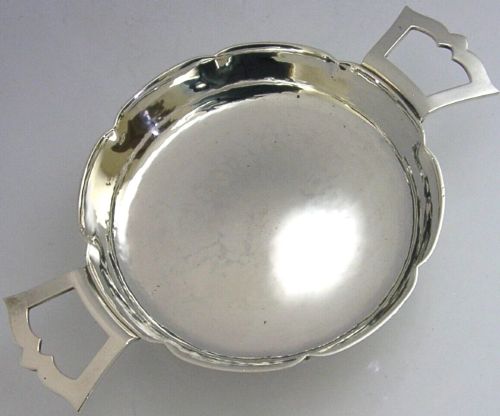
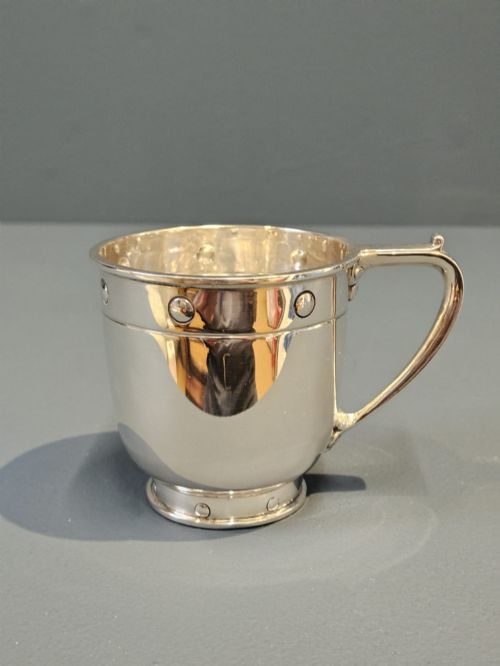
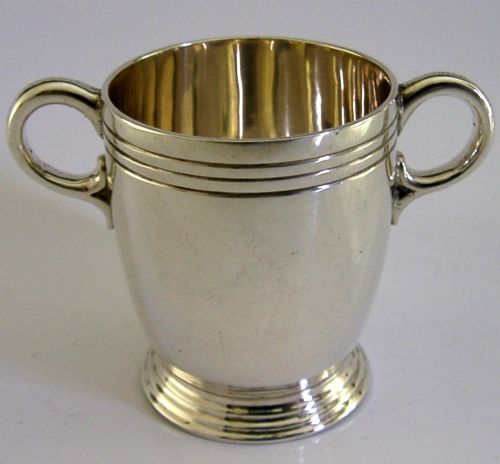
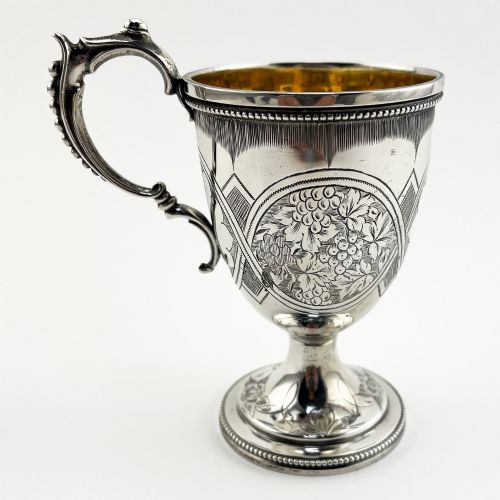
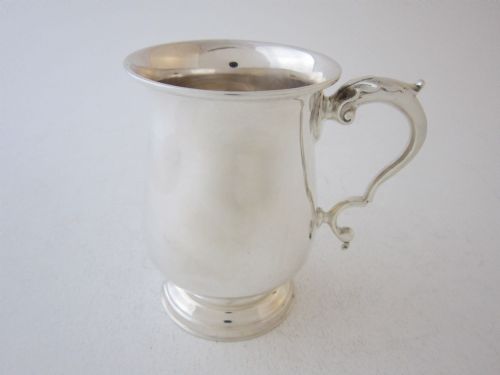
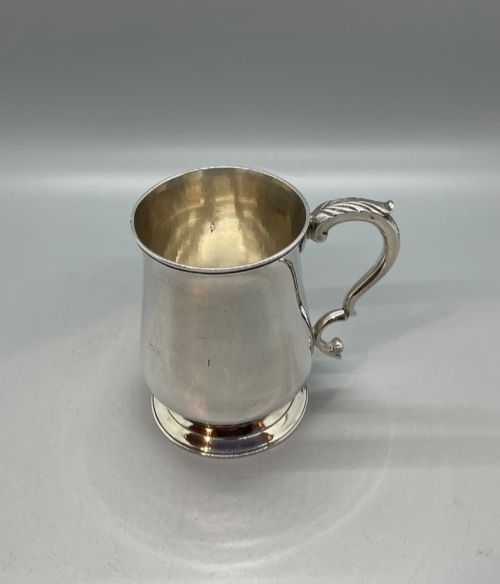
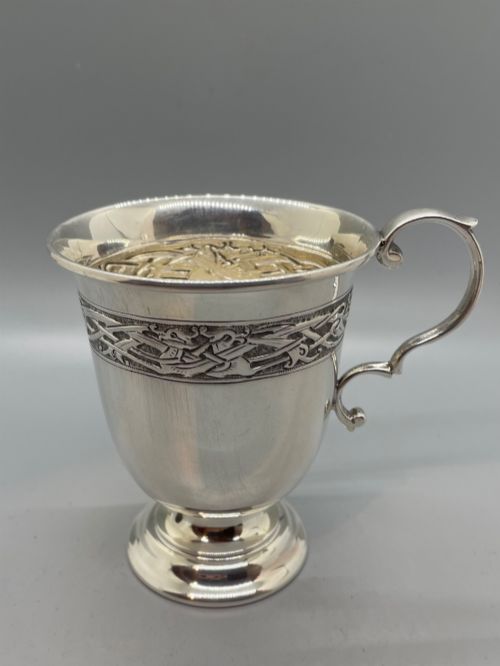
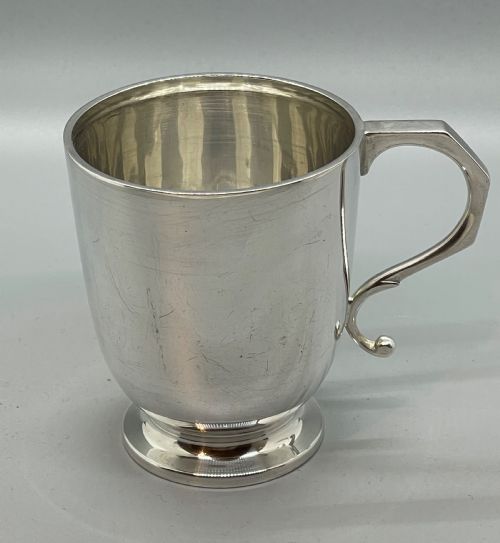
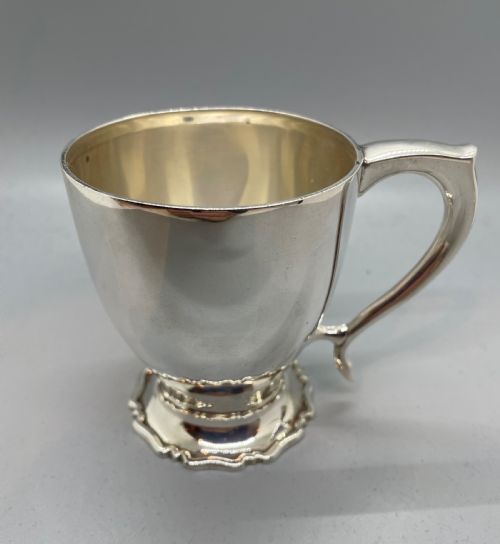
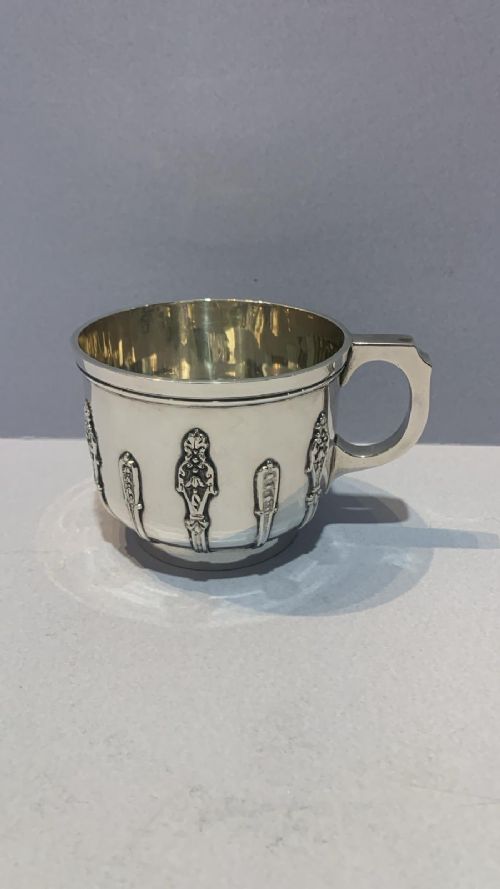
A vintage silver christening cup encompasses small handled vessels, tankards, beakers, and porringers created to mark early childhood milestones. These objects appear across several stylistic periods, with Edwardian and George V examples frequently meeting the collector on this page.
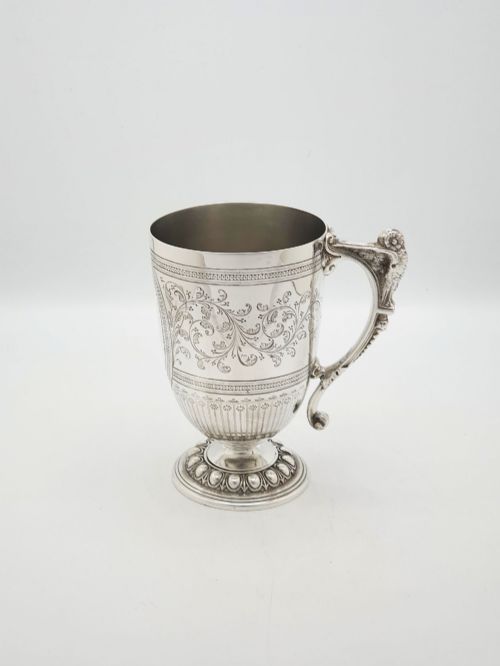
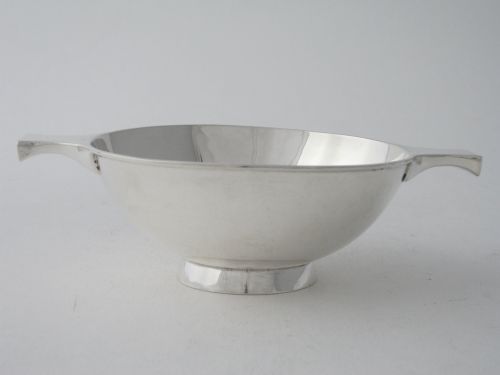
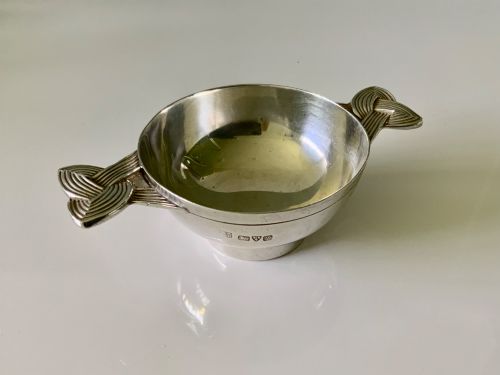
The forms range from plain cylindrical bodies to baluster shapes with scroll handles, alongside rarer variations such as quaichs and owl-handled tankards. Most pieces serve as decorative keepsakes rather than functional tableware today.
Origins span provincial and major assay offices including London, Birmingham, Sheffield, and Chester. Victorian and early twentieth-century pieces dominate the current selection, reflecting shifts in domestic gift-giving traditions.
Materials and construction
Makers utilised sterling silver, silver plate, and Old Sheffield plate, occasionally applying gold gilt or silver gilt interiors to the metal surface. These materials dictate the weight and durability of each individual vessel.
Construction techniques include hand-planishing, hammering, and embossing, alongside cast handles soldered to raised or spun bodies. Surface ornamentation often combines hand engraving with chased rococo scrolls or plain polished finishes.
Listings feature periods spanning from the eighteenth century through the mid-twentieth century, including George III, Victorian, Edwardian, and Art Deco eras.
Distinctions in craftsmanship
Quality rests in the thickness of the metal, the crispness of chased or engraved decoration, and the balance of the handle relative to the body. Heavier gauges of sterling silver indicate superior substance and durability.
Artisanal touches, such as visible planishing marks from a maker like R E Stone or carefully cast figural handles like an owl, separate standard commercial production from distinguished workshop pieces.
Barker Bros·R E Stone·Tiffany & Co·William Bateman
The Vintage Silver Christening Cup Glossary
- Planishing
- The technique of hammering a metal surface with a small-faced hammer to smooth it and leave a distinctive faceted texture. This process hardens the silver while creating a subtle light-catching pattern.
- Porringer
- A small, two-handled bowl used historically for porridge or broth, often adapted as a christening vessel. These pieces occasionally include a fitted cover.
- Quaich
- A traditional shallow two-handled drinking vessel of Scottish origin used for ceremonial toasts. In silver, these take the form of a shallow bowl with flat projecting lugs.
- Baluster
- An architectural form resembling a shaped pillar, featuring a rounded lower body tapering upward to a narrow neck. This silhouette appears frequently on nineteenth-century mugs.
- Old Sheffield plate
- A composite material made by fusing a thin sheet of sterling silver to a thicker copper base. Pieces made this way show a thin line of copper where the edges meet.
Vintage Silver Christening Cup: Frequently Asked Questions
What is a christening cup used for?
These small vessels were traditionally given as commemorative gifts to newborn infants to mark a baptism or naming ceremony. They served as lasting keepsakes intended to be kept throughout the child's life.
While some were utilised for drinks in nursery settings, many remained purely decorative display items or family heirlooms passed down through generations.
How do I know if it is sterling silver?
British pieces typically feature hallmarks stamped into the metal, including symbols for the assay office, the maker, and a lion passat indicating sterling standard. Silver plate lacks these official government hallmarks and may show base metal underneath worn areas.
Weight can also offer a clue, as solid sterling silver pieces feel substantially heavier in the hand than plated copper or brass alternatives.
Are these cups safe to use today?
Most antique and vintage pieces contain silver or silver plate that is non-toxic, though older items may require careful cleaning before any contact with food or drink. Cups with gilt interiors offer a barrier between the beverage and the base silver.
Many collectors prefer to keep them as cabinet displays or decorative objects rather than using them for daily dining.
How do I clean a silver cup?
Routine dusting with a soft microfibre cloth prevents tarnish build-up on polished surfaces. For deeper cleaning, a gentle proprietary silver cream applied with minimal friction preserves engraved details and hallmarks.
Avoid harsh abrasive dips that can strip the original patination and damage delicate applied handles or gilt linings.