

Edwardian Snuff Box
When you seek an Edwardian snuff box, you look for a compact pocket container crafted to hold tobacco or snuff during the early twentieth century.
Edwardian Snuff Box
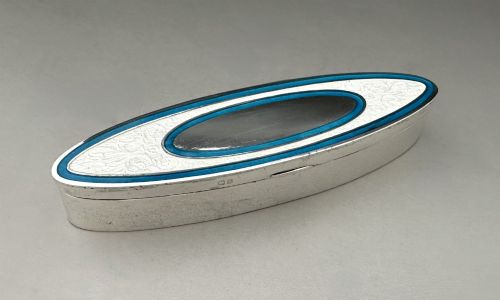
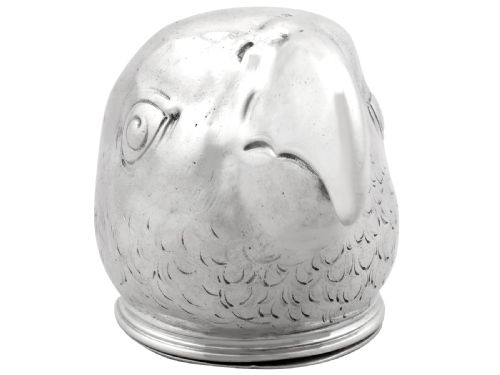
An Edwardian snuff box represents a pocket container produced during the Edwardian period, alongside related small receptacles like pill boxes, trinket boxes, and tobacco boxes. These items appear in formats ranging from simple squeeze pebbles to figural novelty designs shaped as animals or hats.
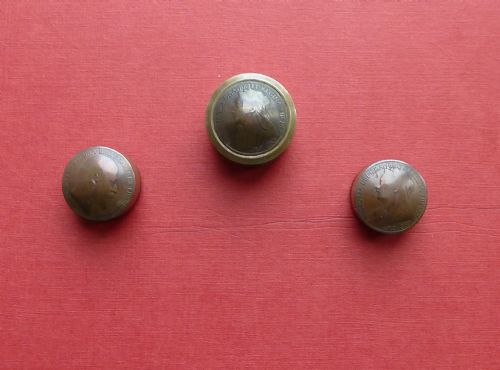
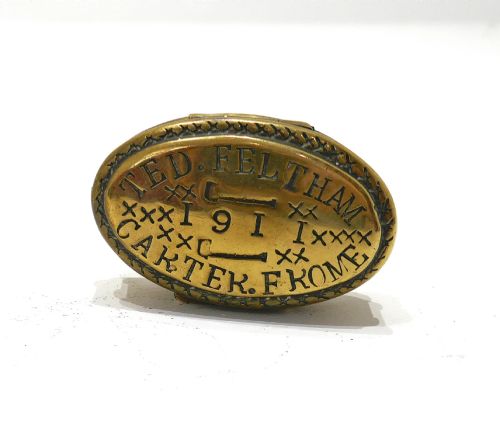
The selections recorded here span sterling silver, solid silver, and brass, often paired with vitreous enamel, agate, or mother of pearl. While the core of the items originates from the Edwardian years, related pieces from Victorian and later decades also circulate.
How they were made
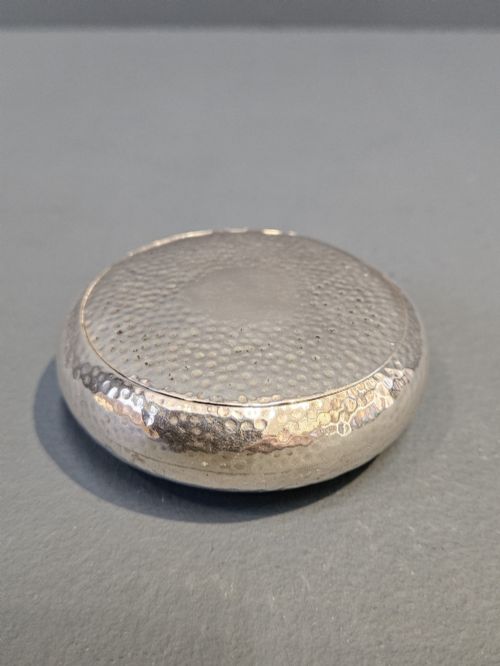
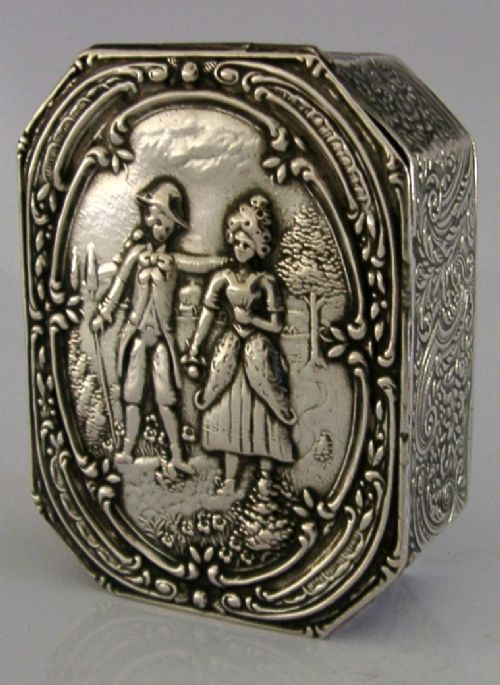
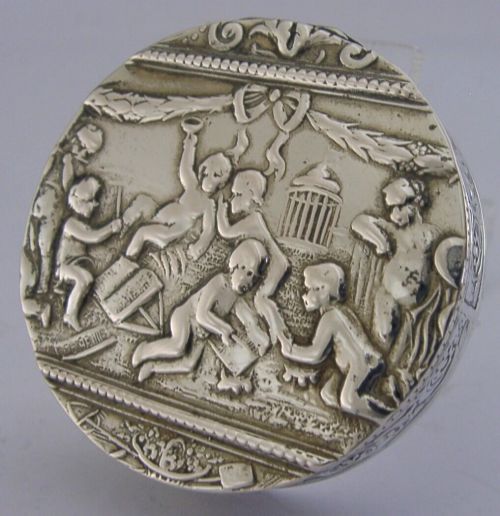
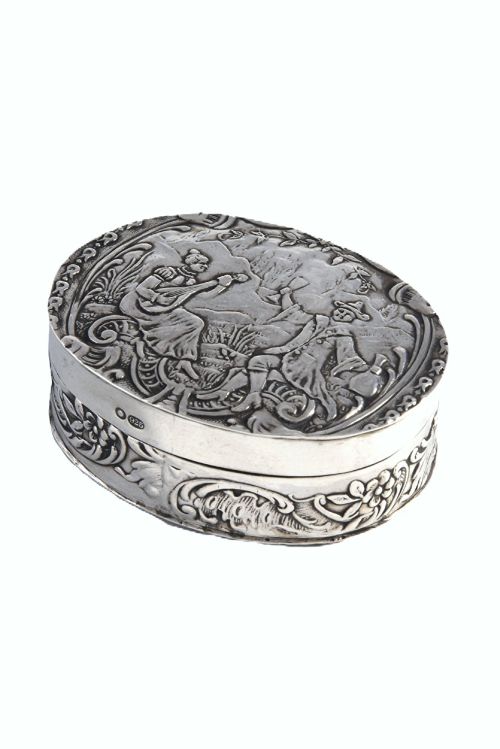
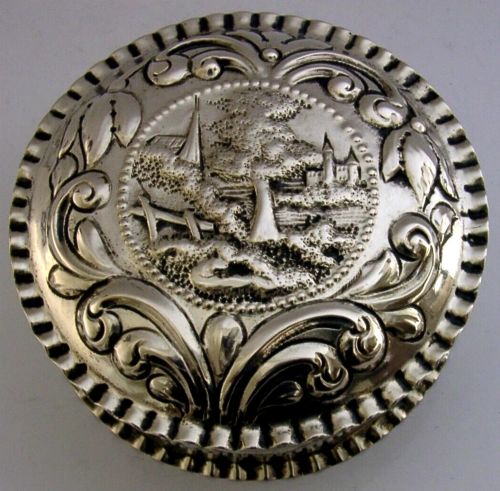
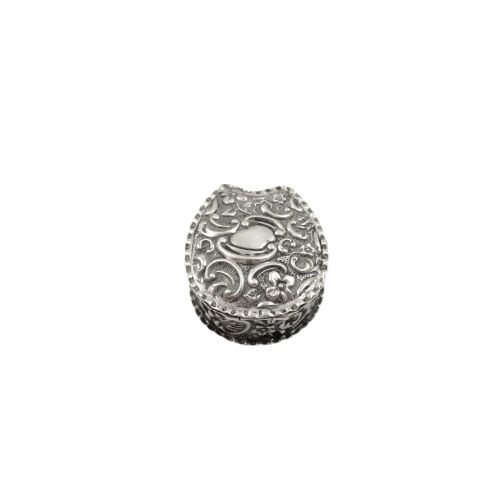
Silversmiths and metalworkers shaped these boxes using sterling silver, solid silver, and brass, frequently applying planished surfaces or cast decorative scenes. Many examples incorporate gilding on the interior to protect the metal from tobacco residue.
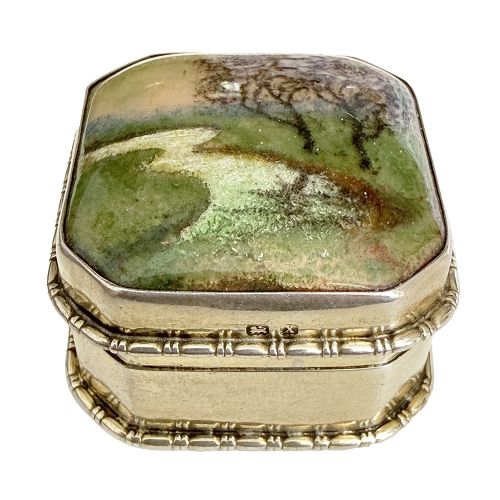
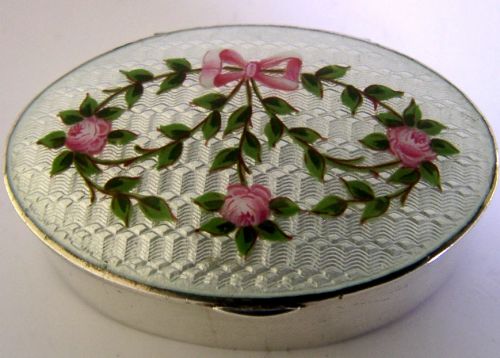
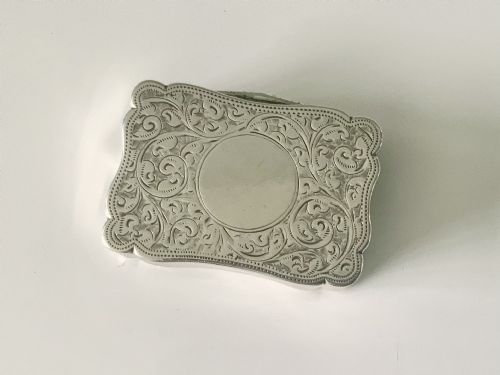
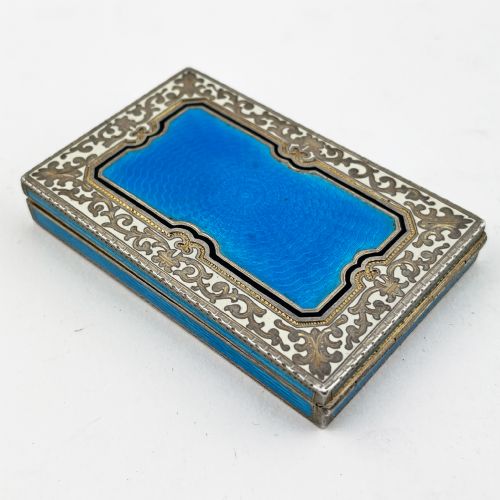
Vitreous enamel, guilloche enamel, and inset stones such as agate, amethyst, and mother of pearl decorate the lids and bodies. Makers utilised stamping, engraving, and fine hinge-fitting to construct secure lids for daily pocket use.
Certain Edwardian silversmiths shaped containers as tiny frogs, pigs, and crabs, turning mundane pocket boxes into pocket-sized menagerie pets.
What varies in quality
Quality rests on the crispness of the casting, the weight of the silver, and the precision of the hinge work. Plain boxes rely on clean lines and balanced proportions, whereas decorative versions depend on the clarity of chased figures and picture castle tops.
Enamelled surfaces differ in depth and colour saturation, with undamaged guilloche and polychrome enamel elevating a piece. The presence of clear hallmarks adds documentary weight to the construction.
Mappin and Webb·W Comyns·Hilliard and Thomason·Colen Hewer Cheshire·Sampson Mordan·Walker and Hall·Thomas Hayes·George Unite·Henry Cook·Saunders and Shepherd
The Edwardian Snuff Box Glossary
- Sterling silver
- A silver alloy containing 92.5 percent silver by weight, widely used for British boxes. It provides the durability needed for thin-walled pocket containers.
- Guilloche enamel
- A decorative technique where transparent enamel is laid over engine-turned metal. This creates repeating geometric patterns beneath the glossy coloured surface.
- Pebble box
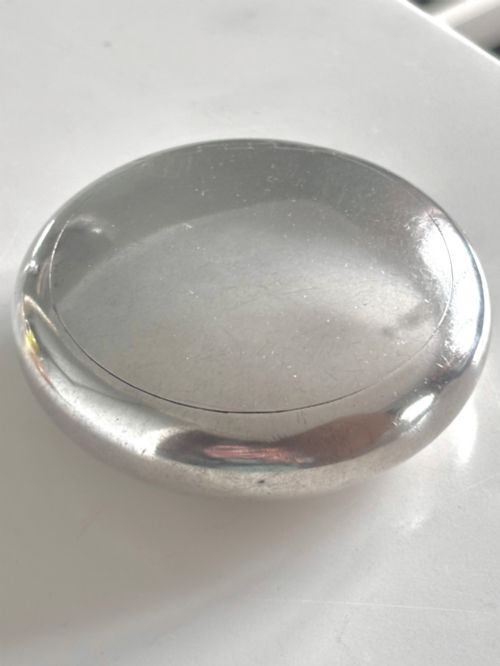
- A pocket box shaped with smooth, rounded contours mimicking a smooth stone. These fit comfortably into a waistcoat pocket.
- Silver gilt
- Silver coated with a thin layer of gold on the interior. This treatment prevents the silver from tarnishing through contact with tobacco.
- Planished
- A metal surface finish beaten lightly with a flat-faced hammer. This creates a subtle texture of small, flat facets across the silver.
Edwardian Snuff Box: Frequently Asked Questions
What were Edwardian snuff boxes used for?
These small containers were carried in pockets or kept on tables to hold dry powdered tobacco for sniffing, a habit popular across social classes. They also served as stylish receptacles for pills, trinkets, and small valuables.
Because they were meant for daily handling, makers engineered them with tight hinges and secure latches to prevent accidental spills in pockets or bags.
How do I tell an Edwardian box from a Victorian one?
Examining the hallmarks stamped on the metal provides the most reliable date, as official assay office marks record the exact year of production. Stylistic cues also help distinguish the eras.
Edwardian pieces often feature lighter forms, smoother pebble contours, and brighter enamel work compared to heavier, more ornate Victorian designs.
How should I clean a silver snuff box?
Silver boxes require gentle dusting with a soft, dry microfibre cloth to remove surface grit without harming delicate chased details or hinges. Enamelled and stone-inset panels need particular care to avoid moisture seeping under edges.
Harsh chemical dips and abrasive metal polishes will strip thin gilding and ruin fragile enamel surfaces, so traditional cleaning pastes should be avoided entirely.
Why do some boxes have gilt interiors?
Makers applied a thin layer of gold wash to the inside of silver boxes to prevent the acidic properties of tobacco from corroding the bare metal. This gilding also kept the contents clean and added a hidden flash of luxury.
When examining a box, an intact gold interior often indicates that the piece saw careful use and survived in good original condition.