



Antique Coin Box
An antique coin box protects small currency, tokens, and precious sovereigns in lasting materials like sterling silver, oak, and brass.
Antique Coin Box
When you search for an antique coin box, you encounter a diverse group of receptacles designed for currency, from pocket sovereign cases to desktop collectors cabinets. These items span the Georgian, Victorian, and Edwardian eras, reflecting the domestic and financial habits of past centuries.
The objects take many forms on this page, including mechanical cast iron banks, treen fruitwood snuff boxes with coin inserts, and multi-drawer mahogany specimen cabinets. Smaller items meant for personal carriage sit alongside larger desk storage pieces.
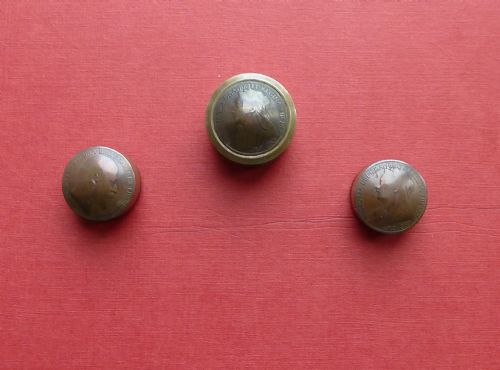
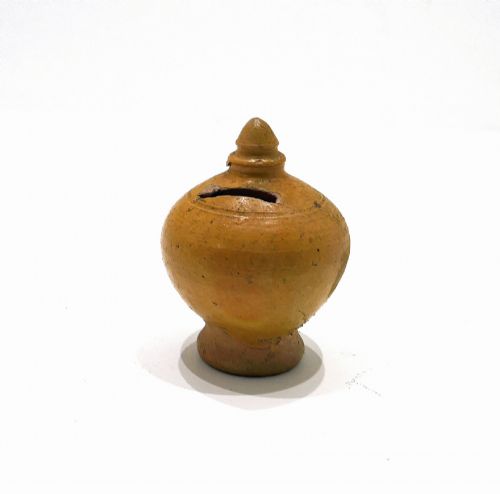
Origins stretch from English workshops to French makers and Japanese studios, showing a wide geographical range in metalwork and woodwork. Buyers meet everything from simple earthenware money boxes to refined silver pill boxes inset with dated coins.
Materials and Technique
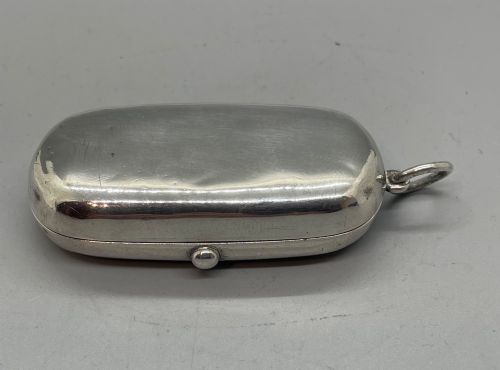
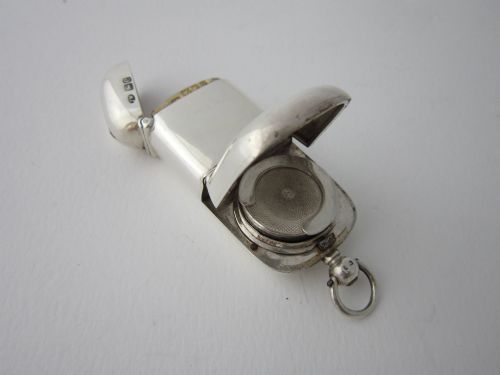
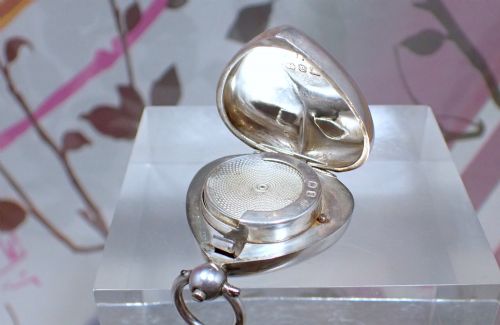
Metals form a large portion of the evidence, with sterling silver, brass, and iron shaped through casting, engraving, and gilding. Silver coin cases and vesta combinations rely on crisp Birmingham hallmarks and detailed surface decoration.
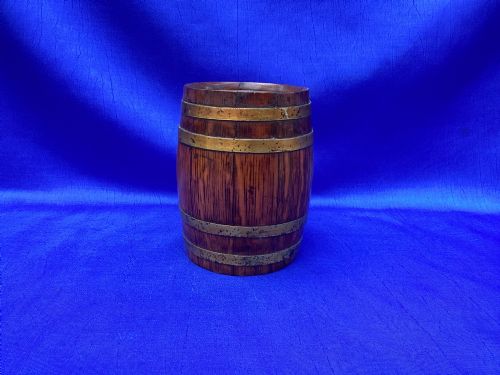
Timbers such as oak, mahogany, walnut, and elm provide the structure for cabinets and puzzle book boxes. Joinery methods range from campaign style drawer construction to turned wooden barrels and carved figurative hardwood figures.
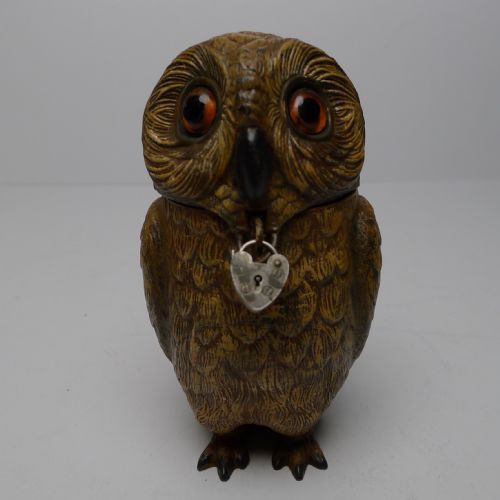
Secondary elements include velvet linings, glass panels, and painted spelter surfaces. Artisans incorporated actual currency into lids and boxes, fusing metal coinage with functional receptacles.
Listings feature sterling silver, oak, mahogany, brass, iron, and velvet across the 19th and early 20th centuries.
Distinctions in Execution
The standard of an antique coin box depends on the crispness of its engraving, the tightness of its joints, and the integrity of any mechanical action. Pieces with complex internal movements or hand-carved details demand closer scrutiny of the artisan's precision.
Material thickness and the preservation of original finishes separate ordinary utilitarian objects from finer presentation pieces. Sterling silver items retain clear hallmarks and unblemished surfaces, while wooden cabinets show well-figured grain and original brass hardware.
Aaron Lufkin Dennison·John Harper Co·Verwood Pottery·Frederic Boucheron·Hermes Paris
The Antique Coin Box Glossary
- Sovereign case
- A small pocket container shaped to hold British gold sovereign coins securely. These often feature spring-loaded mechanisms or hinged lids.
- Vesta case
- A small box designed to hold wax matches, frequently combined with sovereign holders in Victorian silver pieces.
- Spelter
- An alloy of zinc and lead cast into decorative figures and painted. It mimics bronze but possesses a lighter weight.
- Specimen cabinet
- A multi-drawer wooden piece built for organising small collectibles, shells, or coins.
Antique Coin Box: Frequently Asked Questions
What fits inside a sovereign case?
These small containers hold standard British gold sovereign and half-sovereign coins. Pocket versions secure them individually with internal clips.
Larger double cases accommodate multiple coins for carriage during the Victorian and Edwardian periods.
How do mechanical banks operate?
Cast iron and painted metal banks use internal springs and levers activated by placing a coin in position. The weight or action triggers figures to move.
These devices were engineered to encourage saving through amusing visual performance.
What are collectors cabinets used for?
Multiple shallow drawers provide organised storage for small valuable items, natural specimens, or coins. Glass doors or solid locks protect the contents.
Desk and table top formats keep specialised groupings close at hand.