


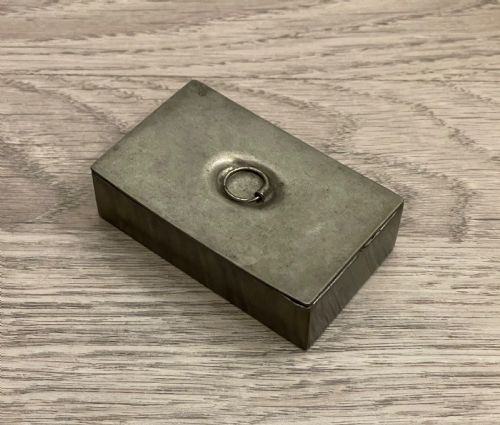


Metal Snuff Container
These metal snuff container pieces are pocket companions for tobacco, spanning centuries of craftsmanship in brass, horn, porcelain and bronze.
Metal Snuff Container
A metal snuff container is a pocket-sized receptacle designed for holding powdered tobacco, appearing across the eighteenth, nineteenth and early twentieth centuries. These vessels served social rituals of sharing and polite conversation among polite society.
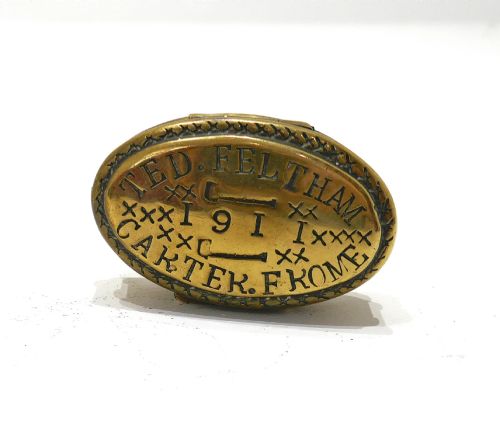
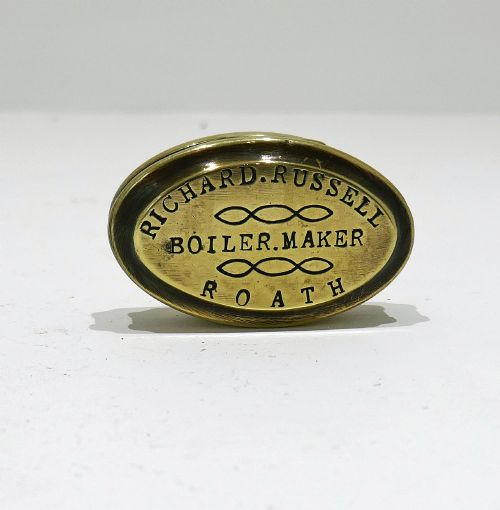
The pieces on this page include practical pocket items alongside novelty forms shaped like fish and inscribed boxes bearing names and dates. Collectors encounter brass, horn, white metal, bronze, copper, porcelain, gilt metal, enamel, and tole ware.
Origins stretch from British and Scottish workshops to German and Dutch centres, alongside French porcelain creations. Forms range from simple tobacco boxes to intricate trinket boxes and novelty snuff boxes.
How they were made
Maker's workshops utilised metals such as brass, bronze, copper, pewter, and white metal, alongside organic materials like horn. Engraving tools inscribed names, dates, and locations directly onto the metal surfaces.
Ceramic pieces involved porcelain body creation followed by hand painting and gilding, while tole ware required painted tin techniques. Articulated metal specimens featured hinged heads and segmented bodies requiring precise metalworking skill.
Materials span horn, porcelain, bronze, copper, gilt metal, enamel, and painted tin tole ware.
What varies in quality
Quality rests upon the crispness of the engraving and the integrity of the hinges on lids and articulated bodies. Finer examples display meticulous hand painting and clear personal inscriptions that anchor the piece in social history.
Material choice and finishing details distinguish standard utility items from elaborate novelty boxes and continental workshop pieces. The survival of original painted surfaces and rich patination elevates the standing of a container.
Edme Samson Of Paris
The Metal Snuff Container Glossary
- Snuff box
- A small pocket container specifically made to hold dry powdered tobacco for inhalation. These receptacles feature tight-fitting lids to preserve the contents.
- Mull
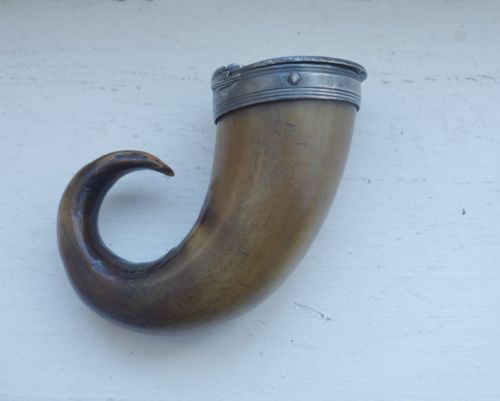
- A traditional Scottish receptacle for holding snuff, frequently fashioned from ram's horn decorated with mounted metal rims and stones. These organic pieces reflect Highland traditions.
- Tole ware
- Enamelled or lacquered metalware, typically tin, featuring hand-painted decoration. This technique produced colourful domestic containers throughout the nineteenth century.
- Bonbonniere
- A small decorative container designed for holding sweets or confectionary rather than tobacco. These porcelain examples often took fanciful shapes.
Metal Snuff Container: Frequently Asked Questions
What is a metal snuff container?
A metal snuff container is a small historical vessel used to carry powdered tobacco in the pocket or waistcoat. These objects date across the eighteenth and nineteenth centuries.
Craftsmen shaped them from brass, copper, pewter, and white metal, often adding engraved names or inscriptions.
How were tobacco boxes used?
Tobacco boxes stored leaf or cut tobacco for pipe smoking before modern packaging existed. Owners carried them daily as practical personal accessories.
Many examples feature personalised engravings recording the original owner's profession, name, and location.
Are all these boxes made of metal?
While metal predominates through brass, bronze, and copper specimens, the selection includes organic materials like horn and ceramic porcelain bodies. Tole ware painted tin also appears.
Each material dictates the specific manufacturing technique and decorative finish applied by the maker.
How do I date a metal snuff container?
Dating relies upon stylistic clues, material composition, and any engraved dates or maker marks present on the piece. Eighteenth-century Dutch and German pieces differ visibly from Victorian examples.
Inscribed names and occupational details often provide direct historical anchors for specific years.
What are novelty snuff boxes?
Novelty snuff boxes take playful forms, such as fish with articulated bodies and hinged heads designed to amuse the user. These pieces showcase clever mechanical ingenuity.
Craftsmen balanced whimsical design with practical pocket utility in these animated metal containers.