
Edwardian Single Door Cabinet
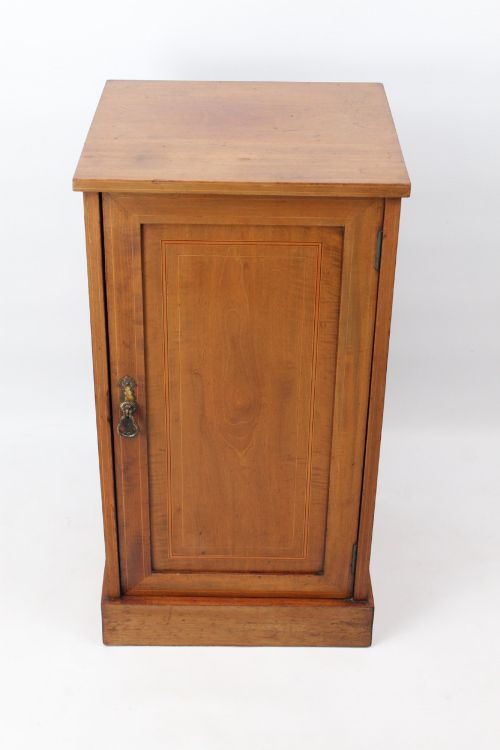
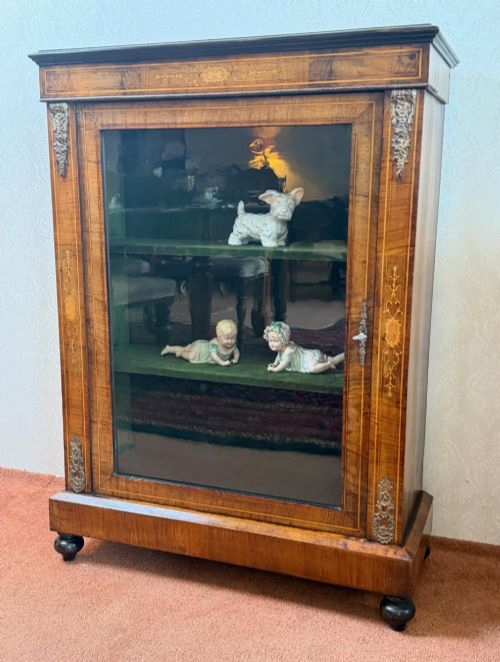
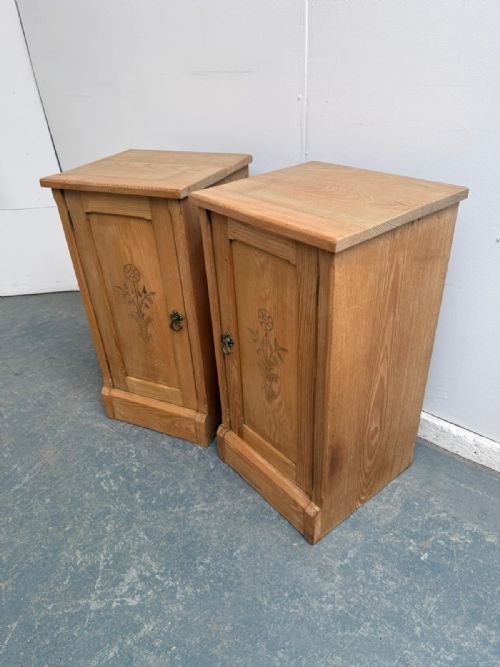
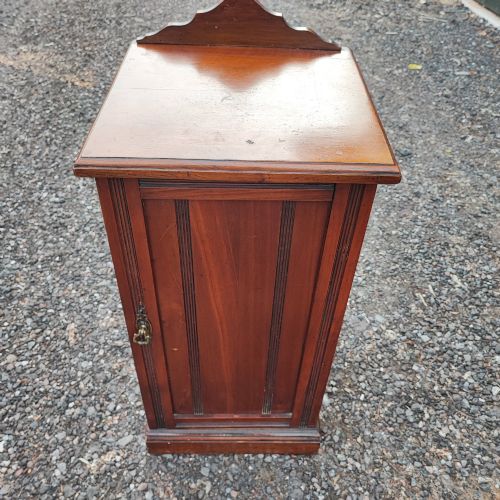
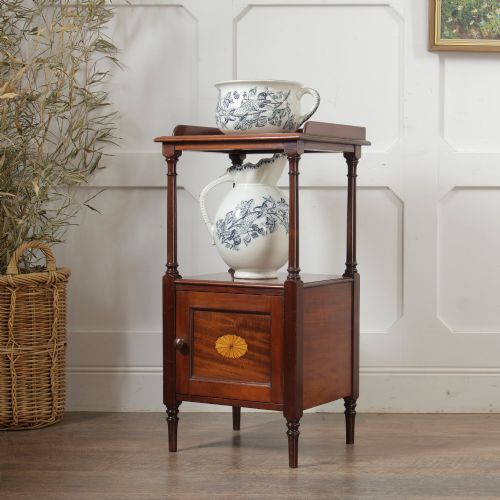
An Edwardian single door cabinet offers compact storage or display through timber frames, brass hardware, and glass or solid panels.
Edwardian Single Door Cabinet
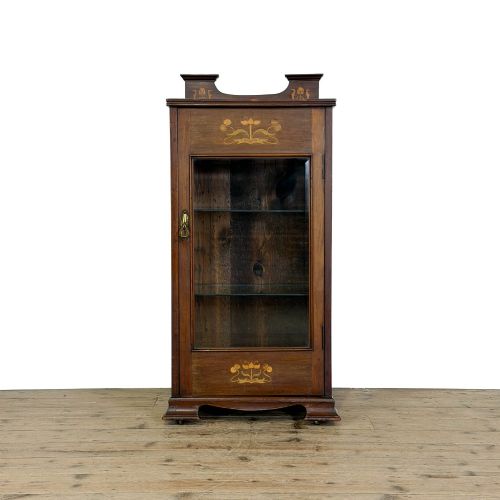
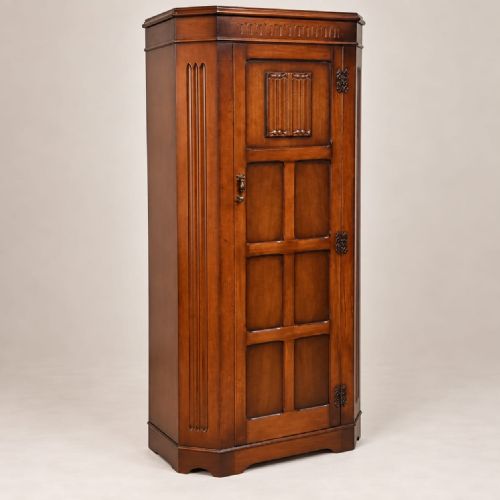
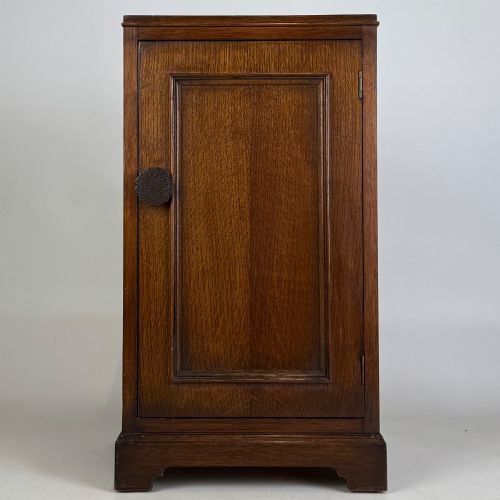
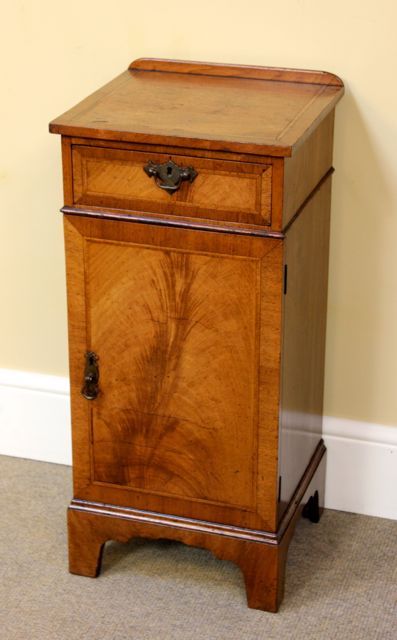
When buyers search for an Edwardian single door cabinet, they encounter a range of forms designed for domestic storage and display, spanning bedside tables, music cabinets, and upright display units. The core of the selection comprises pieces originating from the Edwardian period alongside late Victorian antecedents, reflecting a continuous tradition of compact cabinet-making.
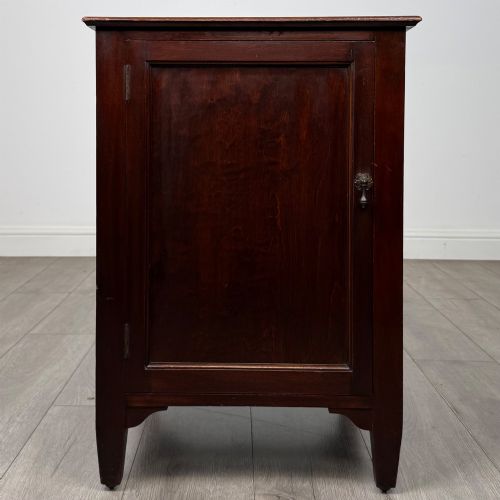
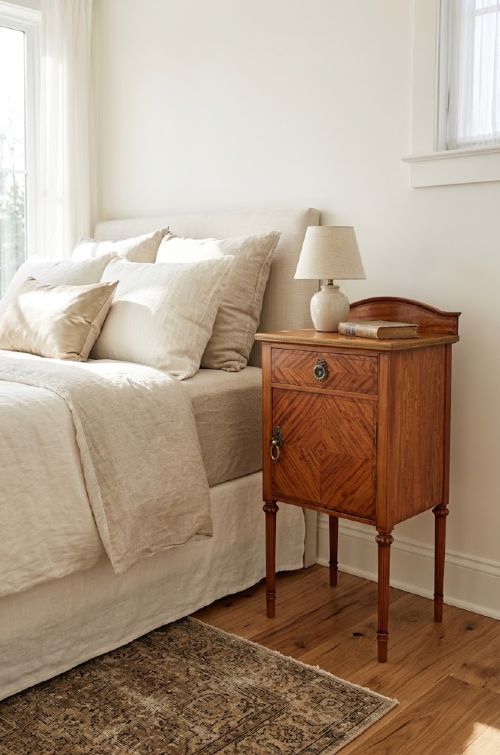
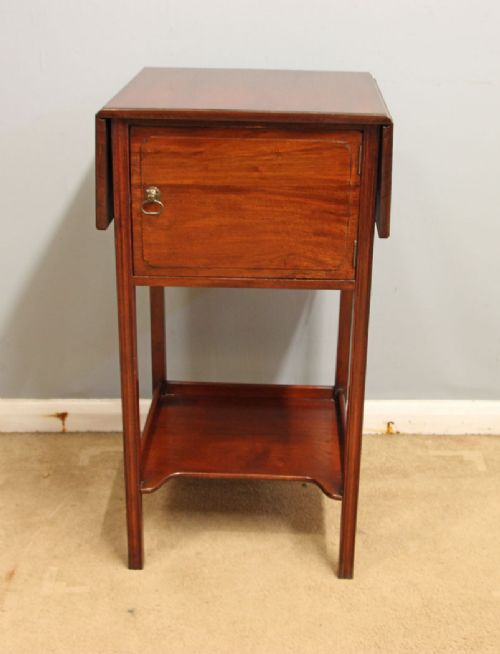
Bedside cabinets and small display units dominate the options met on this page, often constructed with a single hinged door enclosing shelving or compartments. These items served specific functions in bedrooms and reception rooms, providing enclosed space while maintaining a minimal footprint.
The materials reflect the stylistic shifts of the era, moving from darker Victorian hardwoods to lighter Edwardian timbers. Buyers find pieces executed in mahogany, oak, satinwood, and walnut, frequently augmented by glass panels or brass fittings.
How they were made
Cabinet makers utilised solid timbers and selected veneers, applying mahogany, walnut, and oak over secondary woods. Construction methods relied on traditional joinery, incorporating dovetailed drawers and panelled doors held by brass hinges.
Surface finish depended on the wood species, with mahogany and satinwood receiving polish to highlight grain patterns, whilst oak pieces often appeared waxed or stained. Inlaid sections employed contrasting woods such as satinwood bands or lighter stringing embedded directly into the primary timber surface.
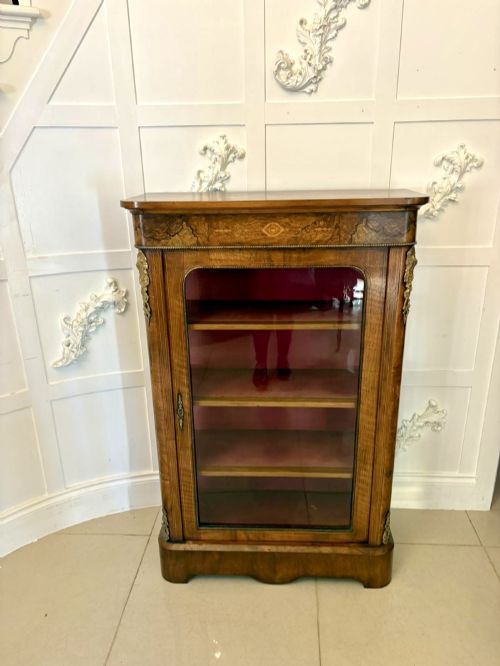
Glass panels in display variants were secured with wooden glazing bars, and hardware included brass handles, locks, and occasional gilt detailing. Internal arrangements featured adjustable wooden or glass shelves supported on wooden tracks or metal brackets.
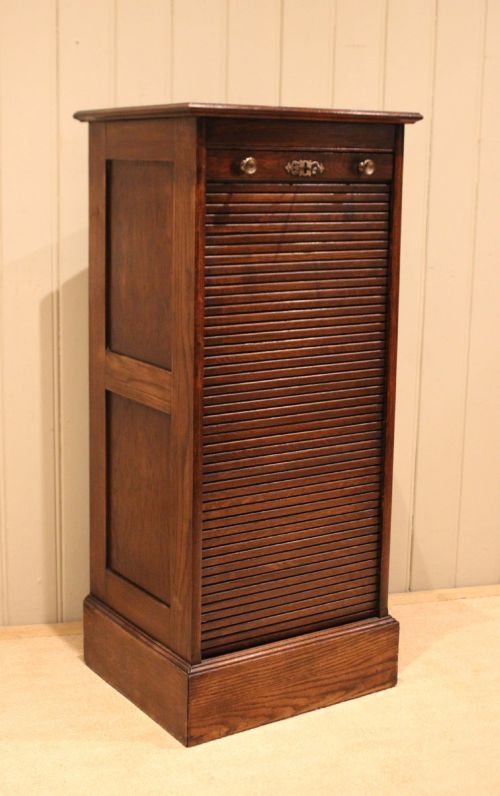
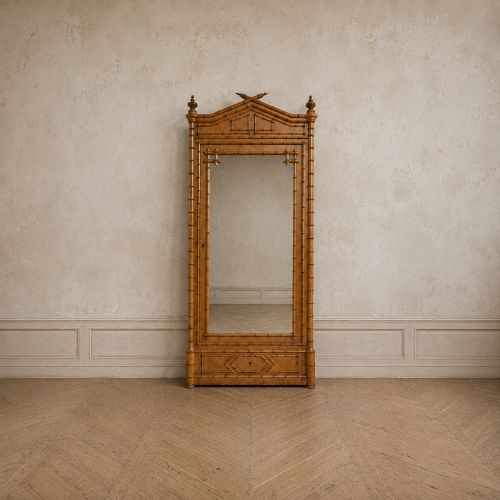
Object forms span bedside tables, music cabinets, wardrobes, storage cupboards, and glazed display pier cabinets across multiple decades.
What varies in quality
Quality diverges in the selection of timber veneers and the precision of inlaid details, where hand-cut stringing and balanced grain matching separate standard production from finer workshop output. The choice of primary wood dictates baseline quality, with figured burr walnut and clean satinwood sitting above plain stained pine or basic oak.
Construction integrity shows in the fit of the single door within its frame and the smooth operation of drawers or tambour mechanisms. Superior examples maintain structural alignment without warping, retaining original brass hardware, glass panes, and fitted interior linings.
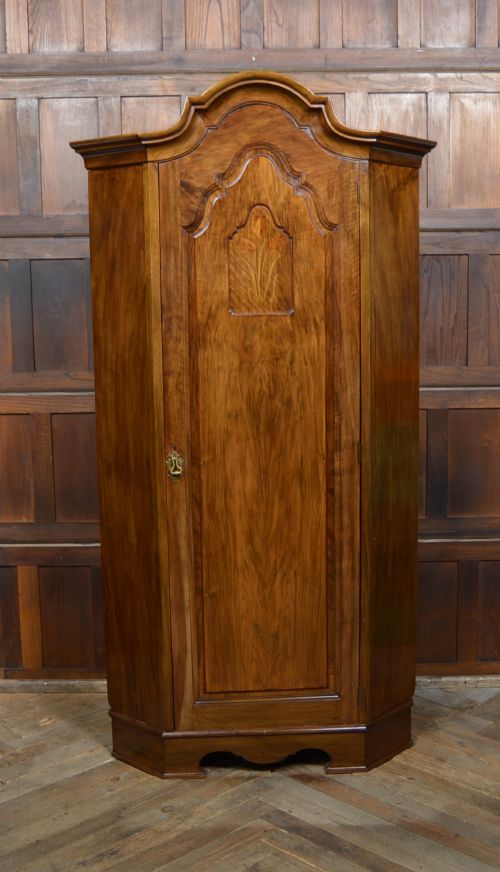
Design ambition influences the tier of the piece, ranging from utilitarian storage cupboards to glazed display cabinets featuring carved decorative elements, shaped cornices, or specific commercial branding.
Heal And Son·Simpson Halifax
The Edwardian Single Door Cabinet Glossary
- Edwardian
- Pertaining to the reign of King Edward VII, spanning from 1901 to 1910, though the aesthetic label extends slightly either side. Furniture from this era often favours lighter timbers, satinwood inlay, and refined proportions compared to heavy Victorian designs.
- Tambour
- A flexible shutter or door formed of narrow strips of wood glued to a canvas backing, allowing it to slide around a curve. This mechanism appears on filing cabinets and specialised storage units.
- Pier Cabinet
- A slender cabinet designed to stand against the wall space between windows, known as a pier. These frequently feature glass doors and velvet-lined interiors for displaying porcelain and ornaments.
- Inlay
- A decorative technique where pieces of contrasting material are inserted into depressions carved in the base wood to form a pattern. Satinwood and ebony are common contrasting agents used on mahogany carcases.
- Pot Cupboard
- A small bedside cabinet originally constructed to house a chamber pot. They typically feature a single door above or beside a small drawer.
Edwardian Single Door Cabinet: Frequently Asked Questions
What were single door cabinets used for?
These cabinets served multiple domestic purposes depending on their internal layout and room placement. Bedside variants held night-time necessities, while display versions showcased ceramic collections and glassware in reception spaces.
Filing and music variants accommodated paperwork or sheet music within partitioned interior spaces. Their compact single-door design suited smaller Victorian and Edwardian rooms where floor space was restricted.
How do I identify an Edwardian cabinet?
Edwardian pieces generally display lighter woods, restrained classical inlay, and simplified proportions compared to earlier Victorian furniture. Satinwood banding and Sheraton Revival motifs frequently appear across the surfaces.
Construction details also assist identification, including machine-cut elements alongside hand joinery, and the use of specific brass hardware styles typical of the early twentieth century.
Are the glass shelves original?
Display cabinets sometimes retain their original polished plate glass shelves, though replacements occur due to accidental breakage over time. Original glass often exhibits minor surface imperfections or slight variations in thickness.
Support brackets and shelf thickness offer clues to originality, matching the manufacturing standards of the cabinet's period of origin.
How should I care for antique wood?
Maintaining these surfaces involves regular dusting with a soft, dry cloth to prevent particulate accumulation. Periodic application of appropriate wax feeds the timber and preserves the polish without creating heavy buildup.
Direct sunlight and fluctuating humidity should be avoided to prevent timber movement, veneer lifting, or shrinkage cracks in the panel joints.