

Edwardian Silver Necklace
These edwardian silver necklace pieces combine delicate mountings with luminous gemstones, offering a refined addition to any period jewellery collection.
What an edwardian silver necklace is
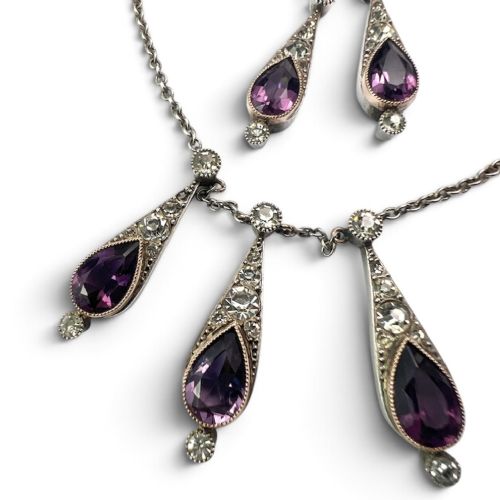
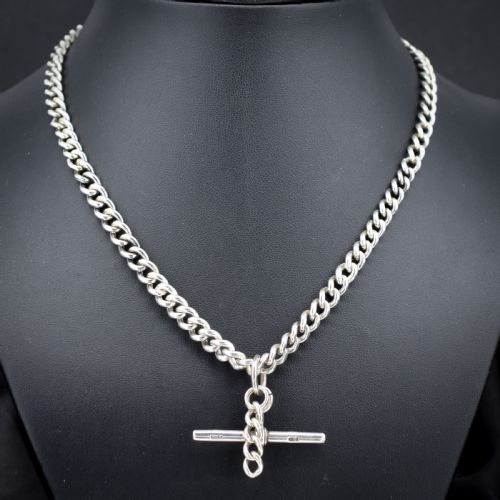
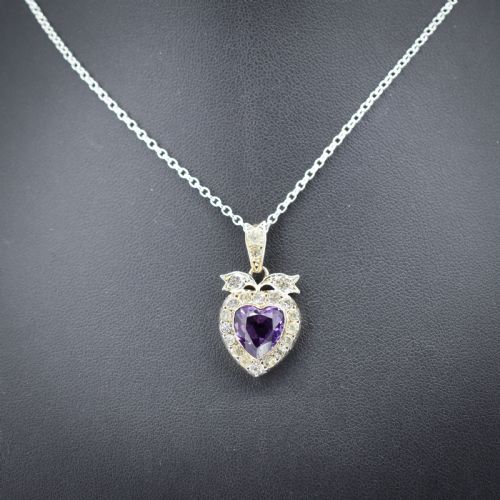
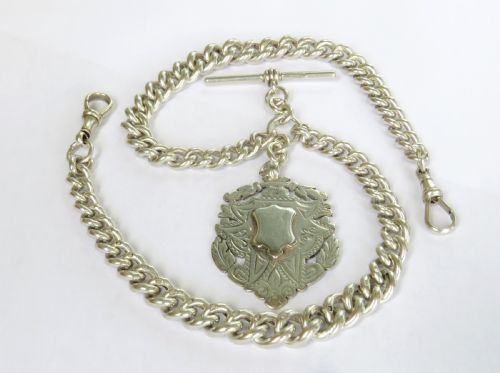
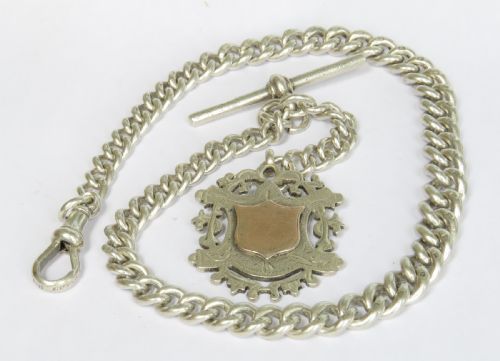
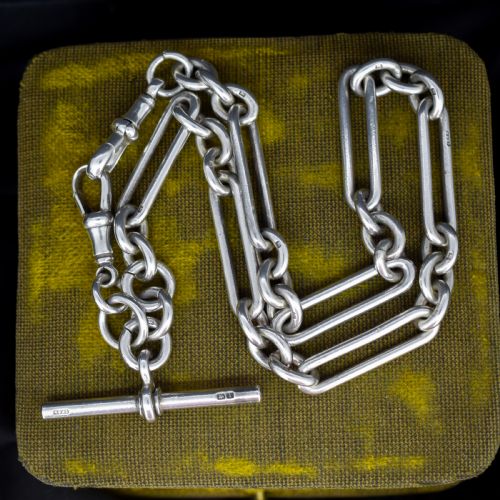
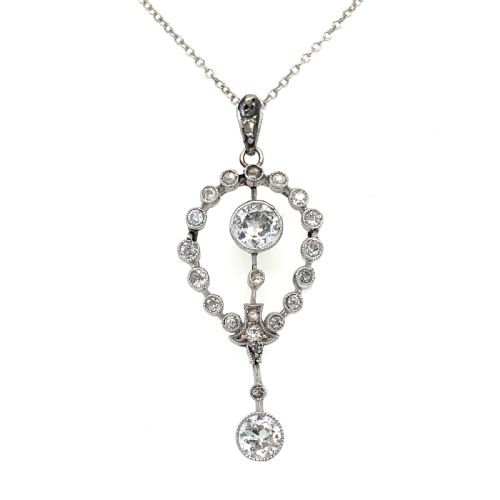
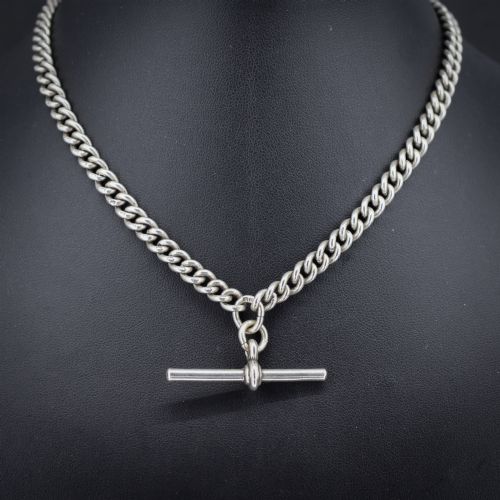
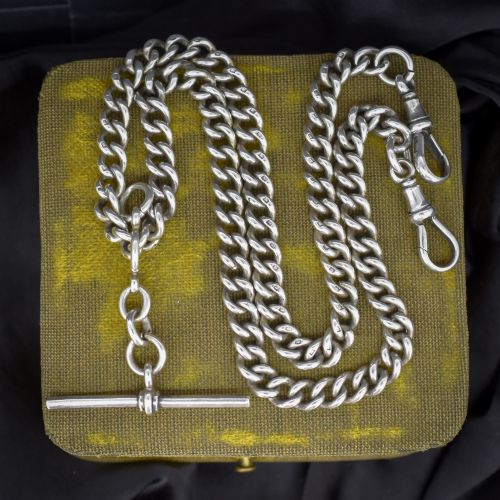
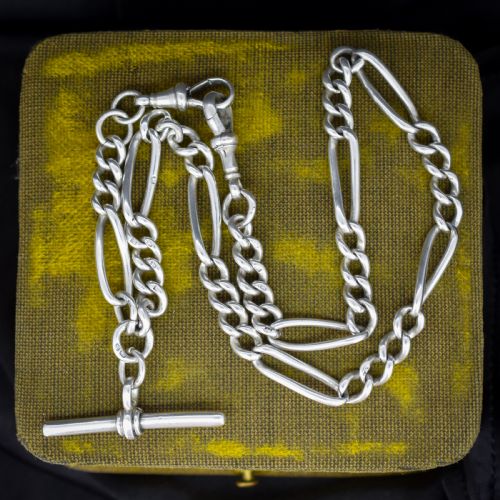
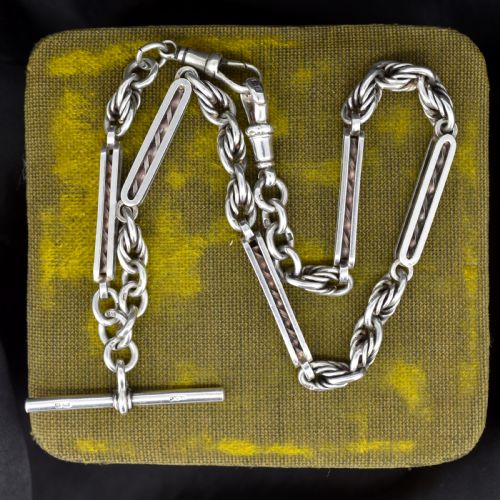
An edwardian silver necklace spans delicate lavalier pendants, festoon designs, and substantial link watch chains repurposed for neckwear. These pieces draw heavily on Edwardian, Arts and Crafts, and early twentieth-century design sensibilities, emerging predominantly from the decades around nineteen hundred to nineteen twenty.
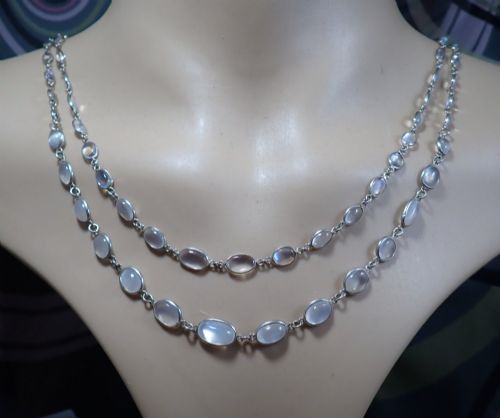
The prevailing format centres on sterling silver mountings set with cabochon or faceted gems, creating drops that rest near the collarbone or lower down the chest. Surviving examples encompass both simple chain-and-pendant arrangements and elaborate swag or festoon configurations linked by multiple gemstone stations.
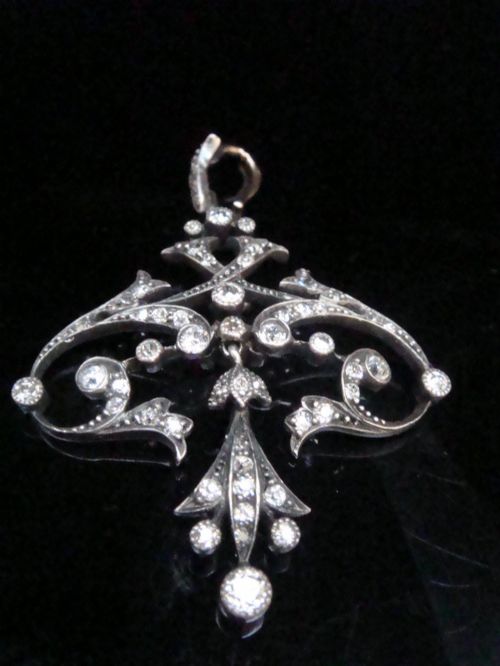
Makers frequently deployed semi-precious stones alongside diamonds, platinum accents, or colourful paste elements to achieve distinct visual impact. Buyers encounter everything from minimalist Arts and Crafts hand-wrought silver work to formal Edwardian pendant designs with intricate filigree and enamel detail.
How they were made
Silversmiths utilised sterling silver and platinum-topped gold alongside base metals for clasps and specific structural components. Stones such as moonstone, amethyst, rose quartz, chalcedony, rock crystal, citrine, and coral were hand-cut and collet-set into custom bezels or prongs.
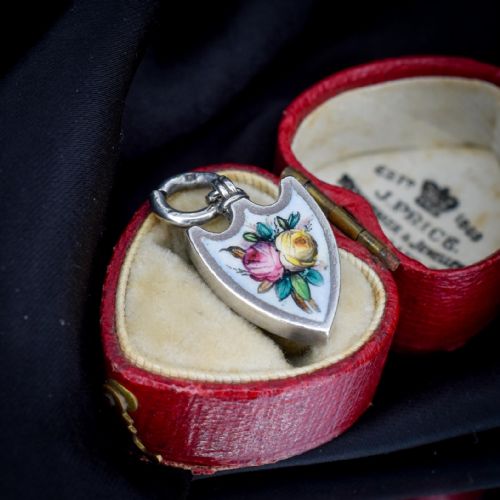
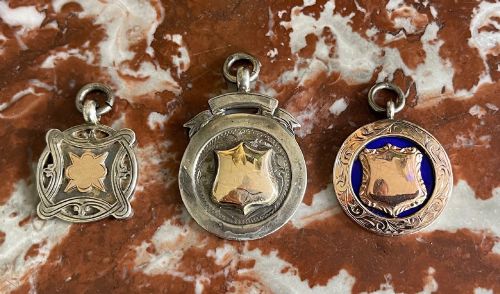
Construction techniques combined traditional hand-beating with wirework, open-back settings to let light through transparent stones, and fine granulation or piercing. Enamelling and paste stone placement appear frequently, reflecting the meticulous workshop practices of the period.
Retail Price Guide 2026
Typical UK retail prices for edwardian silver necklace, calculated from the Sellingantiques database of over a million retail prices indexed since 2003. This retail price guide relies exclusively on Sellingantiques data; no external sources or auction records are used, so the figures do not describe the wider market.
Listings feature sterling silver, moonstone, amethyst, and rock crystal across Edwardian and Arts and Crafts styles.
What varies in quality
Quality rests in the crispness of the metalwork, the symmetry of the stone settings, and the originality of the components. Workshop attribution and documented provenance elevate certain pieces above anonymous mass-market production.
Superior examples display balanced proportions in festoon drops and secure, integrated stone bezels that show minimal wear. The depth of hand-chased detail and the quality of the selected moonstones, amethysts, or diamonds dictate the upper tier of the market.
Amy Sandheim·Tiffany And Co·Murrle Bennett
The Edwardian Silver Necklace Glossary
- Lavalier pendant
- A necklace featuring a central suspended drop, often featuring a smaller secondary dangle beneath the primary stone. This style gained immense popularity during the Edwardian era.
- Festoon necklace
- A decorative chain design where swags of chain or beadwork drape across the neckline, frequently punctuated by pendant drops or gemstone stations. It creates a soft, classical silhouette.
- Cabochon
- A gemstone shaped and polished with a smooth, convex dome rather than faceted edges. This cut is especially common for moonstones, chalcedony, and rose quartz.
- Paste
- Hand-cut and polished lead glass used as a gemstone substitute in period jewellery. High-grade paste stones are foil-backed to enhance their brilliance and colour.
- Guilloche enamel
- A decorative technique where transparent enamel is layered over engine-turned metal engraving. It produces intricate geometric patterns visible beneath the coloured glass surface.
Frequently Asked Questions
How do I care for an edwardian silver necklace?
Store your necklace flat in a dry, tarnish-resistant pouch away from direct sunlight and modern chemical sprays. Clean the silver gently with a soft microfibre cloth, avoiding harsh liquid dips that might damage softer stones like moonstone or opal.
Inspect the settings periodically to ensure the prongs hold each gemstone securely. Wear the piece with care, putting it on after applying perfumes and lotions to protect the metal and stones.
Are these necklaces comfortable for daily wear?
Many lighter pendant styles sit easily against the skin and suit regular daytime wear. Festoon and intricate link variations require more attention to avoid snagging on delicate fabrics.
Shorter lengths rest high on the collar, while longer chains move freely with the body. Consider the weight and stone settings when choosing a piece for frequent use.
How can I tell Edwardian pieces apart from later styles?
Edwardian pieces typically showcase lighter mountings, delicate filigree, and a strong reliance on platinum-topped gold or bright sterling silver. The motifs lean towards garlands, bows, and flowing Arts and Crafts organic lines.
Clasps and connections often feature period hallmarks or simple spring-ring mechanisms distinct from modern mechanisms. Examining the back of the setting reveals hand-craftsmanship typical of early twentieth-century workshops.
What stones are most common in these necklaces?
Moonstone, amethyst, citrine, and various paste stones appear frequently in surviving examples. Silversmiths paired these with rock crystal, chalcedony, and occasional diamonds or coral.
Coloured gemstones defined the palette of the era, reflecting an interest in both precious and accessible decorative minerals. Each stone was chosen to complement the soft lustre of the surrounding silver work.