




Handcrafted Silver Jewellery
Handcrafted silver jewellery brings together skilled metalwork and natural gemstones from periods like the Arts and Crafts era and the mid-century years.
Handcrafted Silver Jewellery
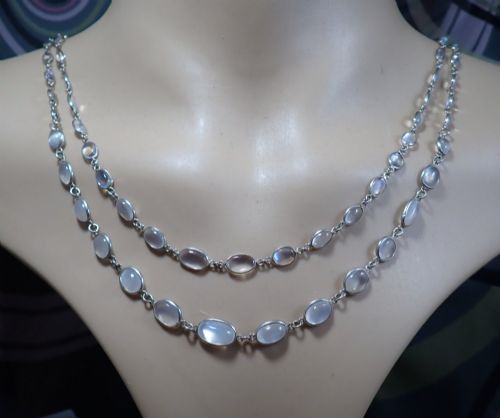
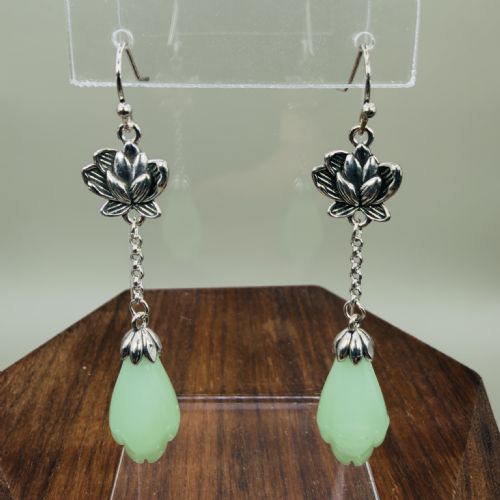
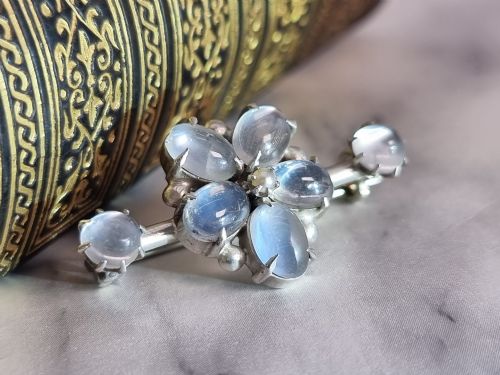
When you search for handcrafted silver jewellery, you encounter distinctive pieces shaped by individual makers rather than factory production lines. The selection centres heavily on pendants, necklaces, brooches, and earrings created during the Arts and Crafts movement, alongside later mid-century works.
Most pieces date from the early decades of the twentieth century, including the Edwardian period and the 1920s and 1930s. You will find forms ranging from simple silver drops to elaborate festoon necklaces and gem-set parures.
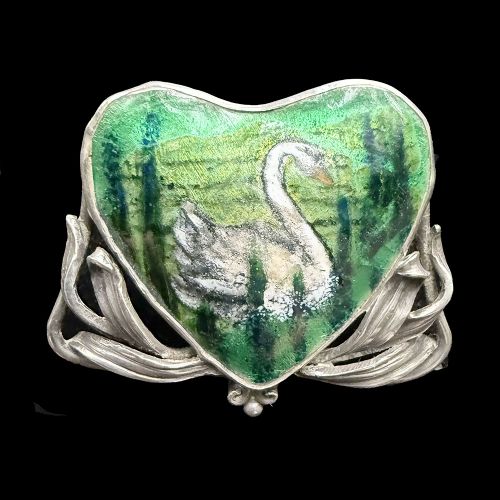
The aesthetic is grounded in botanical revival designs and bold modernist lines. These items reflect a clear dedication to artisanal methods and individual expression.
Materials and construction methods
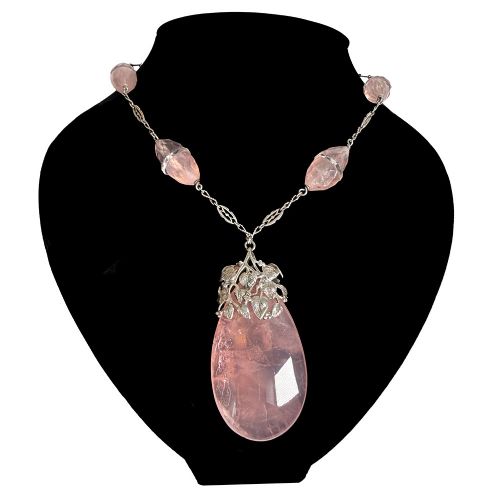
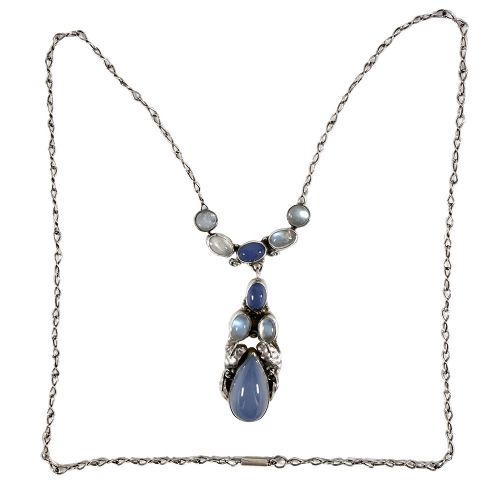
Makers utilised sterling silver alongside various base metals and gold accents to form secure settings for gemstones. Stones such as moonstone, turquoise, amethyst, opal, and rose quartz appear frequently, often cut into cabochons to emphasise their natural colours.
Enamel work, including cloisonne and delicate floral applications, adds vibrant colour alongside mineral elements like rock crystal, blister pearl, and chalcedony. Hand-hammered textures and visible solder marks often remain, showing the direct touch of the maker's hand.
Handcrafted Silver Jewellery Retail Price Guide 2026
Typical asking prices for handcrafted silver jewellery among the pieces listed under this phrase on Sellingantiques today, from the lower quarter to the upper quarter. They describe what is for sale here now, not the wider market.
Listings feature works from the nineteenth century through to the 1960s, spanning Edwardian styles, the Arts and Crafts movement, and mid-century modernist designs.
Indicators of quality
Quality in these items rests upon the harmony of the design and the skill with which the silver holds the stones. Superior examples display thoughtful proportions where the metalwork enhances rather than overwhelms the mineral elements.
The choice and matching of stones also define the upper tier of the range, particularly when unusual opals, moonstones, or high-grade enamels are utilised. Maker attribution adds distinction, separating workshop pieces from anonymous output.
Amy Sandheim·The Gaskins·Mary Thew·Rhoda Wager·WH Haseler for Liberty and Co·Dorrie Nossiter·George Hunt·John Paul Cooper
The Handcrafted Silver Jewellery Glossary
- Cabochon
- A gemstone shaped and polished with a smooth, rounded surface rather than faceted. This cut is common in Arts and Crafts jewellery to highlight moonstones and opals.
- Parure
- A matched set of jewellery intended to be worn together. Listings include suites comprising earrings, rings, and necklaces.
- Cloisonne
- An enamel technique where metal wires form compartments on the surface to hold coloured glass paste. The piece is then fired to create vibrant designs.
- Festoon
- A necklace style featuring draped chains, swags, and suspended drops. Gemstones and metal links are arranged symmetrically across the collar.
Handcrafted Silver Jewellery: Frequently Asked Questions
How do I identify Arts and Crafts pieces?
Look for hand-hammered silver surfaces, natural cabochon gemstones, and botanical motifs. These design choices separate them from mass-produced items.
Makers often embraced visible craftsmanship rather than concealing every mark of the tool.
What stones are common in this jewellery?
Moonstone and turquoise appear frequently, alongside amethyst, opal, and rose quartz. Enamel and rock crystal are also utilised to add colour and texture.
These materials were chosen for their natural qualities rather than uniform perfection.
How should I care for silver jewellery?
Store pieces individually to prevent scratching, especially softer stones like moonstones and opals. Avoid harsh chemical dips that can damage enamel or alter gemstone settings.
Gentle cleaning with a soft cloth helps maintain the natural patina of the silver over time.
What periods do these items cover?
The selection spans from the nineteenth century through the Edwardian era and into the mid-twentieth century. The 1920s and 1930s are particularly well represented.
Each period brings distinct stylistic elements while retaining an emphasis on handcrafted execution.