

Edwardian Silver Match Case
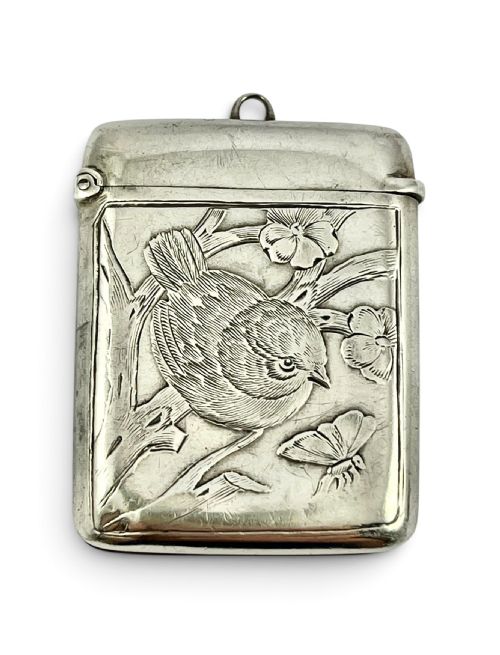
These edwardian silver match case examples are pocket-sized containers used to safely carry matches and strike them on the integrated base.
Edwardian Silver Match Case
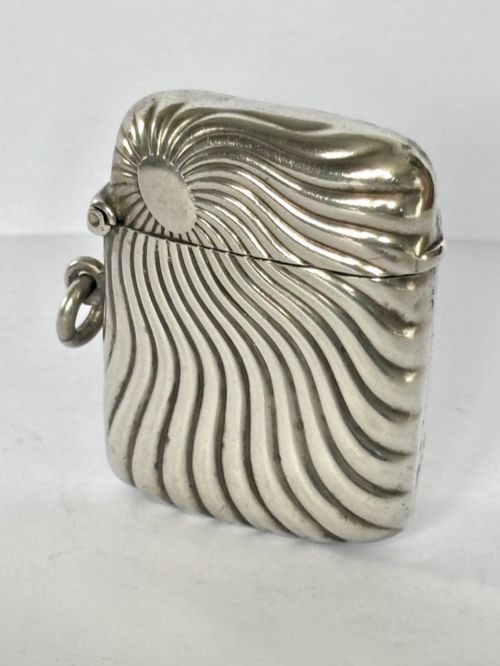
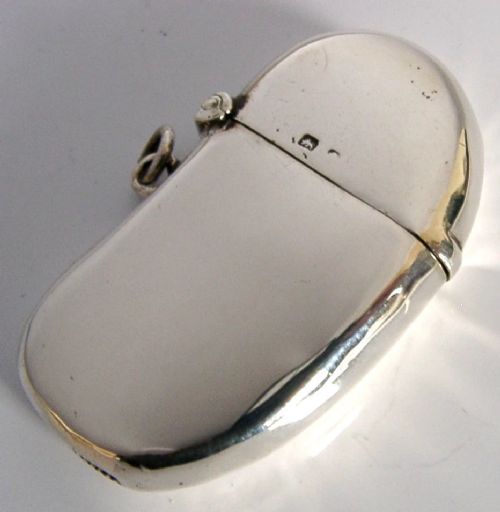
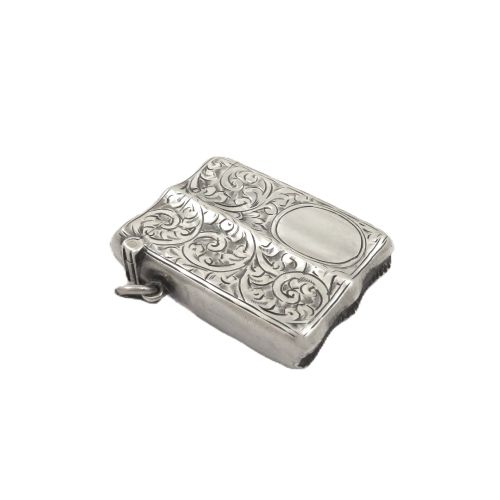
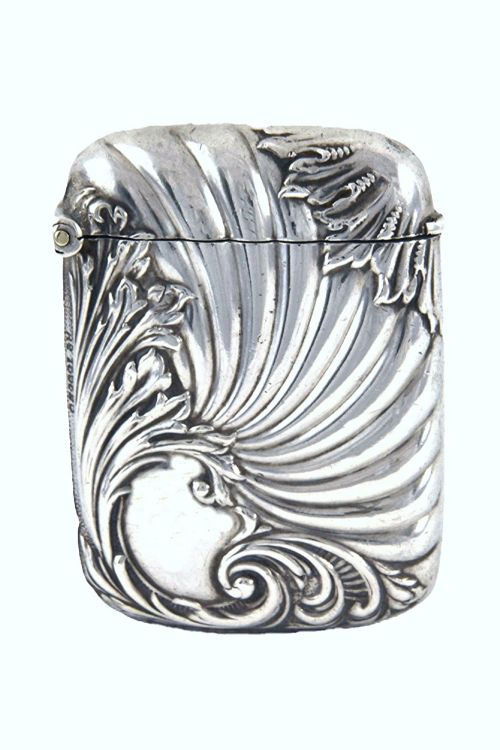
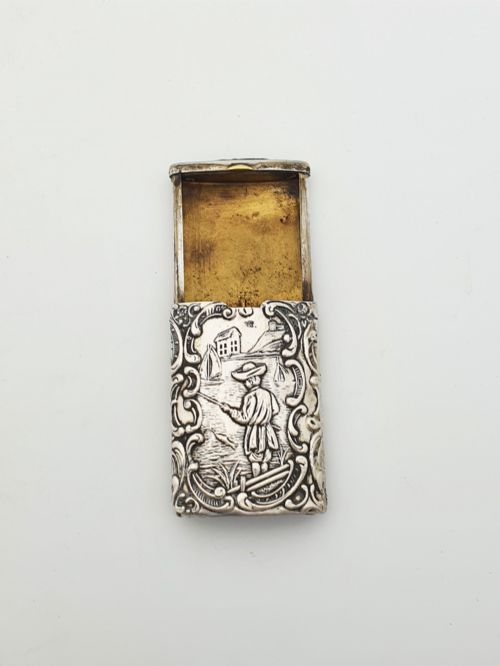
When you search for an edwardian silver match case, you are looking at small personal accessories primarily designed to hold wax matches securely in the pocket. The version you are most likely to meet on this page is the classic rectangular vesta case, often featuring hallmarks from Birmingham or Chester.
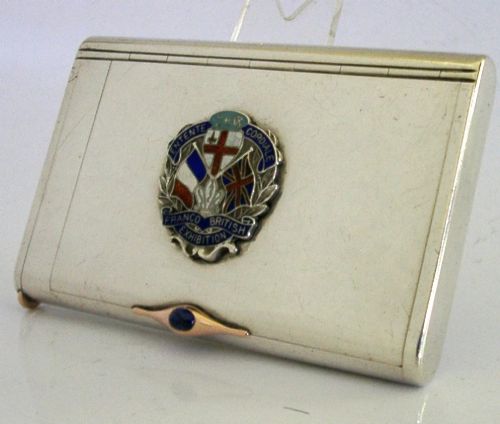
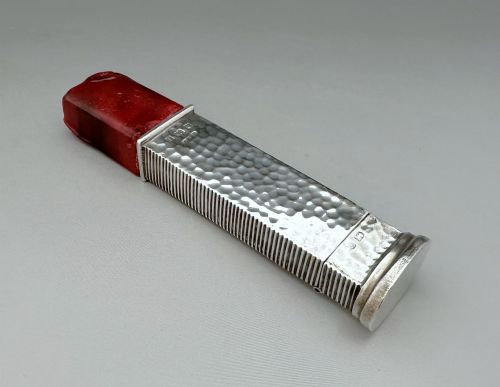
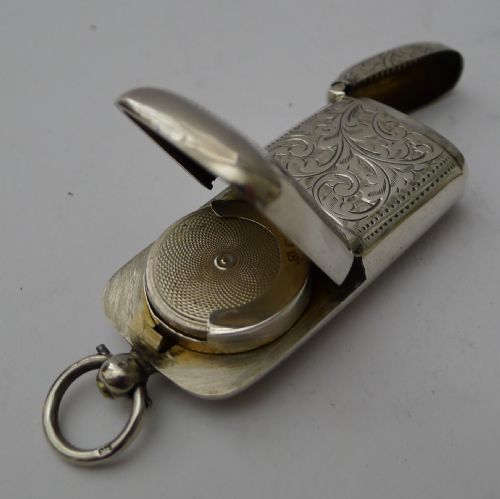
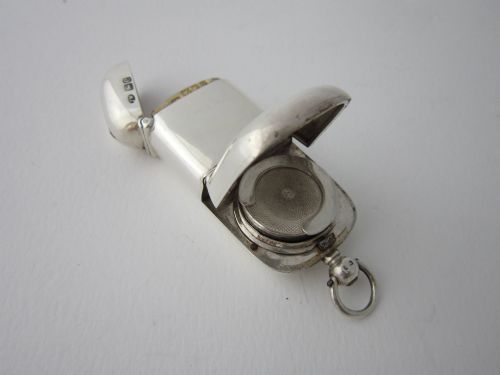
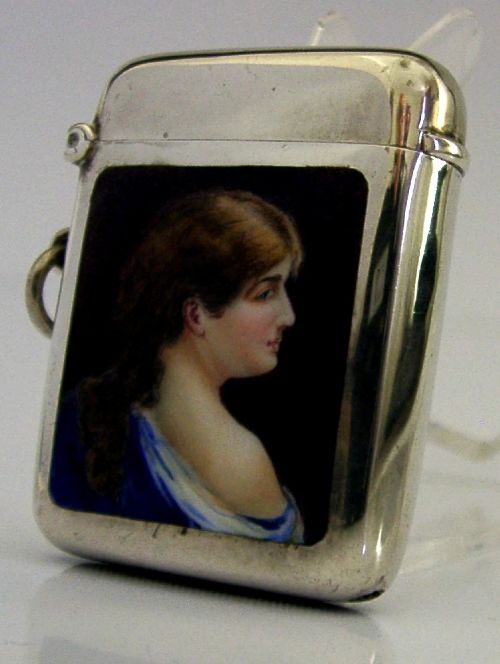
These items span periods including the Edwardian era, 1900, 1910, and Victorian times. Alongside standard match holders, the listings include combination pieces that house sovereigns or sealing wax, as well as matchbox covers and novelty forms shaped like animals or portrait faces.
What varies in quality
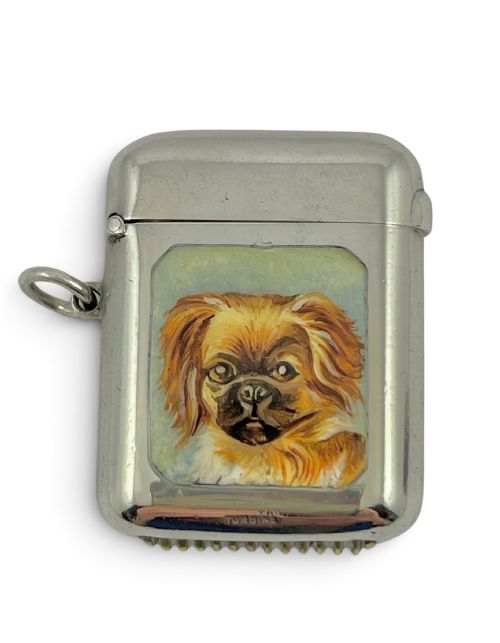
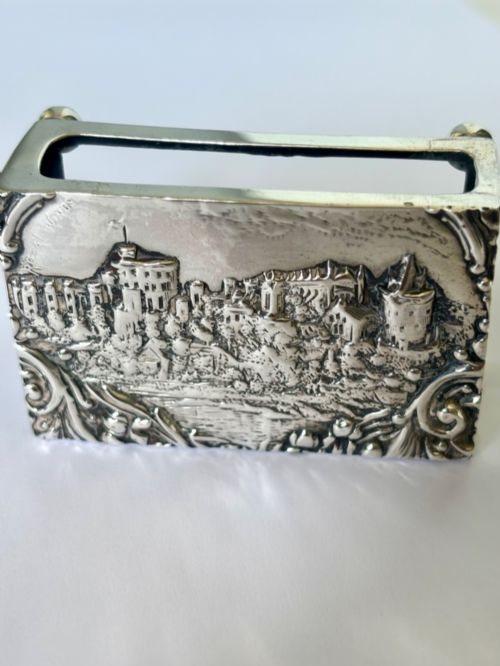
Quality in these match cases is determined by the crispness of the chasing and the complexity of the form. Standard engraved or plain polished surfaces sit at one end, while sculptural novelties, such as cat or pug dog shapes and detailed castle top designs, represent a higher level of craftsmanship.
The integration of additional materials also alters the character of a piece. Simple silver boxes differ significantly from examples incorporating hand-painted enamel, gold accents, or functional combinations like sovereign holders and sealing wax compartments.
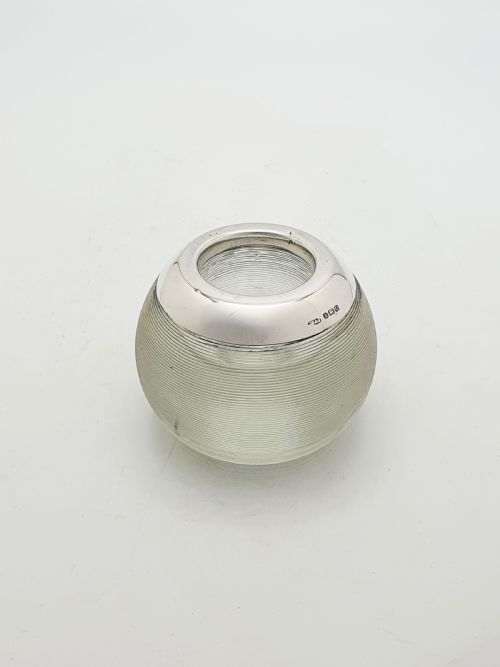
Listings feature sterling silver, 800 silver, gold, enamel, sealing wax, and textured glass across Victorian, Edwardian, and George V periods.
ROBERT CHANDLER·Alfred Clark·J.B. BENNET·Sampson Mordan·William Hair Haseler·BROADWAY & CO
The Edwardian Silver Match Case Glossary
- Vesta Case
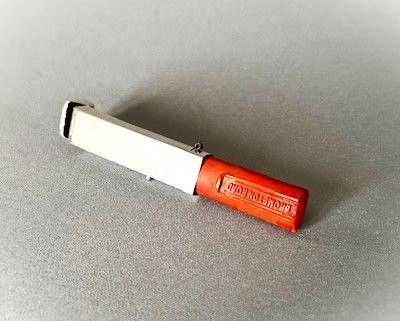
- A small pocket container designed to hold matches, featuring a serrated striking edge on the base. These devices became essential during the 19th and early 20th centuries for carrying safety matches.
- Hallmark
- An official stamp applied to precious metals indicating purity, the maker, and the year of assay. British silver pieces typically display a lion passant, a date letter, and an assay office symbol.
- Repousse
- A metalworking technique where the artisan hammers the design from the reverse side to form a raised relief on the front. This method creates tactile, dimensional patterns on the silver surface.
- Sovereign Case
- A dual-purpose pocket accessory engineered to hold British sovereign coins alongside matches. These combination items reflect the functional accessories carried during the Edwardian period.
- Match Striker
- A textured surface, often made from glass or grooved metal, utilised to ignite friction matches. Table versions remained static in domestic interiors while pocket vestas featured integrated strikers.
Edwardian Silver Match Case: Frequently Asked Questions
What is a vesta case?
A vesta case is a small pocket container used to hold matches safely. They typically feature a hinged lid and a striated surface for striking.
These accessories were widely carried in pockets or attached to watch chains before the widespread availability of modern lighters.
How do I identify an Edwardian silver match case?
Look for British hallmarks stamped on the metal, which record the assay office and the specific year of production. Edwardian pieces generally date from the reign of King Edward VII between 1901 and 1910.
Stylistic elements like Art Nouveau motifs or specific date letters help confirm the exact period of manufacture.
What are combination vesta cases?
Combination vesta cases are multi-functional pocket items that house matches alongside another useful object. Common variations include compartments for gold sovereigns or sealing wax.
These pieces demonstrate the ingenuity of period silversmiths in combining everyday carry items into a single accessory.
How were these match cases carried?
Many match cases were tucked directly into waistcoat pockets or handbags for daily use. Others attached to watch chains or fobs via an integrated suspension loop.
This ensured the matches remained accessible while preventing loss during movement.