
Edwardian Silver Dining Accessories
These edwardian silver dining accessories bring tactile charm to the table, combining functional utility with the imaginative design of the early twentieth century.
Edwardian Silver Dining Accessories
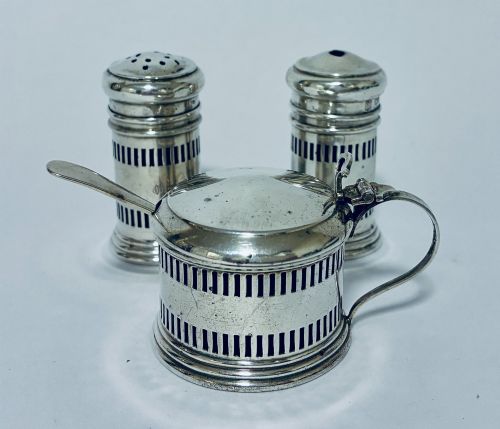
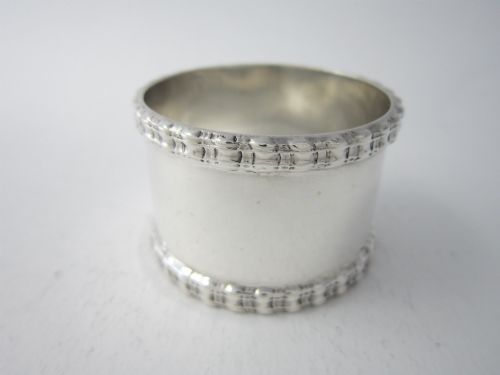
When you search for edwardian silver dining accessories, you encounter smaller tabletop items designed to organise and elevate formal dining. The selection centres heavily on napkin rings, menu holders, toast racks and cruet sets produced around the turn of the twentieth century.
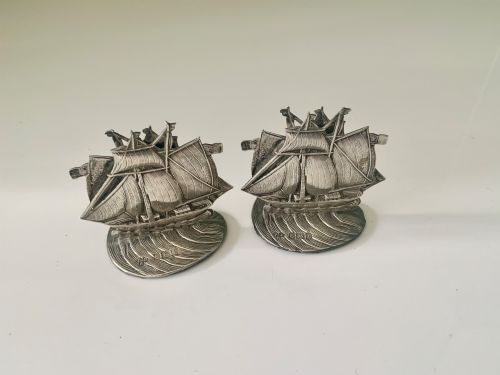
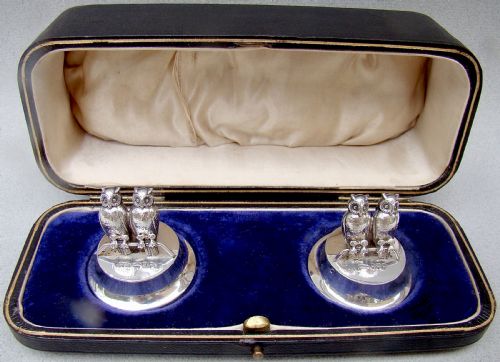
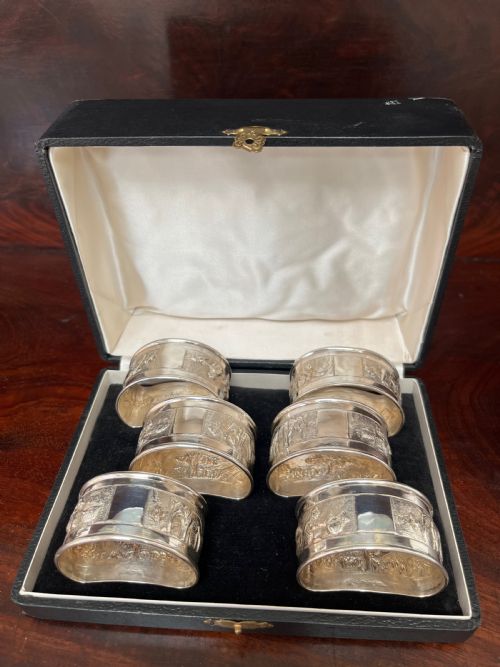
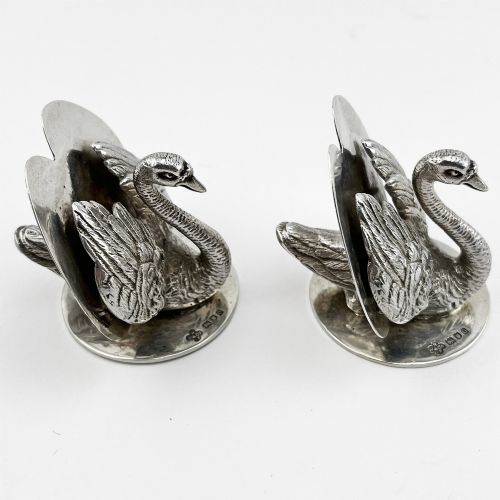
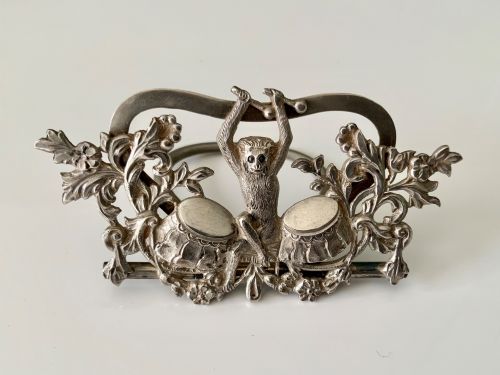
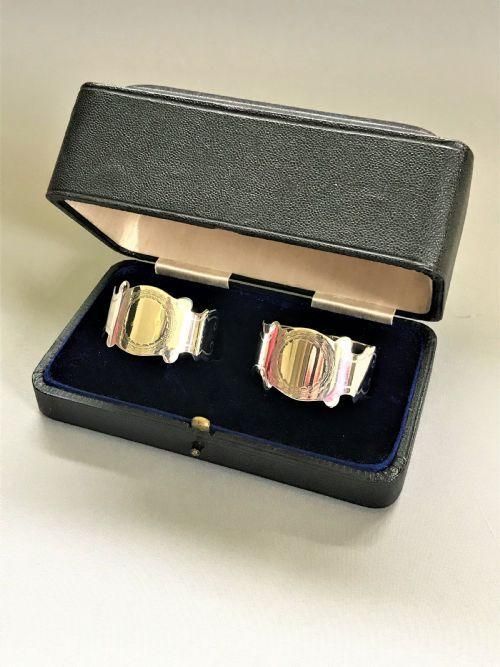
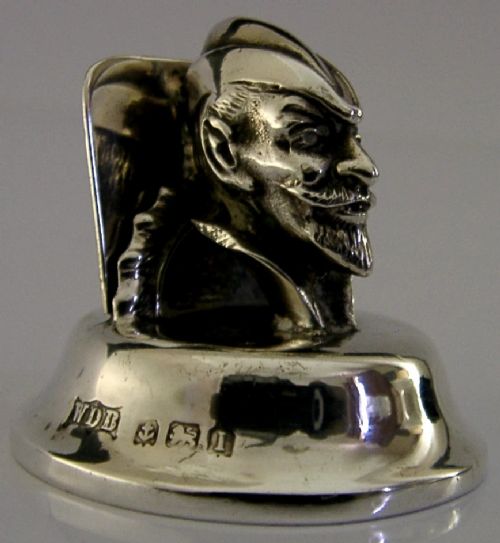
You will regularly meet cased sets of napkin rings and figural menu holders depicting animals, galleons or characters like Robin Hood. These pieces reflect the detailed metalwork and playful motifs typical of the period.
While the core of the selection bears hallmarks from the Edwardian decade and adjacent years, you also find pieces stretching from the late Victorian era through the George V period and into the 1920s and 1950s.
Materials and construction
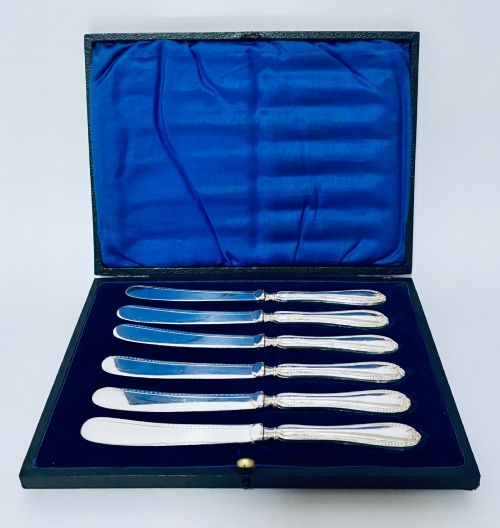
Makers shaped these items primarily from sterling silver and silver plate, often utilising cut glass, mother of pearl or enamel as contrasting elements. Original presentation boxes frequently line the interior with silk, velvet, leather or leatherette.
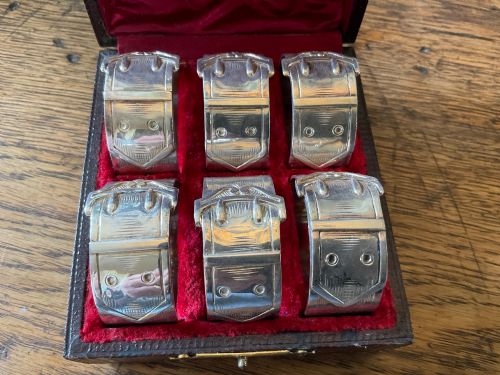
Techniques combine stamped or cast figural components with hand-finished detailing, particularly visible in shaped napkin rings modelled as belt buckles or naturalistic animal forms. Hallmarks stamped directly into the metal record the assay office, year and maker.
Plated wares rely on base metals coated in a layer of silver, whilst solid silver pieces utilise standard sterling grades. Associated presentation cases employ structured leatherette or card wrapped in textile fabrics to protect the contents.
The selection includes items spanning from the late Victorian period through the Edwardian era, George V reign and into the mid-twentieth century.
Factors of distinction
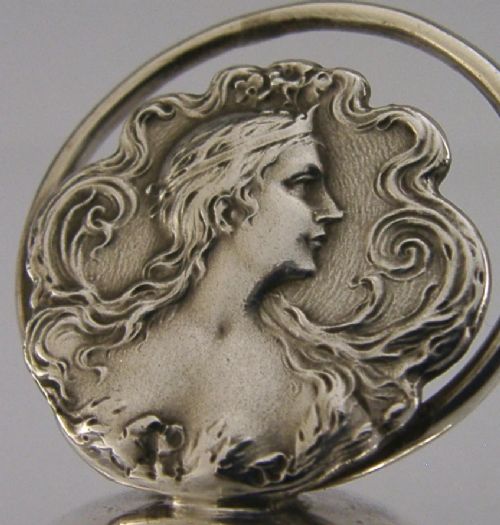
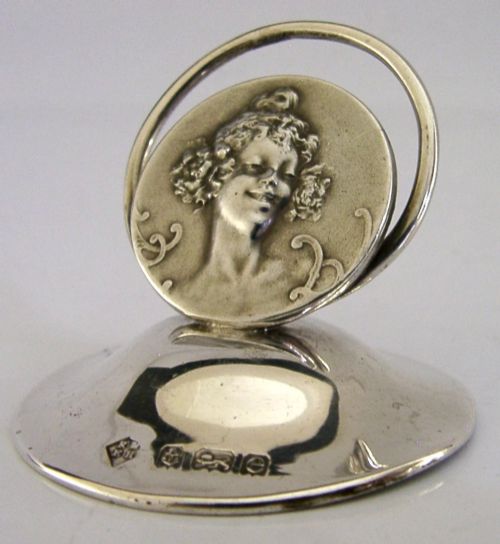
Quality rests significantly on the crispness of casting and chasing, particularly in figural menu holders where expressive detail defines the better examples. Plain forms rely entirely on balanced proportions and clean, substantial gauge metal.
The presence of an original fitted case lined in silk or velvet enhances the integrity of a set. Matching numbers within cased collections of napkin rings or cruet components indicate a unified origin rather than assembled groupings.
Maker attribution plays a part, with works originating from known workshops carrying distinct marks that separate them from unmarked commercial output.
Levi & Salaman·C.T. Burrows & Sons·Mappin & Webb·Liberty & Co
The Edwardian Silver Dining Accessories Glossary
- Sterling silver
- An alloy consisting of pure silver and other metals, usually copper, meeting a specific standard of purity. Items made from this standard often bear a lion passant mark on British wares.
- Cruet set
- A matched group of small containers designed to hold condiments such as salt, pepper and mustard for table use. They frequently sit together on a dedicated stand.
- Menu holder
- A small upright display piece used to hold cards detailing the courses at a formal meal. These often feature decorative figural subjects or architectural motifs.
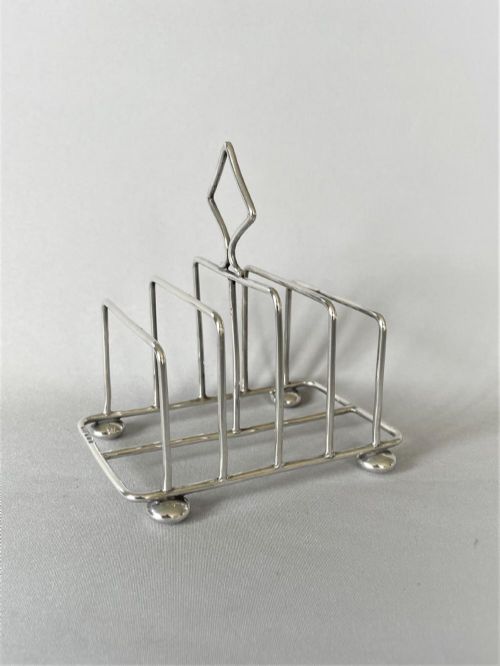
- Toast rack
- A small metal frame with vertical divisions used to hold slices of toast upright at the breakfast table. They usually incorporate a central loop handle for carrying.
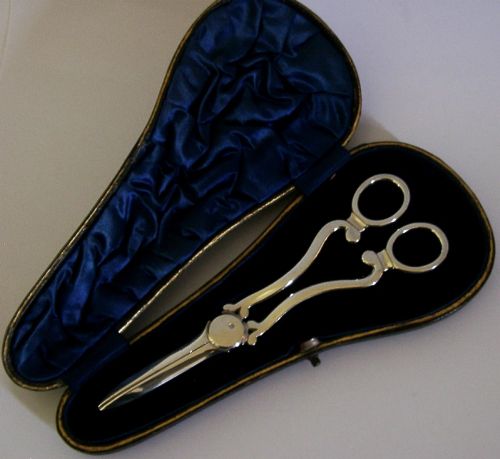
- Grape shears
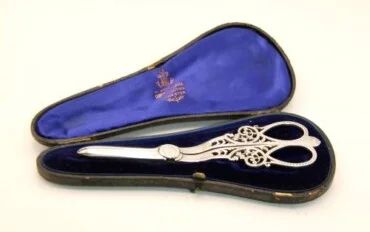
- A specialised pair of scissors shaped specifically for cutting clusters of grapes at the dining table. The blades often curve to navigate between individual fruits.
Edwardian Silver Dining Accessories: Frequently Asked Questions
How were menu holders used?
Menu holders sat on the dining table to display the courses for guests to read during formal dinners. They held small cards detailing the meal sequence.
Designs ranged from simple silver clips to elaborate figures like animals or ships, serving both a decorative and a practical purpose.
What is a toast rack?
A toast rack held toasted bread upright at the breakfast table to prevent the slices from becoming soggy by resting flat against one another. The vertical metal bars kept air circulating around each piece.
A central loop handle allowed diners to pass the rack easily around the table.
How do I care for silver dining accessories?
Silver dining accessories require gentle cleaning with a soft cloth and specialised silver polish to remove tarnish without scratching the metal. Avoid abrasive materials that can wear away thin plating on silver-plated items.
Store pieces in dry conditions, away from direct sunlight, and keep items in their original fitted boxes where possible to protect them from dust.
Were napkin rings always sold in sets?
Napkin rings appeared both individually and in matched sets of varying sizes, often housed in silk-lined presentation boxes. Sets of six were common for family dining.
Individual rings often bear personal engravings or monograms, reflecting their use by specific household members.