





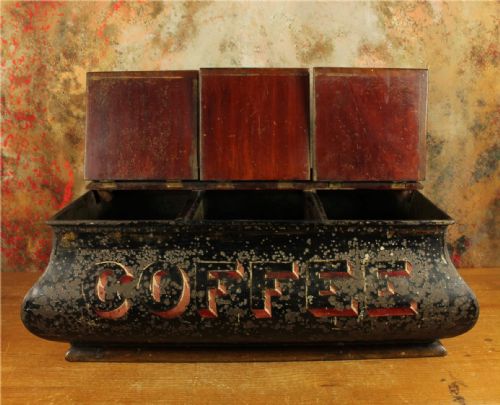



Edwardian Shop Counter
An edwardian shop counter organises retail space with robust timber and glass, offering practical display utility for modern domestic interiors.
Edwardian Shop Counter
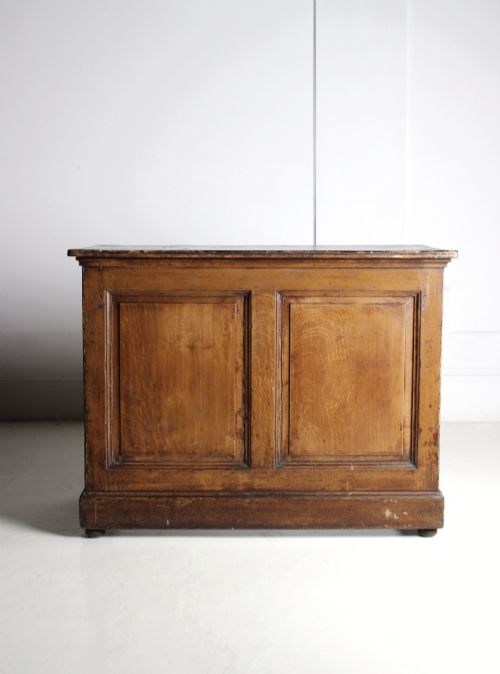
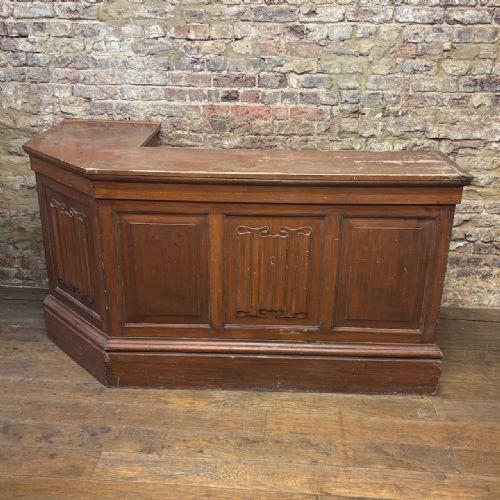
An edwardian shop counter serves as a substantial retail base built for daily merchant trade, frequently incorporating display glazing, timber drawers, and integrated shelving. These fixtures originate from commercial environments spanning the late nineteenth century through to the nineteen-thirties, reflecting practical retail needs of the period.
Makers and commercial outfitters such as F. Sage and Co. produced fitted items, while branded confectionery and tobacco cabinets served specific product displays. Buyers encounter both utilitarian storage bases and refined glazed display cases suited for domestic collections.
How They Were Made
Construction relies heavily on durable hardwoods like oak and mahogany, selected for their strength in commercial environments. Joinery techniques include panelled framing and dovetailed drawers designed to withstand heavy daily use.
Glazing incorporates clear sheet glass secured within timber rebates, while brass, cast iron, and bronze provide structural bracing, handles, and mechanical components. Applied details such as gold leaf and sign-written lettering identify specific period brands.
Surfaces receive traditional polishing or oil finishes that highlight the natural grain of the wood. Metal elements utilise cast bronze and brass, often patinated through decades of commercial handling.
Edwardian Shop Counter Retail Price Guide 2026
Typical asking prices for edwardian shop counter among the pieces listed under this phrase on Sellingantiques today, from the lower quarter to the upper quarter. They describe what is for sale here now, not the wider market.
Listings span oak, mahogany, glass, brass, and cast iron across Victorian, Edwardian, and Art Deco design styles.
What Varies In Quality
The standard of timber selection and joinery precision determines the structural integrity of each piece. Superior examples utilise dense quartersawn oak or figured mahogany with tightly fitted joints that maintain rigidity over time.
Original hardware, intact glass panes, and authentic manufacturer branding elevate a piece above standard utility items. Altered components or later replacement glazing shift the balance away from factory authenticity.
The complexity of internal configuration, such as multi-tiered shelving or integrated drawers, distinguishes standard retail counters from bespoke workshop commissions.
F. Sage and Co·Manoah Rhodes and Sons Ltd
The Edwardian Shop Counter Glossary
- Haberdashery counter
- A retail display unit featuring multiple shallow drawers, often with glass fronts, designed for storing and selling small sewing goods and textiles. These pieces provide functional storage in domestic settings.
- Countertop display cabinet
- A glazed tabletop case built to showcase small merchandise securely to customers standing across the counter. They protect delicate goods while maintaining visibility.
- Toleware
- Painted or enamelled metalware used for storage boxes and utilitarian household goods during the Victorian and Edwardian eras. These items often feature decorative japanning.
- Quartersawn oak
- Timber cut radially from the growth rings, producing a distinctive medullary ray grain pattern that resists warping. This method indicates superior cabinetmaking quality.
- Bow end
- A curved glass or timber termination at the end of a counter or display cabinet. This feature softens linear designs and requires advanced woodworking skill.
Edwardian Shop Counter: Frequently Asked Questions
How do I clean the wood and glass?
Use a soft, dry cloth to remove dust from timber surfaces, applying a neutral wax polish sparingly to maintain the finish. Clean glass panels with a mild solution and a lint-free cloth, avoiding harsh chemicals near antique brass fittings.
Ensure moisture does not seep into unsealed wooden joints during cleaning. Regular gentle maintenance preserves the historic patina without stripping the surface.
Were these counters used in pubs or shops?
Most pieces originate from general retail stores, haberdashers, and specialist merchants rather than public houses. Their internal drawer configurations and glazed compartments were designed for dry goods, textiles, and confectionery.
Commercial outfitters constructed them to withstand the rigorous demands of daily Edwardian high street trade. Surviving examples retain the specific character of early twentieth-century commerce.
How do I tell Edwardian pieces from Victorian ones?
Victorian pieces tend to feature heavier proportions, darker finishes, and dense ornamentation rooted in nineteenth-century revival styles. Edwardian examples often display lighter timber tones and simpler architectural lines reflecting early twentieth-century efficiency.
Construction methods also evolve, with Edwardian joinery leaning towards standardised commercial production while retaining traditional dovetailing. Hardware design shifts from ornate brass to streamlined functional bronze.
Can these counters support modern daily use?
Solid timber construction and sturdy joinery allow these counters to function effectively as kitchen islands, sideboards, or retail display units. Their original commercial purpose ensures robust structural capacity for everyday items.
Care should be taken with vintage glass panels and historic drawer runners to prevent unnecessary wear. Proper placement away from direct heat sources protects the antique wood from drying out.