
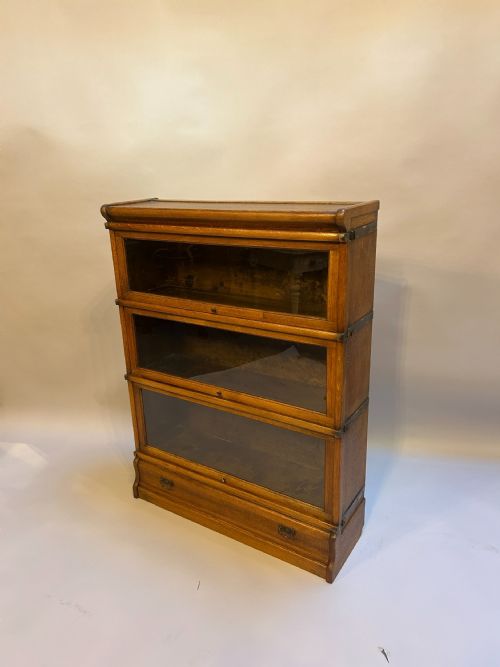
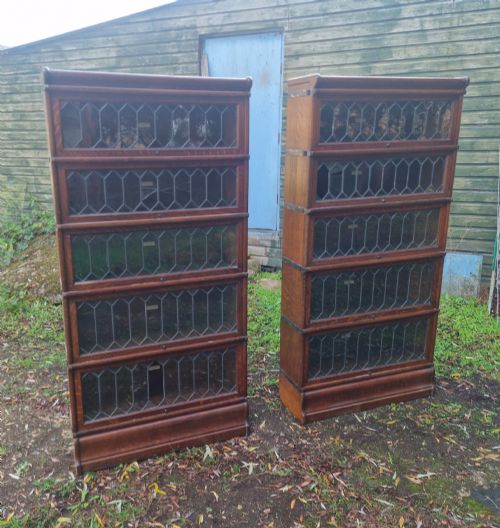
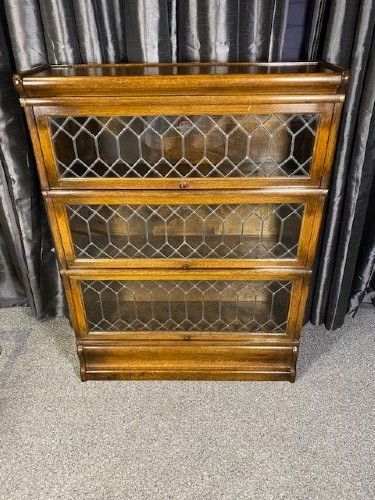
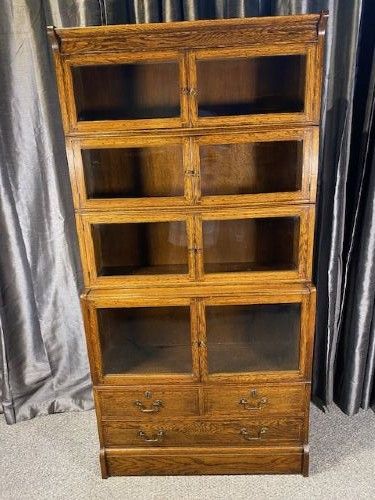
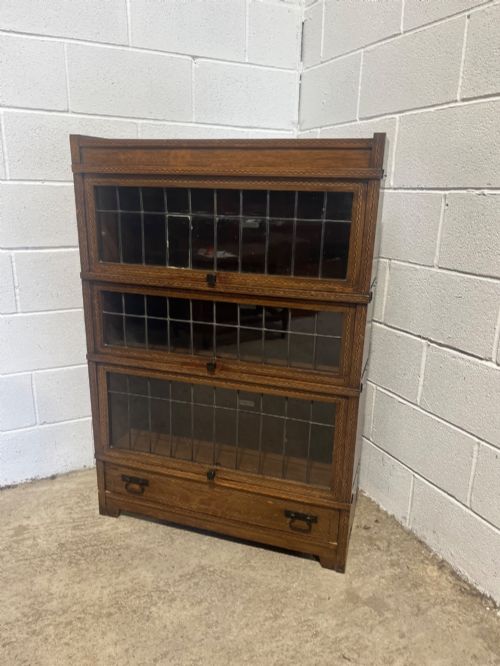
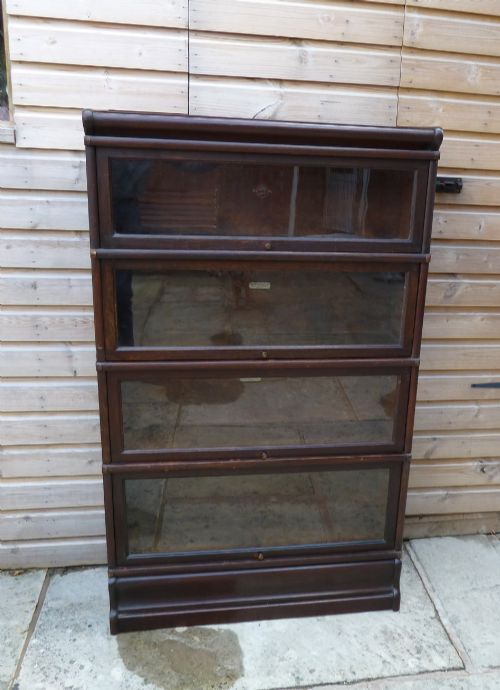

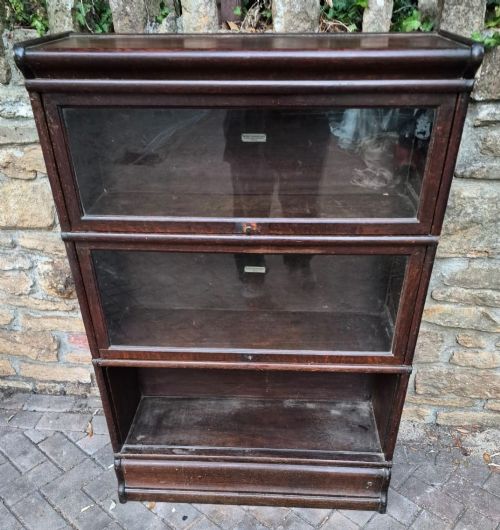
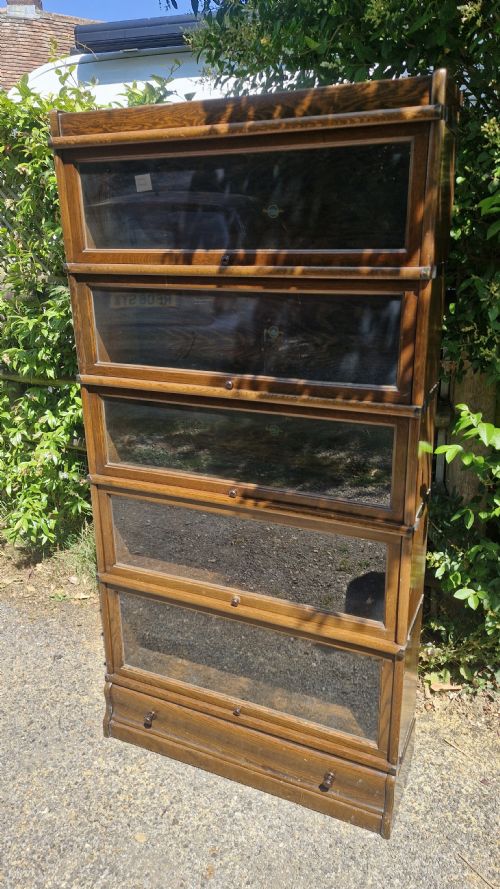
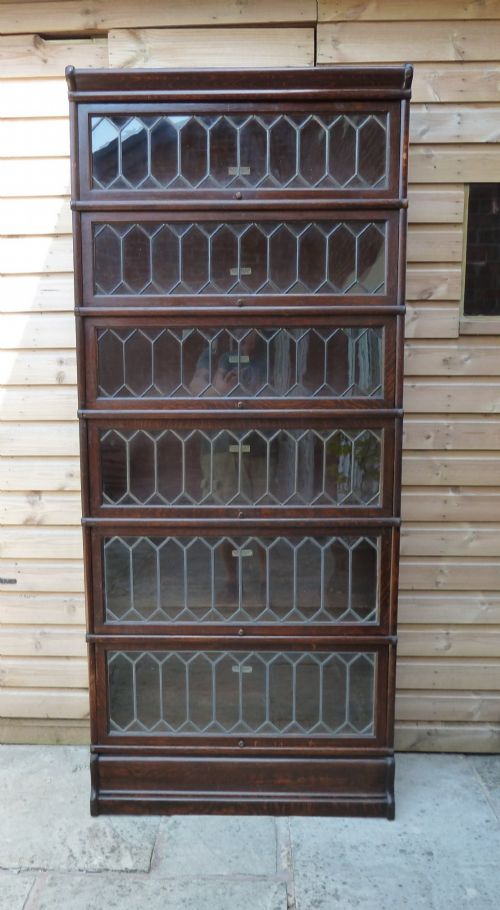
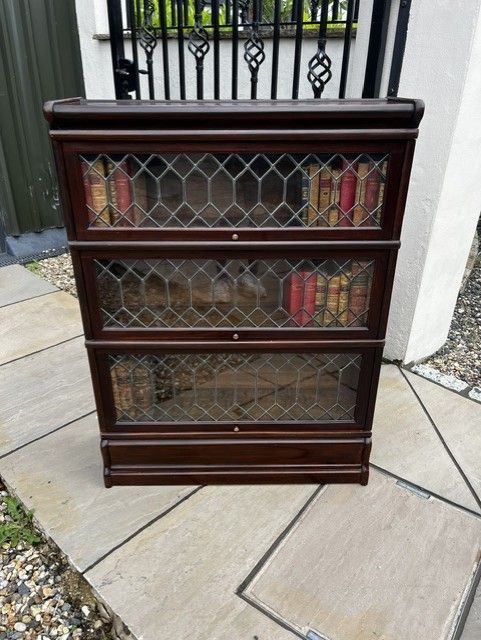
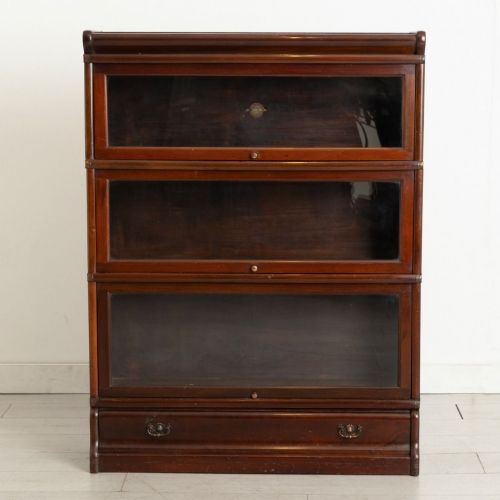
Edwardian Sectional Bookcase
An edwardian sectional bookcase brings modular flexibility and period character to any room, offering individual glazed tiers that stack together to protect a growing library.
Edwardian Sectional Bookcase
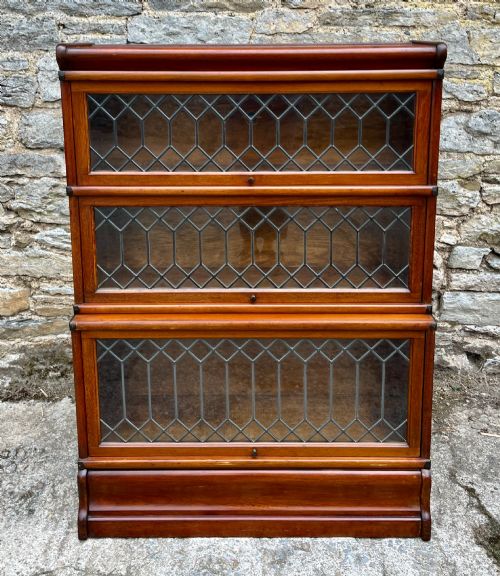
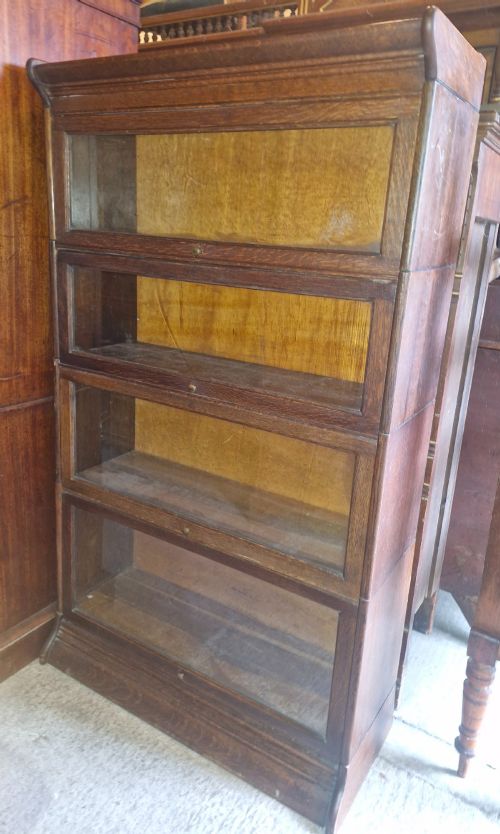
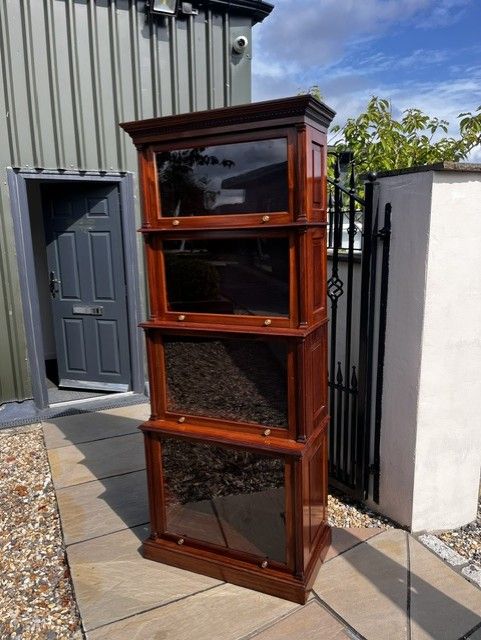
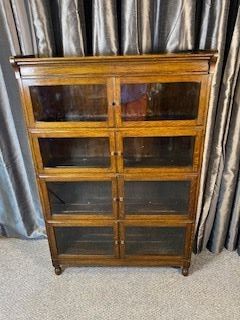
An edwardian sectional bookcase consists of modular tiers that stack vertically, allowing libraries to expand upwards rather than outwards. These pieces date from the Edwardian era and the early twentieth century, spanning periods around 1900, 1910, 1920, and into the 1930s.
The version most commonly met on this page is the oak or mahogany barrister bookcase featuring glazed lifting doors. These modular cabinets appear in formations ranging from three to six tiers, often combining solid timbers with glass and brass hardware.
Materials and Construction
Makers constructed these modular cabinets primarily from solid oak and mahogany, occasionally utilising walnut or limed oak. Glazing took the form of plain glass panels or leaded glass windows set into wooden frames.
The stacking mechanism relies on modular sections that fit together, paired with metal hardware and brass fittings to guide the lifting glass doors.
Legal papers stayed pristine behind glass doors while barristers debated.
Quality and Build
The distinction between tiers rests upon timber selection and the presence of specialist makers' marks, moving from standard utility office furniture to finely finished solid mahogany libraries. Intricate leaded glass and inlaid details separate standard modular office cabinets from exceptional examples.
Original condition, matching pairs, and timber consistency across multiple tiers elevate certain sectional bookcases above standard single units.
Globe Wernicke·Lebus·Minty·Gunn·AMYL·Kenrick and Jefferson·Dawsons of Manchester·William Baker
The Edwardian Sectional Bookcase Glossary
- Sectional bookcase
- A modular piece of furniture built from separate stacking tiers that combine to form a single tall cabinet. Each tier contains its own shelf and lifting glazed door.
- Barrister bookcase
- An alternative name for a stacking sectional bookcase, originally designed for legal professionals to transport and house law books. The design protects volumes behind glass flaps.
- Leaded glass
- Windowpanes held together by narrow strips of lead, frequently seen in Arts and Crafts and Edwardian sectional cabinet doors. This technique adds decorative geometric patterns to the front of the bookcase.
- Solid mahogany
- A dense, heavy tropical hardwood used in finer Edwardian furniture construction. It provides a rich dark grain distinct from lighter oak alternatives.
Edwardian Sectional Bookcase: Frequently Asked Questions
How do sectional bookcases work?
Each tier operates as an independent wooden box with a glass door that lifts and slides into the cabinet above the books. The separate sections simply stack one on top of another without permanent fixings.
This modular design allows owners to dismantle the entire bookcase easily for transport or add extra tiers as a book collection expands.
Where were these bookcases used?
Lawyers, offices, and domestic libraries utilised these modular cabinets during the early twentieth century to keep volumes organised and free from dust. The enclosed glass tiers protected valuable reference books in busy working environments.
Today, they suit domestic living spaces and studies where people want to display books while maintaining a tidy, period aesthetic.
How do I date an Edwardian sectional bookcase?
Makers stamped their names, patent dates, or serial numbers onto the internal timber edges or the back panels of the individual tiers. Comparing the timber type, hardware style, and leaded glass patterns against known production eras helps narrow down the decade.
Most pieces originate from the period between 1900 and 1930, reflecting Arts and Crafts or early twentieth-century design preferences.
Can sectional bookcases be separated?
The individual sections lift apart once the top cornice and base plinth are removed from the stack. Each tier remains structurally complete on its own.
This makes moving a tall five or six tier cabinet manageable, as two people can carry separate sections rather than one heavy unit.