



Edwardian Porch Lantern
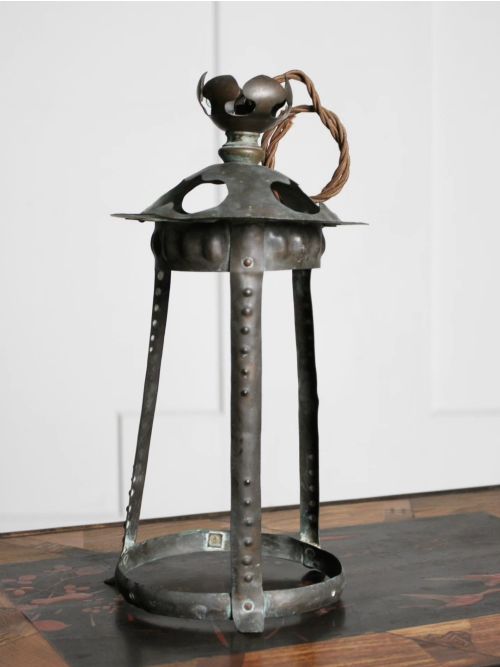
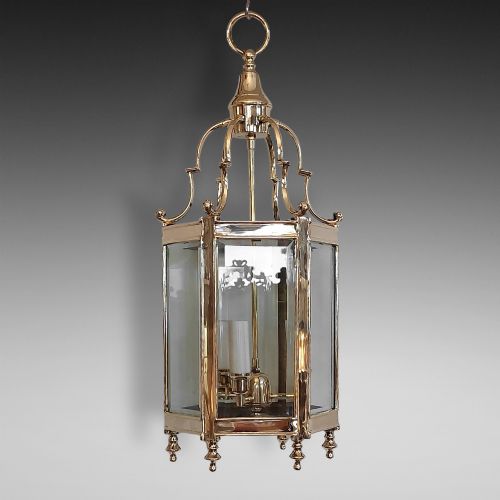
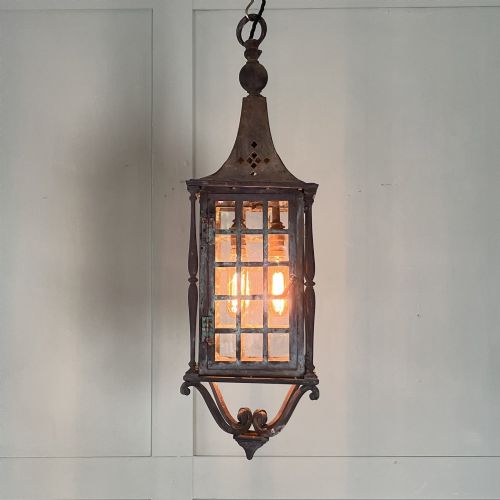
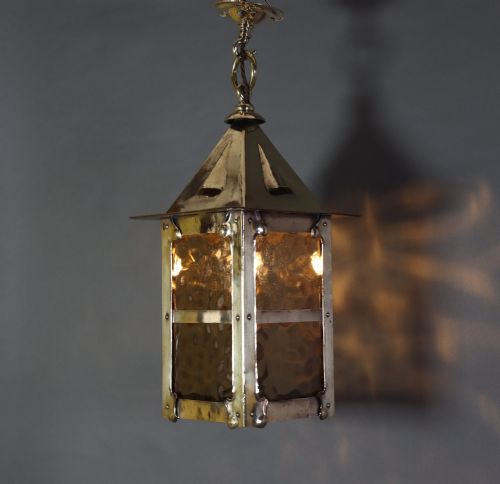
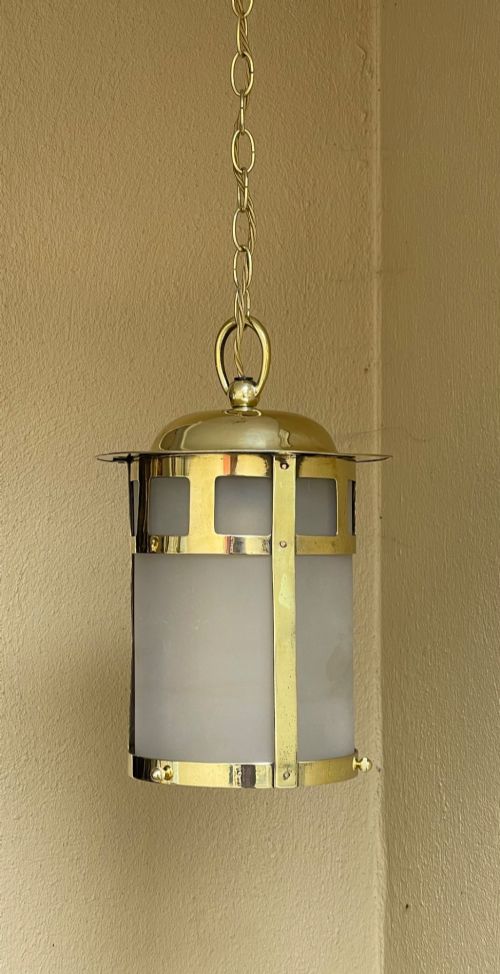
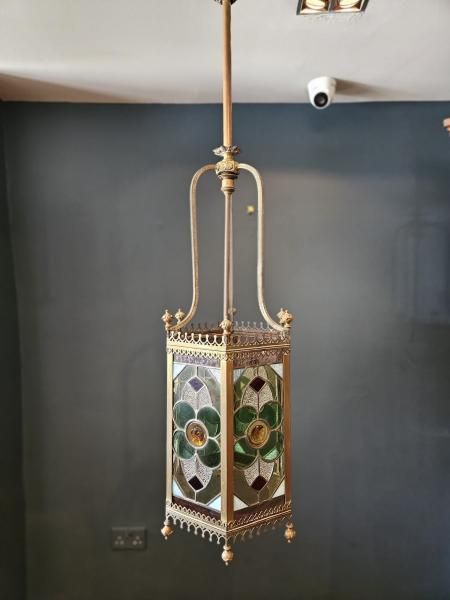
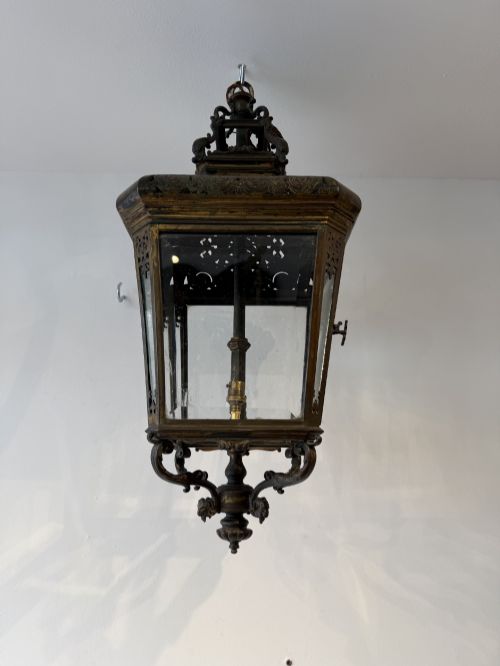
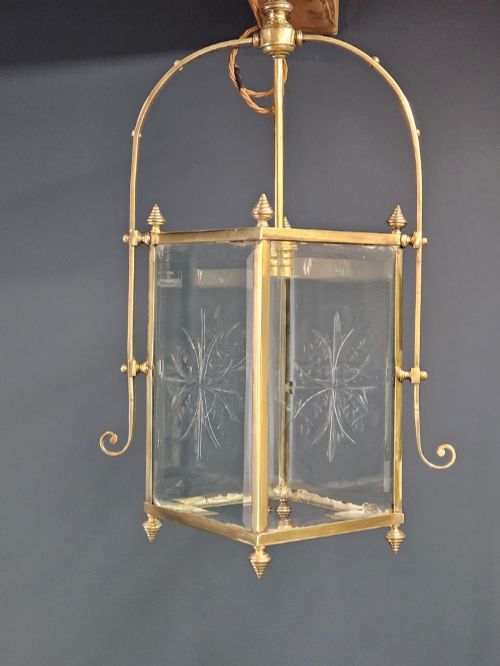
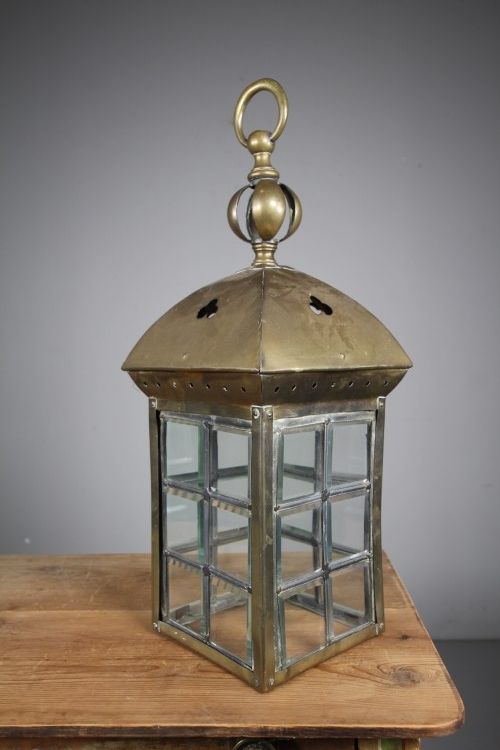
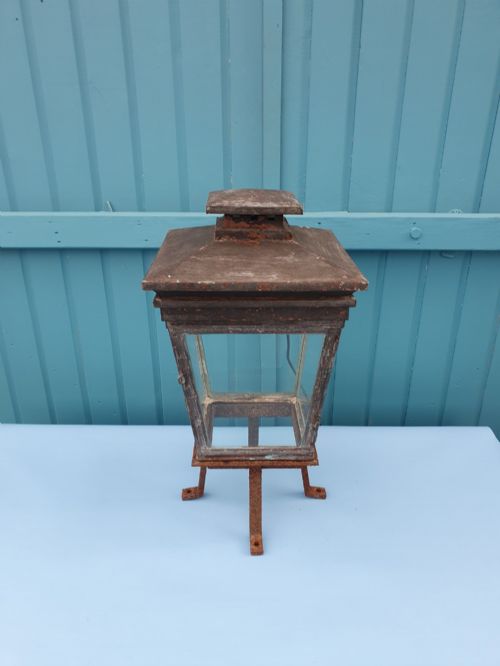
An edwardian porch lantern brings architectural weight to an entrance, casting warm light through leaded glass panels suspended from heavy metal frames.
Edwardian Porch Lantern
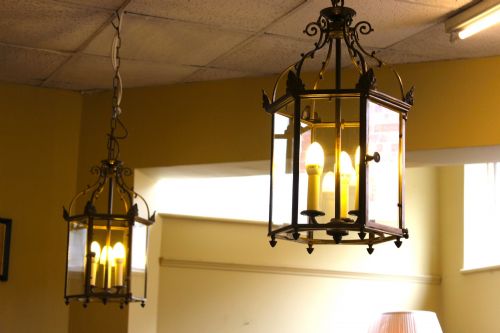
An edwardian porch lantern is typically encountered as a hexagonal or octagonal hanging pendant, though wall sconces and upright brackets also appear across the selection. The dominant aesthetic draws heavily from the Edwardian period and the preceding Arts and Crafts movement, alongside occasional Victorian Gothic revivals.
Makers of the era favoured substantial proportions designed to withstand external elements while providing a welcoming illumination to town and country doorways. These pieces frequently incorporate sturdy brass, copper, and iron frameworks engineered to house early gas burners before later conversion to electricity.
Materials and construction
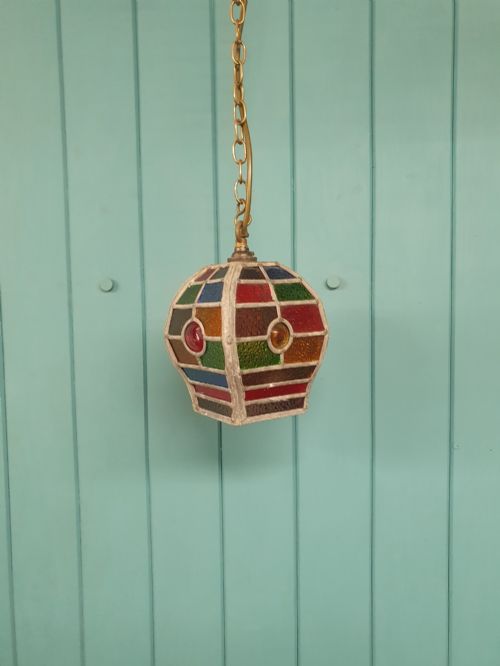
The fabrication relies on soldered lead cames holding panels of clear, textured, or stained glass within structural frames of solid brass, beaten copper, or wrought iron. Metal components are joined via rivets and mechanical fixings rather than modern welds, reflecting the traditional metalworking standards of the period.
Listings feature copper, brass, iron, and bronze alongside leaded and stained glass across Edwardian and Victorian periods.
Gradations of quality
Quality rests primarily on the weight of the metal gauge and the intricacy of the structural framework. Heavier brass castings and robustly soldered leaded glass panels distinguish finer examples from lighter commercial production.
Subtleties in proportion and decorative restraint elevate certain pieces. Hand-beaten copper work and integrated architectural brackets show a level of artisan involvement that sets them apart from standard foundry output.
Voysey
The Edwardian Porch Lantern Glossary
- Came
- The grooved lead strip used to hold individual pieces of glass together in a window or lantern panel. These strips provide both structural rigidity and decorative linear patterns.
- Bevelled glass
- Plate glass with edges ground and polished at an angle to catch and refract light. This technique adds depth and sparkle to simpler lantern designs.
- Arts and Crafts
- A design movement spanning the late nineteenth and early twentieth centuries emphasising handcraftsmanship and simple forms. It rejected mass production in favour of visible construction methods.
- Gothic Revival
- An architectural and decorative style drawing inspiration from medieval design. Pieces often feature pointed arches, heavy tracery, and ecclesiastical motifs.
- Patina
- The surface sheen and colour acquired by materials like copper, brass, and bronze through age and oxidation. A natural patina indicates uncompromised historical depth.
Edwardian Porch Lantern: Frequently Asked Questions
How do I clean an antique lantern?
Dust gently with a soft dry cloth to preserve the accumulated surface oxidation. Avoid chemical polishes that strip historical character from brass and copper.
Wash glass panels carefully with mild soapy water using a sponge, taking care not to loosen old lead cames or historic putty.
Can these lanterns be used outdoors?
Most surviving examples were originally manufactured for exterior use on porches or exterior walls, though modern wiring standards should be verified by a qualified electrician before outdoor installation.
Consider placing them beneath a covered entryway to protect vulnerable nineteenth-century soldered joints and original glass from direct driving rain.
How do I date an edwardian porch lantern?
Examine the metal construction methods, screw types, and suspension loops for signs of early twentieth-century manufacture. Hand-cut leaded glass and gas-conversion nipples often point towards the Edwardian era.
Compare stylistic cues against Arts and Crafts or Victorian Gothic design markers present in the framework and decorative brackets.
Are these converted from gas?
Many surviving examples began life as gas or candle lights before receiving later electrical conversions during the twentieth century. Evidence of early burners or gas supply pipes is frequently retained within the upper galleries.
Rewiring for modern electrical bulbs is standard practice while keeping the original structural body intact.