


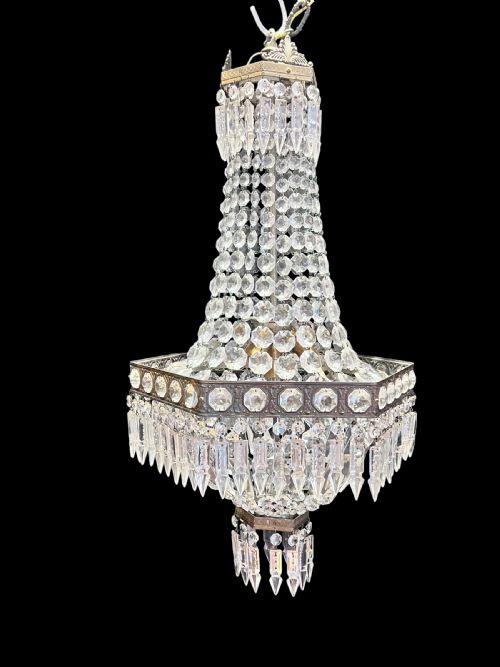
Antique Glass Pendant Light
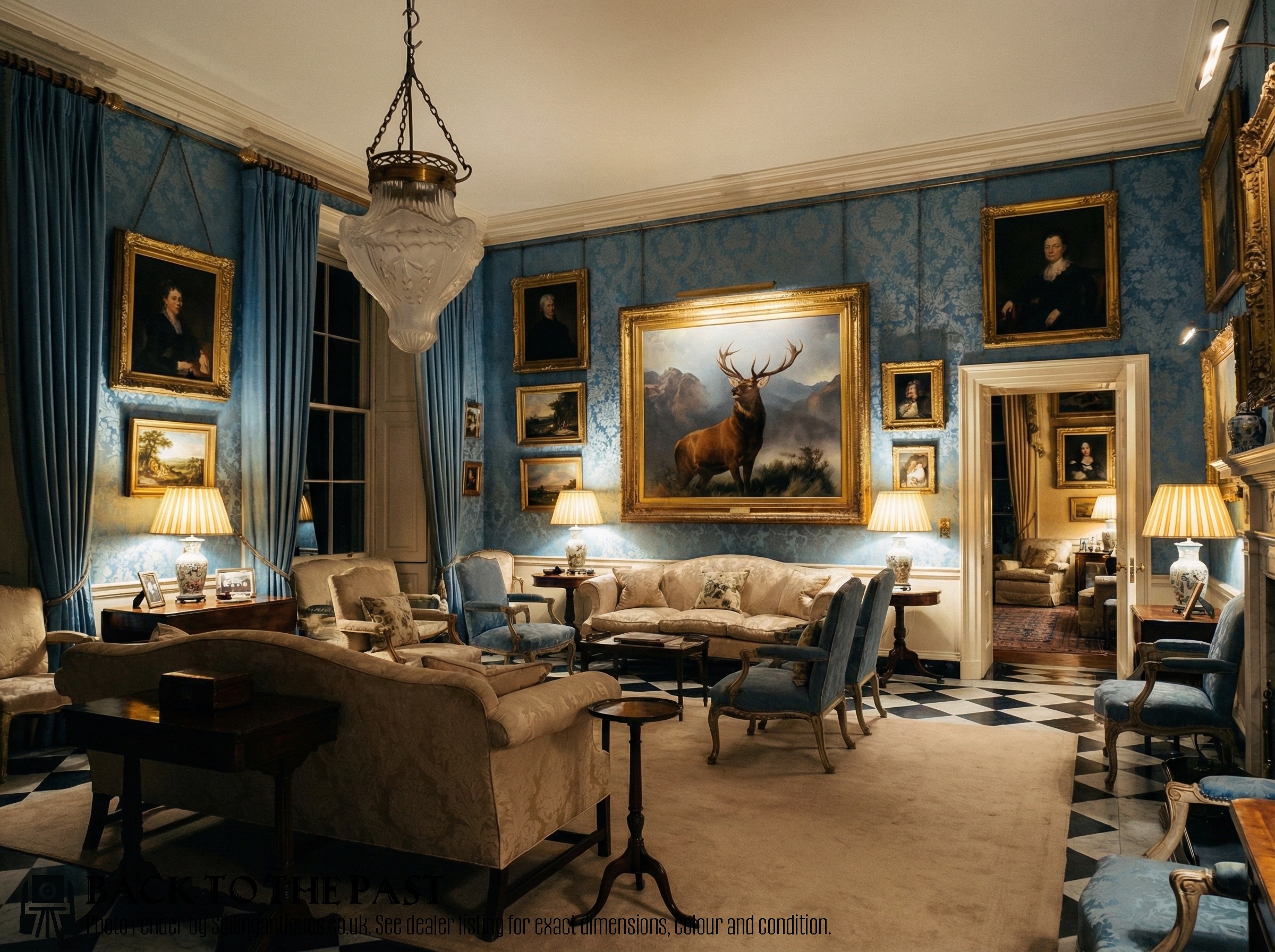
An antique glass pendant light brings brilliant illumination and period character to a room, hung gracefully from the ceiling.
What these pieces are
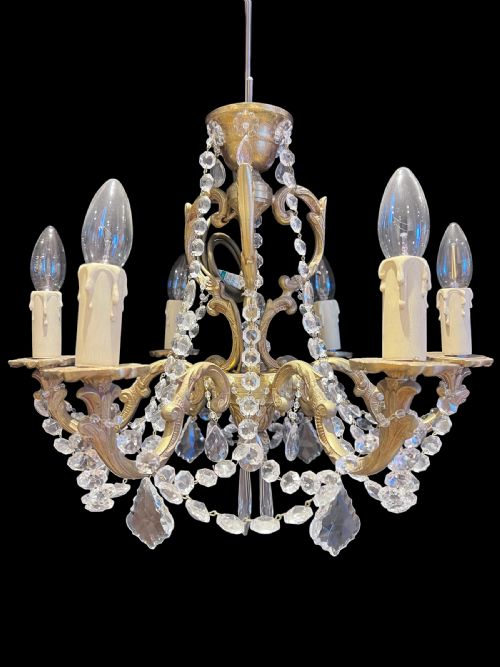
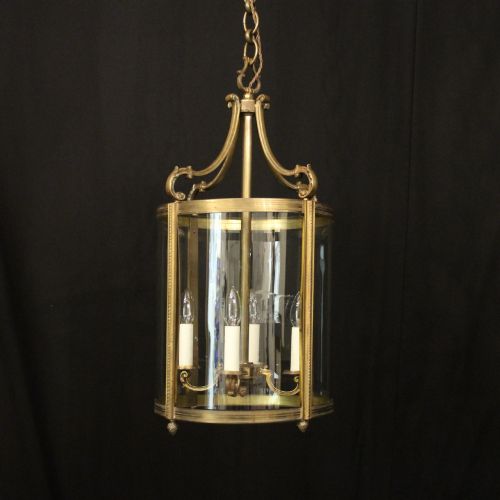
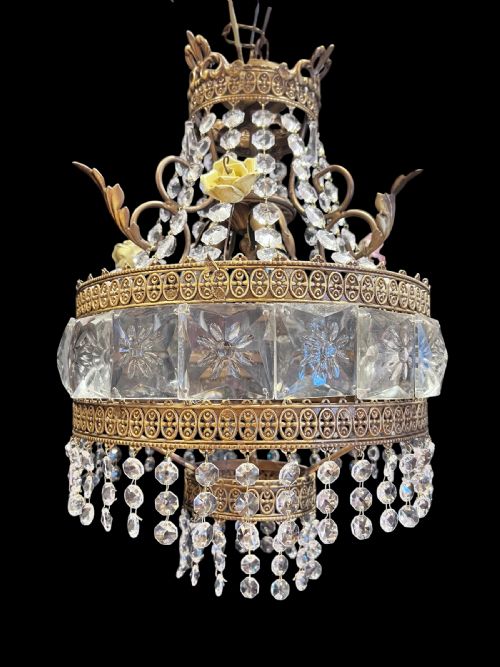
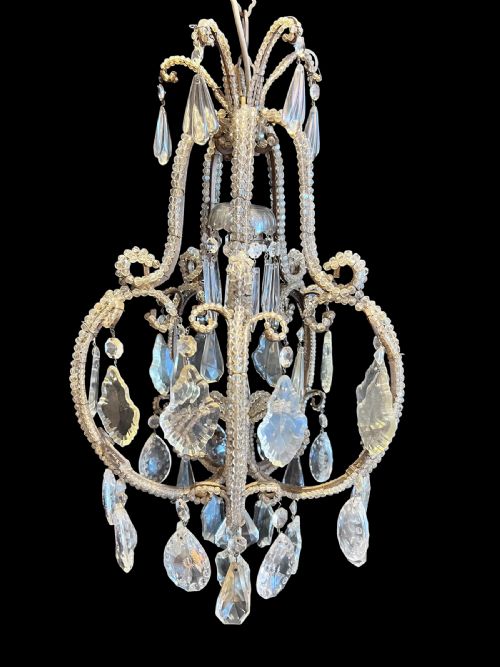
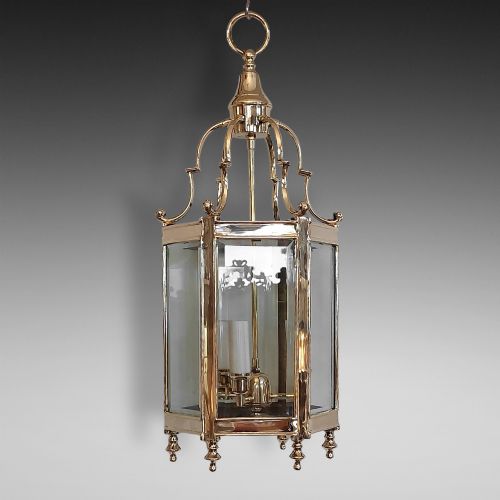
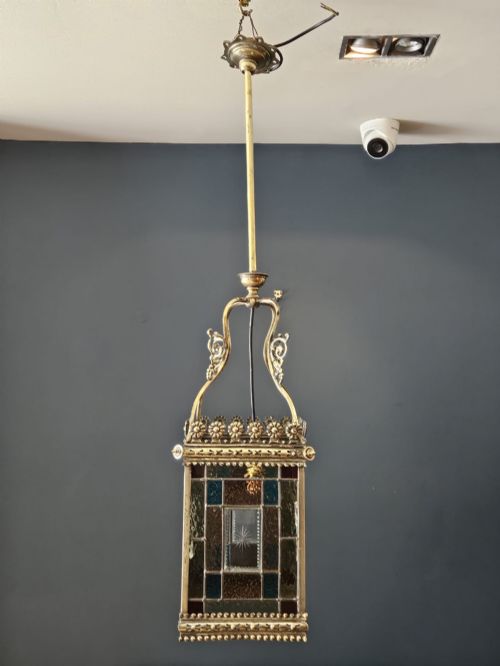
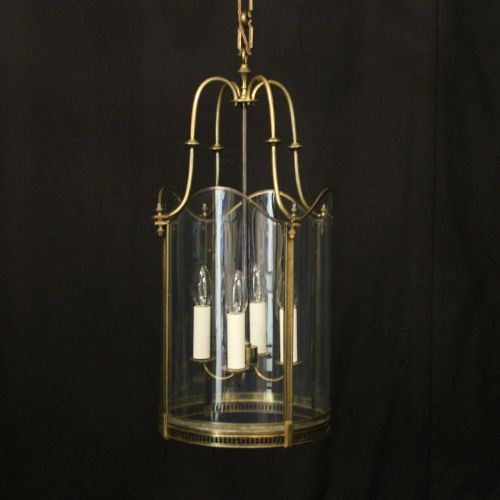
An antique glass pendant light is a ceiling-hung fixture designed to illuminate a space while adding distinct period style. These lights appear in various forms, from simple opaline glass globes to elaborate cut crystal baskets.
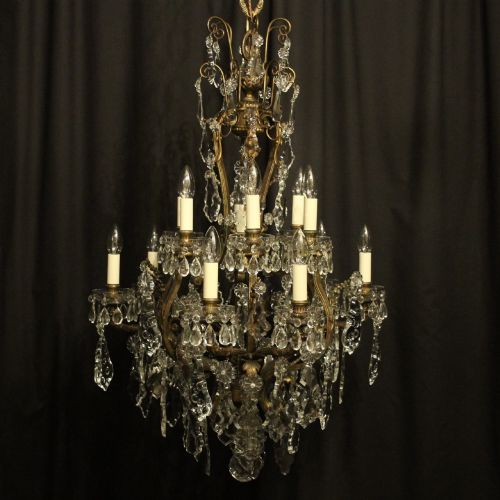
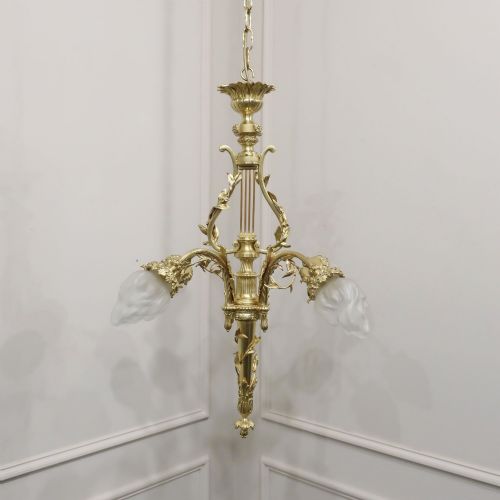
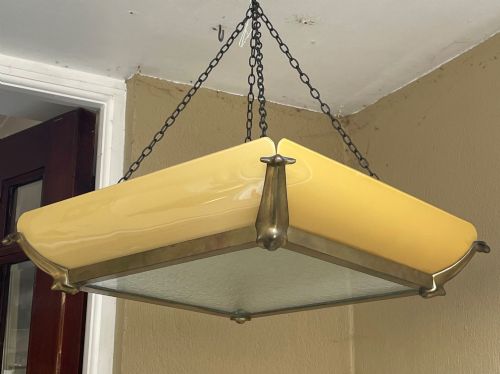
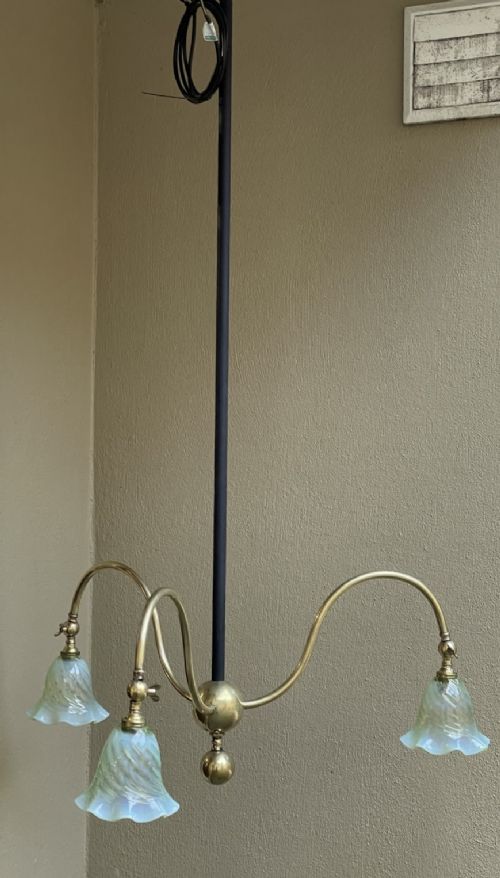
The pieces on this page span several distinct periods, including the nineteenth century, eighteen-nineties, nineteen-twenties, and nineteen-thirties. Styles range from Edwardian and Art Deco to French Empire Revival, Italian Neoclassical, and French Rococo.
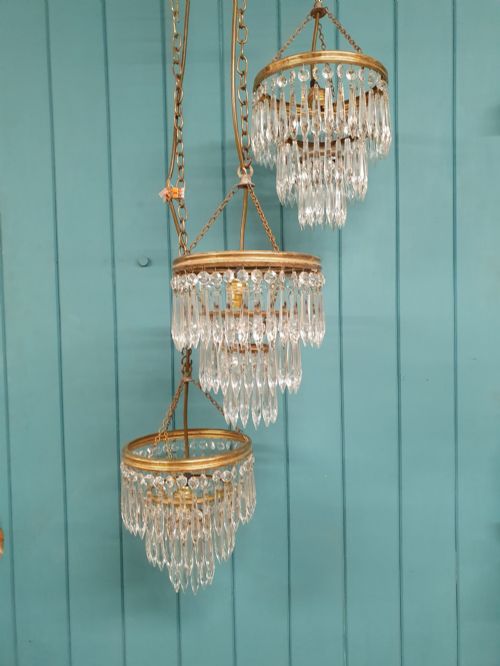
Buyers will encounter single light pendants alongside grander multi-light chandeliers and ceiling lights. Materials such as brass, wrought iron, and gilded bronze frequently support the glass shades and crystal drops.
How they were made
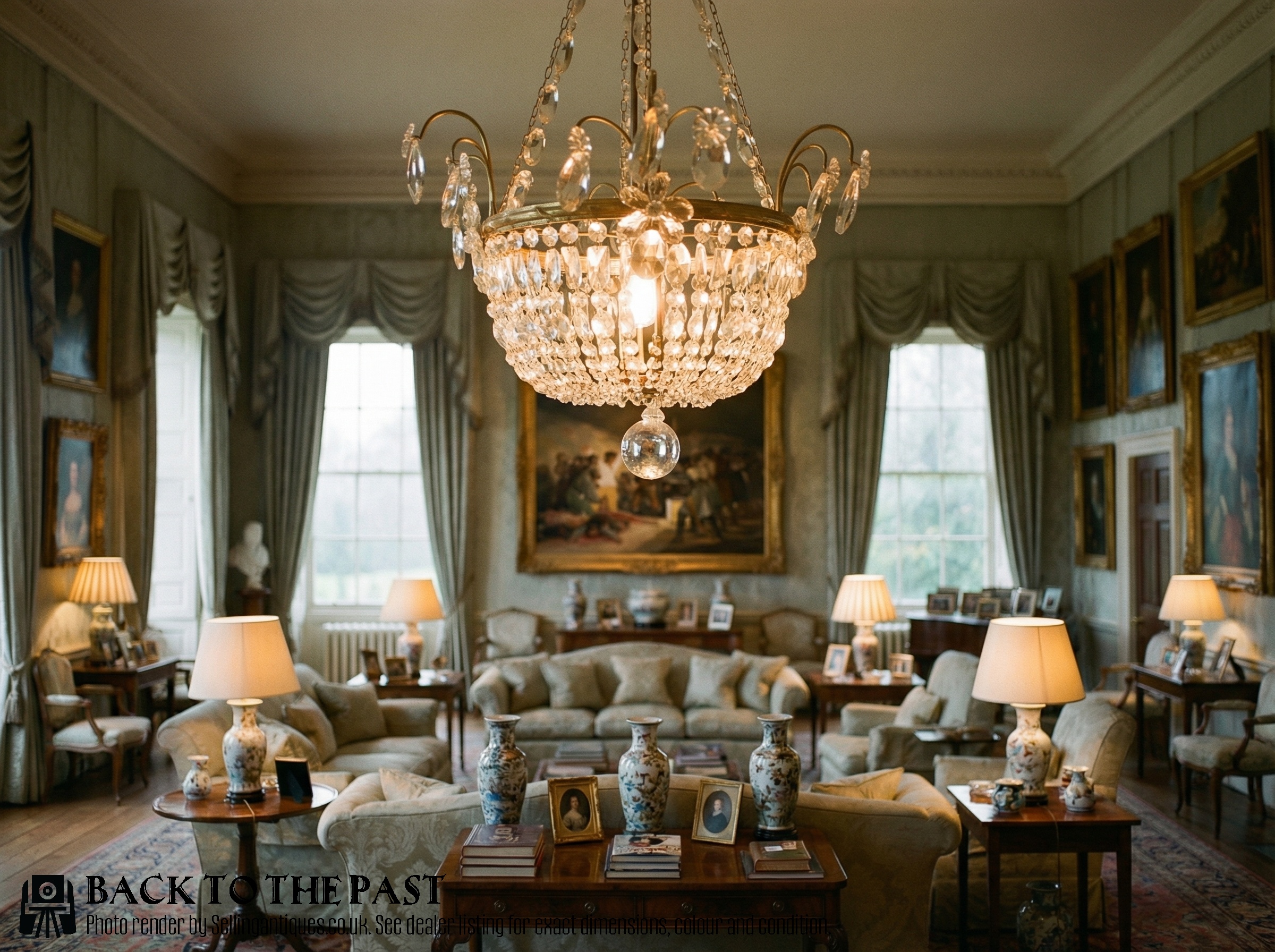
The construction of these fixtures combines heavy metals with blown, moulded, or cut glass elements. Metal components like brass, copper, chrome, and gilded bronze form the galleries, frames, and brackets that secure the shades.
Glass elements show considerable variety, utilising hand-painted details, opaline and milk glass production techniques, and precise crystal cutting. Metalwork frames are assembled using durable fixings such as wrought iron and bronze castings.
Retail Price Guide 2026
Typical UK retail prices for glass pendant light, calculated from the Sellingantiques database of over a million retail prices indexed since 2003. This retail price guide relies exclusively on Sellingantiques data; no external sources or auction records are used, so the figures do not describe the wider market.
Pink glass grapes hanging delicately from a ceiling pendant offer a delightfully unexpected burst of botanical charm.
What varies in quality
Quality in these pendant lights rests upon the depth of the metalwork casting and the clarity of the glass. Superior pieces feature crisply cut crystal, heavier bronze or brass frames, and finely detailed galleries.
The refinement of the decorative touches, such as hand-painted motifs on glass shades or the integration of specialised components like prismatic glass, distinguishes standard production from exceptional examples.
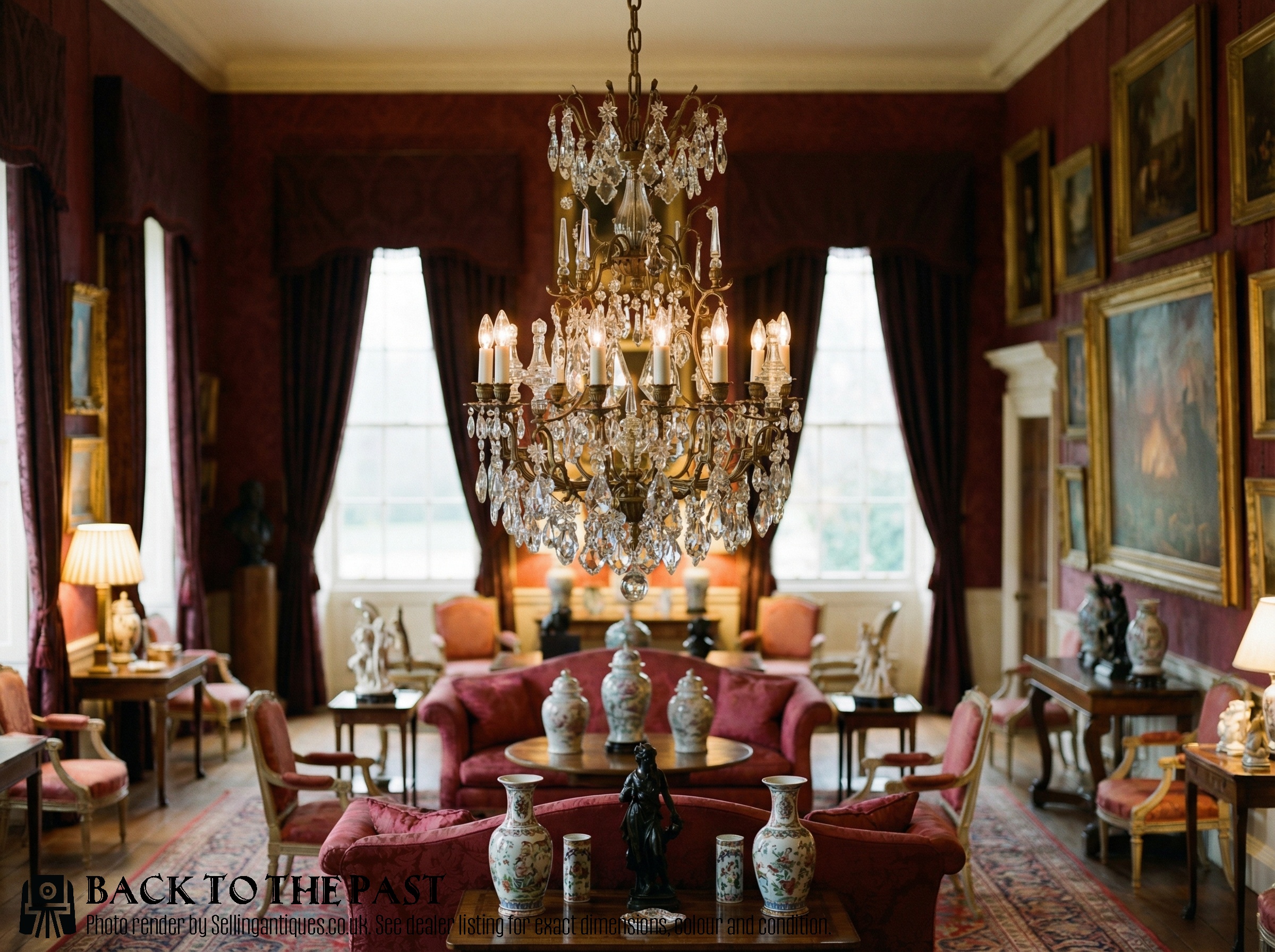
La Mason Bagues
The Antique Glass Pendant Light Glossary
- Opaline glass
- A pale, translucent milk glass that diffuses light softly. It became highly popular during the nineteenth and early twentieth centuries for domestic lighting.
- Prismatic glass
- Glass moulded with precise optical prisms on the surface. This design directs and intensifies light output while reducing glare.
- Gallery
- The metal collar or rim that holds a glass shade in place. Galleries often incorporate decorative brass, copper, or chrome finishes.
- Pendant light
- A solitary light fixture suspended from the ceiling by a cord, chain, or metal rod. It directs illumination downwards into a specific area of the room.
- Plafoniere
- A shallow ceiling-mounted light fixture, sometimes constructed in a waterfall configuration with hanging crystal elements.
Frequently Asked Questions
How were these pendant lights used?
They were primarily hung from ceilings to illuminate living spaces, hallways, and dining areas in homes and public buildings.
Depending on the design, they served either as focused task lighting or as ambient overhead illumination.
How do I live with an antique pendant?
Living with these fixtures involves hanging them at appropriate heights to suit room proportions and ceiling clearance.
Their varied materials, such as opaline glass and cut crystal, complement both traditional and contemporary interiors by adding textural contrast.
How do I tell periods apart?
Periods are identified through characteristic design motifs, metal choices like chrome or gilded bronze, and glass manufacturing techniques.
Nineteenth-century examples often lean towards ornate Rococo or Empire revivals, while nineteen-twenties and thirties pieces frequently showcase Art Deco geometries.