


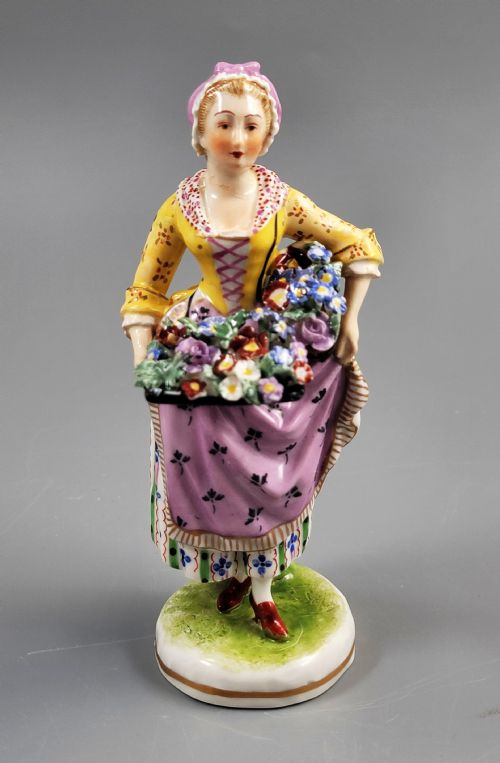


Edwardian Porcelain Statues
Edwardian porcelain statues bring sculptural grace into a room, capturing human form and narrative through delicate ceramic modelling.
Edwardian Porcelain Statues
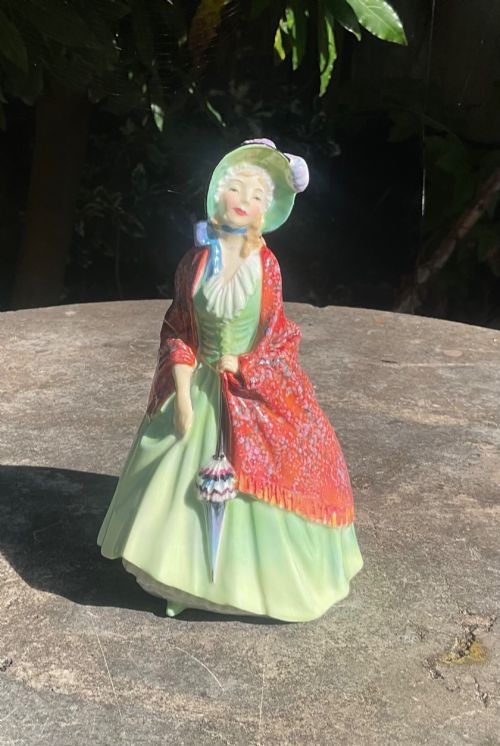
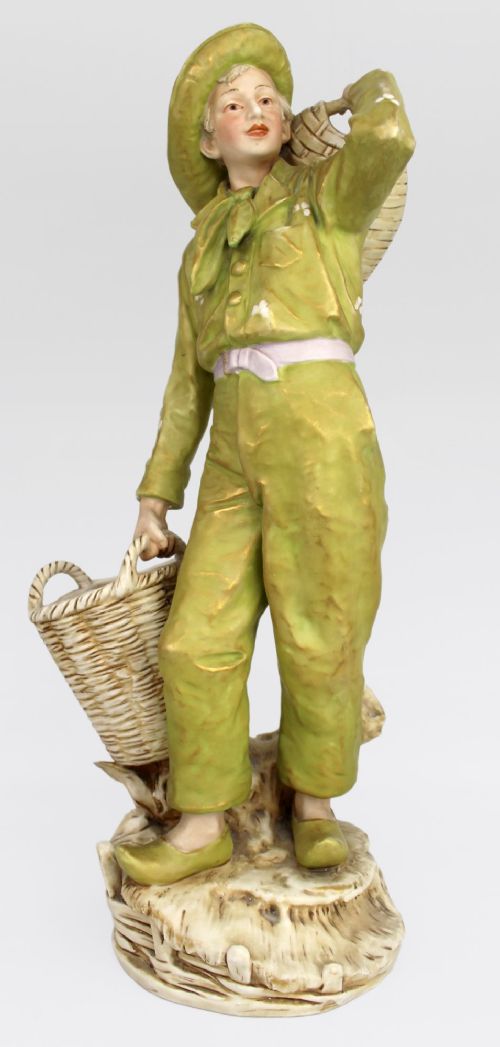
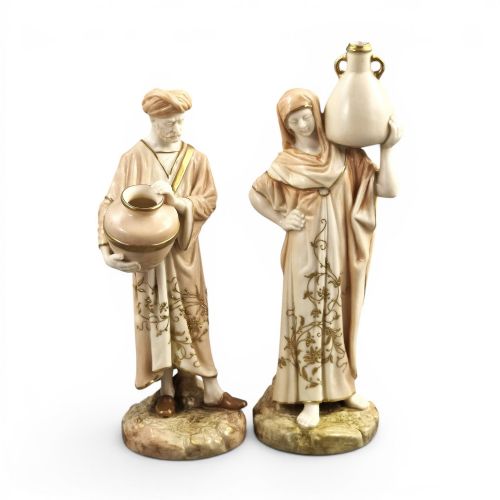
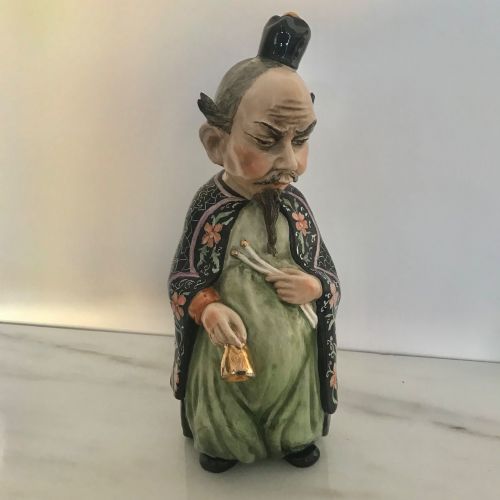
Edwardian porcelain statues encompass figurines, busts, and sculptural groups produced around the early twentieth century. When searching for Edwardian porcelain statues, collectors encounter works representing figures such as water carriers, flower sellers, fishermen, and mythological water nymphs. These pieces bridge late Victorian ornamentation and the sleek lines of later decades.
The objects span stylistic influences ranging from Art Nouveau curves and Rococo Revival flourishes to traditional Chinese ceramic decoration and Edwardian realism. Makers render these subjects as single figures or balanced pairs, often capturing candid domestic moments or allegorical scenes.
Origins include notable European potteries and Bohemian manufacturers alongside Chinese ceramic workshops operating at the turn of the century. The selection reflects diverse European tastes in domestic display sculpture during the Edwardian era.
Materials and Methods
Many examples incorporate gilt details or gold leaf highlights to accentuate patterned garments and decorative borders. Shot enamel and specialised surface treatments create subtle shifts in tone across the ceramic body.
Listings feature porcelain, enamel, glaze, gilt, paint, ceramic, gold leaf, and bisque porcelain.
Factors of Quality
Quality rests in the subtlety of the hand painting and the crispness of the porcelain moulding. Superior pieces display intricate detail in facial expressions, drapery folds, and applied elements like baskets, shells, or animals.
The sophistication of the stylistic execution distinguishes standard production from more ambitious sculptural groups. Art Nouveau curves and elaborate Rococo Revival motifs demand precise handling of the ceramic medium during firing.
Royal Dux Bohemia·Royal Worcester·James Hadley·Wedgwood and Co Ltd·Dressel Kister and Cie
The Edwardian Porcelain Statues Glossary
- Bisque Porcelain
- Unglaved ceramic material that fires to a matte, porous finish resembling marble. This surface absorbs light differently than glazed porcelain.
- Shot Enamel
- Specialised enamel finish producing iridescent or shifting colour effects across the ceramic surface. It appears on select Worcester pieces.
- Art Nouveau
- Design style characterised by flowing, organic lines and asymmetrical plant-based motifs. It heavily influences early twentieth-century sculptural figures.
- Rococo Revival
- Decorative movement reviving the ornate, scrolling forms of the eighteenth century. Figures in this style often feature theatrical poses and elaborate garments.
- Bust
- Sculptural representation of a person's head, shoulders, and upper chest. These are typically cast in parian or porcelain.
Edwardian Porcelain Statues: Frequently Asked Questions
How do I clean old porcelain figures?
Dust figures gently with a soft, dry brush to prevent accumulation in crevices and painted details.
Avoid using water or chemical cleaners on bisque surfaces, as moisture can penetrate the unglazed ceramic body and cause staining.
How can I date an Edwardian statue?
Examine the base for manufacturer stamps, impressed model numbers, or registration marks associated with early twentieth-century production.
Stylistic markers such as Art Nouveau asymmetry or specific attire can also narrow the production era to the years around nineteen hundred.
Where should I display porcelain figures?
Place statues in stable environments away from direct sunlight to protect hand-painted enamel colours from fading over time.
Enclosed cabinets or secure mantelpieces prevent accidental knocks and reduce dust accumulation on delicate modeled elements.