

Edwardian Plant Pot
An edwardian plant pot brings botanical display indoors through hammered metals, turned woods and glazed ceramics.
Edwardian Plant Pot
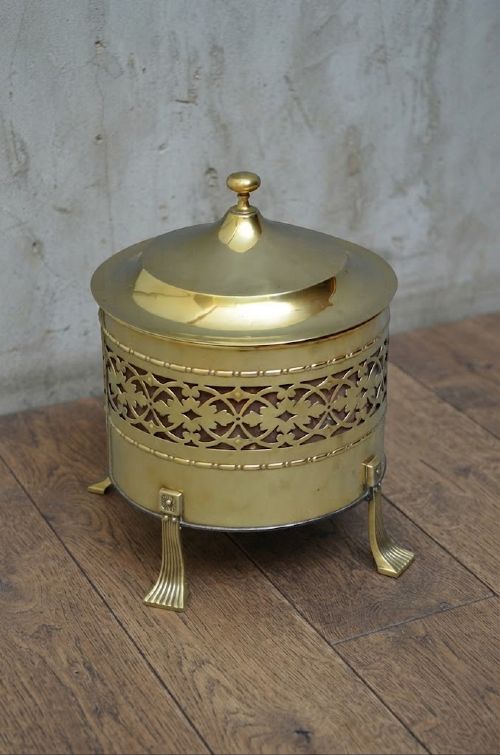
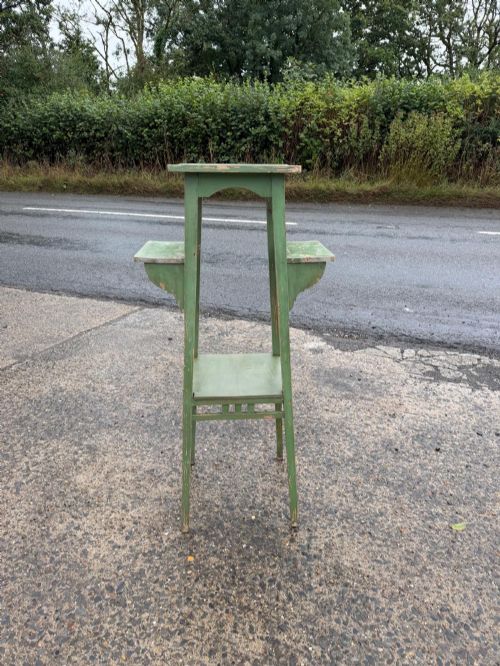
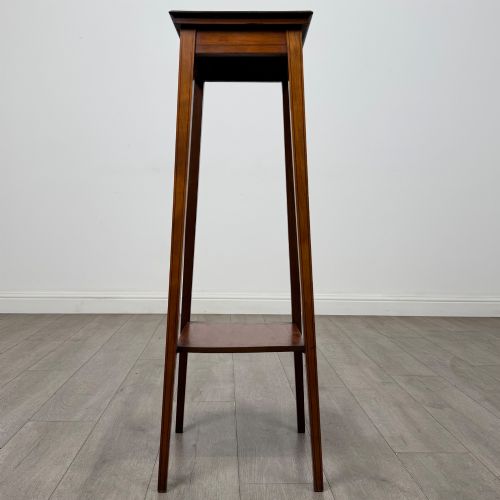
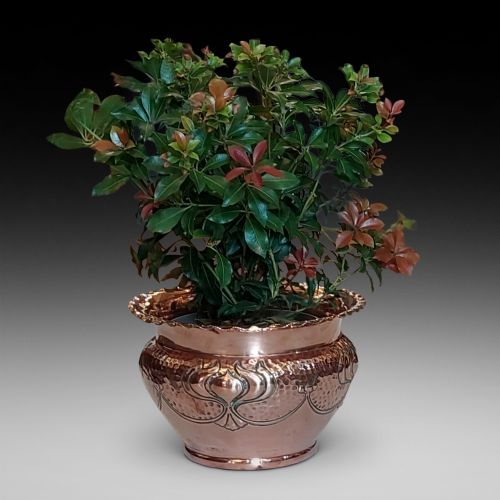
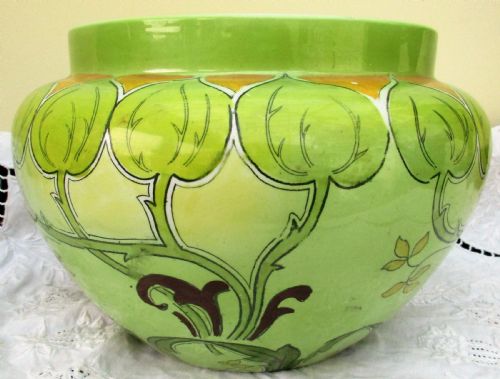
The edwardian plant pot encompasses jardiniere stands, floor-standing plant holders and tabletop planters designed to house greenery within domestic interiors. Most examples on this page date from the early twentieth century, drawing on Edwardian, Victorian and Arts and Crafts traditions to ornament parlours and hallways.
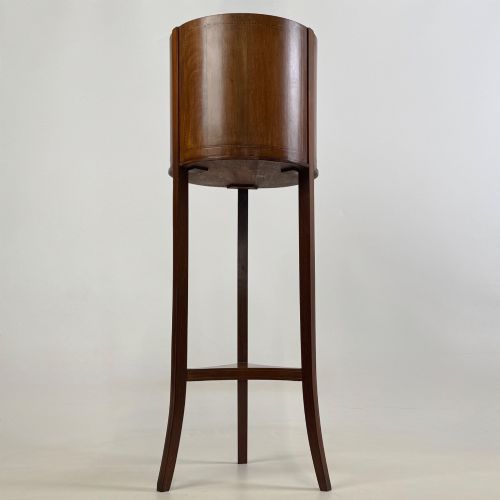
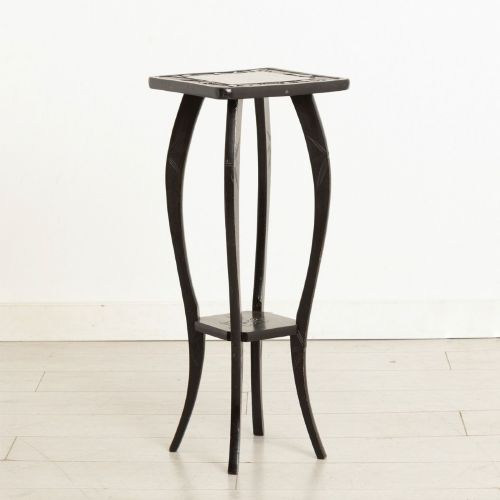
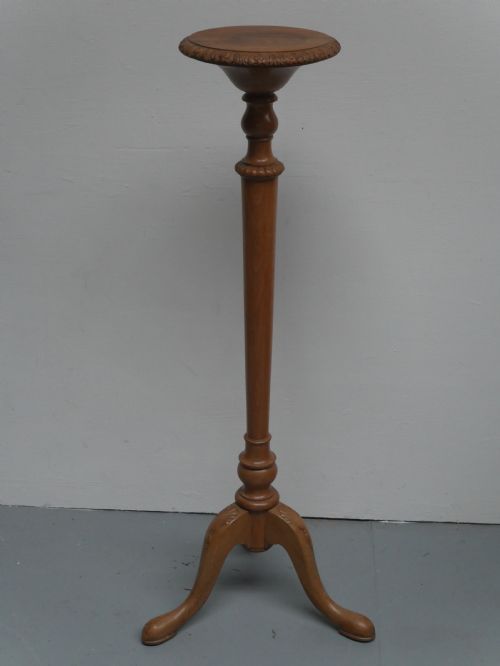
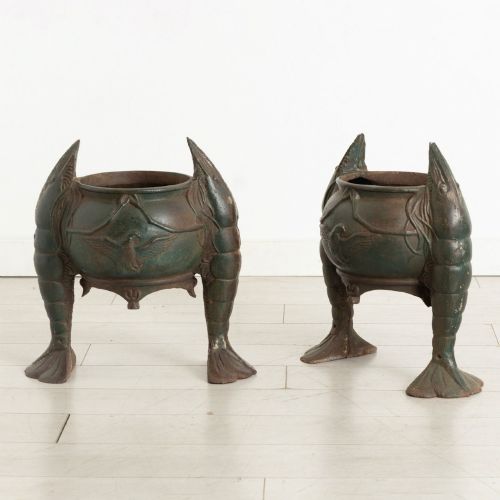
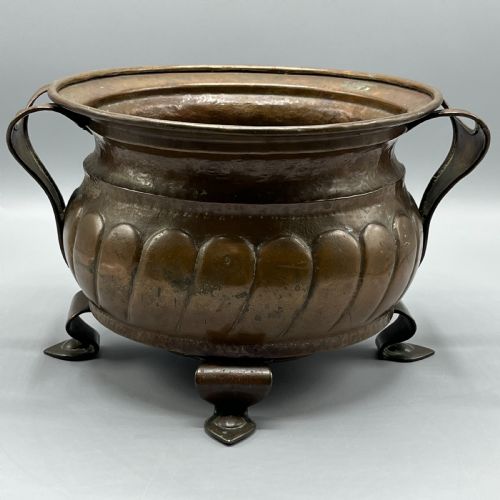
Makers shaped these vessels as brass and copper bowls, coopered oak barrels, cast iron urns and raised timber stands. Forms range from heavy metal vessels with lion mask handles to slender mahogany and satinwood pedestals intended to elevate ferns and palms.
Distinctions in Standard
Quality rests in the integrity of construction and the depth of surface ornament. Hand-beaten copper with crisp rivet work and substantial gauge metal sits above thin, pressed stamped alternatives.
Timber pieces display tighter grain matching, stable coopered joints and original finish, whereas lesser examples show poor grain selection and unstable structural joins.
Listings combine metals including brass, copper and cast iron with timbers such as oak, mahogany, pine and satinwood.
Royal Doulton·Liberty of London·W A Adderley·J Sankey and Sons·Compton Pottery
The Edwardian Plant Pot Glossary
- Jardiniere
- A large ornamental pot or stand for holding plants or flowers. These vessels were traditionally positioned on the floor or upon dedicated pedestals.
- Coopered
- Made by a cooper using curved wooden staves bound with metal hoops, commonly seen in oak plant tubs and barrels.
- Arts and Crafts
- A design movement valuing handcraftsmanship, simple forms and honest materials such as beaten copper and solid oak.
- Torchere
- A tall decorative stand or pedestal designed to hold a light or a plant pot.
- Fretwork
- Ornamental design executed by cutting patterns through thin panels of metal or wood.
Edwardian Plant Pot: Frequently Asked Questions
What is the difference between a jardiniere and a plant stand?
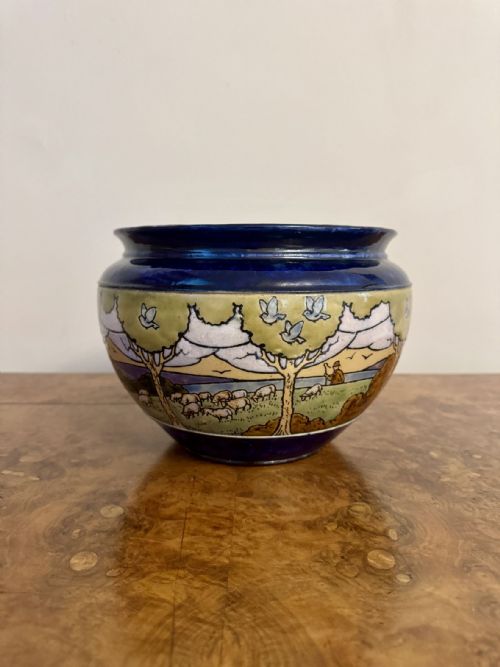
A jardiniere is the vessel itself, usually a bowl or pot designed to hold soil and plants. A plant stand is the supporting pedestal or table that elevates the pot above the floor.
In many domestic settings, the two pieces were sold together as a matched pairing to display ferns and palms in public rooms.
Can these metal pots hold water directly?
Many period brass and copper planters feature riveted or soldered seams that may weaken over time. It is standard practice to place a modern plastic liner inside the metal body to protect the antique surface from moisture.
Solid wood coopered tubs similarly benefit from internal saucers to prevent the timber staves from swelling or rotting.
How do I identify an Arts and Crafts planter?
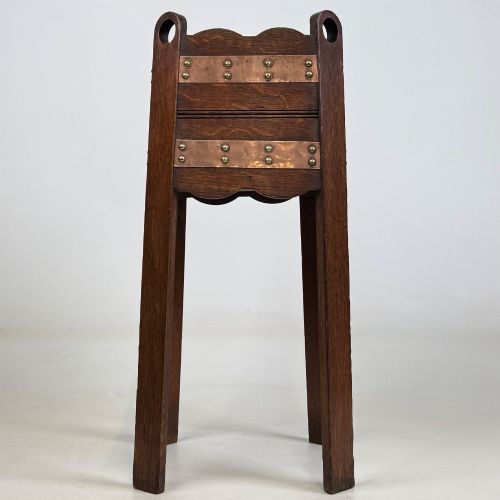
Arts and Crafts planters typically display hand-hammered copper or brass surfaces with visible tool marks and riveted construction. They often feature simple geometric motifs or stylised plant forms rather than ornate Victorian Revival scrolling.
Oak versions utilise straightforward joinery and exposed metal bands, reflecting a philosophy of honest construction.
Where should I place a wooden plant stand at home?
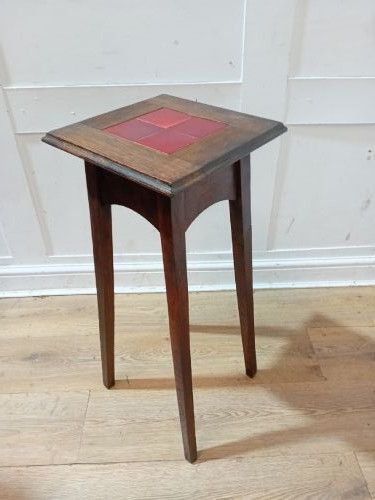
Tall timber plant stands suit corners of living rooms, hallways or near windows where natural light supports indoor greenery. Their narrow footprints allow them to occupy tight spaces without cluttering a room.
To preserve the wood, avoid placing them directly beside active heat sources or in damp conservatories with extreme temperature shifts.