





Edwardian Pierced Tray
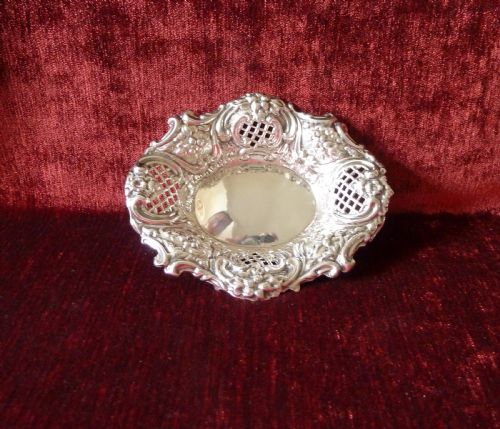
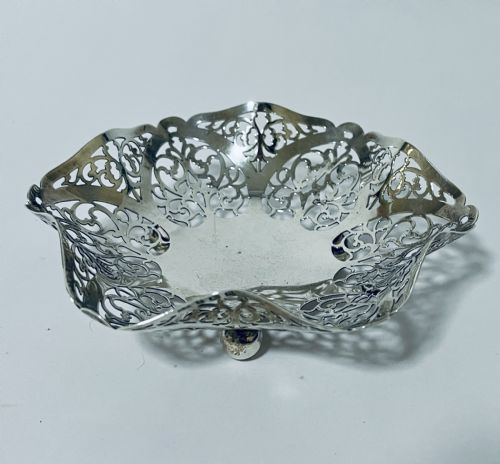
An edwardian pierced tray brings refined metalwork and openwork elegance to the table, combining functional service with decorative detail.
Edwardian Pierced Tray
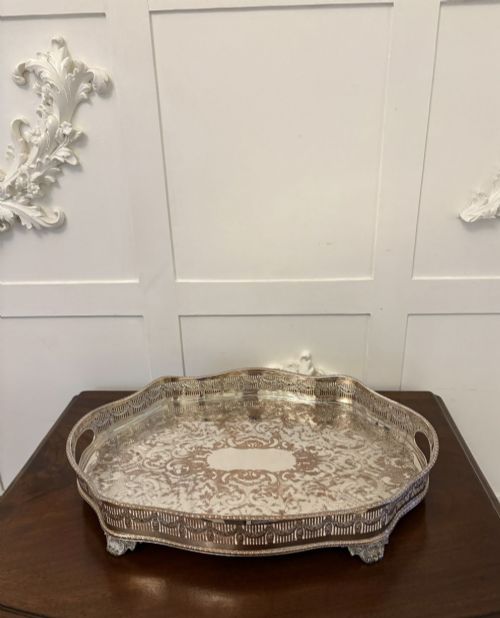
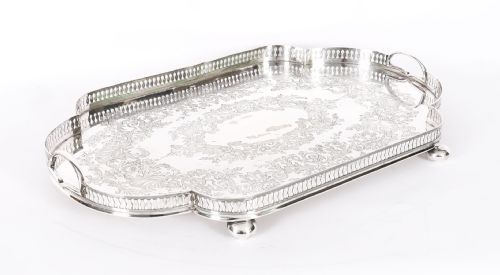
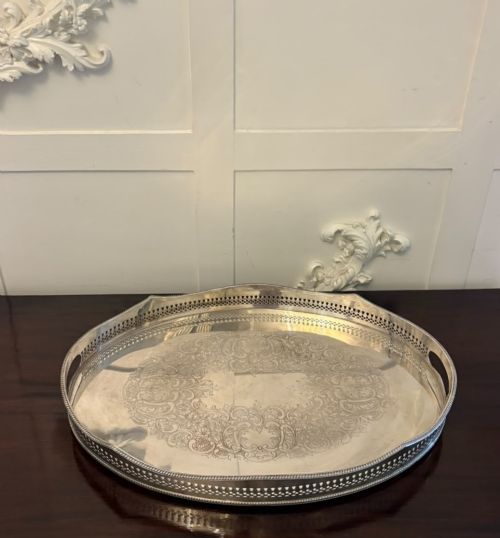
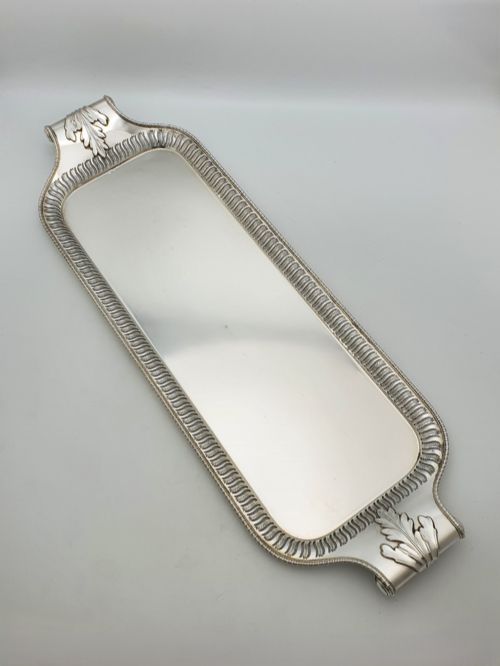
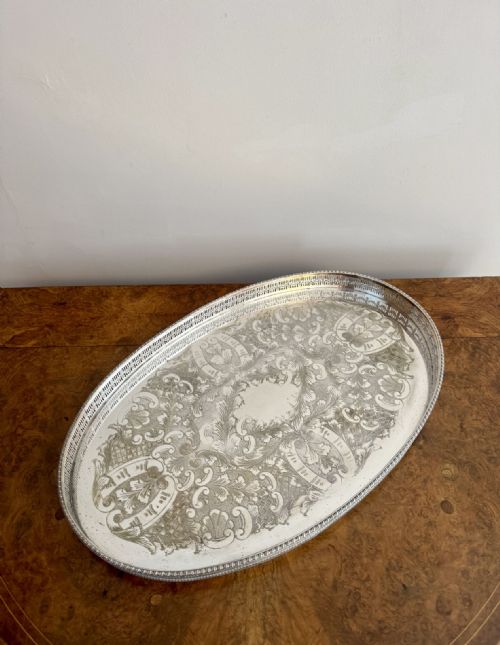
The edwardian pierced tray typically appears as a silver plated or sterling silver serving piece featuring openwork galleries and borders, spanning the early twentieth century alongside Victorian and later periods. Buyers find these items ranging from tea and cocktail trays to smaller salvers and dishes, often displaying engraved surfaces or handles.
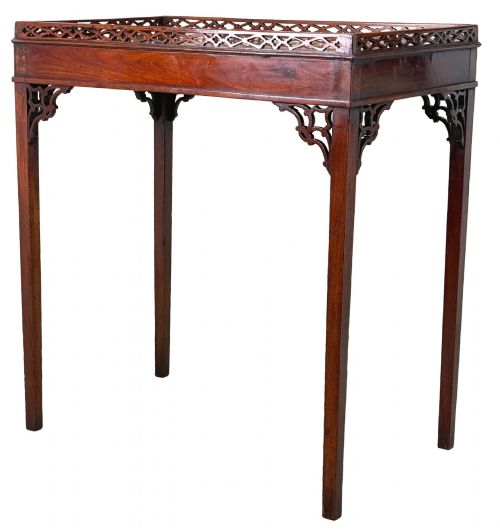
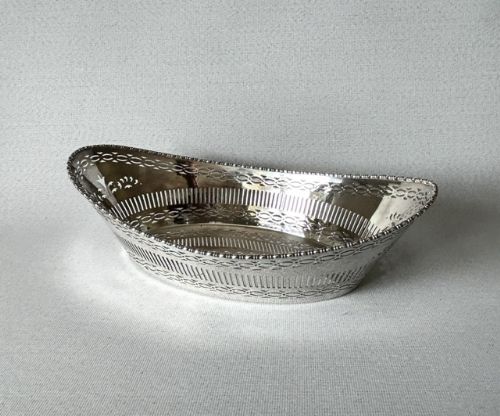
Most examples originate from the Edwardian era itself, while related forms include mahogany occasional tables, baskets, and side tables echoing Chippendale and Sheraton revival styles. These objects served domestic entertaining, carrying tea services, decanters, or bread.
Materials and Technique
Makers utilised sterling silver and silver plate, including electroplated nickel silver and Sheffield plating, shaping metal bases through piercing, casting, and hand engraving. Wooden elements incorporate mahogany, oak, and satinwood with gold leaf details.
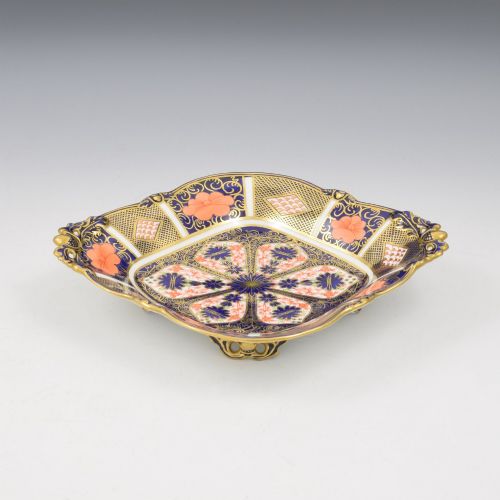
Porcelain and bone china also appear in serving dishes, demonstrating how craftsmen combined ceramic bodies with decorative patterns such as English Imari.
Listings feature silver plate, sterling silver, mahogany, and bone china across Edwardian and Victorian periods.
Assessment of Quality
Quality rests in the crispness of the pierced metalwork and the depth of the hand engraving across the surface of the tray. Thicker silver plating and substantial base metals distinguish finer pieces from lighter production.
Makers' marks from recognised silversmiths and integrated structural handles add weight to the evaluation, while timber quality and joinery define wooden tables and frames.
James Deakin·Mappin & Webb
The Edwardian Pierced Tray Glossary
- Pierced tray
- A serving tray featuring openwork cutouts or fretwork patterns along its gallery or border. This technique lightens the visual weight of the metal.
- Gallery tray
- A tray bounded by a raised vertical railing or rim, designed to secure decanters or tea sets during transit. These rims often feature pierced ornamentation.
- Sheffield plate
- An early form of plated metal created by fusing a sheet of silver to a copper ingot before rolling. It represents a precursor to later electroplating methods.
- Electroplated nickel silver
- A base alloy of copper, nickel, and zinc coated with a thin layer of silver through electrolysis. Most silver plated domestic items utilise this method.
- English Imari
- A ceramic decorative style featuring rich cobalt blue, iron red, and gilt details inspired by Japanese porcelain. This palette appears on porcelain trays and dishes.
Edwardian Pierced Tray: Frequently Asked Questions
What are edwardian pierced trays made of?
These pieces primarily consist of sterling silver or silver plate over metals like nickel silver and copper. Some examples incorporate wooden bases or ceramic bodies.
Craftsmen combined these materials with hand engraving and openwork borders to achieve a decorative yet functional finish.
How were these trays used originally?
Households used them for serving tea, coffee, cocktails, and decanters during formal gatherings and daily meals. The raised gallery prevented glassware from sliding off.
Smaller versions functioned as pin dishes, pen trays, or bread baskets on dining and side tables.
How do I identify an edwardian piece?
Look for hallmarks indicating silver standards or maker marks associated with early twentieth-century firms. Stylistic cues include Edwardian floral motifs and geometric piercing.
Comparison with Victorian and George V examples helps narrow down the exact manufacturing period.
How should I clean a silver plated tray?
Use a soft cloth and a specialised silver polish designed for plated items to remove tarnish gently. Avoid harsh abrasives that can wear away the silver layer.
Store the tray in a dry environment to slow down future tarnishing and protect any underlying base metal.