


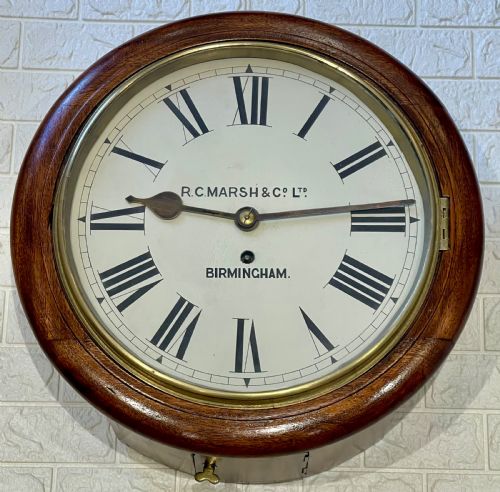


Edwardian Pendulum Clock
These pieces are a traditional edwardian pendulum clock, combining mechanical precision with period cabinetwork for reliable domestic timekeeping.
Edwardian Pendulum Clock
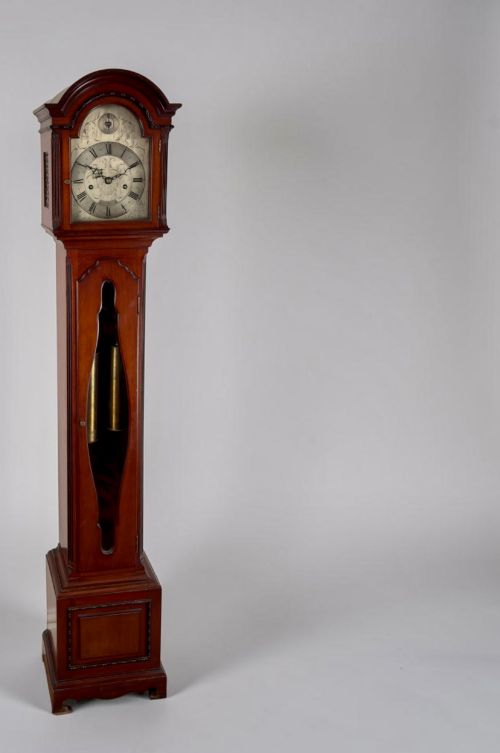
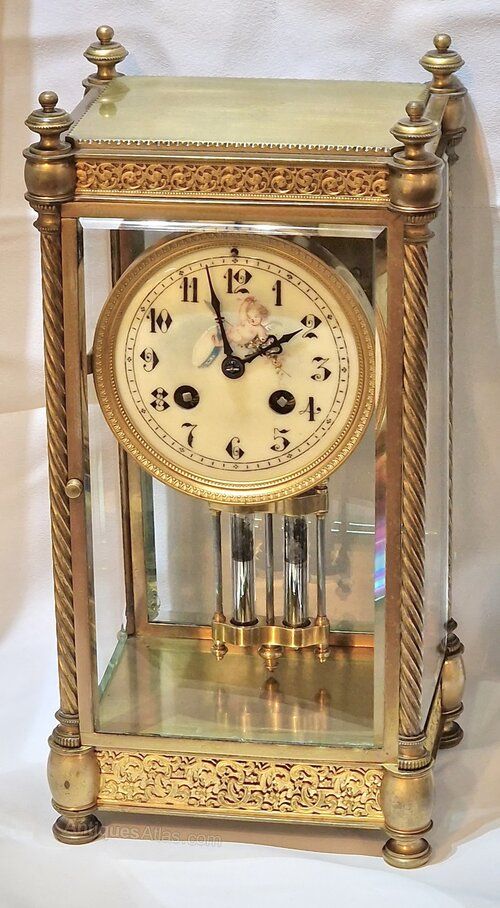
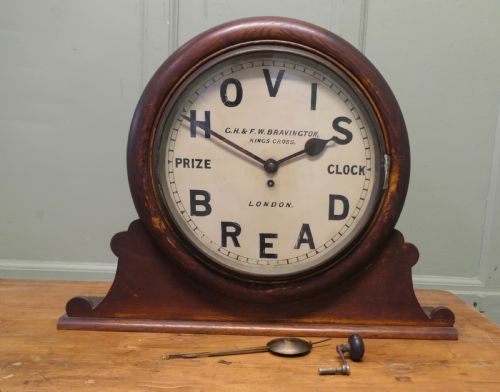
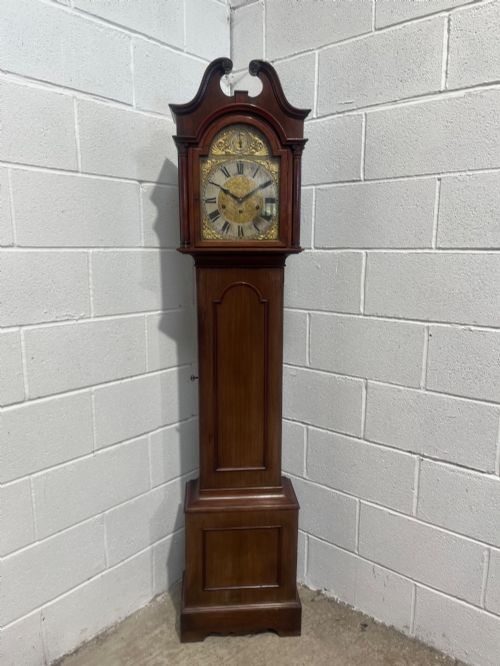
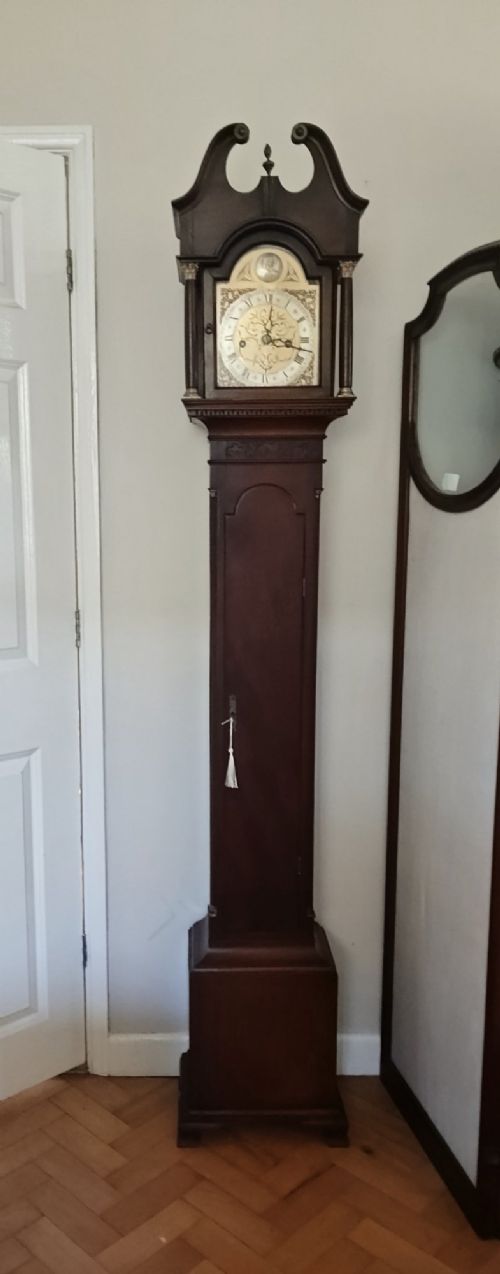
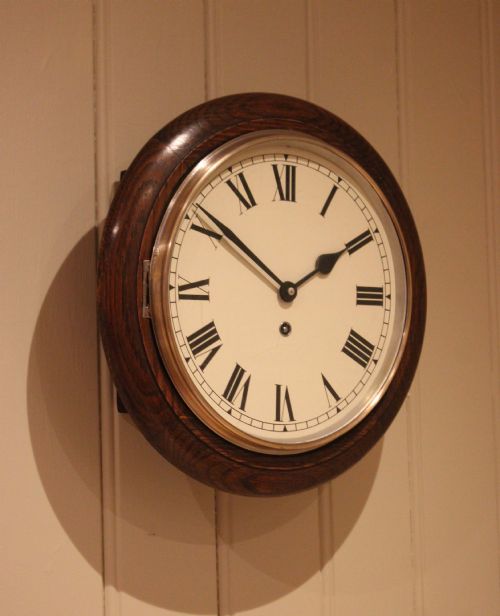
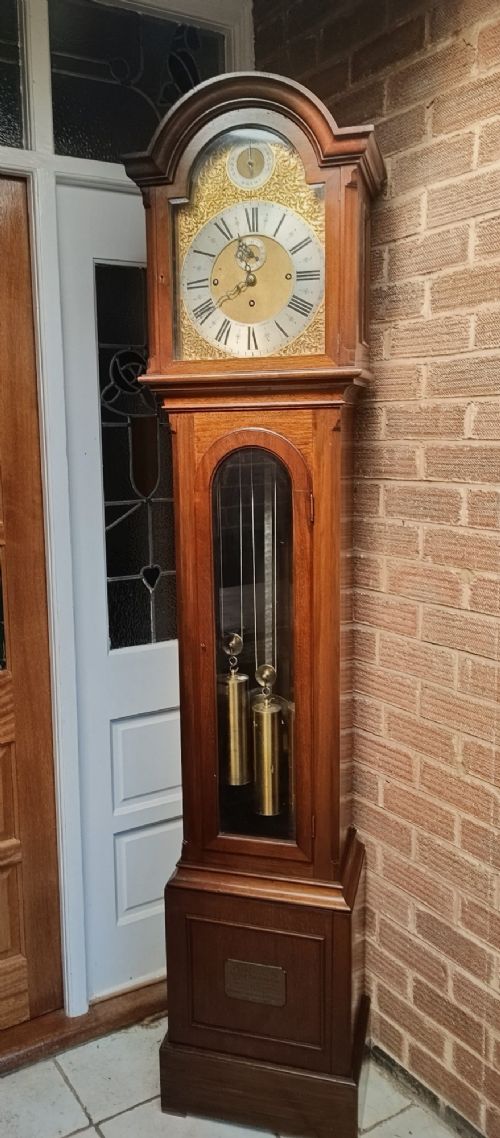
An edwardian pendulum clock encompasses a diverse range of timepieces, from compact mantel clocks and wall-hung dial clocks to tall grandfathers, grandmothers, and longcase pieces. Buyers searching for an edwardian pendulum clock encounter domestic timepieces spanning wall clocks, mantel clocks, and taller floor-standing models originating around the turn of the twentieth century.
The selections on this page lean heavily toward oak and mahogany cases housing brass movements, often displaying inlay or carved detail typical of the period. Alongside formal Edwardian pieces, the listings include related Victorian, George V, and early twentieth-century examples sharing similar mechanical principles and cabinetry.
Form follows function across the varieties, with wall-mounted dial clocks serving public or kitchen spaces and ornate mantel or longcase clocks anchoring reception rooms. The sheer variety ensures that whether a buyer seeks a small walnut desk clock or a tall chiming floor model, the core mechanics remain governed by a swinging pendulum.
How they were made
Makers constructed the outer housings using domestic and imported timbers such as oak, mahogany, and walnut, frequently applying brass dials, bezels, and cast or ormolu mounts for contrast. Glass panels protected delicate dials and allowed views of the swinging pendulum, while enamel provided a clean, legible surface for painted numerals.
Internal mechanisms relied on brass gear trains driven by weights, springs, or fusee movements that regulated power delivery for steady timekeeping. Craftsmen fitted precision escapements and pendulum rods from iron or brass, ensuring the steady beat characteristic of these mechanical clocks.
Listings feature oak, mahogany, and walnut cases paired with brass, enamel, and glass components across wall, mantel, and longcase forms.
What varies in quality
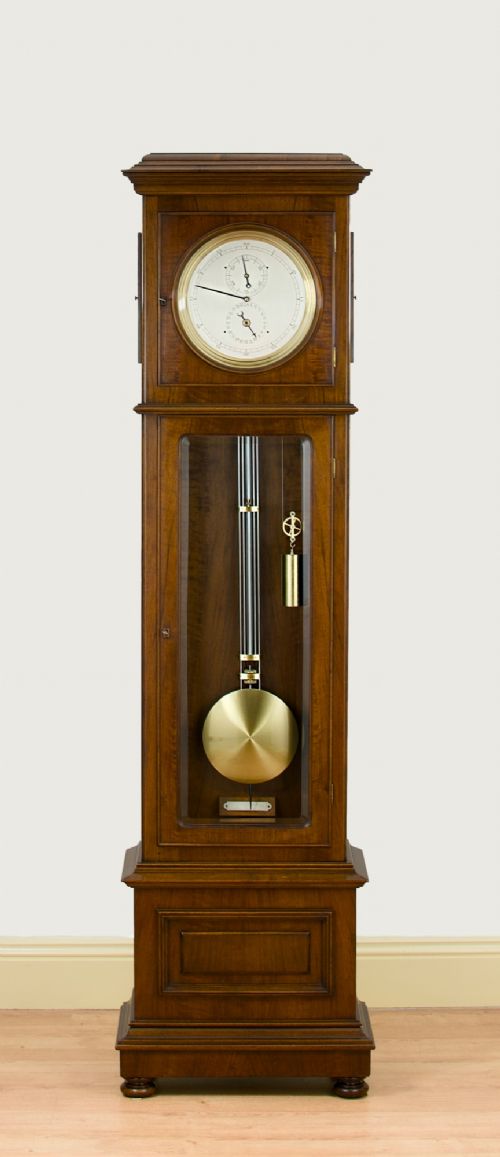
The refinement of the cabinetwork and the sophistication of the movement separate standard production clocks from precision instruments like regulators or multi-bell chiming longcases. Superior pieces display crisp dial engraving, meticulously hand-fitted gear wheels, and finely grained timber veneers matched carefully across the case.
Signatures on dials or movements from notable makers or retailers indicate higher workshop standards and better original investment. The integration of specialised movements, such as fusee setups or torsion systems, points to superior engineering compared to mass-market spring-driven alternatives.
Gillett & Johnston of Croydon·H.A.C.·G.H.& F.W. Bravington London·Elliott·Lenzkirch·Edward Shepley of Manchester·John Walker·Samuel Marti et Cie·Mappin & Webb London
The Edwardian Pendulum Clock Glossary
- Pendulum
- A suspended weight that swings back and forth to regulate the speed of a clock. Its length determines the timing beat of the movement.
- Fusee
- A conical pulley used in better quality clocks to equalize the diminishing power of a mainspring as it unwinds. This mechanism ensures even force reaches the escapement.
- Dial
- The face of the clock where hours and minutes are displayed. Dials are constructed from brass, silvered metal, or painted enamel.
- Mantel clock
- A portable clock designed to stand on a fireplace mantel or shelf. These pieces rely on spring-driven movements rather than falling weights.
- Longcase clock
- A tall, freestanding pendulum clock enclosed in a wooden case resting on the floor. They are also known colloquially as grandfather or grandmother clocks depending on their height.
Edwardian Pendulum Clock: Frequently Asked Questions
How do I wind my clock?
Most spring-driven models require a key inserted into the dial holes to tighten the mainsprings, while weight-driven versions require pulling chains or winding cords to raise the hanging weights.
Care must be taken not to overwind the springs, stopping just as resistance increases to protect the internal brass teeth.
Why does my clock stop ticking?
Stopping usually occurs because the cabinet is unlevel, causing the pendulum to strike the inside of the case rather than swinging freely in beat.
Adjusting the feet or wall bracket until the beat sounds even on both sides typically restores normal operation.
Where should I place a longcase clock?
Tall clocks need a stable, dry interior wall away from direct sunlight, central heating vents, and exterior doors where vibrations can disturb the pendulum.
Securing the upper trunk to the wall prevents accidental tipping, especially in homes with children or pets.
How do I tell an Edwardian clock from a Victorian one?
Edwardian cases often display lighter oak and mahogany timbers with simpler, airier inlay inspired by Arts and Crafts or Art Nouveau aesthetics.
Victorian pieces tend to feature heavier proportions, darker finishes, and more ornate carving influenced by earlier revival styles.