
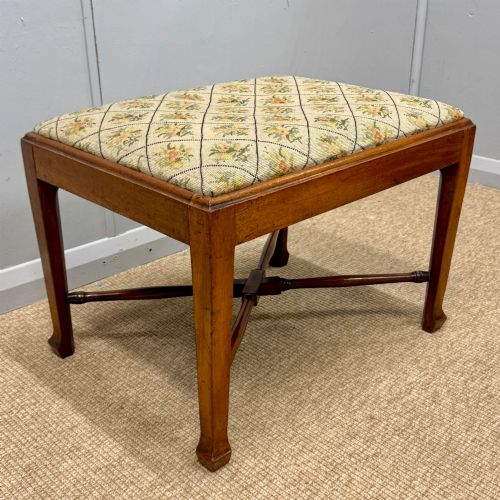
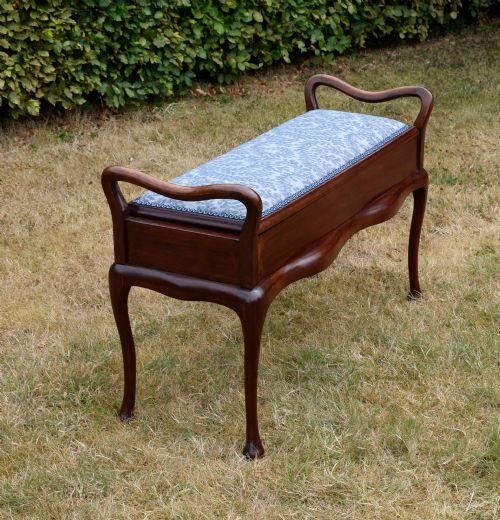
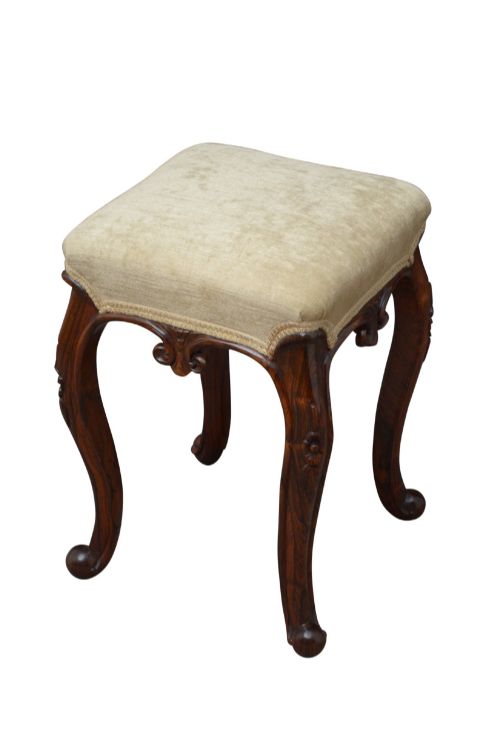
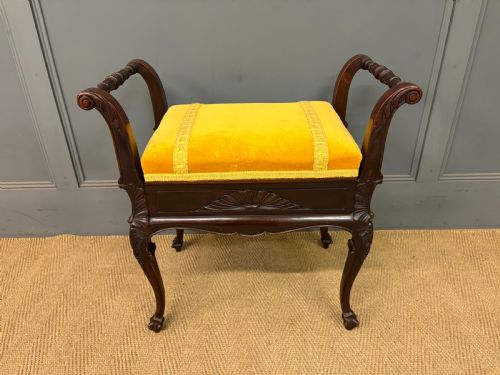

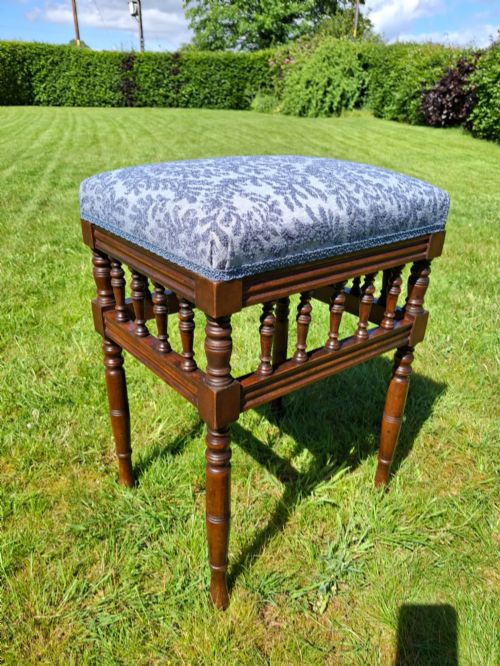


Edwardian Padded Stool
An edwardian padded stool brings practical comfort and period charm to a room, offering versatile seating alongside dressing tables or pianos.
Edwardian Padded Stool
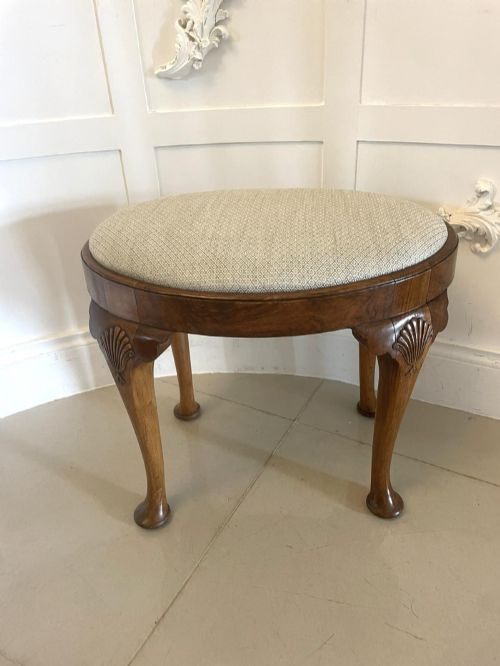
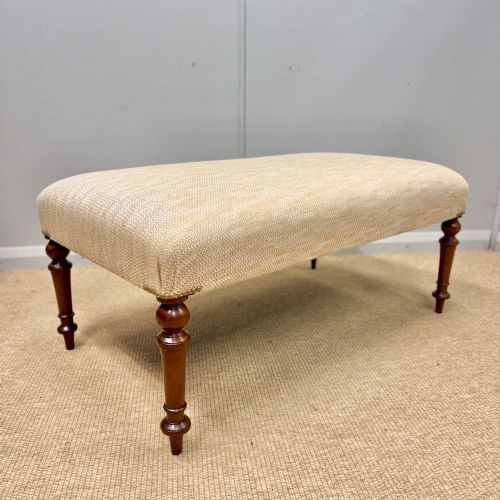
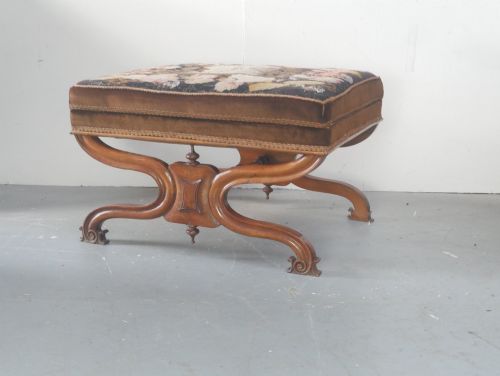
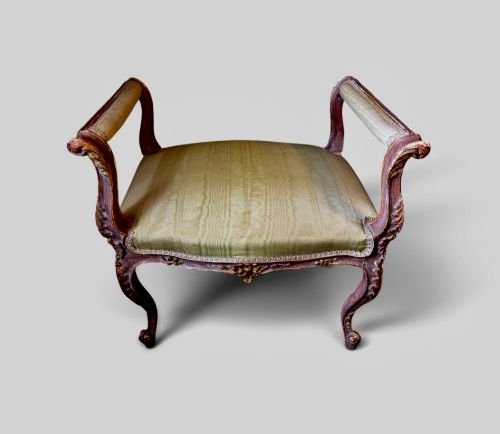
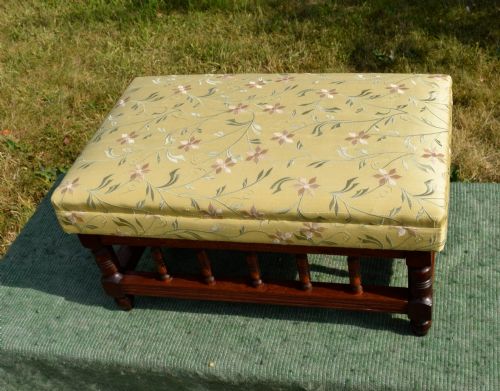
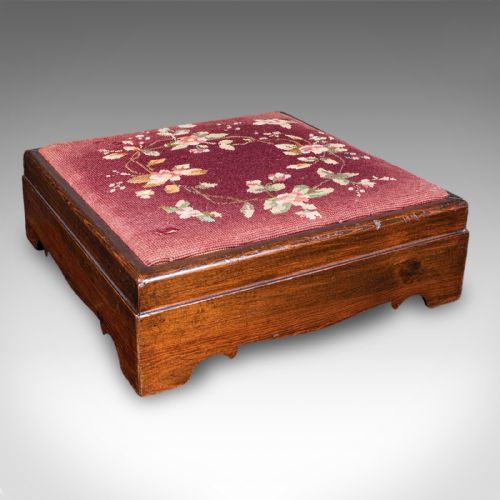
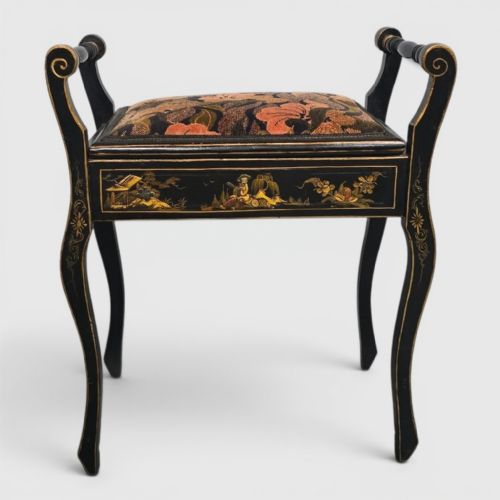
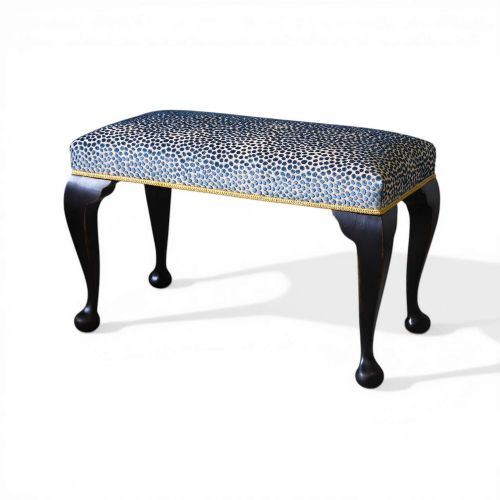
An edwardian padded stool encompasses low footstools, dressing table seats and piano stools, often discovered alongside Victorian and early twentieth-century examples in mahogany, walnut and oak. These pieces range from simple ebonised forms with turned legs to inlaid mahogany designs and black lacquered chinoiserie footstools.
Buyers will frequently meet piano stools and dressing table variants bearing upholstered seats in fabric, velvet, tapestry or leather. The selection includes long footstools, revolving piano stools and occasional benches reflecting Queen Anne and Georgian revival styles.
Origins stretch across the Edwardian period into the wider nineteenth century, taking in Arts and Crafts interpretations and Scottish baronial forms. Each type serves a domestic function, from supporting the feet by the fireside to seating musicians at a piano.
Materials and Construction
Timbers such as mahogany, walnut, oak and pitch pine form the structural frames of these pieces, sometimes complemented by giltwood, ebonisation or black lacquer. Cabinetmakers utilised sturdy joints to support daily use, occasionally incorporating brass castors on larger footstools.
Upholstery methods relied on textiles, tapestries, velvet, fabric and leather to pad the seats, while specific examples showcase intricate inlay work. Structural elements range from twisted rope legs and cross stretchers to cabriole legs and turned supports.
Edwardian Padded Stool Retail Price Guide 2026
Typical asking prices for edwardian padded stool among the pieces listed under this phrase on Sellingantiques today, from the lower quarter to the upper quarter. They describe what is for sale here now, not the wider market.
Assessing Quality and Craftsmanship
The distinction between standard domestic seating and superior examples rests in the choice of cabinet timber and the refinement of the frame carving. Finer pieces display careful wood selection, such as figured walnut or goncalo alves wood, alongside precise joinery and well-executed inlay.
Upholstery execution and the retention of original decorative details like brass castors or maker-attributed frames elevate certain stools above utilitarian alternatives. The integrity of the wooden frame under structural stress dictates the enduring stability of the piece.
Howard and Sons·Jas Shoolbred·James Shoolbred
The Edwardian Padded Stool Glossary
- Cabriole leg
- A furniture leg that curves outward and then tapers inward, typically ending in a pad or claw foot. This form draws inspiration from animal limbs and frequently appears on period seating.
- Cross stretcher
- An intersecting wooden brace positioned between the legs of a stool to provide additional stability. Such architectural supports enhance the load-bearing capacity of the frame.
- Ebonised
- Wood treated with a chemical finish or dark stain to imitate ebony. This dark surface treatment was popular for achieving a sleek, formal appearance.
- Chinoiserie
- European decorative motifs inspired by Chinese art and design, featuring painted or lacquered scenes. This style appears on select piano stools and footstools from the period.
- Duet stool
- An extended seat designed to accommodate two people side by side, commonly associated with piano playing. These wider formats provide substantial surface area for shared use.
Edwardian Padded Stool: Frequently Asked Questions
What is an edwardian padded stool used for?
An edwardian padded stool functions primarily as movable domestic seating, appearing beside dressing tables, pianos and firesides. Piano variants often included storage or revolving mechanisms for musician comfort.
Footstools provided low support for resting feet during long periods of sitting in the parlour or drawing room. Their compact proportions made them easily repositioned around the home as needed.
How do I date an edwardian padded stool?
Dating relies on identifying stylistic markers, timber choices and construction techniques associated with the period between eighteen ninety and nineteen twenty. Edwardian pieces often favour inlaid mahogany, simpler revival styles and specific upholstery treatments.
Earlier nineteenth-century examples tend to display heavier proportions, Victorian walnut framing or distinct revival motifs like Queen Anne cabriole legs. Comparing the turning of the legs and the type of textile helps narrow the decade of manufacture.
Are piano stools adjustable?
Many period piano stools feature revolving seats that allowed the player to alter their height by twisting the top. Other variants utilised fixed upholstered pads set atop sturdy wooden frames without mechanical adjustment.
Revolving mechanisms depended on central wooden or metal threaded screws concealed beneath the padding. Examining the underside reveals whether the height adjustment is mechanical or if the frame remains stationary.
What fabrics were used for upholstery?
Original upholstery frequently utilised velvet, tapestry, needlework, woven textiles and leather stretched over padded foundations. These materials were chosen for both durability and decorative harmony with interior furnishings.
Many surviving pieces have undergone reupholstery using new fabrics while retaining the antique wooden frame underneath. Specific examples showcase distinctive patterns like Liberty fabrics or traditional buttoned leather.