
Edwardian Open Cabinet
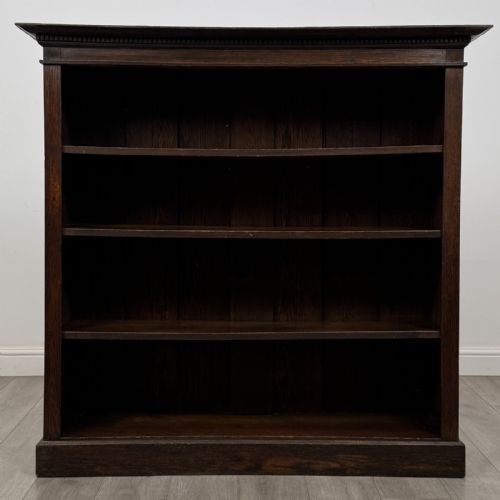
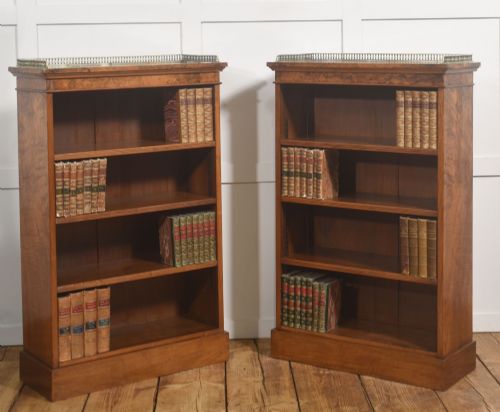
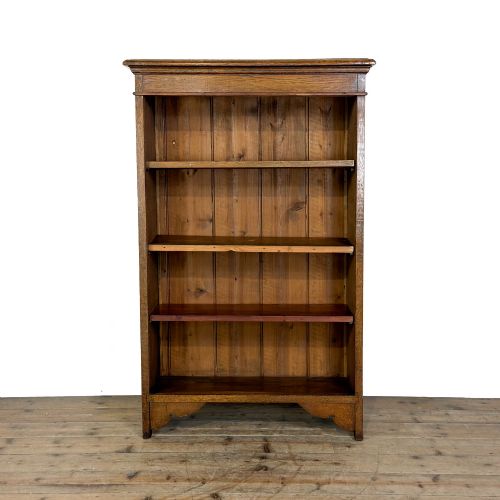
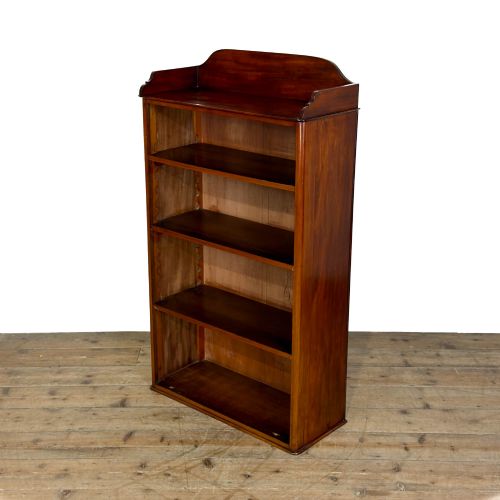
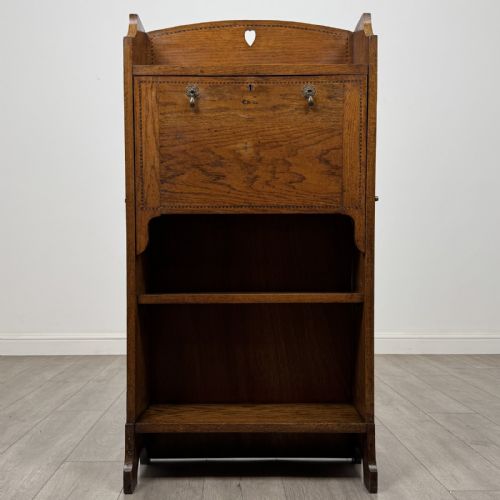
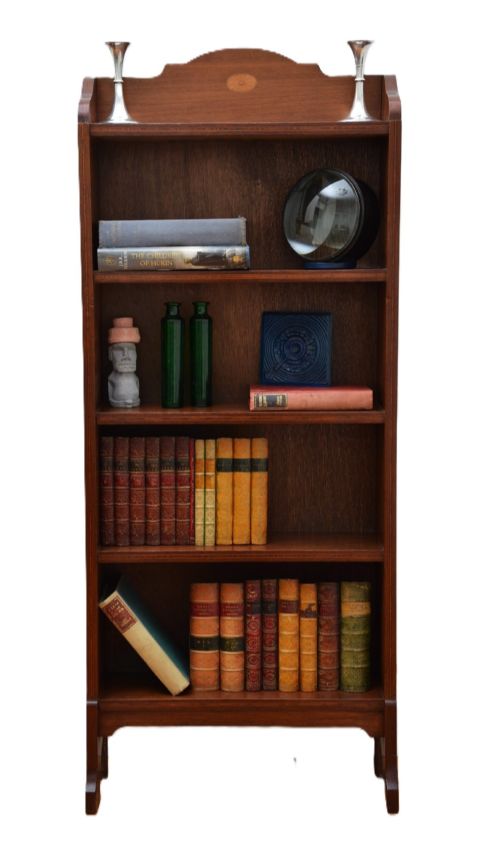
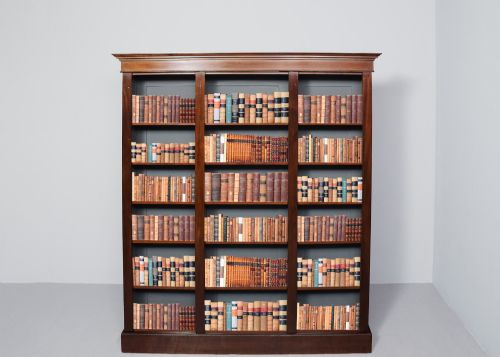
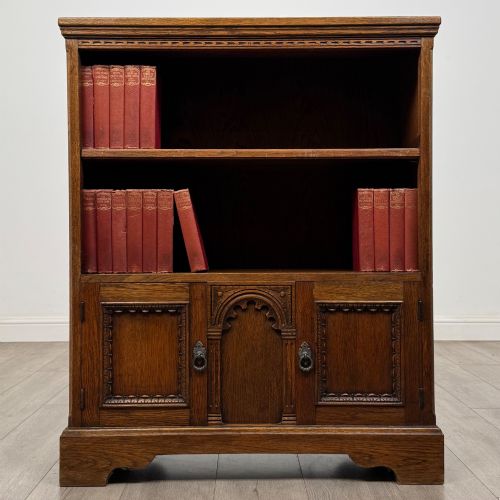
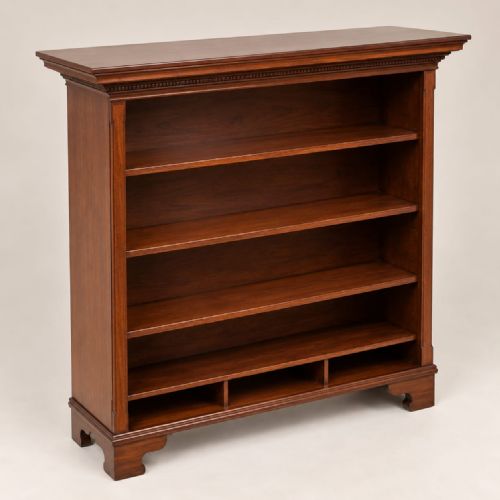
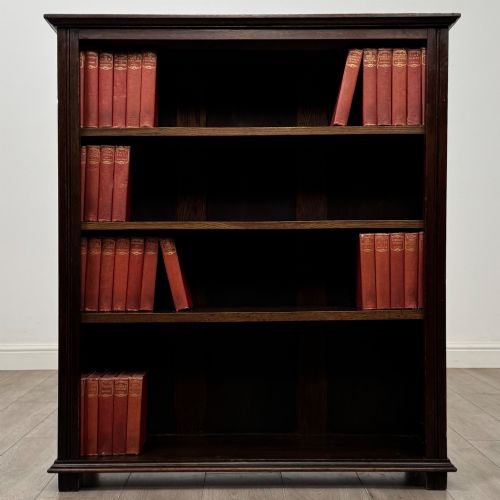
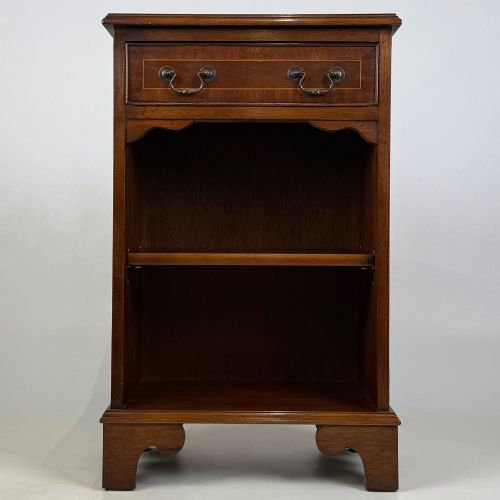
An edwardian open cabinet offers practical display space in mahogany or oak, combining lightness of form with the rich timber tones of the early twentieth century.
Edwardian Open Cabinet
An edwardian open cabinet sits primarily in the domestic spaces of the early twentieth century, designed to hold books and display ornaments without heavy doors blocking the view. The form draws heavily on preceding Victorian and Georgian styles while paring back excess ornamentation for a cleaner appearance.
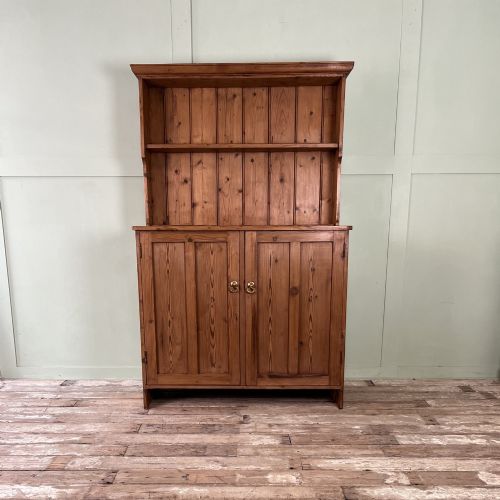
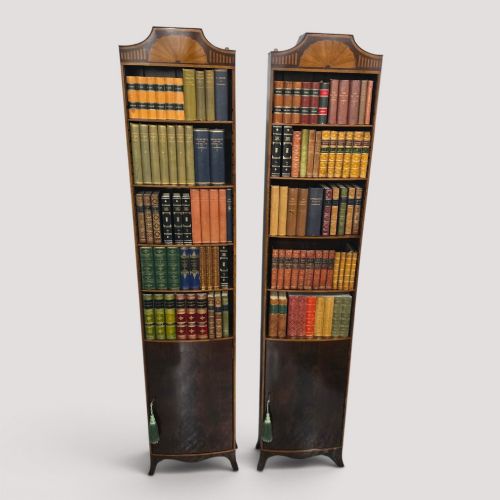
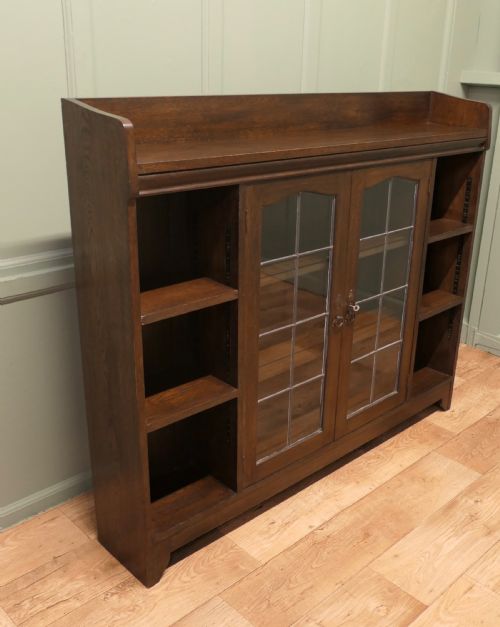
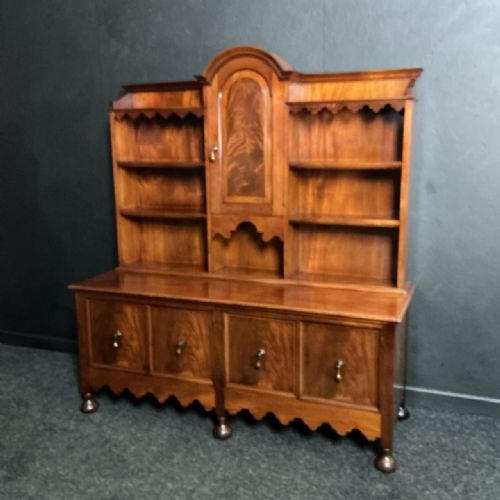
Most examples encountered here belong to the Edwardian period itself or lean into Sheraton Revival and Arts and Crafts aesthetics. These pieces range from compact small bookcases to taller side cabinets and dressers fitted with open shelving.
Materials and construction
Makers relied predominantly on solid oak and mahogany for the main frames, frequently applying satinwood for inlaid details or turning to walnut for deeper grain patterns. Brass hardware, including castors, appears on select refined specimens to aid mobility.
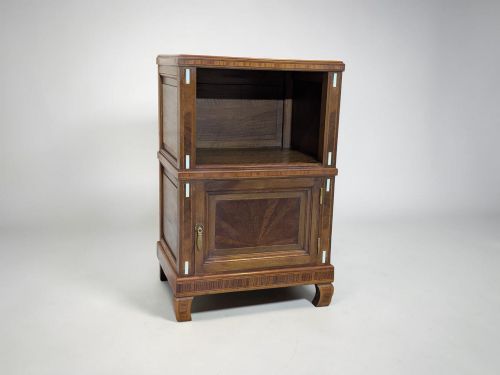
Joinery techniques reflect traditional cabinet-making standards of the era, accommodating fixed or height-adjustable shelves within upright carcases. Friezes often display delicate marquetry or inlaid banding rather than deep relief carving.
Selected bookcases travel effortlessly across the floor on their original brass castors.
Distinguishing quality
Quality rests in the selection of timber figures and the crispness of any inlaid decoration, where finely cut satinwood or contrasting stringing elevates a straightforward bookcase into a sophisticated piece of furniture. Well-executed proportions and balanced hardware create visual harmony.
Construction integrity separates standard workshop output from finer cabinet work, visible in the snug fit of joints and the careful finishing of interior shelf edges.
Whytock and Reid·Morison and Co·Liberty and Co·Edwards and Roberts·Robert Strahan
The Edwardian Open Cabinet Glossary
- Edwardian
- A period spanning the reign of King Edward VII from 1901 to 1910, though the style extends slightly either side. Furniture from this era often lighter in construction than Victorian equivalents.
- Sheraton Revival
- A late nineteenth and early twentieth century design movement inspired by the neoclassical work of Thomas Sheraton. It utilises satinwood inlay, tapered legs and classical motifs.
- Arts and Crafts
- A design movement valuing honest construction and handcraftsmanship over mass production. Pieces in this style usually display plain solid oak surfaces and exposed joinery.
- Inlay
- A technique where pieces of contrasting wood or metal are inserted into recessed cavities on the surface to create decorative patterns. Friezes and panels frequently receive this treatment.
Edwardian Open Cabinet: Frequently Asked Questions
What is an edwardian open cabinet used for?
These cabinets serve primarily to store books and display decorative objects within living rooms, studies or hallways. The lack of doors provides immediate access to the contents.
They function equally well as standalone shelving units or integrated side pieces alongside larger furniture groupings.
How do I identify an edwardian piece?
Look for lighter timber tones, slender uprights and refined proportions that distinguish these items from heavier Victorian ancestors. Sheraton Revival influences often appear through delicate inlay work.
Oak and mahogany dominate the period, frequently accompanied by modest bracket feet or subtle beaded edges rather than heavy mouldings.
Are the shelves adjustable?
Certain examples feature height-adjustable shelving to accommodate volumes of varying sizes. This flexibility was common in better quality library furniture.
Fixed shelves remain standard on simpler or more compact variations found across domestic interiors.
How do I care for mahogany and oak surfaces?
Maintain the timber by dusting gently with a dry, soft cloth and applying a traditional beeswax polish sparingly when the wood appears dry. Avoid placing these pieces in direct sunlight or near heat sources.
Protect the finish from moisture by using coasters under any items placed on top surfaces.